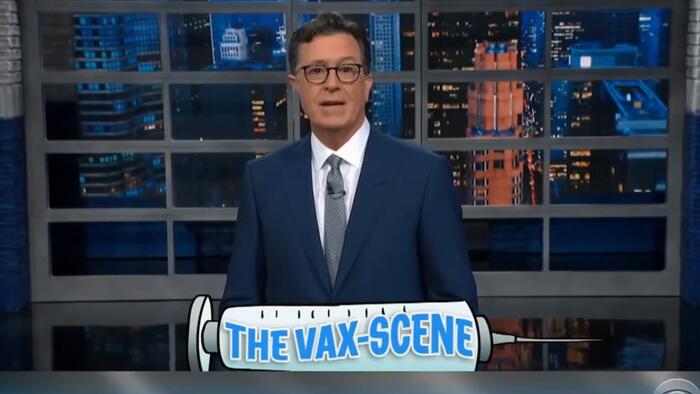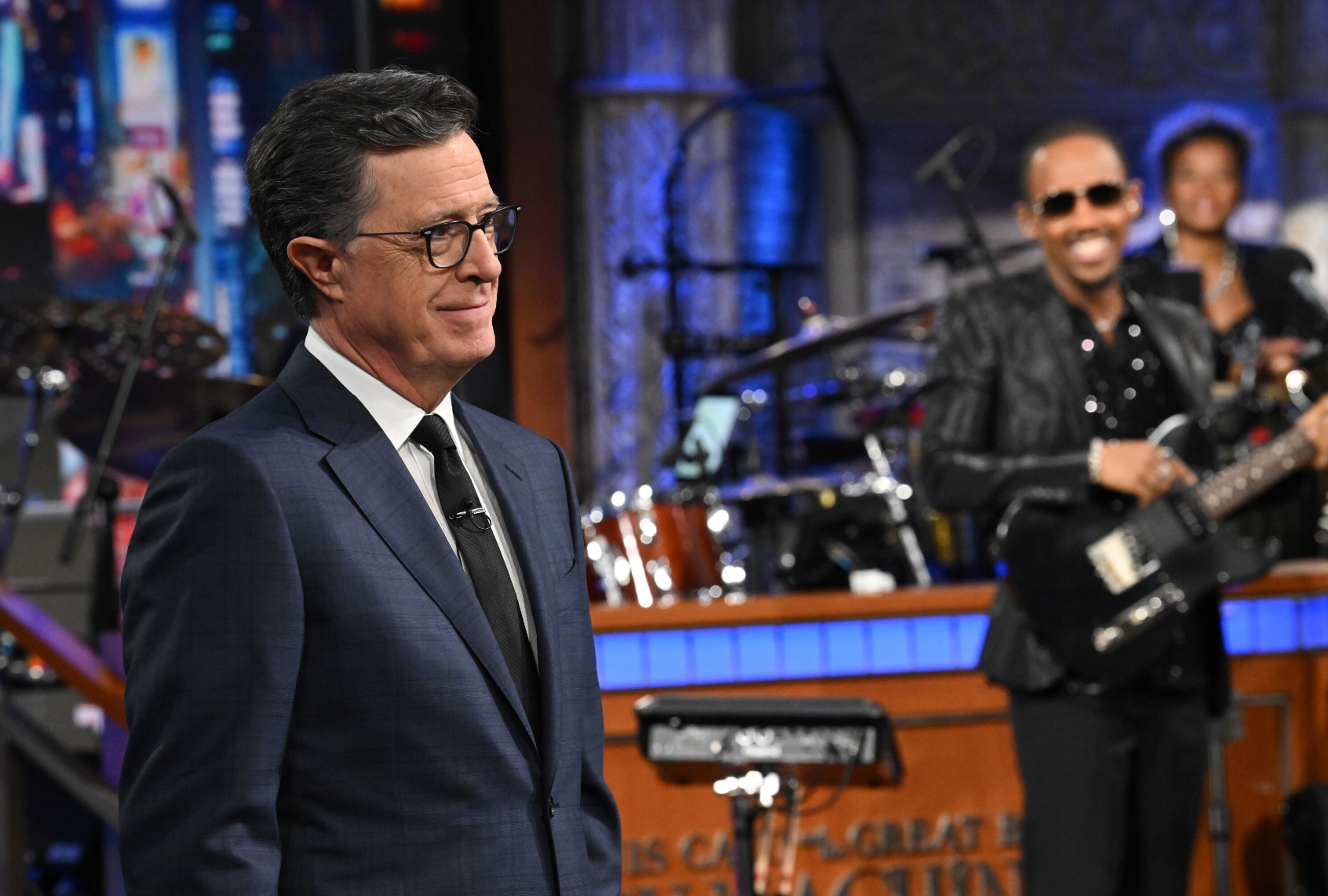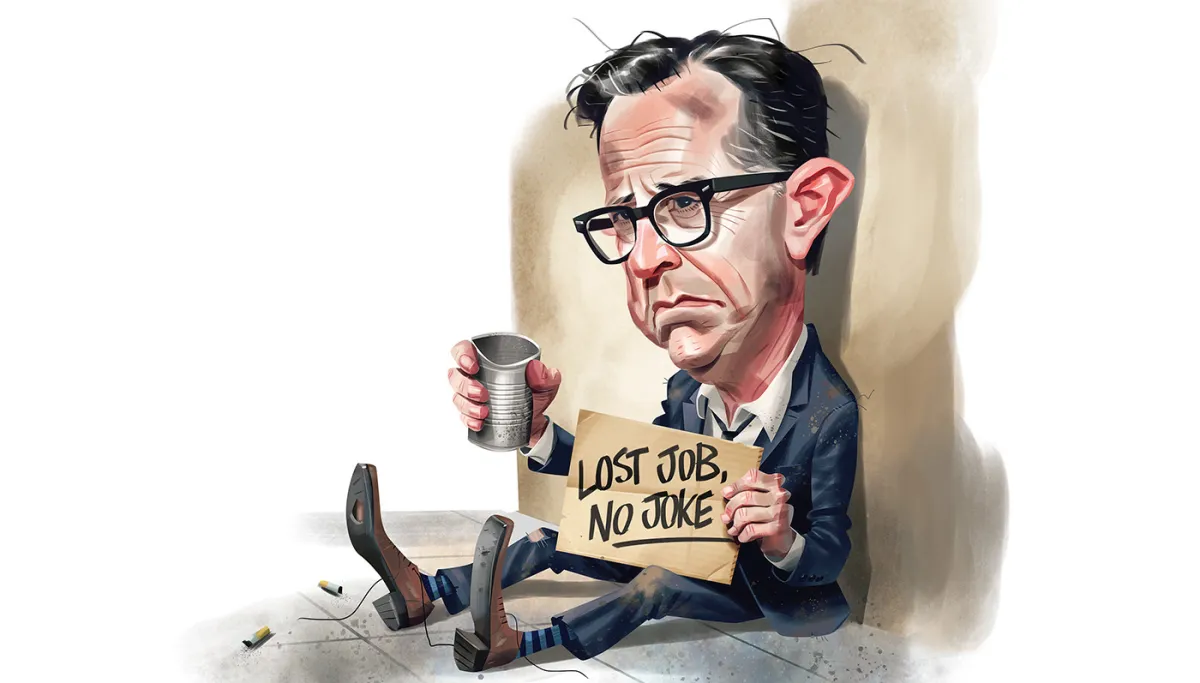
When “The Late Show with Stephen Colbert” aired its final episode on May 21, 2026, critics lamented more than the end of a television program.
It was a nightly ritual that millions of Americans participated in, with Bloomberg media reporter Lucas Shaw describing its cancellation as one more sign of “the decline of monoculture.”
Eulogies for “the monoculture” have appeared elsewhere. In fall 2025, BuzzFeed announced “the death of celebrity monoculture.” The Ringer asked whether summer 2025 was the “summer without monoculture.”
In all of these uses, the word describes a vanished era of shared cultural experience, a time when most people watched, listened to and talked about the same things.
But “monoculture” gets pulled in a different direction, too. Other writers, like cultural critic Kyle Chayka, have used it to describe the opposite problem: a sense that the culture today is becoming too uniform, too flattened, too much the same everywhere you look.