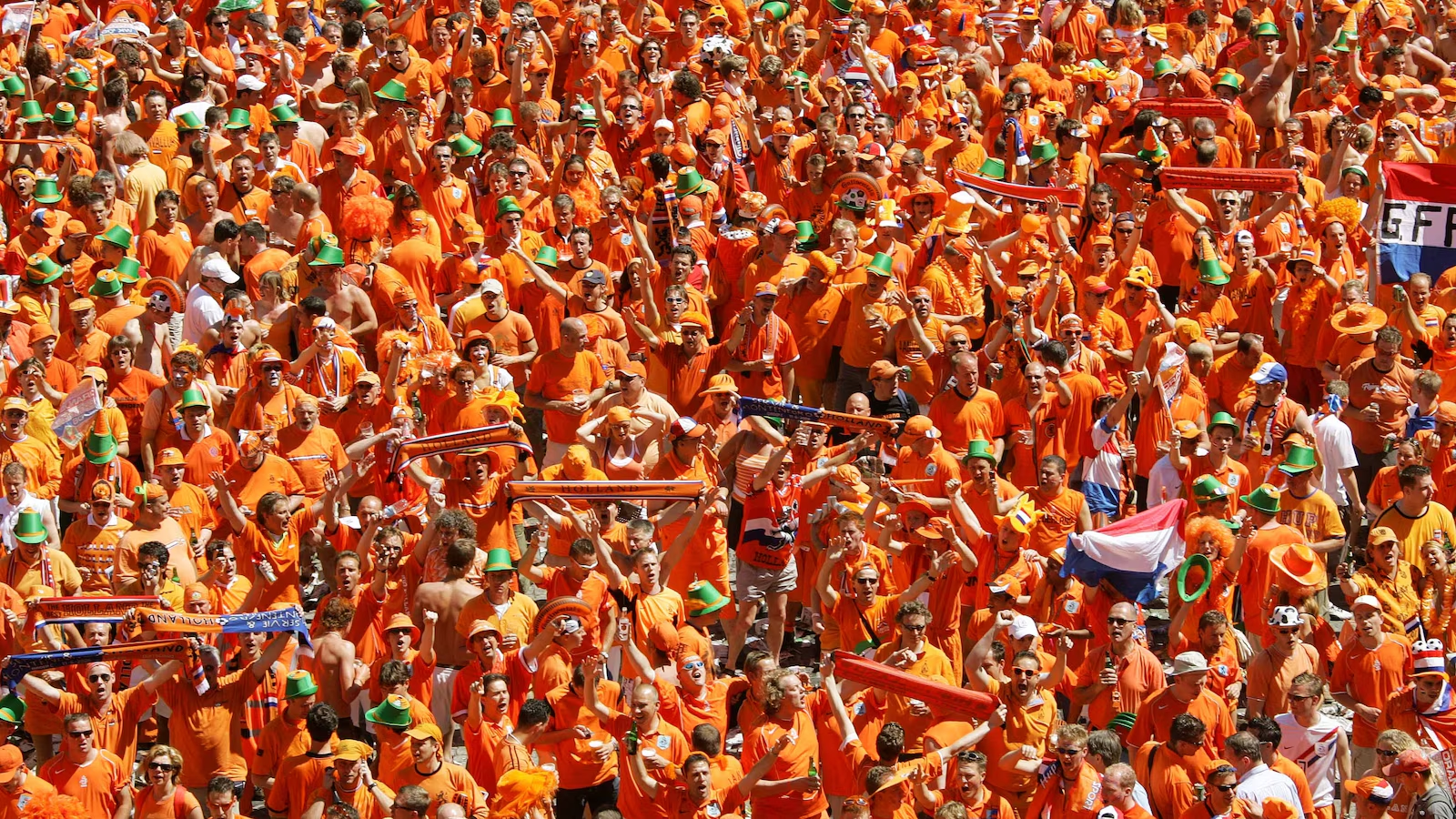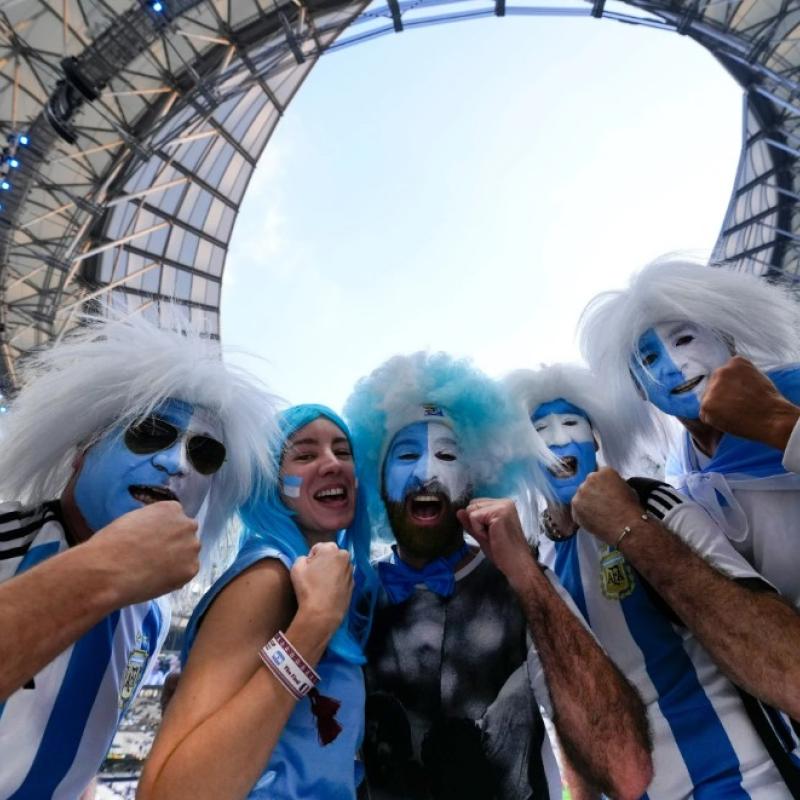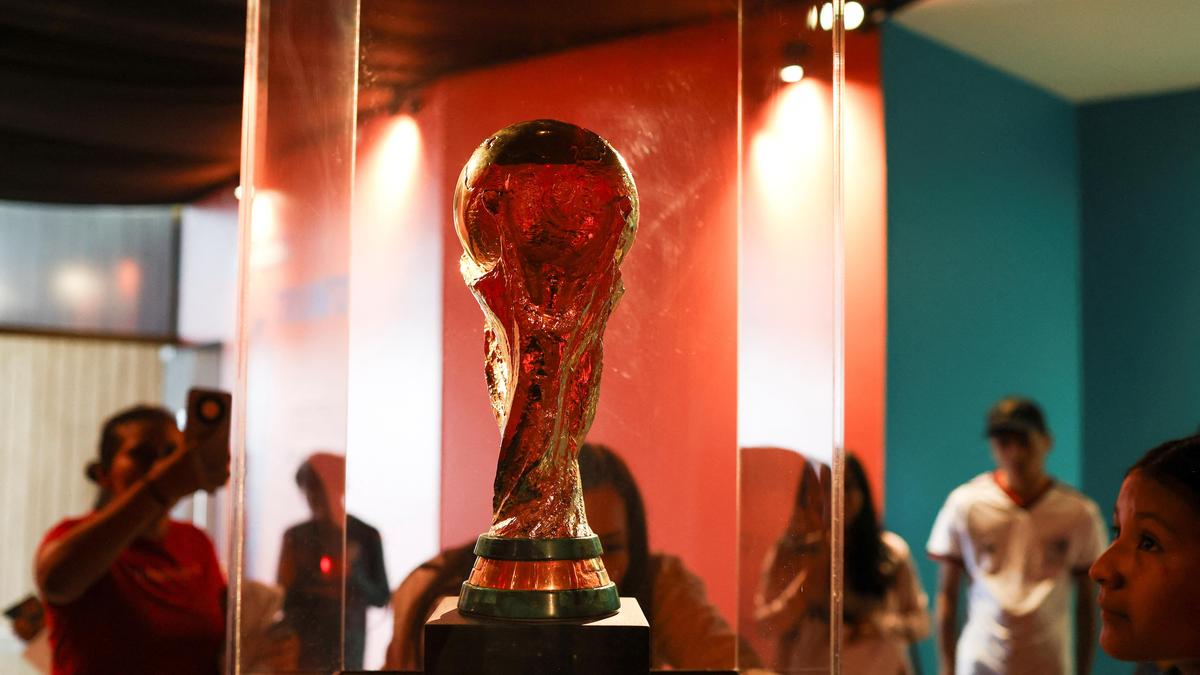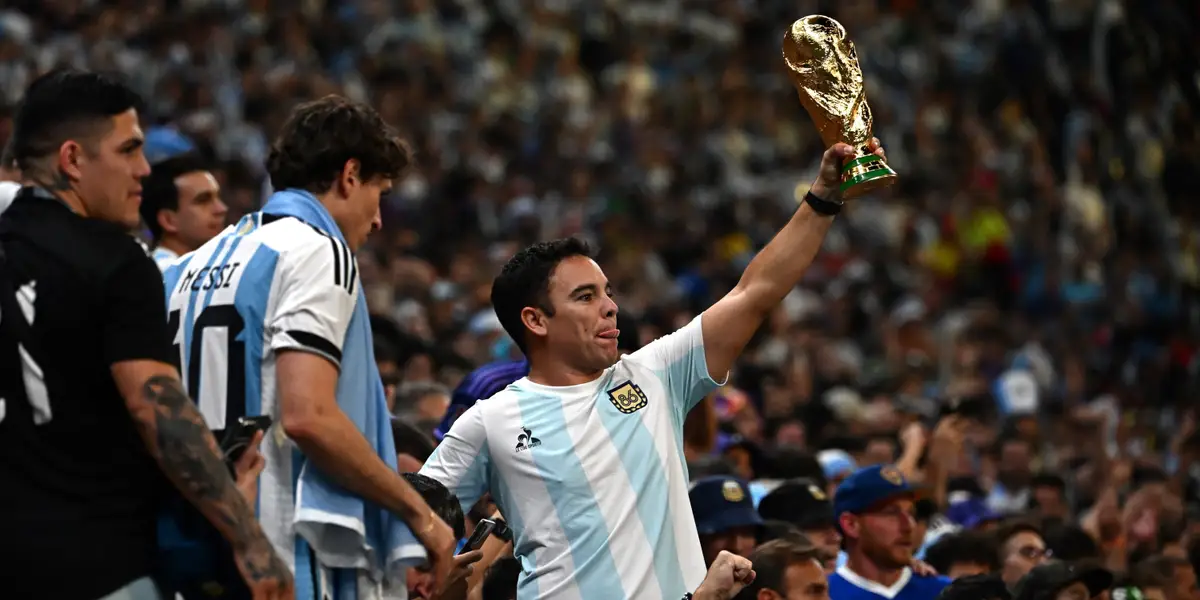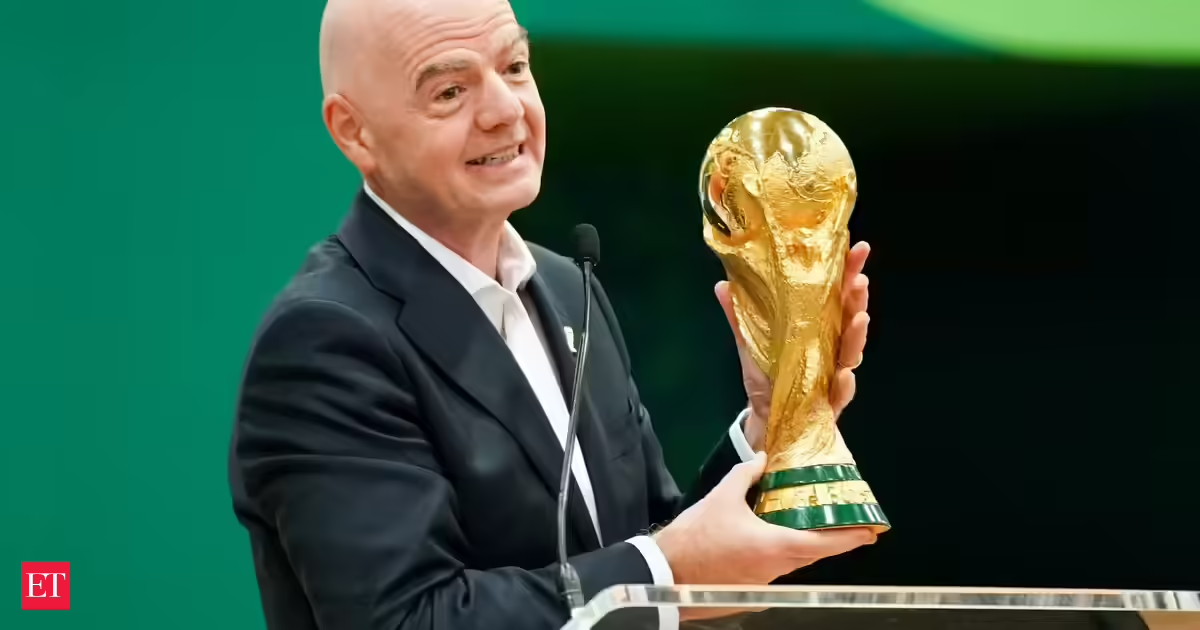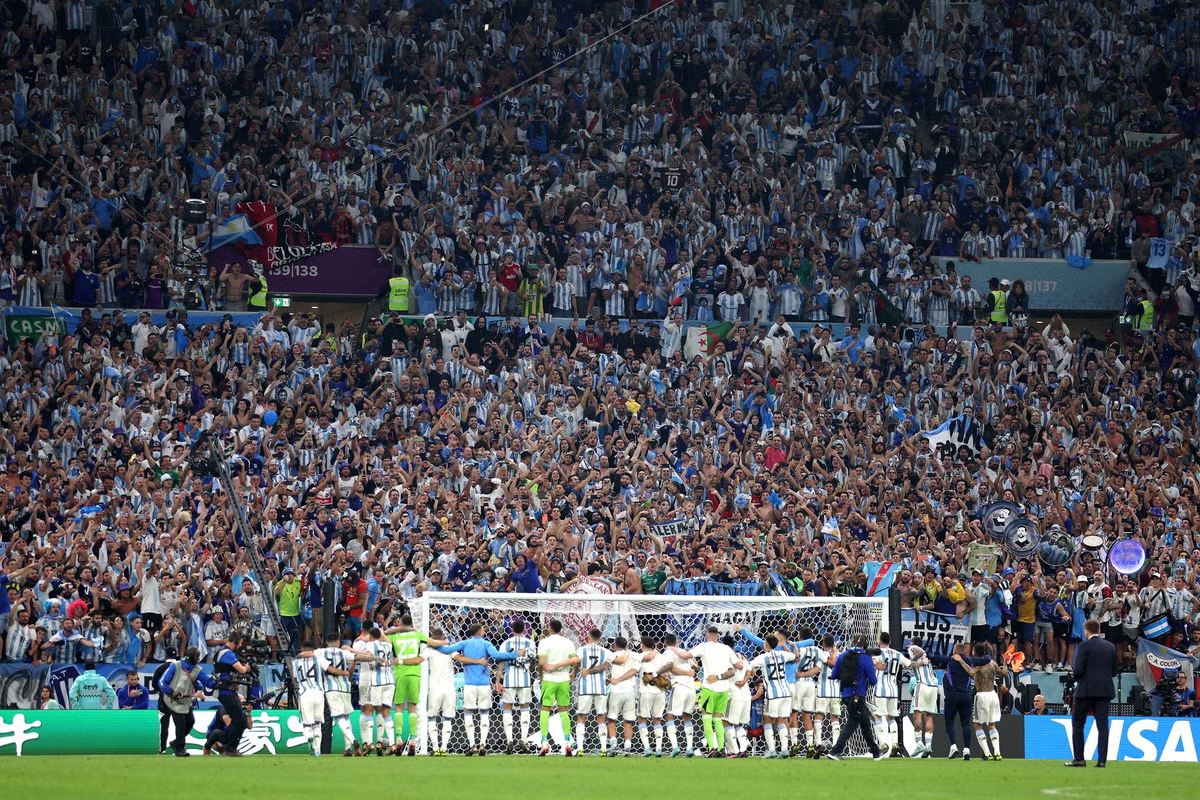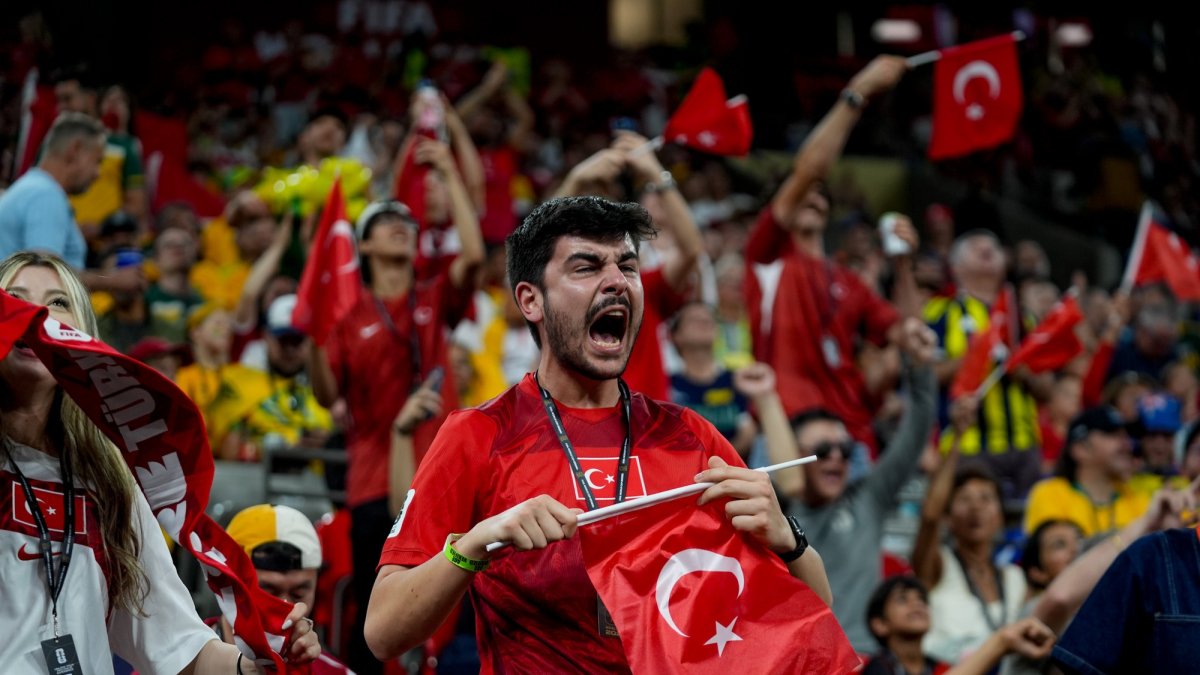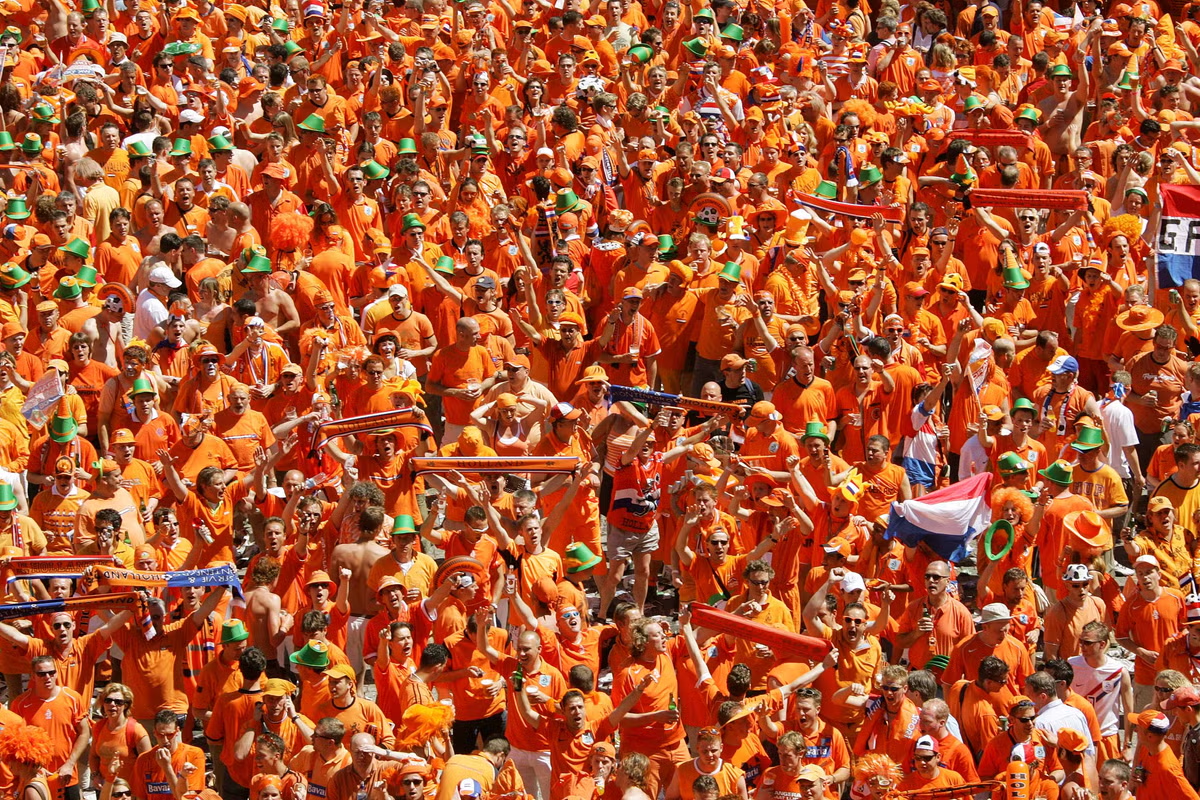
Soccer fans will soon crisscross continents to see their beloved national teams compete on the sport's grandest stage, the World Cup. They'll pack bars and fan zones, singing chants and debating who is going to win it all.This time, however, it's different for some superfans, who say organizers have made this summer’s World Cup the least welcoming one they have experienced. Ticket prices, expensive cross-country travel and concerns about entering the U.S. have prompted some of them to stay home. London-based IT worker Mike Wilson has been to four World Cups over the past 20 years. This summer, he'll be staying in Europe and watching part of the tournament from a Portuguese beach.Argentine doctor Emiliano Becerra likes to follow his team through every step of the elimination round. This time he’ll attend two early matches and then fly home.Dutch-born finance manager Peter Bergakker flew to South Africa to watch the Netherlands play in the 2010 World Cup final. But no matter how far the "Oranje" advance this summer, he said he won’t travel to the U.S.Exactly how many fans are staying away is unclear, but the warning signs are there.Hotel bookings have been lighter than expected in many U.S. host cities. Meanwhile, the president of the travel agency association in soccer-mad Uruguay said they have arranged tour packages for about 3,000 fans, significantly fewer than attended recent World Cups. A financially inaccessible tournament The number of fans able to travel and take weeks off of work to cheer on their team during the World Cup understandably skews to the wealthy. But previous tournaments have remained accessible for fans who, in some cases, would save for years for their flights and match tickets.Four years ago, lower-tier Category 3 tickets to group stage matches were $69. This year, FIFA has been selling them for as much as $265.The last two tournaments in Russia and Qatar offered match-going fans free transportation between host cities, though many matches were much closer than the vast area covered by the 16 stadiums hosting matches across the U.S., Canada and Mexico. And while fans there were not permitted by FIFA to sell their tickets on the official resale site for above face value, the sports governing body has taken a different approach this time — encouraging fans to resell tickets for as high as they want, with FIFA pocketing 30% in fees along the way. FIFA did not respond to a request for comment Thursday but has previously defended ticket prices as a reflection of “record-breaking” demand.Tomonori Akutsu, who lives outside Tokyo, said if he had realized how expensive this tournament would be when he started making plans, he might have reconsidered attending his sixth straight World Cup.Without question, he believes, the U.S. has been the worst host, and tournament organizers have demonstrated a “complete lack of hospitality in every aspect,” citing things like ticket prices, an inflated resale market, expensive hotel prices and fan festivals that cost money to attend.“Simply, my impression is ‘this is America,’ the ultimate capitalism,” Akutsu said.Becerra, of Argentina, spent $1,100 to see Argentina defeat France in the 2022 final in Qatar. For the past three World Cups, he followed Argentina through the knockout stages.Not this time.This year, he paid even more — $1,200 — for a resale ticket to see Argentina’s match against low-ranked Jordan in Dallas.“It’s absolutely crazy – it’s just a group stage match,” said Becerra, a 64-year-old ophthalmologist who lives in Neuquén, in northern Patagonia.Becerra will head home before the knockout stage begins. The prices, he said, are “just not possible for me.” Will ticket prices cost the World Cup some of its culture? Wilson, the IT specialist from England, said he and his friends opted to skip this summer's tournament because they couldn’t justify spending the prices they were seeing.Wilson had never spent more than $200 for any World Cup match, a price that, on the resale market, barely buys a nosebleed seat at a group stage match between two obscure teams. Instead, he and his friends have booked a Portugal getaway.For Wilson, the World Cup is more about the atmosphere than the matches.“That’s the great thing about these tournaments: You’re sitting at a hostel, chatting with U.S. fans, and then you go to a bar up the road and there are loads of Chileans who have just taken over the place," Wilson said, recalling a memorable night in Johannesburg in 2010. "It’s stuff like that which makes the World Cup. But now they’ve just priced everyone out.”Mark Doidge, a sociologist at England’s Loughborough University, said World Cups have long been defined by their traveling supporters, pointing to Colombia's famous “Birdman” and the sea of St. George’s crosses at every England match. Rising costs, he said, risk losing exactly those fans.“Most of those buying expensive tickets are not those passionate fans, but wealthy people paying for an experience,” he said. Expensive World Cup won’t deter some ardent fans There is at least one group of supporters that appears determined to come regardless of the cost: the Scots, who are eager to see their team compete in their first World Cup in 28 years.Campbell Lewis and his friends began booking refundable accommodations across the U.S. as soon as Scotland qualified last year before prices rose.With tens of thousands of Scottish fans expected to attend, tickets for their team's matches have proven harder to obtain. But after prices began to drop in recent weeks, Lewis bought two tickets for Scotland’s second match for him and his 10-year-old son. He and his friends are still waiting until the final days to get tickets to the team's opener against Haiti, though. As of Thursday, the cheapest resale ticket for that match outside Boston exceeded $600. “For a lot of Scottish people of my generation, this is a once-in-a-lifetime thing,” he said. “We were all kids the last time we qualified. And even though the prices have gotten out of hand, there’s just this determination that we want to go.” Fans have concerns about traveling to the U.S. U.S. entry requirements may also be limiting international visitors.Unlike Russia in 2018, which waived visa requirements for ticketholders, and Qatar in 2022, which streamlined entry for fans, many traveling to the U.S. still face strict visa requirements. Until the U.S. reversed course last month, ticket-holding fans from Algeria, Cape Verde, Ivory Coast, Senegal and Tunisia were even going to have to pay as much as $15,000 in bonds to enter the country.Carlos Pera, president of Uruguay’s travel agency association, recently told Uruguay's Subrayado that U.S. visa requirements were among the reasons fewer Uruguayans are making the trip this year. U.S. officials have pushed back on concerns about visitors encountering an unwelcome environment, and the White House’s World Cup task force has highlighted efforts to prioritize visa interviews for fans with tickets. Andrew Giuliani, who leads the task force, dismissed concerns Thursday that traditional traveling supporters may be staying away.“We want superfans and first-time visitors alike to know: America welcomes you to what will be the greatest World Cup yet,” he said in a statement.For some fans, however, the concern goes beyond visas and cost.Bergakker, a 48-year-old Dutch financial controller who lives near Heidelberg, Germany, said President Donald Trump’s “hostile” approach toward European allies has changed his view of traveling to the U.S.Bergakker has attended two World Cups and four European Championships and said he is extremely susceptible to “Oranjekoorts” — the orange fever that grips Dutch fans as a tournament progresses.A deep Netherlands run usually would be all it takes to get him on a plane, no matter the price of tickets. But Bergakker said he worries his criticism of Trump on social media could lead to problems at the border, a concern the White House rejected. A spokesperson said Thursday that a Customs and Border Protection proposal to scrutinize World Cup visitors’ social media accounts was never enacted.Still, Bergakker said that as long as Trump is president, "this Oranje fan won’t be visiting.”___Rico reported from Atlanta. Associated Press reporters Mari Yamaguchi in Tokyo; and Mike Corder in The Hague, Netherlands; and Gisela Salomon in Miami contributed to this report.
Some of the most dedicated World Cup fans skipping this year's tournament, citing costs and politics
The 2026 World Cup has drawn intense criticism from globe-trotting fans who over the years have helped define the tournament's festive atmosphere
1,356 words~6 min read