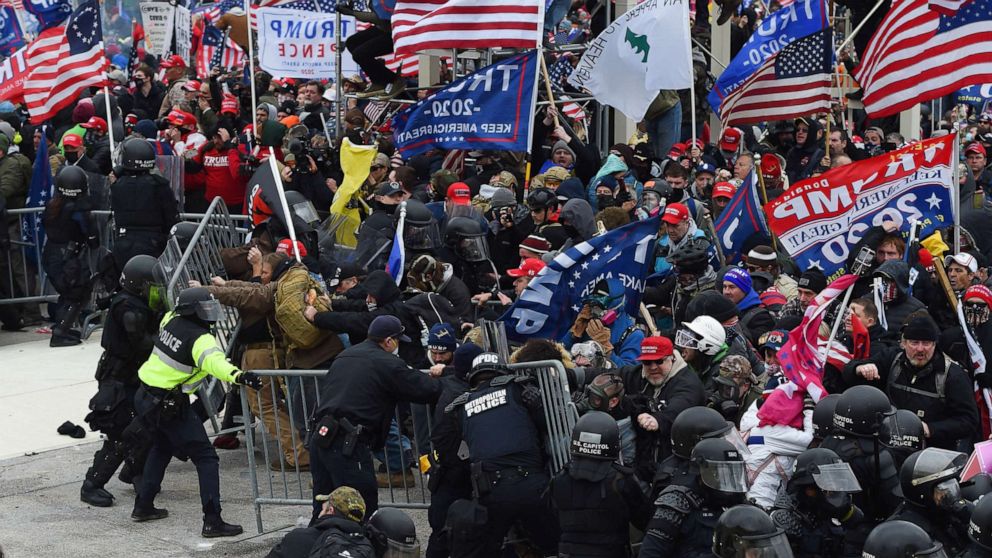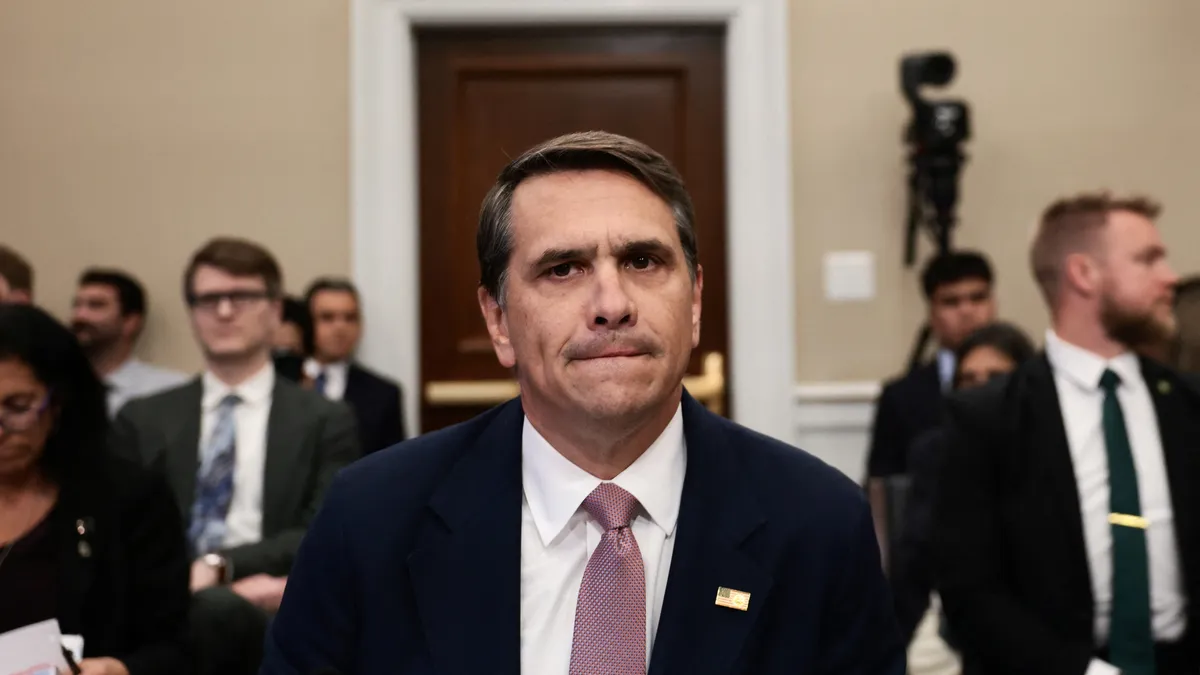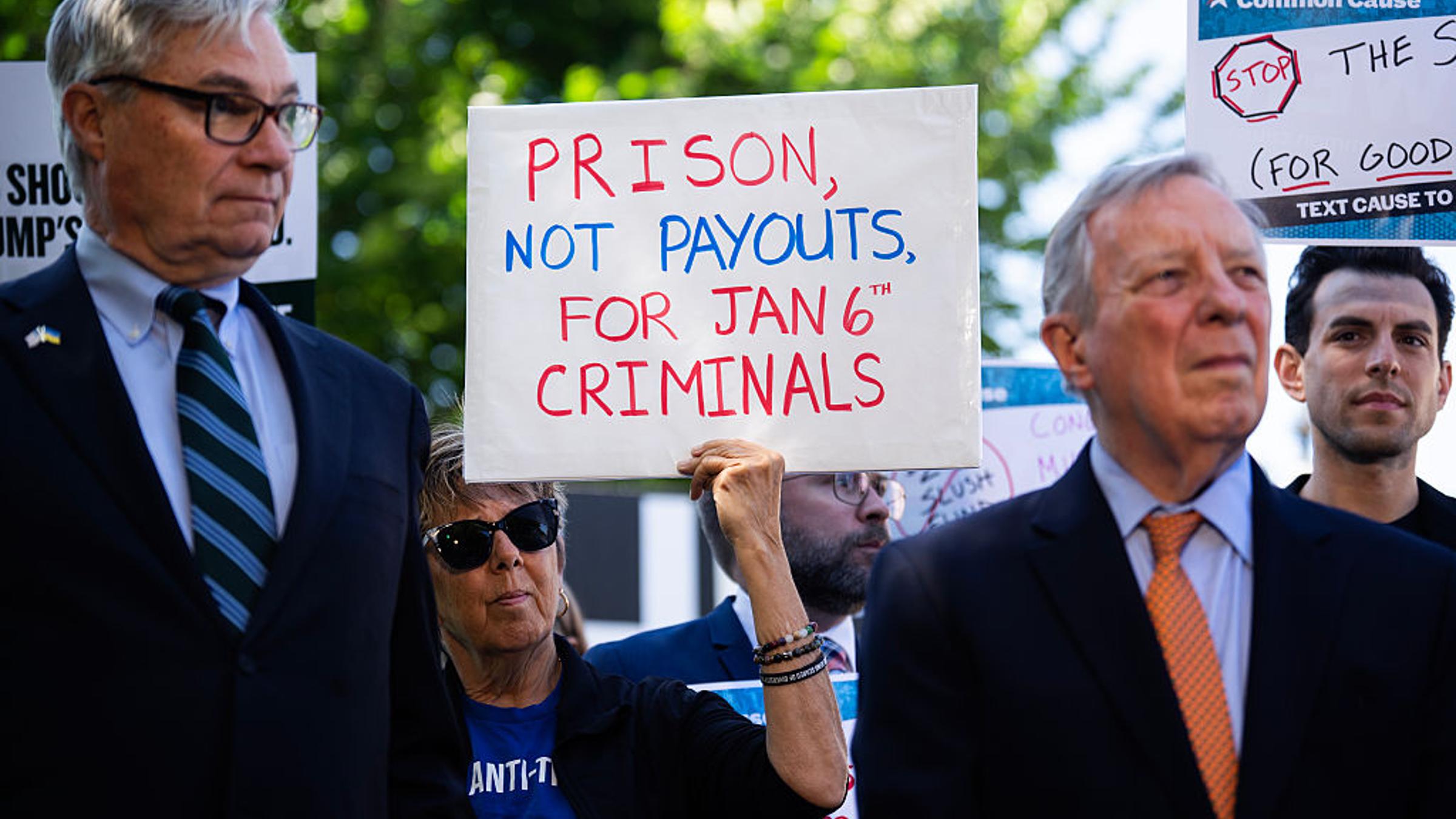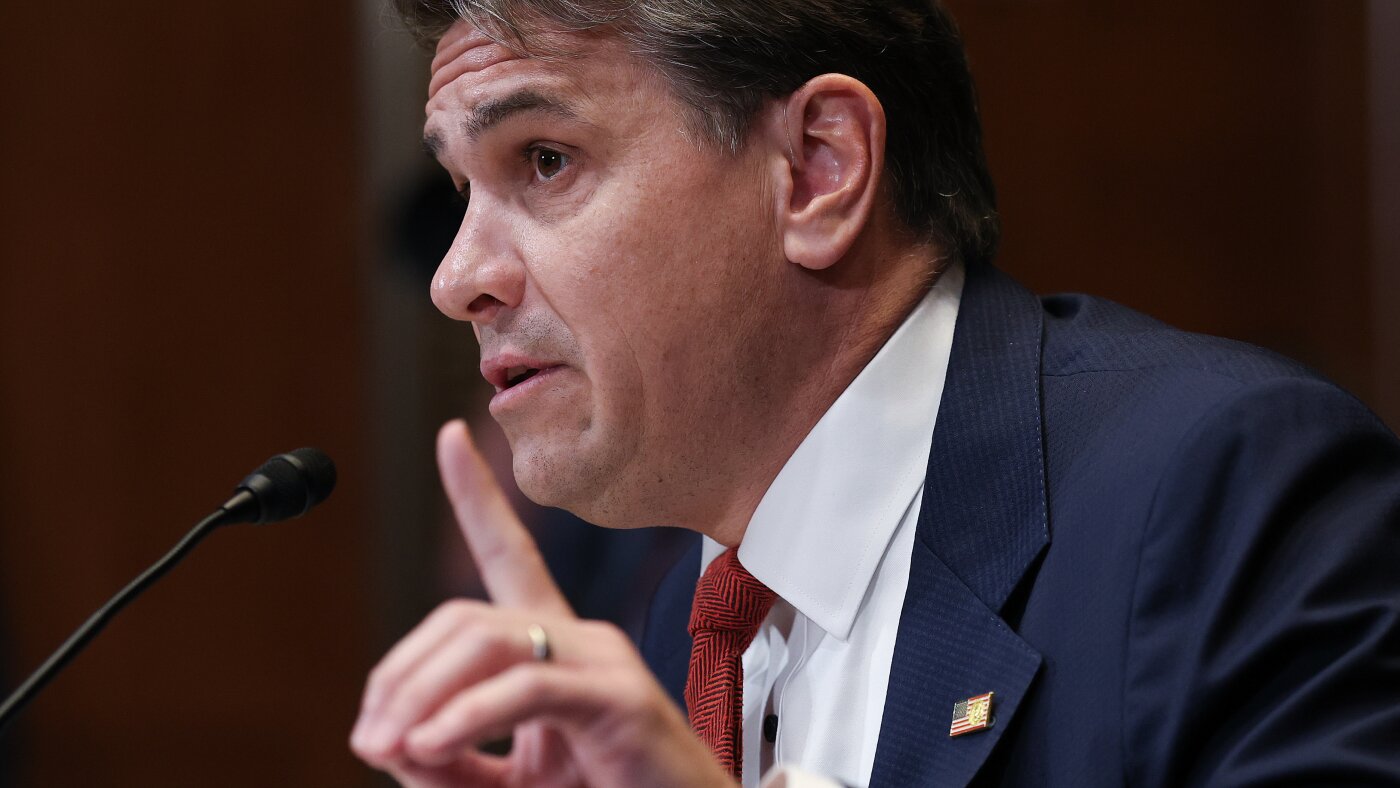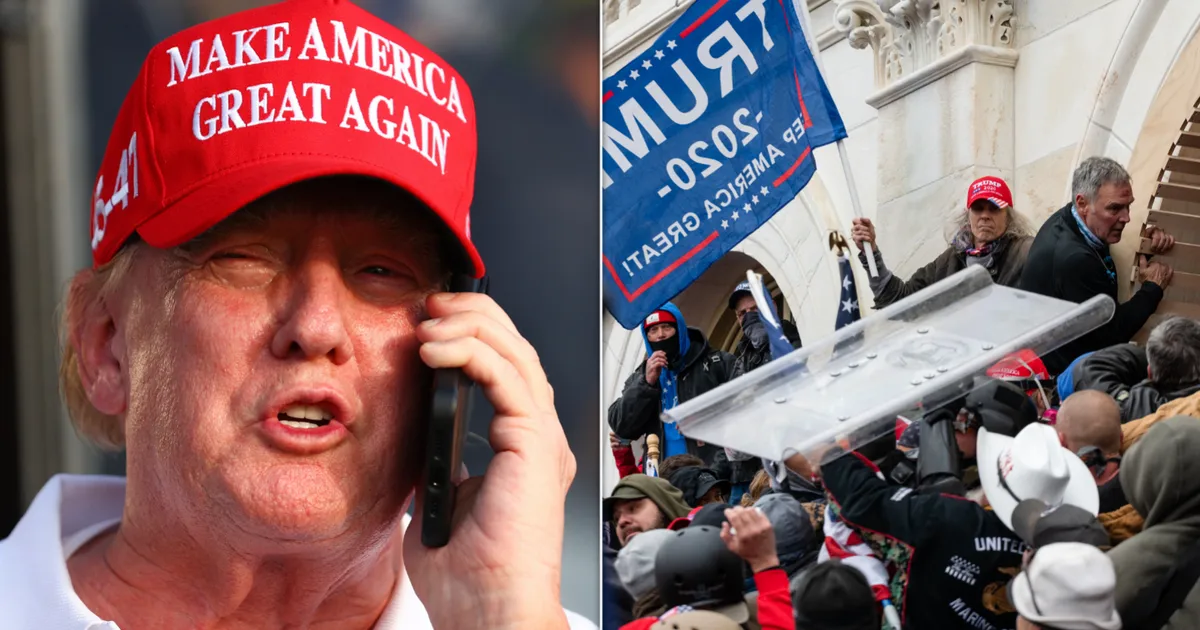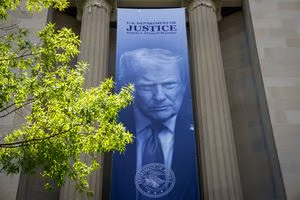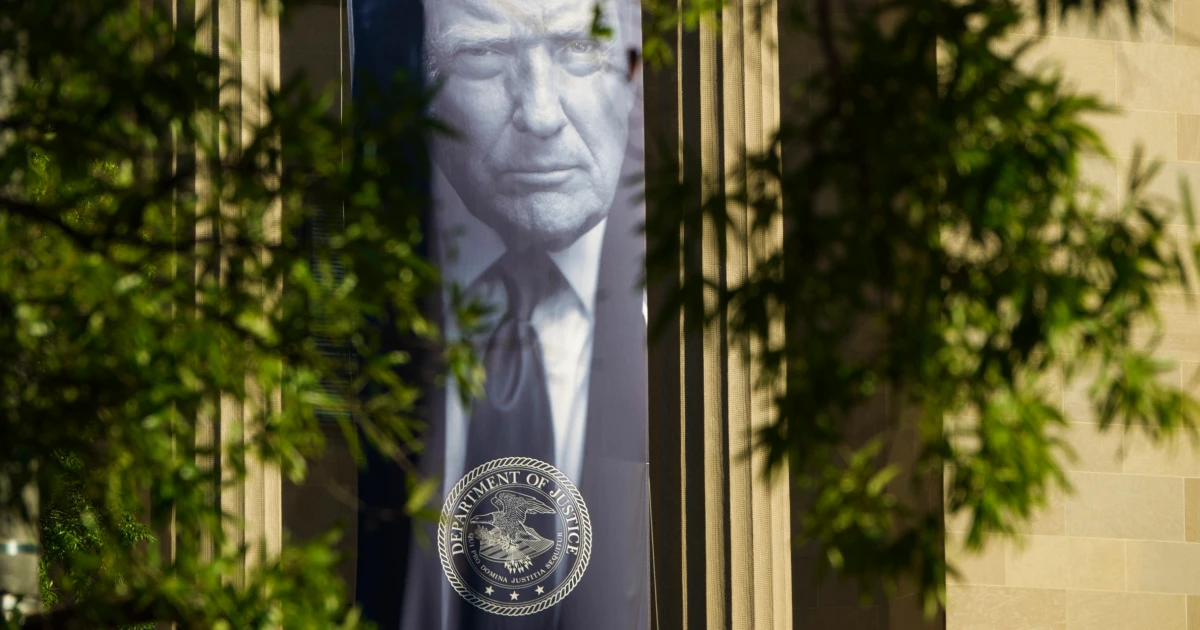
Even without the “anti-weaponization” fund, the Trump administration has the ability to give payouts to Jan. 6 rioters through an already existing mechanism: the Judgment Fund.Acting Attorney General Todd Blanche told Congress this week that the Justice Department was “not moving forward” with the $1.776 billion “anti-weaponization” fund, after congressional Republicans balked at it and refused to vote on a bill to fund ICE and Border Patrol.It materialized through a highly unusual agreement in which Donald Trump said he would drop his lawsuits against the government in exchange for its creation.Critics labeled it a “slush fund” for Trump’s allies, and it had already been temporarily blocked by a court before Blanche made the statements this week, following a lawsuit by a former Jan. 6 prosecutor and others who sued. By close of business Friday, the Justice Department must explain its current position to a judge in the Eastern District of Virginia, who will hold a hearing on June 12 to determine next steps. There are at least four other lawsuits, including one from officers who protected the Capitol during the attack.On Thursday, Sens. Cory Booker, D-N.J., and Bill Cassidy, R-La., filed a brief in the lawsuit over the “anti-weaponization” fund filed by the former Jan. 6 prosecutor, arguing that it “constitutes an end-run around Congress’s institutional authority.”Democracy Forward President and CEO Skye Perryman, who heads the group that filed the suit, said bipartisan criticism was significant.The lawmakers “recognize what is at stake here — a dangerous scheme that would allow the executive branch to bypass Congress, distribute public money through a corrupt political rewards program, and weaken the fundamental checks and balances that protect our democracy,” she said. The “anti-weaponization” fund would have set up a new process in which money would be distributed by a commission made up of five people whom Trump could fire at will. Under existing procedures, potential payout recipients would file formal claims against the government or file lawsuits. The DOJ’s Judgment Fund is a bottomless pot of money to settle legal claims made against the government, set up to “eliminate the procedural burdens involved in getting an appropriation from Congress to pay a particular judgment,” according to a description of the fund from the Treasury’s website.Critics have long cautioned the Judgment Fund could be abused. Former Justice Department official Paul Figley, now a law professor at American University, warned in a 2015 law review article that it was susceptible to misuse by the executive branch. Congress would have to act to change how the money is paid out. Trump said Wednesday that he didn’t know if the “anti-weaponization” fund was dead or just on hold, but he called it “a beautiful thing” that he loved and thought was “so important.”The Trump administration has already paid settlements to some of those involved in the Jan. 6, 2021, riot. The family of Ashli Babbitt — who was shot and killed after she jumped through a broken window of the House Speaker’s Lobby — received just under $5 million to settle a lawsuit filed by her family.Trump allies Mike Flynn and Carter Page have already received payouts.Defense attorney Stanley Woodward in Fort Pierce, Fla., in 2023.Lynne Sladky / AP fileAssociate Attorney General Stanley Woodward, the No. 3 official at the Justice Department, said at a news conference last month that he already had the authority “to settle any claim that is brought against the United States of America.” He argued that the “anti-weaponization” fund would bring “added accountability” to the process.“Instead of just one person, there are now going to be five who will review each and every one of these claims,” Woodward said. “I frankly think that we should be ecstatic about the idea that we are going to inject more accountability into the process.”Woodward added that officials were trying to “correct for the weaponization that was pervasive in the last administration.”Woodward said he would not be signing off on any settlements involving former clients, who would include Trump counselor Peter Navarro (who served four months in federal prison for contempt of Congress), FBI Director Kash Patel (who was subpoenaed to appear before a federal grand jury investigating Trump’s handling of classified documents), Dan Scavino (whom the Justice Department declined to prosecute for defying a subpoena from the House Jan. 6 committee), as well as a number of Jan. 6 defendants.Sen. Lindsey Graham, R-N.C., wrote on X this week that there should be a way for “many victims of the weaponized Biden Justice Department throughout this country” to prove their claims against the government, and said it was “imperative that we allow people with meritorious weaponization claims to come forward and receive compensation.”“We have a legal system already in place for people to make claims against the government. That does not need to be reinvented,” Graham wrote. His post did not explicitly mention payouts for Jan. 6 defendants.Ed Martin, a Justice Department official and advocate for Jan. 6 defendants who has close ties to Trump, told a GOP ally earlier this year that Capitol riot defendants would get “millions,” even if it took until 2028, NBC News reported.Hundreds of Jan. 6 defendants have already signed up with lawyers to seek compensation from the Justice Department. Nine Jan. 6 participants filed a lawsuit this week seeking more than $1 million each related to their “injuries and losses relating to the protest on January 6, 2021.”
DOJ could still pay Jan. 6 rioters even without ‘anti-weaponization’ fund
The Justice Department has a bottomless pot of money that can be used to settle legal claims made against the government.
898 words~4 min read