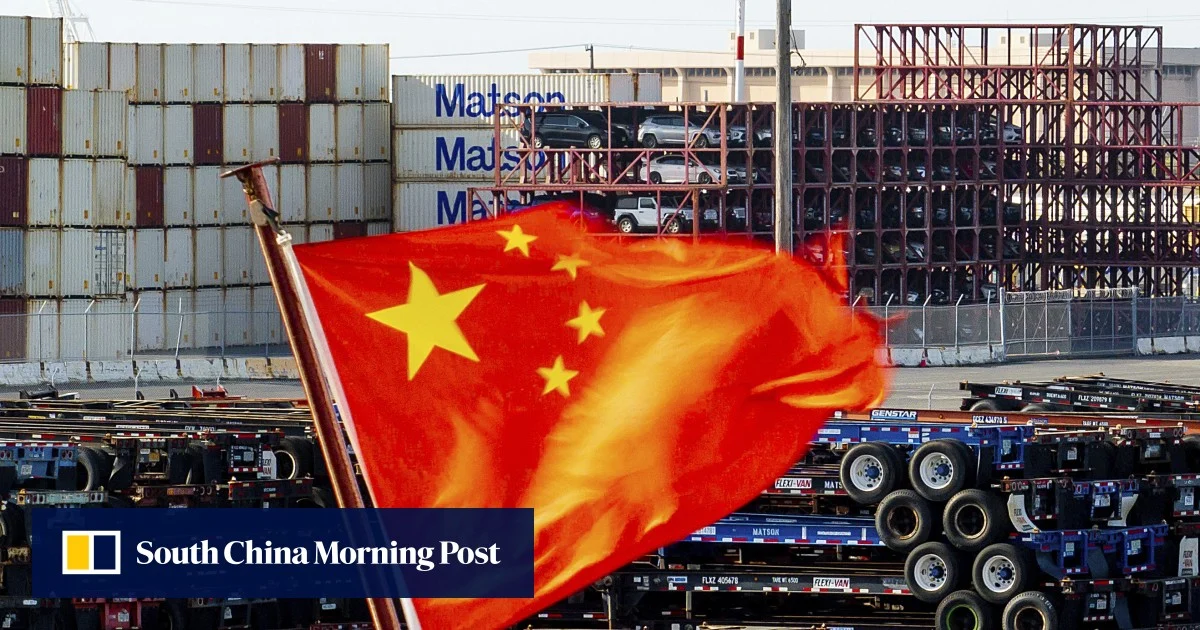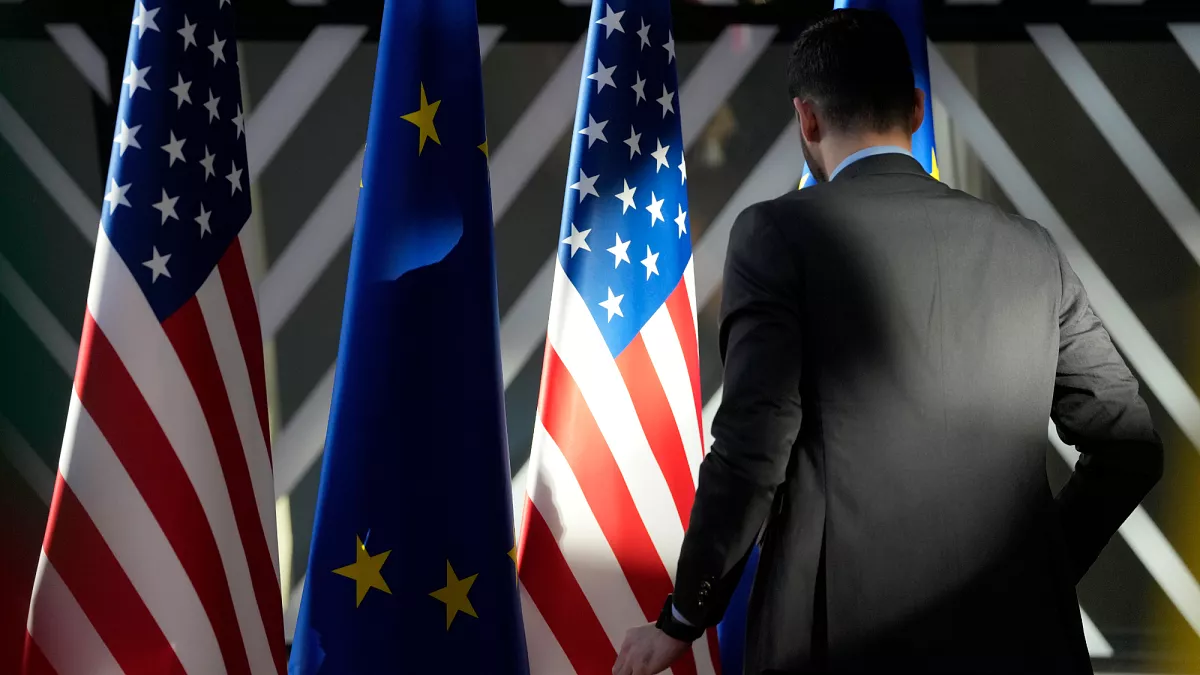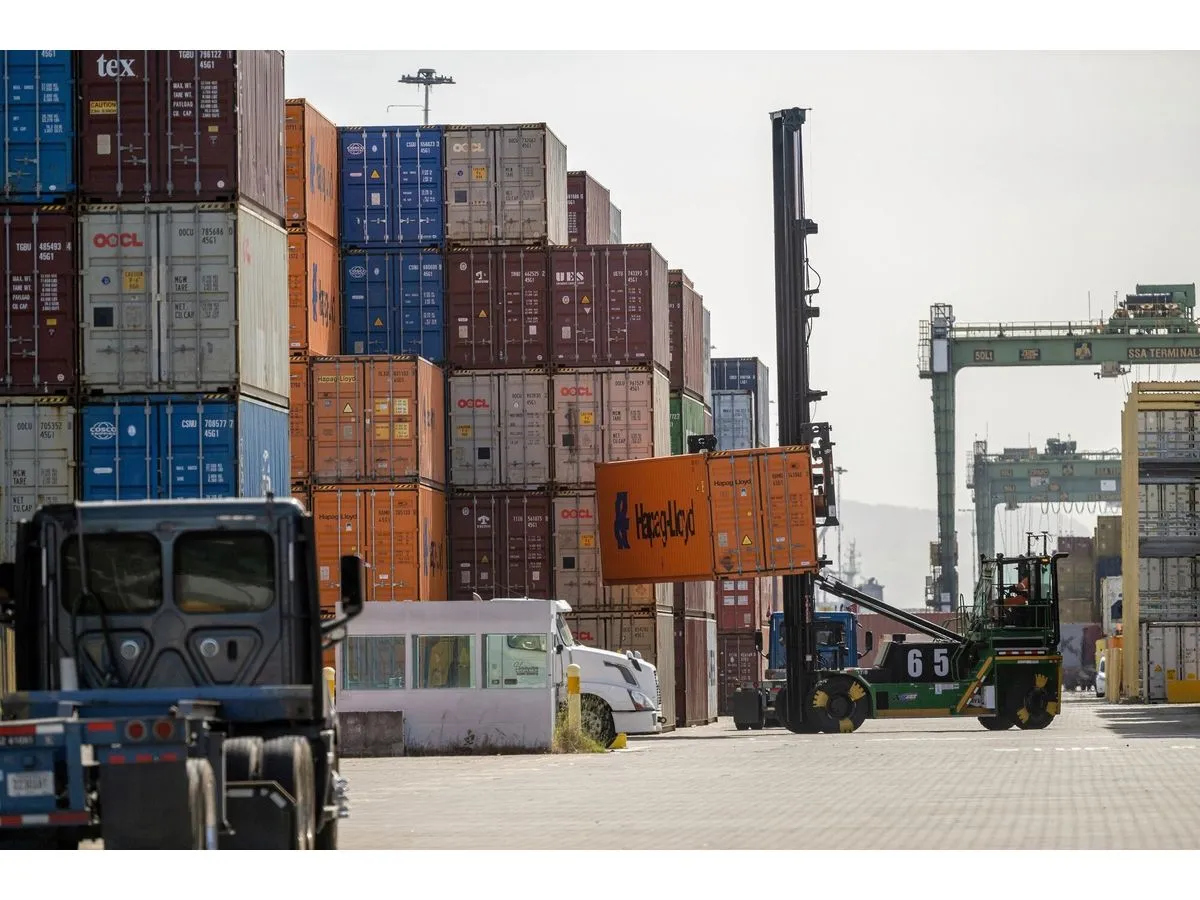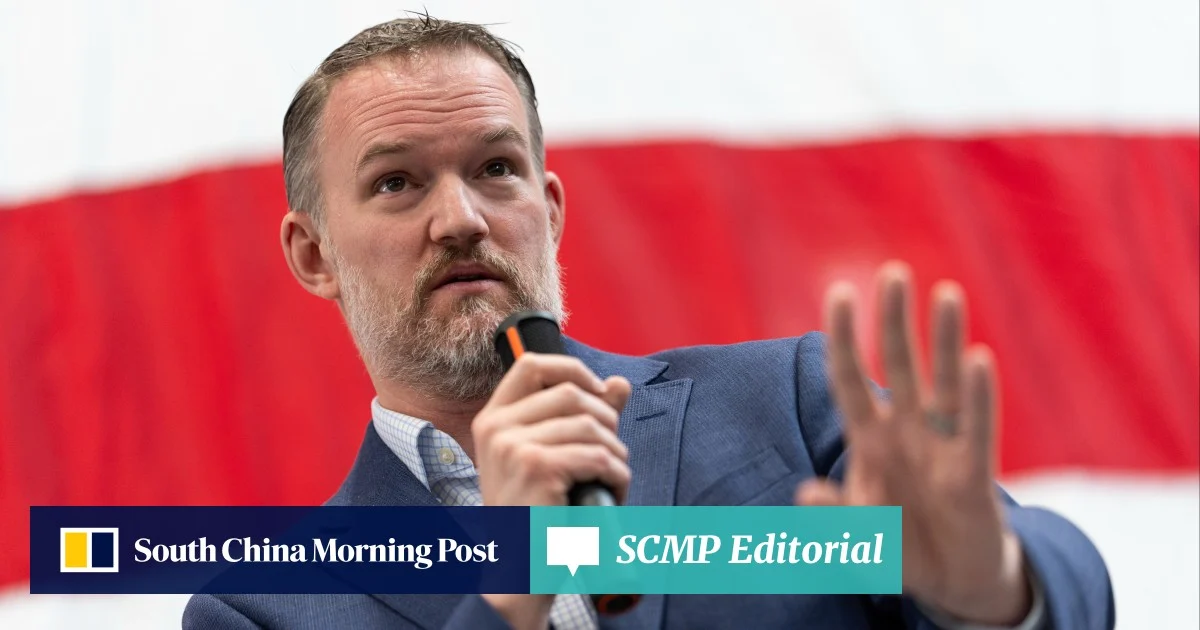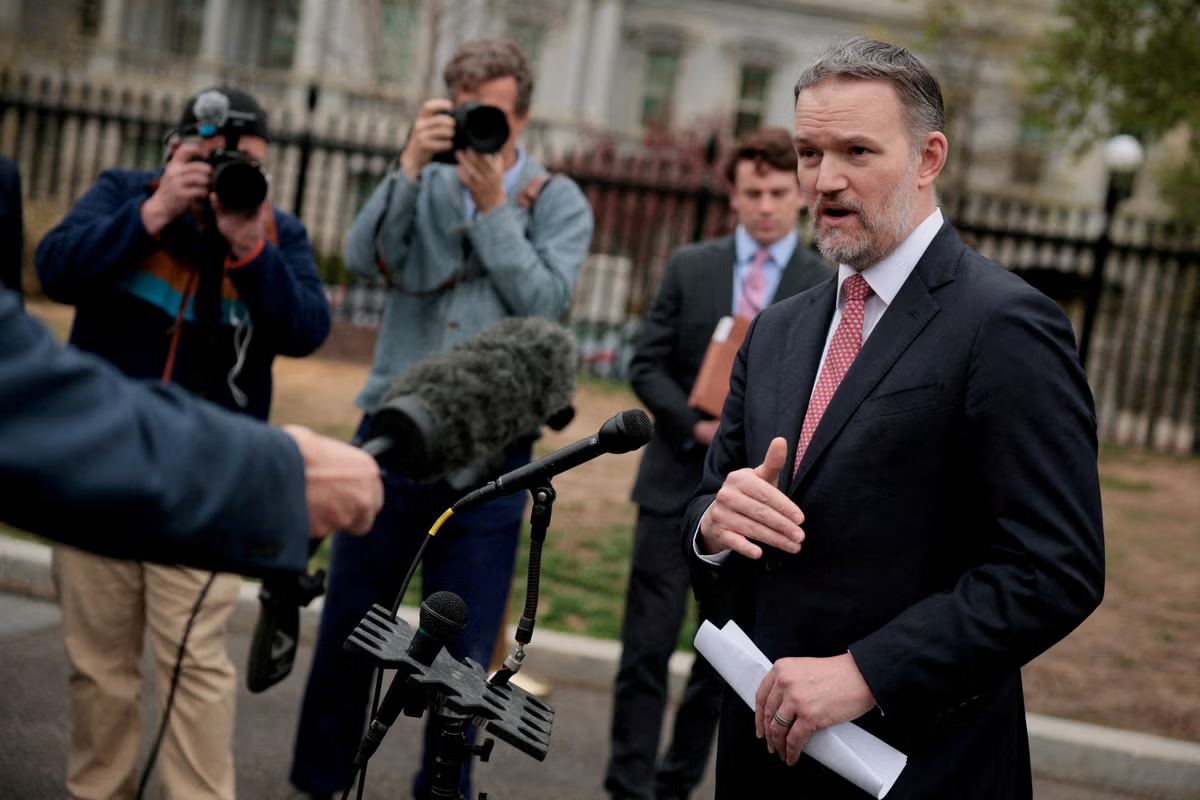
US Secretary of Energy Chris Wright speaks to reporters about the Trump administration’s support for coal energy production at the White House in Washington, DC, June 4, 2026. — Reuters pic (New users only) It's tax relief season! Get up to RM300 when you save with Versa! Plus, enjoy an additional FREE RM10 when you sign up using code VERSAMM10 with a min. cash-in of RM100 today. T&Cs apply. Friday, 05 Jun 2026 5:12 PM MYT EU officials, analysts argue EU’s forced labour rules are stricter, more comprehensive than those in USCritics warn tariffs may be counterproductive, driven by trade politics not human rights concernsLONDON, June 5 — President Donald Trump’s threat to slap new tariffs on trade partners the US accuses of failing to crack down on forced labour will do little to fight modern slavery — and could even make things worse, experts, business groups and some human rights groups say.In its latest trade salvo, the Trump administration proposed additional duties of 10 per cent or 12.5 per cent on imports from 60 countries for failing to curb trade in goods made with forced labour, an assertion that US trading partners rejected.The plan from the US Trade Representative’s office comes from a Section 301 unfair trade practices investigation designed to help restore Trump’s emergency tariffs, struck down by the US Supreme Court in February.Trade and human rights experts said it would do little to solve widespread issues of child labour, forced labour and other abusive employment practices in the global supply chain.“The essence of this new measure has very little or anything to do with forced labour. It’s just a new justification for trade tariffs,” said Ram Ben Tzion, co-founder and CEO of digital shipment-vetting platform Publican.According to the International Labour Organization’s most recent global estimates, there are 27.6 million people in forced labour — an increase of about 2.7 million since 2016. Nearly half of all forced labour cases in the private economy are found in export-related sectors: manufacturing, construction, agriculture and fishing, and mining.The EU comparisonThe US case against the European Union, one of its largest trading partners, has drawn particular scrutiny.The USTR report criticised the EU’s Forced Labour Regulation, which starts to apply in December 2027. It sets a higher bar for proof of violations than US rules and requires authorities to establish a substantiated concern before acting.The European Commission said the tariffs were unjustified, reiterating its commitment to the trade deal sealed with Washington last year that capped the US tariff rate on most EU goods at 15 per cent.International human rights group Walk Free said no G20 country is doing enough to combat forced labour relative to its wealth. The US is among the top 10 countries with the largest number of people living in modern slavery, Walk Free said.International Chamber of Commerce Deputy Secretary-General Andrew Wilson said the “arbitrary nature” of the tariffs was a cause for concern.“It doesn’t make sense if the object of this is to enhance controls on modern slavery,” he said, adding planned EU measures once implemented would eventually be broader than US ones.“The EU regime may ultimately have broader market reach because it covers imports, products sold in the EU, and exports from the EU.”Sebastian Ruenz, ESG and supply chain specialist at law firm Taylor Wessing, agreed the EU’s framework was not as weak as Washington implied. The EU ban covers products made with forced labour worldwide, regardless of the country of origin.“It will be structurally far more comprehensive than the US law,” he said, noting that Germany, with the Supply Chain Due Diligence Act, and France, with a similar law, have already established national standards regarding forced labour.Tariffs as a tool: potentially counterproductiveBusinesses, struggling to navigate Trump’s volatile trade war, which has piled on costs and upended supply chains over the past year, were still digesting the latest threat of levies.Rick Woldenberg, CEO of educational toy maker Learning Resources, disputed the premise of the investigation which linked efforts to tackle modern slavery with US commercial interests.“The reason that ... countries have signed up in opposition to forced labour is not because of competitive reasons, it’s because it’s immoral,” he told Reuters.Even those who broadly support import bans as a weapon against modern slavery doubted whether tariffs like those threatened by Trump, calibrated to trade volumes rather than to the severity of exploitation, could achieve meaningful change.The most extreme forms of forced labour — state-imposed systems in China’s Xinjiang region, Turkmenistan’s cotton sector, and North Korea — are not the primary targets of the tariffs, which are instead shaped by trade volumes and geopolitical considerations, said Hélène de Rengerve, senior advocate for corporate accountability at Human Rights Watch.“It is also not clear how will this be an incentive to actually improve the situation,” she said. “It might even create more political resistance in some countries. I fear it might be counterproductive to the objective of fighting forced labour.” — Reuters
How Trump’s forced labour tariffs could do more harm than good
EU officials, analysts argue EU’s forced labour rules are stricter, more comprehensive than those in USCritics warn tariffs may be counterproductive, driven by trade politics not...
823 words~4 min read