Data Centers: Dream Factories, Carbon Factories
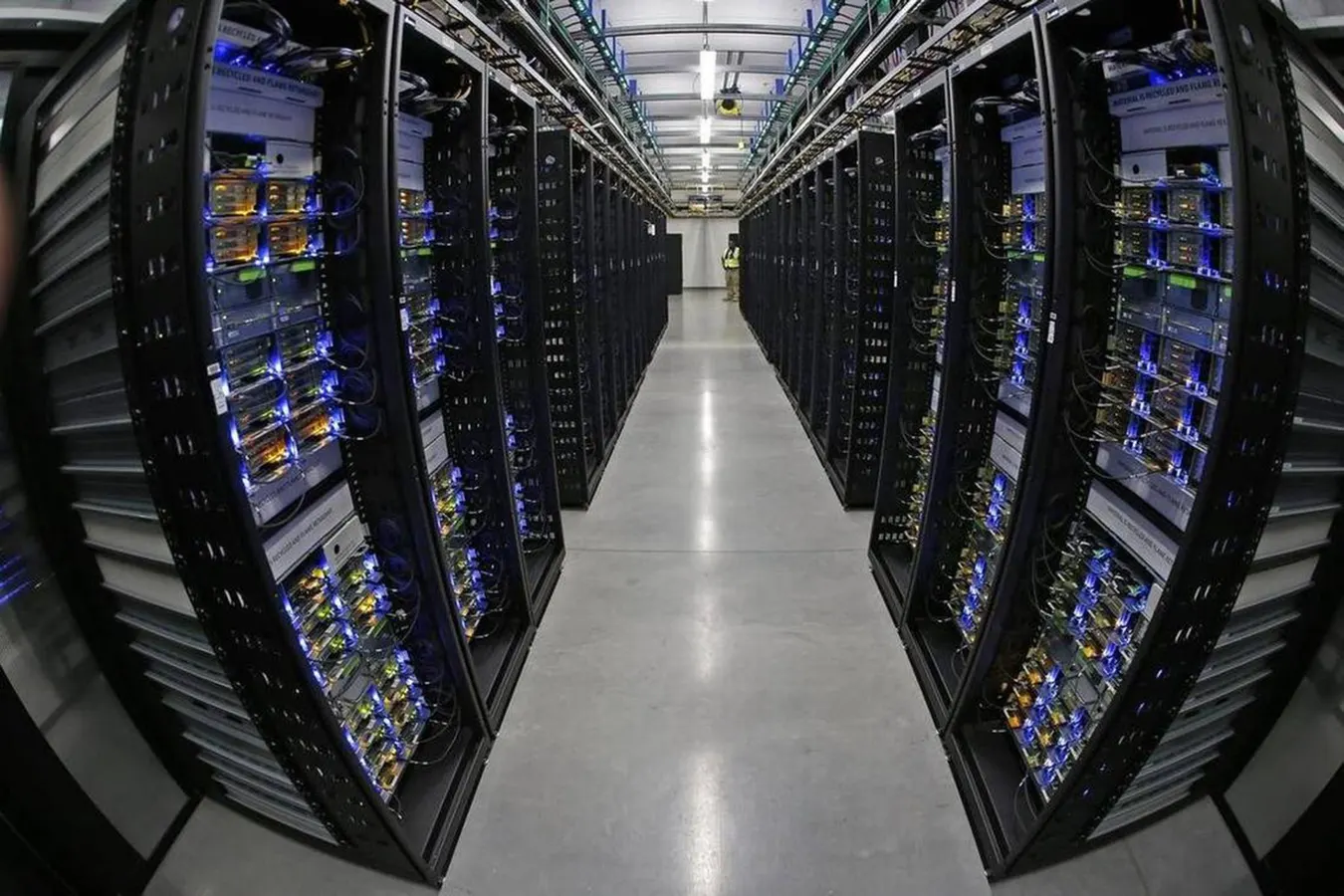
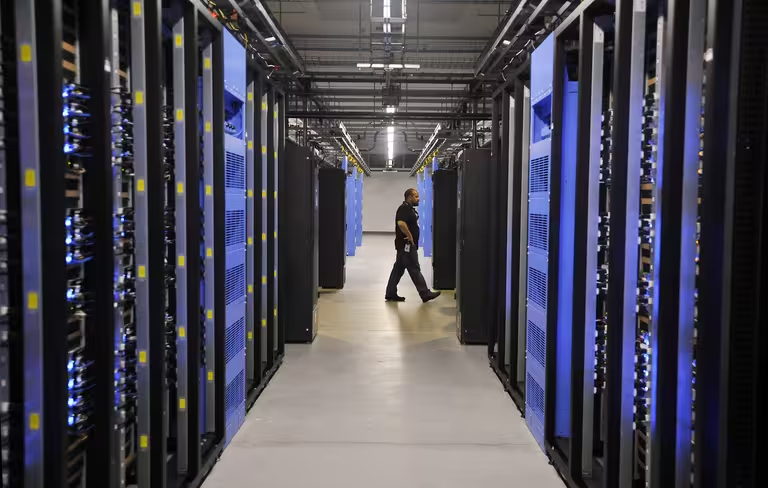
Behind every cloud query lies a colossal infrastructure. Millions of servers, spread across giant data centers at the four corners of the planet, run continuously to answer our demands. These buildings, often as vast as football stadiums, consume phenomenal amounts of electricity — not only to power the machines, but to cool them. Because an overheated server shuts down, and a shut-down data center loses millions.
The carbon footprint of cloud computing is staggering. According to the International Energy Agency (IEA), data centers consumed approximately 415 TWh in 2024, representing about 1.5% of global electricity consumption — with projections to double to 945 TWh by 2030. This figure keeps growing, fueled by the explosion of generative artificial intelligence. Every query sent to ChatGPT, every dictation processed by a cloud service, every AI text transformation consumes energy — lots of energy — in a data center somewhere between Ireland, Virginia, or Xinjiang.
But the problem doesn't stop at direct consumption. There's also the footprint of constructing these infrastructures — concrete, steel, copper, silicon. There's the water used for cooling, sometimes drawn from regions already under hydric stress. There's the electronic waste generated by the constant renewal of hardware, replaced every three to five years to stay competitive. The cloud is not immaterial. It is very material, very physical, and very polluting.