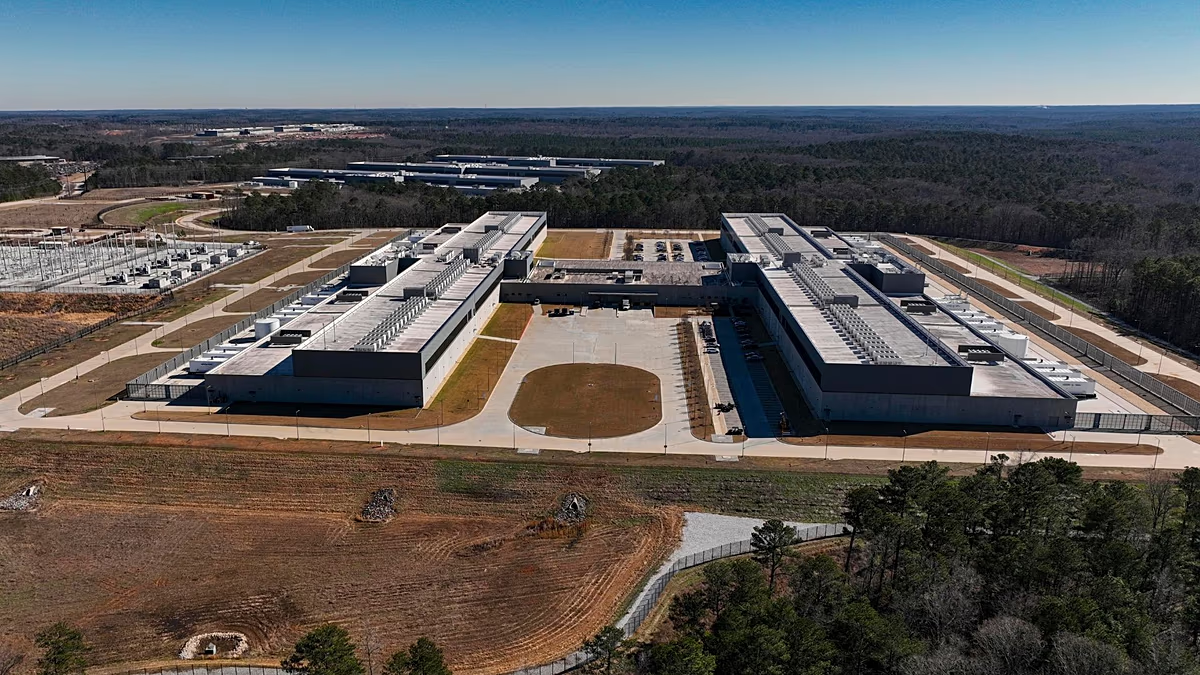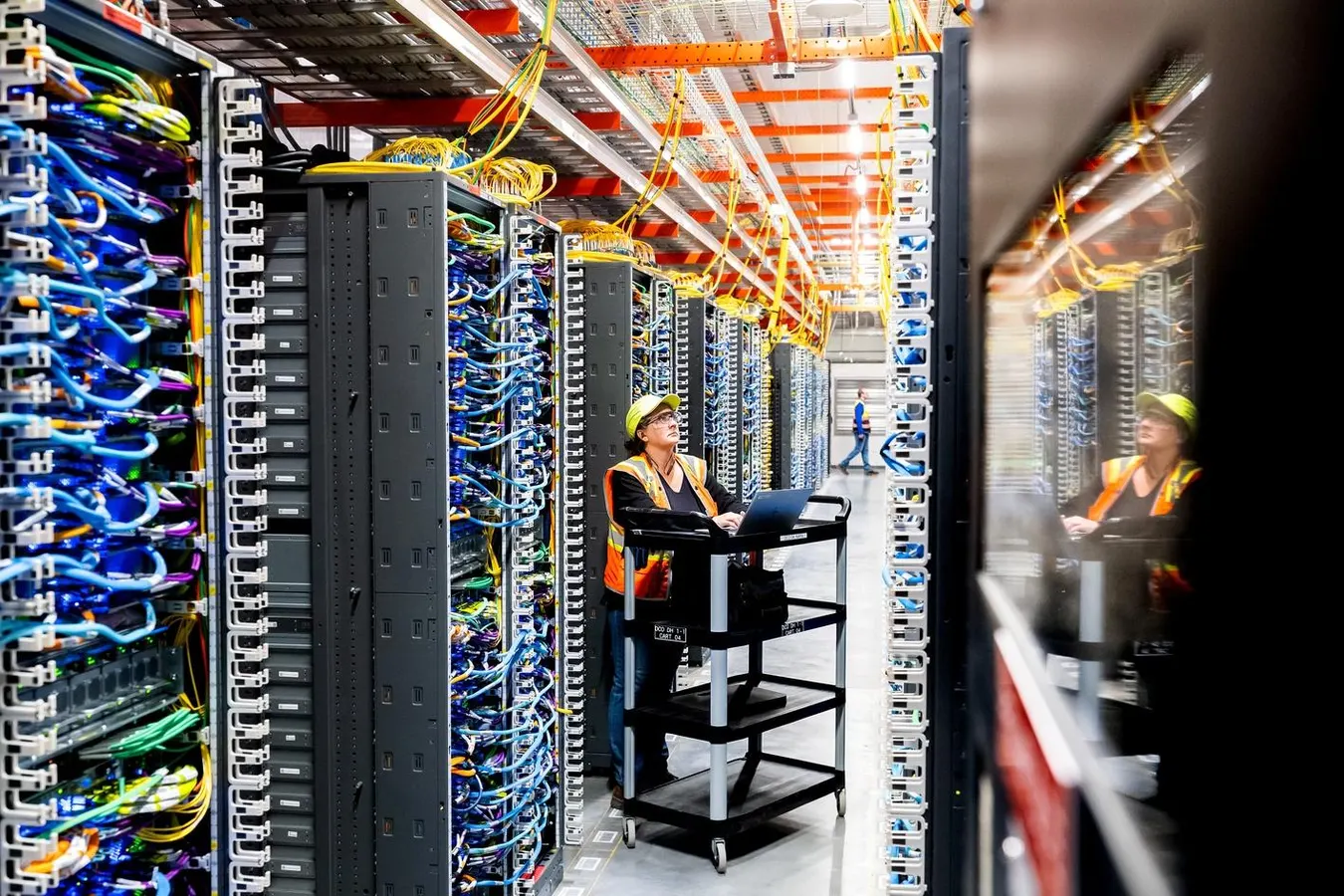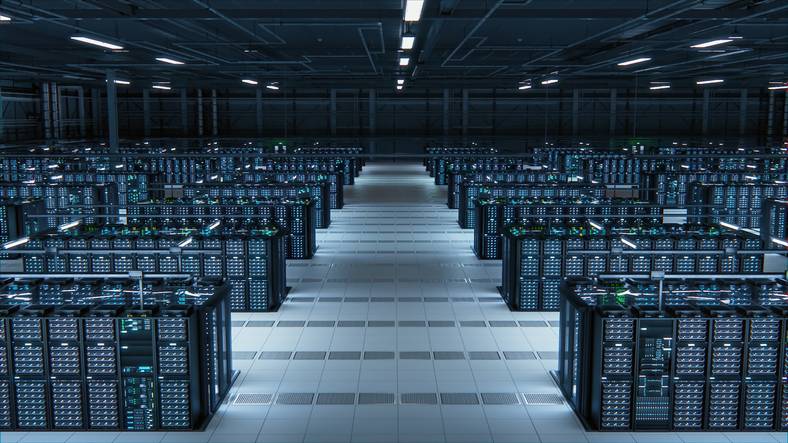
By 2023, the major hyperscalers (Amazon, Google, Microsoft and Meta) operated close to 992 data centres globally, with capacity having doubled in just four years
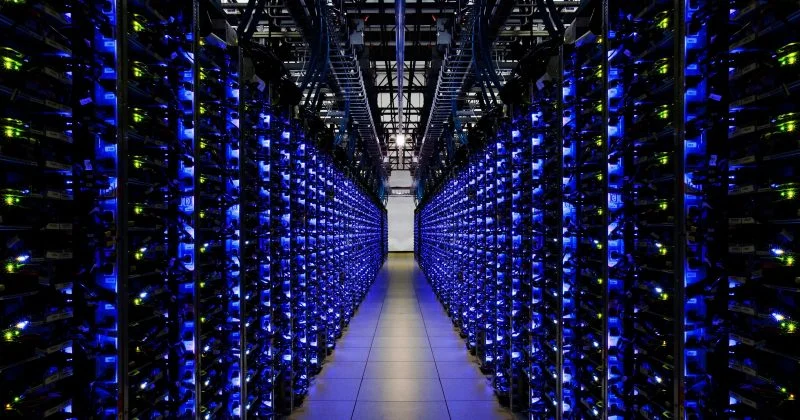
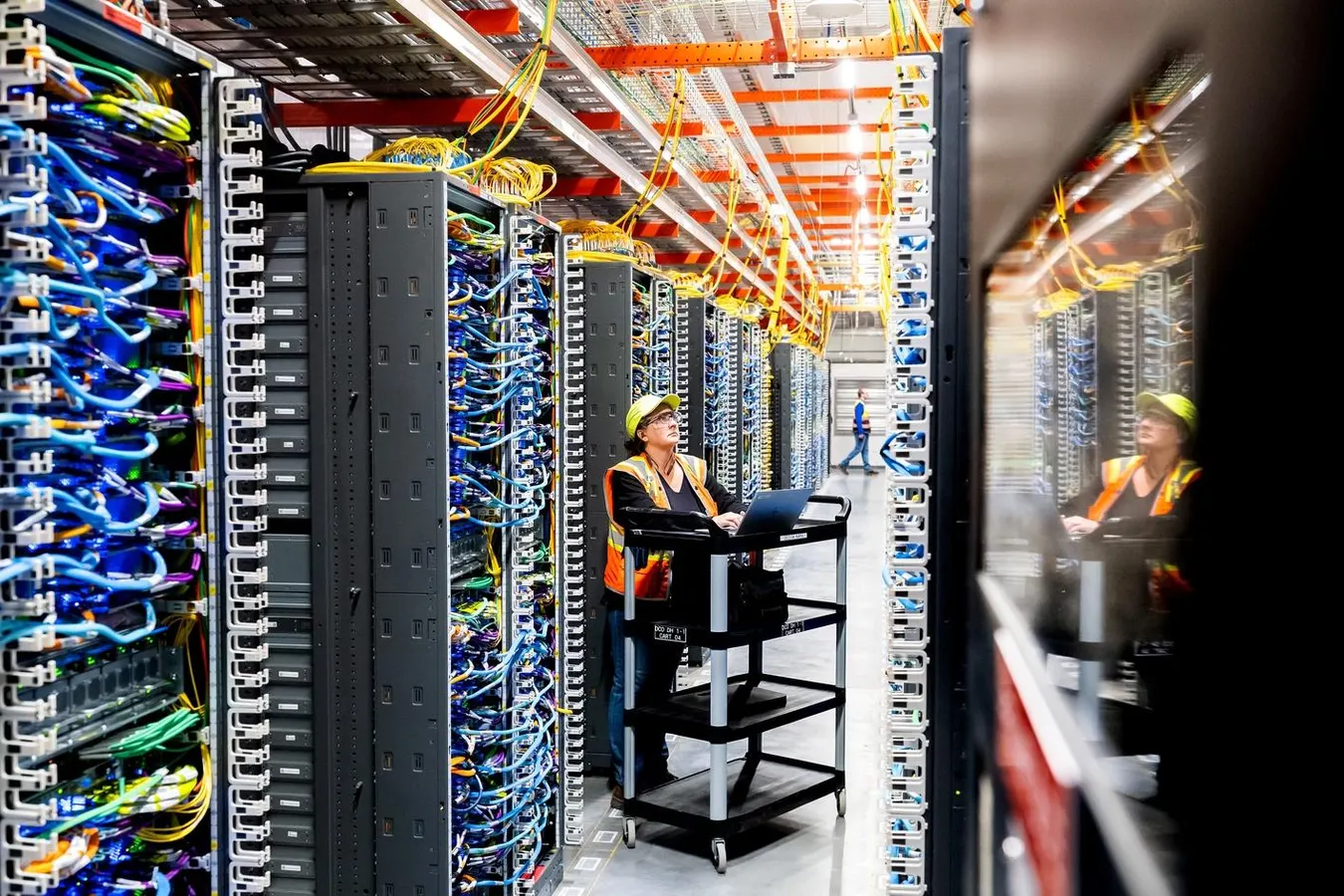
Artificial intelligence (AI) is transforming how organisations work but the “cloud” that supports it is not a cloud at all. It is a global network of physical data centres: concrete facilities packed with high-density servers, drawing on power grids, water systems and land. As generative AI moves from research labs into everyday consumer products, the demand on that infrastructure is growing in ways the public conversation has not yet caught up with.
In a study presented at the 2025 Americas Conference on Information Systems in Montreal, Canada, my co-authors Laura Watkowski (University of Bayreuth, Germany), Jenny Elo (University of Jyväskylä, Finland) and I set out to map what AI’s data-centre boom is doing to the societies hosting it. Drawing on interviews with industry experts and a structured review of media reporting, we identified five systemic tensions: the energy paradox, water strain, hyperscaler dominance, sovereignty erosion and urban displacement. They are interlocking and intensifying each other.
The cost of AI
The figures the paper documents are striking. Microsoft’s own sustainability reporting acknowledged that its greenhouse gas emissions rose roughly 30% from a 2020 baseline, driven largely by AI infrastructure, a notable departure from the climate pledges the major hyperscalers had set themselves before the generative AI cycle.