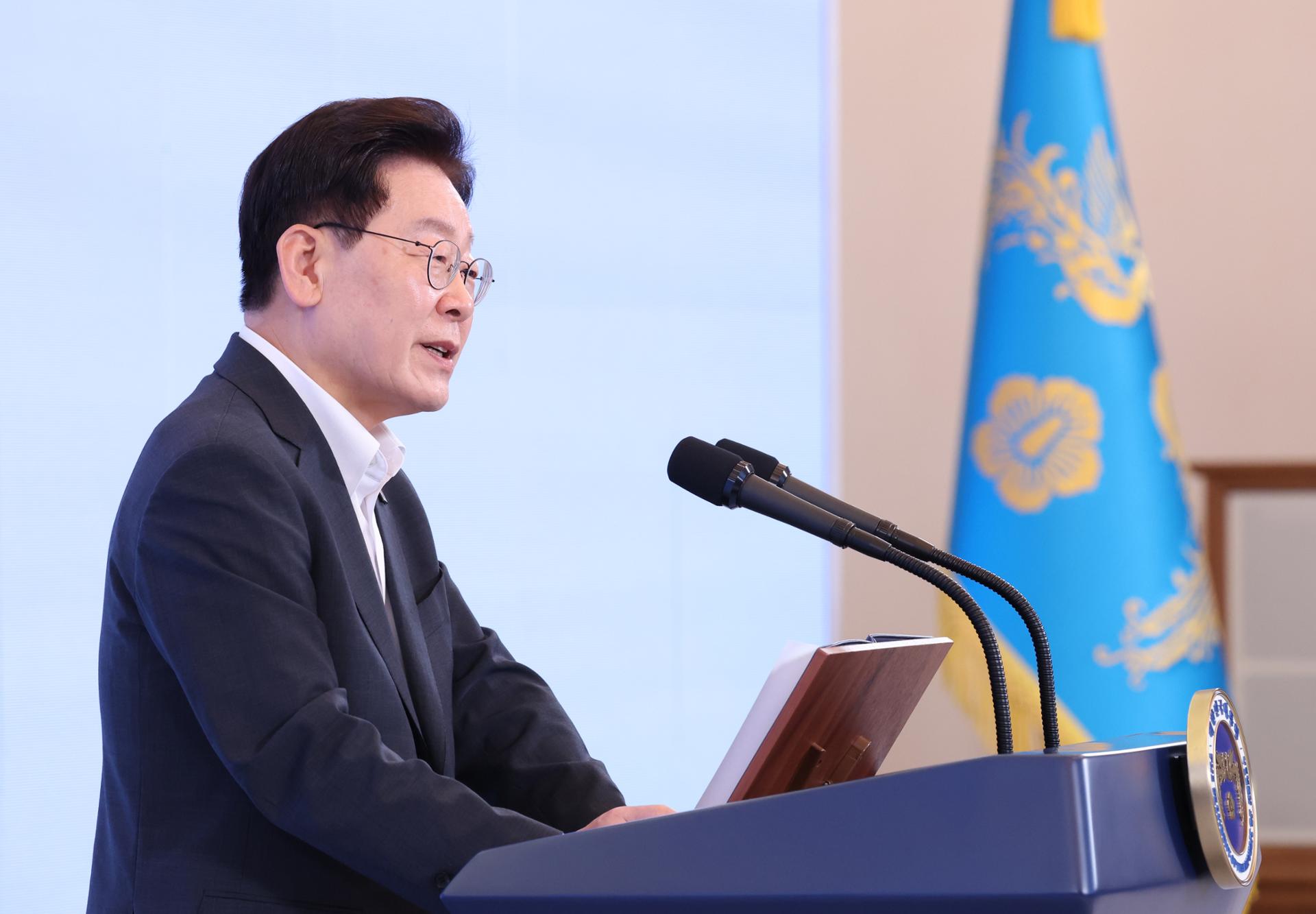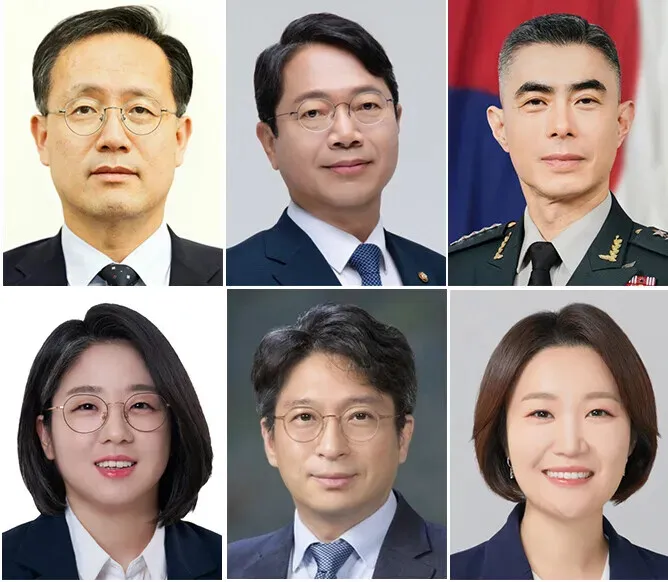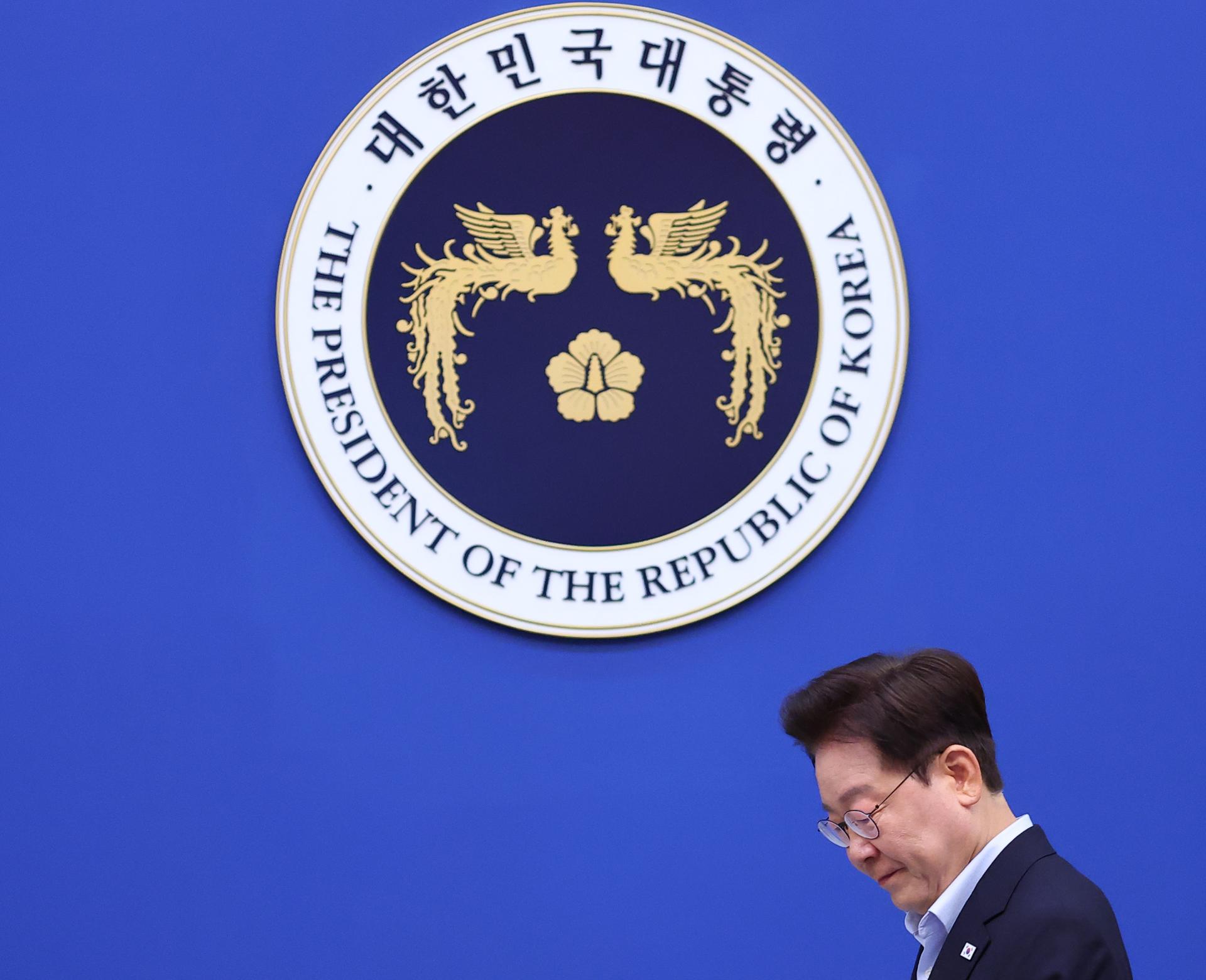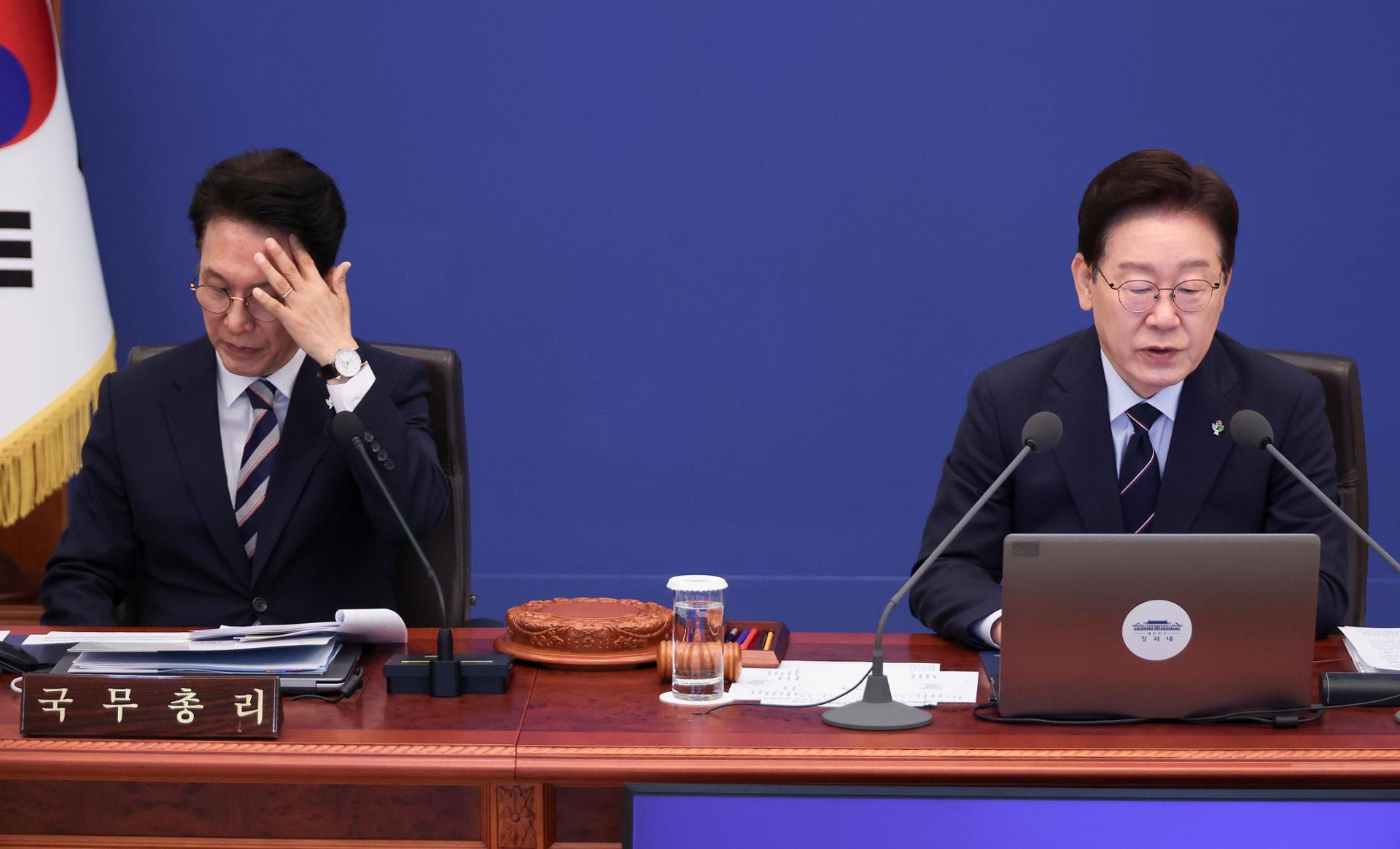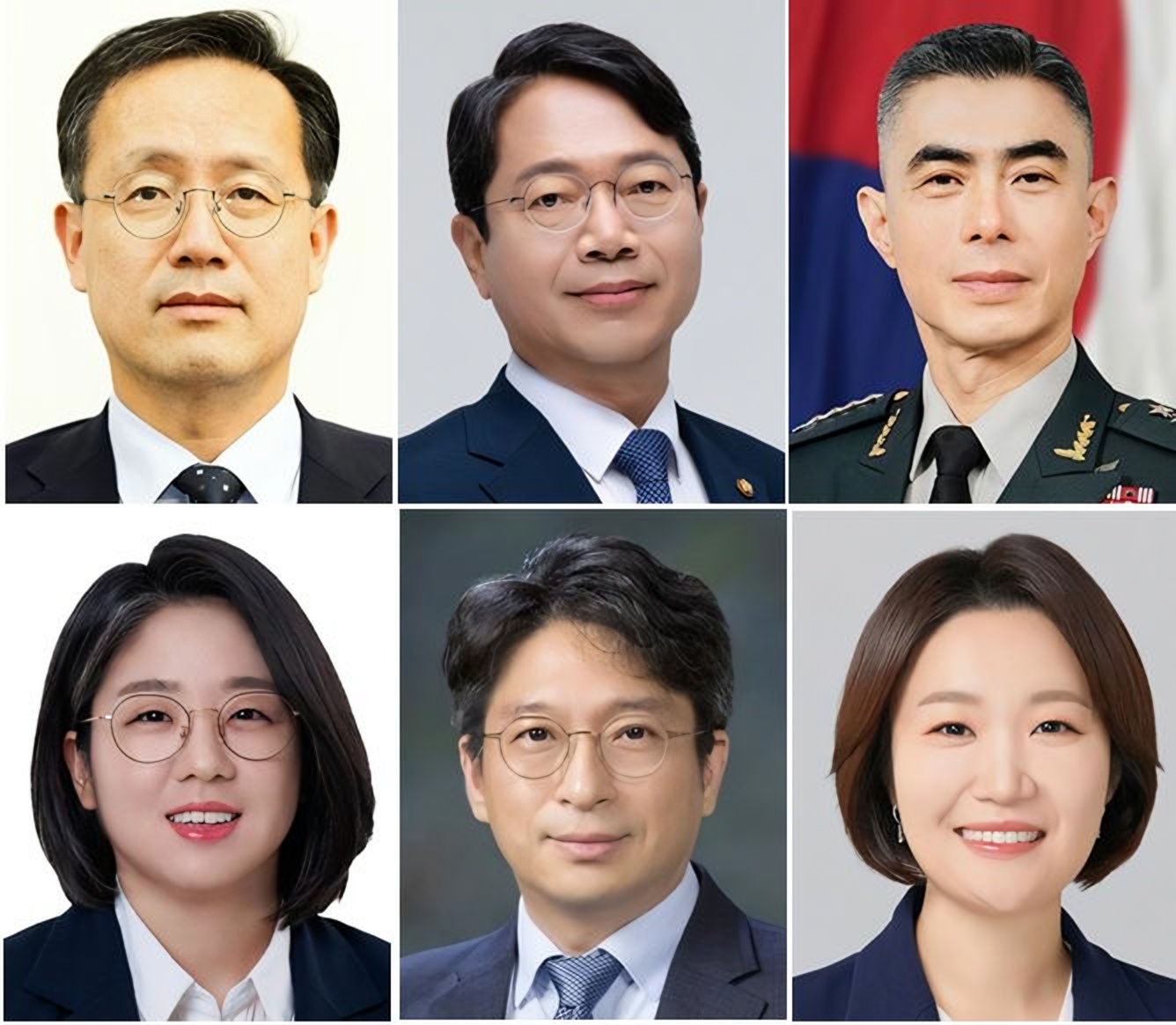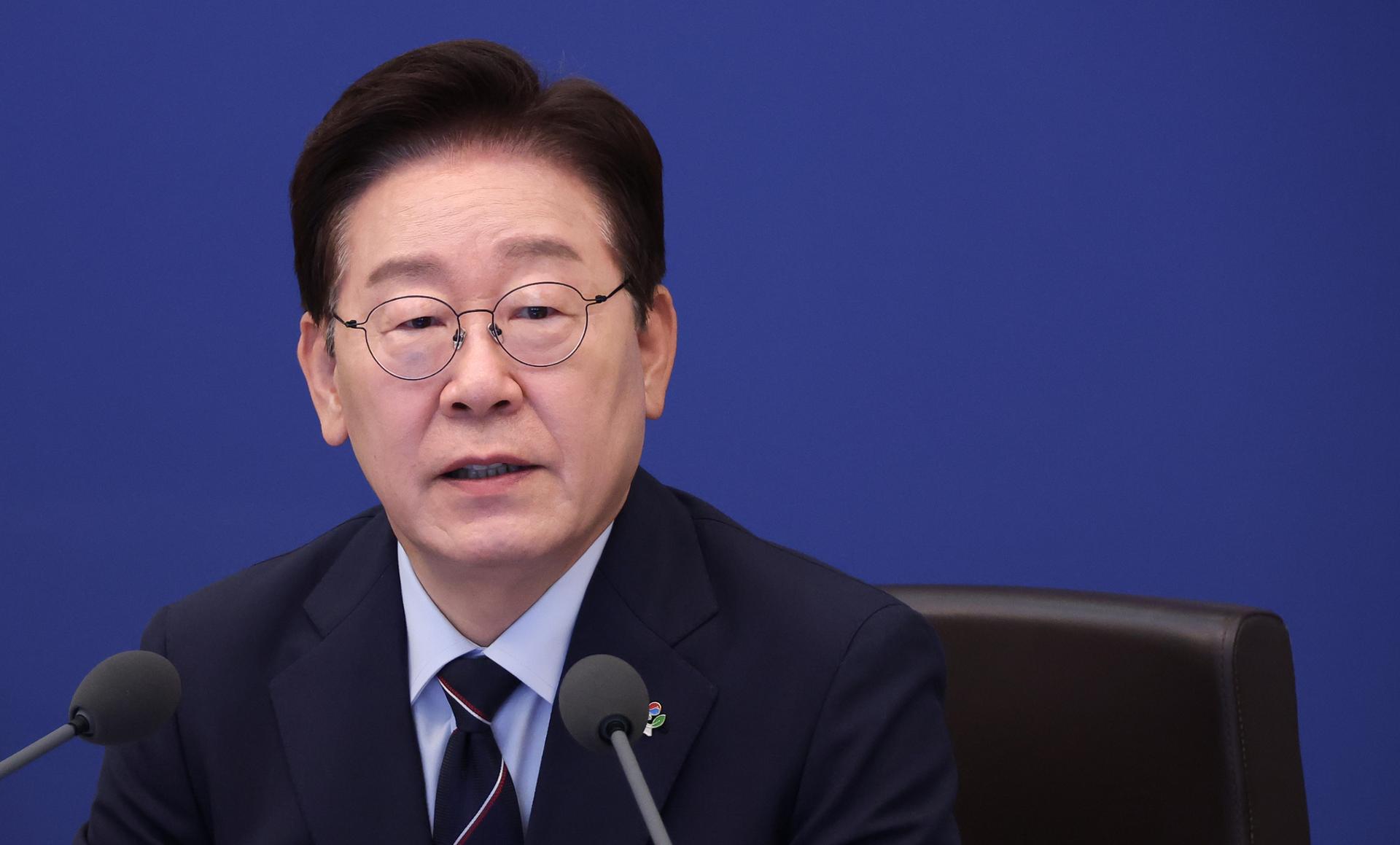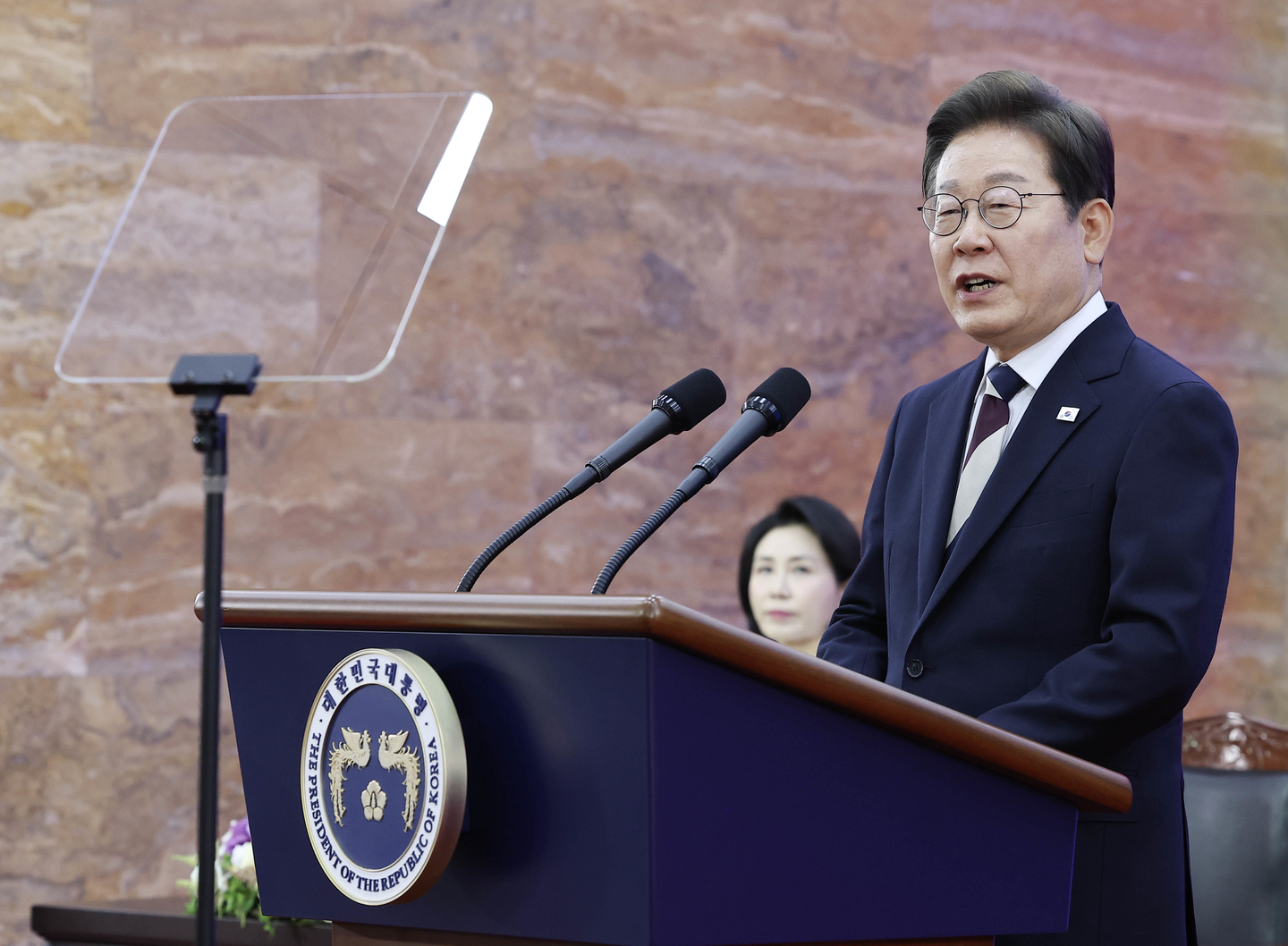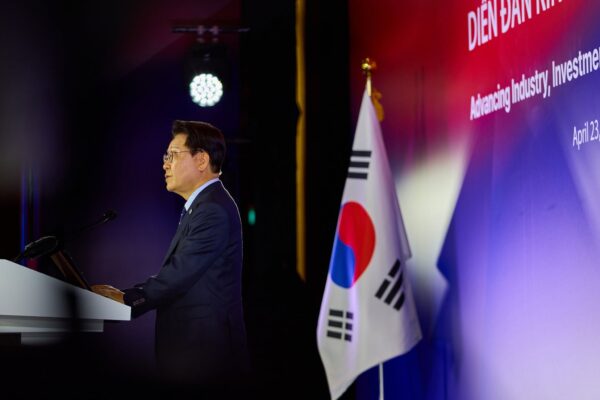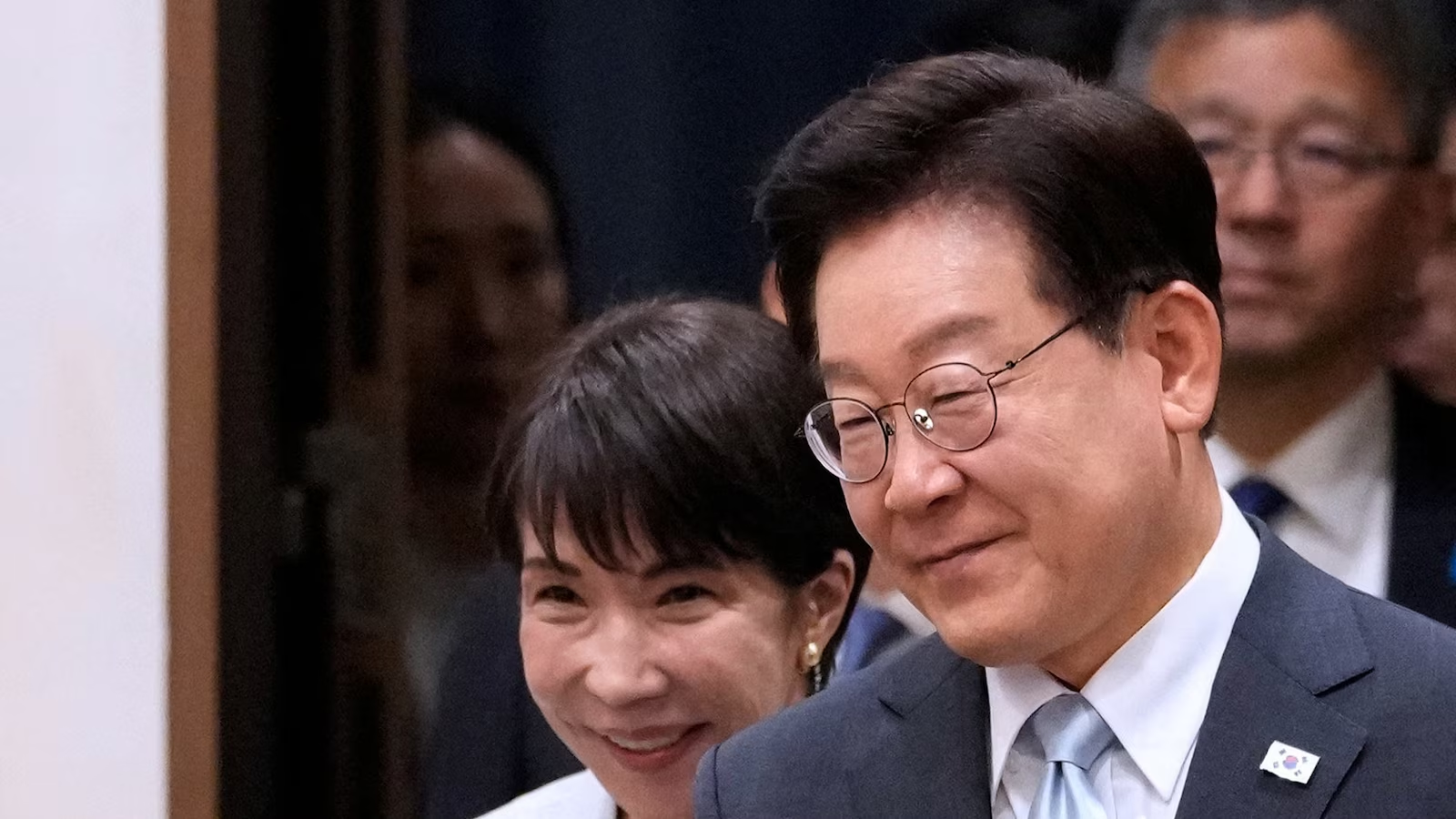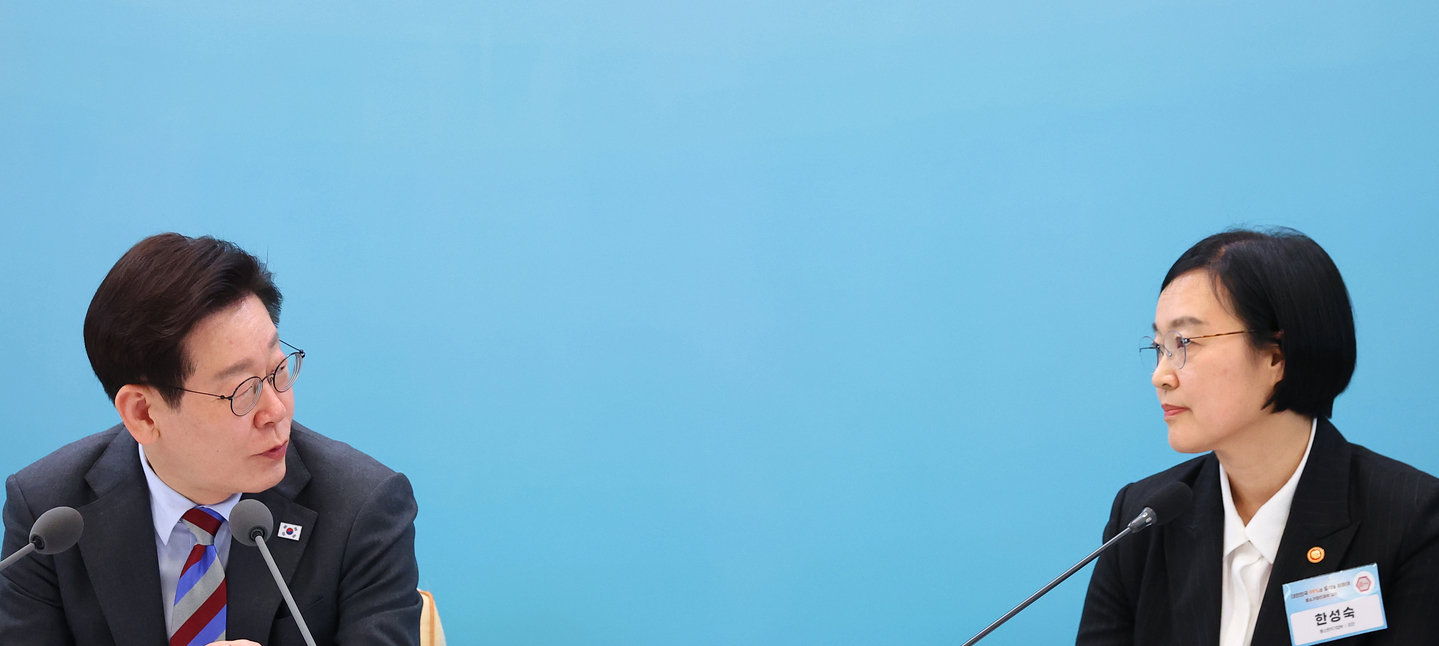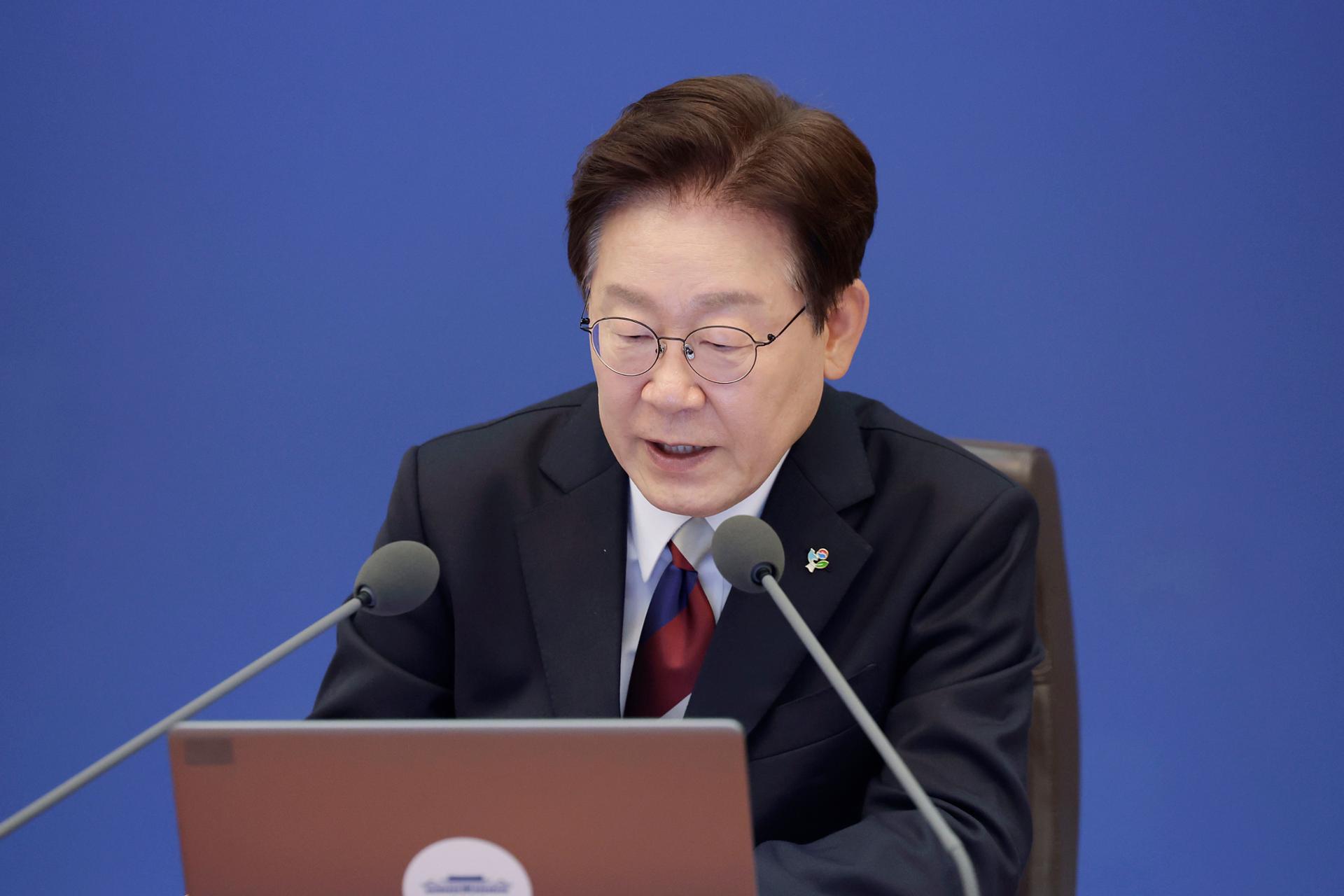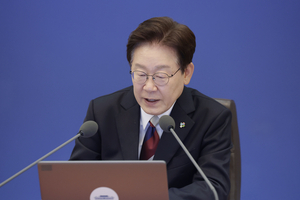
President Lee Jae Myung speaks during a meeting with his senior secretaries at the presidential office Cheong Wa Dae in Seoul on June 4. (Yonhap) South Korea's political landscape is entering a new phase after this week's local elections: President Lee Jae Myung is preparing a Cabinet reshuffle and both major parties are bracing for leadership battles.At the center of the transition is Lee's expected nomination of a new prime minister. The decision will likely serve both as the first major personnel move of his second year in office and as a signal of the direction he wants that year to take.Lee's is expected to nominate a new prime minister to replace incumbent Prime Minister Kim Min-seok on Sunday, a day before his second-anniversary news conference and ahead of a weeklong trip to Brussels, Rome, the Vatican and Evian.Kim is widely expected to step down to pursue a bid for the Democratic Party of Korea leadership at the party's national convention scheduled for August.Lee has narrowed the field to two leading contenders: presidential chief of staff Kang Hoon-sik and Justice Minister Jung Sung-ho, one of the president's closest political allies, according to government sources.Jung, a five-term lawmaker and a central figure in the pro-Lee faction, has maintained a political relationship with the president spanning nearly four decades. The two first met in 1987 while attending a study group at the Judicial Research and Training Institute.Known within Democratic Party circles as a senior member of the original pro-Lee "Group of Seven," Jung supported Lee's first presidential bid in 2017 when Lee was still considered a nonmainstream figure within the party. More recently, Jung served as chair of the party's talent recruitment committee and played a key role in helping secure Lee's victory in last year's presidential election.Since taking office as justice minister, Jung has overseen several of the Lee administration's flagship initiatives, including prosecutorial reform efforts.Kang, meanwhile, has emerged as one of Lee's most trusted aides since the administration took office. As presidential chief of staff, he has overseen day-to-day operations at the presidential office. He has also expanded his diplomatic and economic portfolio by serving as Lee's special envoy for strategic economic cooperation.The expected prime ministerial nomination could be accompanied by a broader Cabinet reshuffle, with several ministerial and senior presidential secretary posts likely to be affected.The presidential office is currently reviewing candidates for several key positions, including the vacant senior secretary for AI and future planning, after Ha Jung-woo stepped down to run in Wednesday’s National Assembly by-election.The timing of the shake-up coincides with a shift in South Korea's political landscape following Wednesday's local elections, which observers said produced no clear winner or loser for either the ruling Democratic Party of Korea or the main opposition People Power Party.Within the ruling Democratic Party, attention is already turning toward the leadership race ahead of the party convention.Incumbent Chair Rep. Jung Chung-rae is expected to seek another term, while Kim Min-seok is widely seen as a potential contender. Former party leader Song Young-gil, who won a local election in Incheon, is also viewed as a potential candidate, further complicating the party’s internal politics.The main opposition People Power Party is grappling with internal fallout after suffering a heavy defeat in the local elections, where it lost 12 of the country's 16 mayoral and gubernatorial races to the Democratic Party.Rep. Song Eon-seog stepped down as floor leader on Friday, 10 days before the end of his term, taking responsibility for the party's heavy defeat in the local elections."This election is a great victory for the wise people of our country," Song said. "In accordance with the will of the people, I believe our party also needs a new beginning," he added, announcing his resignation.Criticism of party leader Rep. Jang Dong-hyeok intensified, with members of the pro-Han Dong-hoon faction openly questioning his leadership. Han won a National Assembly seat in Busan in Wednesday's by-election after being expelled from the party in January.Rep. Park Jeong-hun, a pro-Han lawmaker, said that "everywhere Jang Dong-hyeok was involved, the party lost.""Jang is the grim reaper of elections," Park said Friday in a radio interview with major broadcaster SBS. "Under the current dynamics of the party, there is no realistic path for Chairman Jang to win the convention."Rep. Yoo Ui-dong, who won a by-election in Pyeongtaek, said Jang should first assess the election results himself, including whether they were satisfactory, where responsibility lies for any shortcomings, and what should be done to overcome them."That does not necessarily mean it should lead directly to a decision on his future," Yoo said Friday in his radio interview with MBC when asked whether Jang should consider stepping down from his position. "But if it ultimately does, there is no reason to avoid it."
Lee seeks second-year lift from post-election Cabinet reset
South Korea's political landscape is entering a new phase after this week's local elections: President Lee Jae Myung is preparing a Cabinet reshuffle and both m
792 words~4 min read