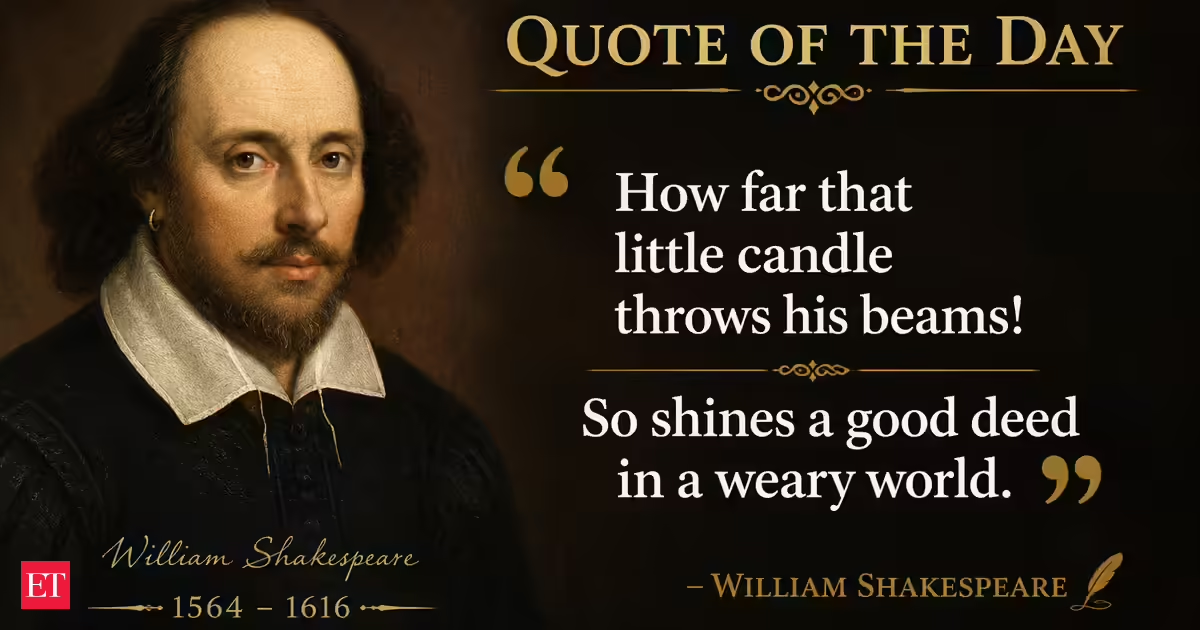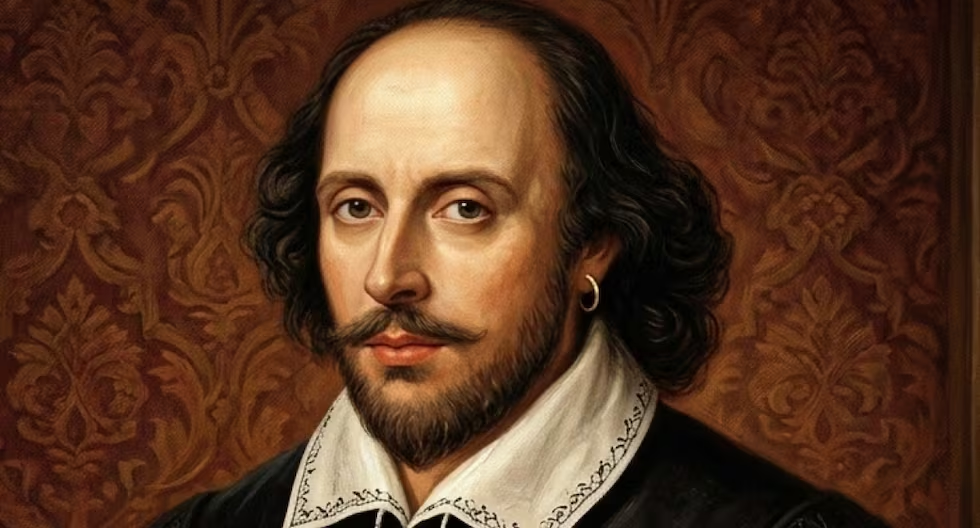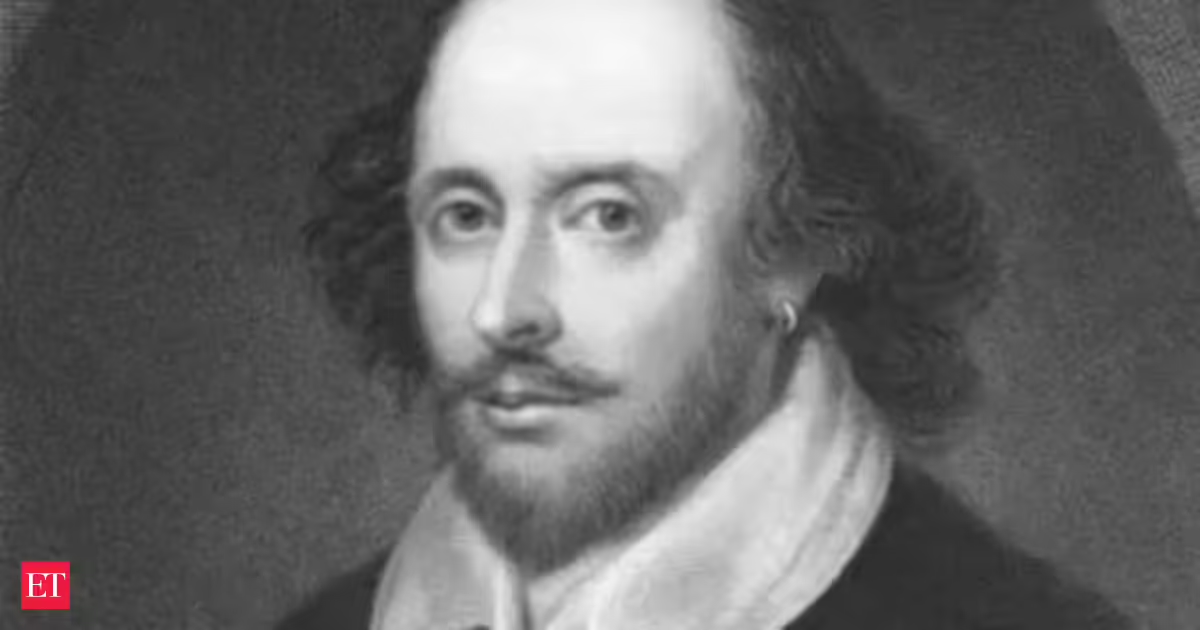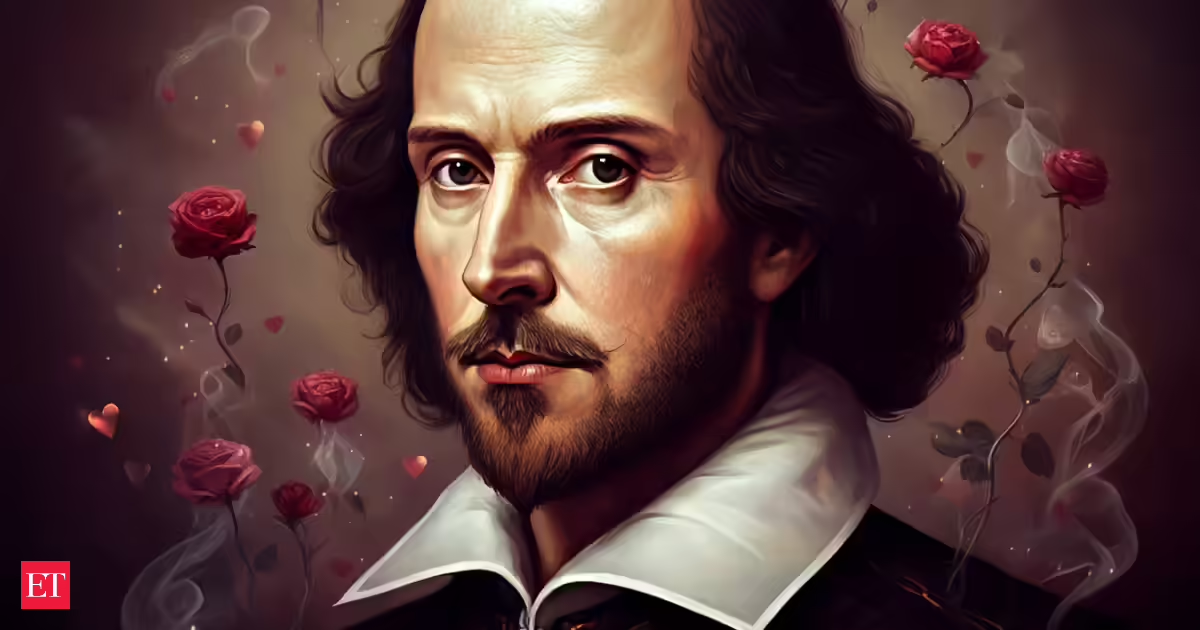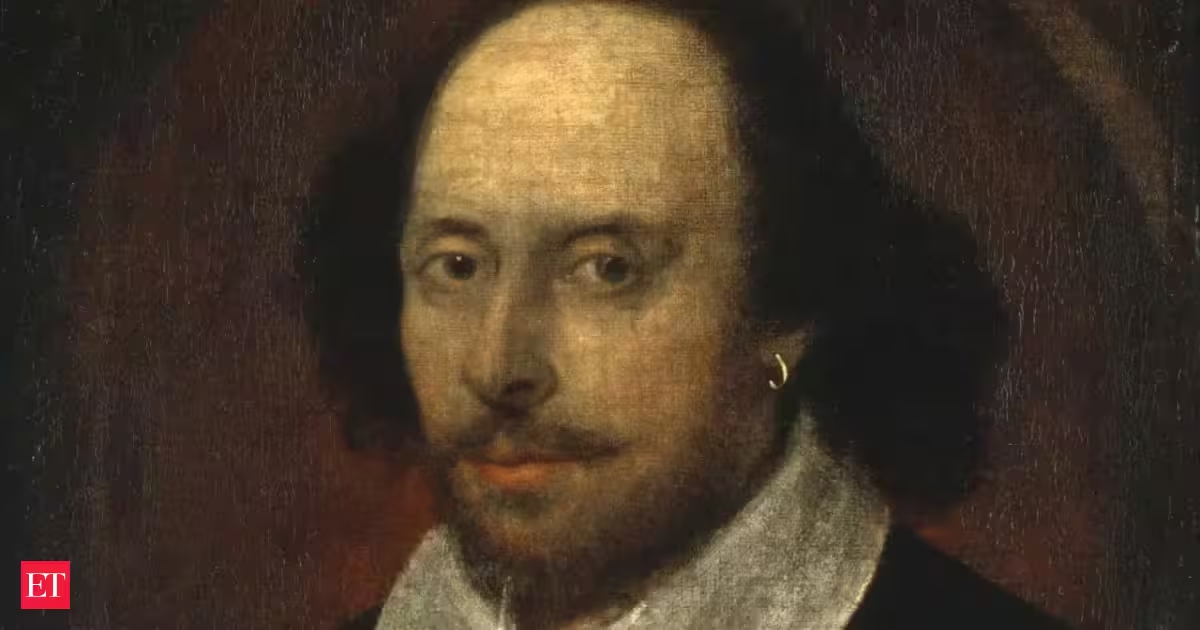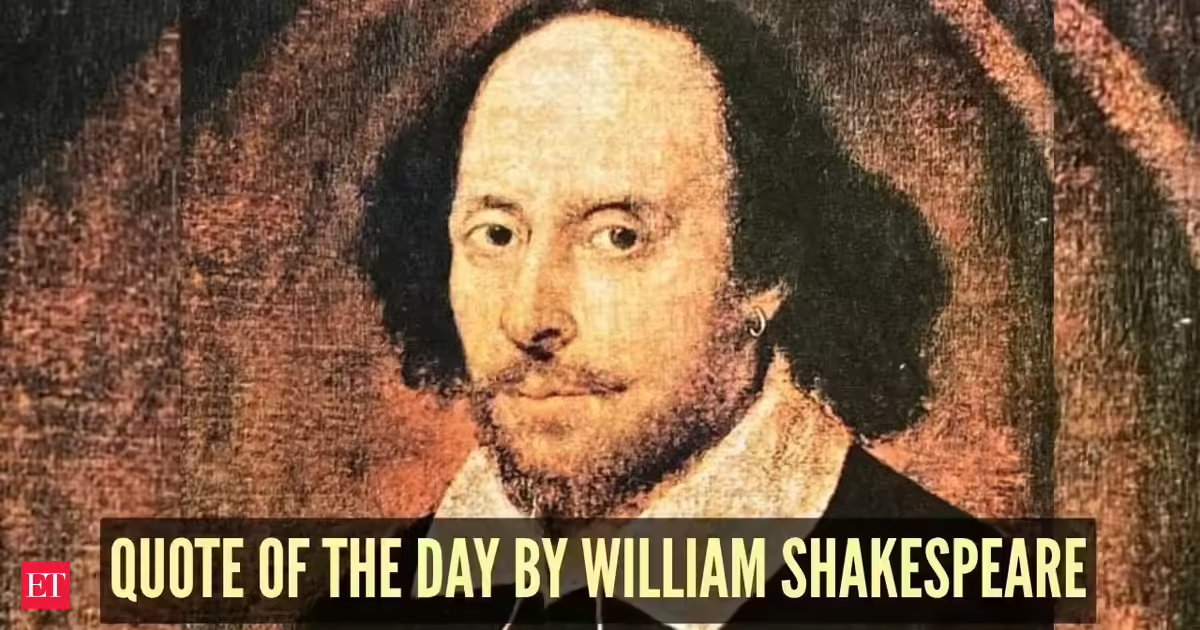
Quote of the Day: William Shakespeare was born in 1564. Often hailed as the Bard of Avon, he was an English playwright, poet, and actor whose works defined the Elizabethan era and continue to shape literature centuries later. Born in Stratford-upon-Avon, Shakespeare rose to prominence in London’s theater scene and became one of the most influential figures in world literature. Widely regarded as the greatest dramatist of all time, his works continue to shape storytelling and performance across the globe.Over his career, Shakespeare authored 39 plays, 154 sonnets, and numerous poems, exploring themes of love, betrayal, ambition, and the complexities of human nature. His masterpieces, Hamlet, Macbeth, Othello, and Romeo and Juliet, remain timeless, performed worldwide and studied for their profound insight into the human condition. His influence on the English language is unmatched, with countless phrases and expressions still in everyday use.Quote of the Day by William Shakespeare: "There is nothing either good or bad, but thinking makes it so"William Shakespeare Quote: Context, meaning and interpretation Among his many memorable lines, this quote appears in Hamlet, spoken by the troubled prince as he reflects on how perception shapes reality. Hamlet suggests that events themselves are neutral until the human mind assigns them meaning. The words underscore his struggle with grief, morality, and the burden of choice, while also offering a universal truth about human experience.The meaning of this statement lies in the power of perspective. What one person views as misfortune, another may see as opportunity. Shakespeare reminds us that our judgments and emotions are not dictated by circumstances themselves, but by how we interpret them.From this wisdom, several life lessons emerge. Perspective shapes reality, and challenges can be reframed as opportunities. We should avoid rigid labels, recognizing that situations are rarely purely “good” or “bad.” Resilience is cultivated by reframing adversity, turning hardship into growth. Ultimately, our minds govern our experiences—happiness and suffering often depend more on perception than on circumstance.
Quote of the Day by William Shakespeare: ‘There is nothing either good or bad, but thinking…’
William Shakespeare, the Bard of Avon, was a prolific English playwright and poet whose works profoundly shaped literature. His timeless masterpieces like Hamlet explore the complexities of human nature, with his famous quote highlighting how perception, not circumstance, defines our reality. This wisdom offers lessons on resilience and the power of perspective in navigating life's challenges.
323 words~1 min read