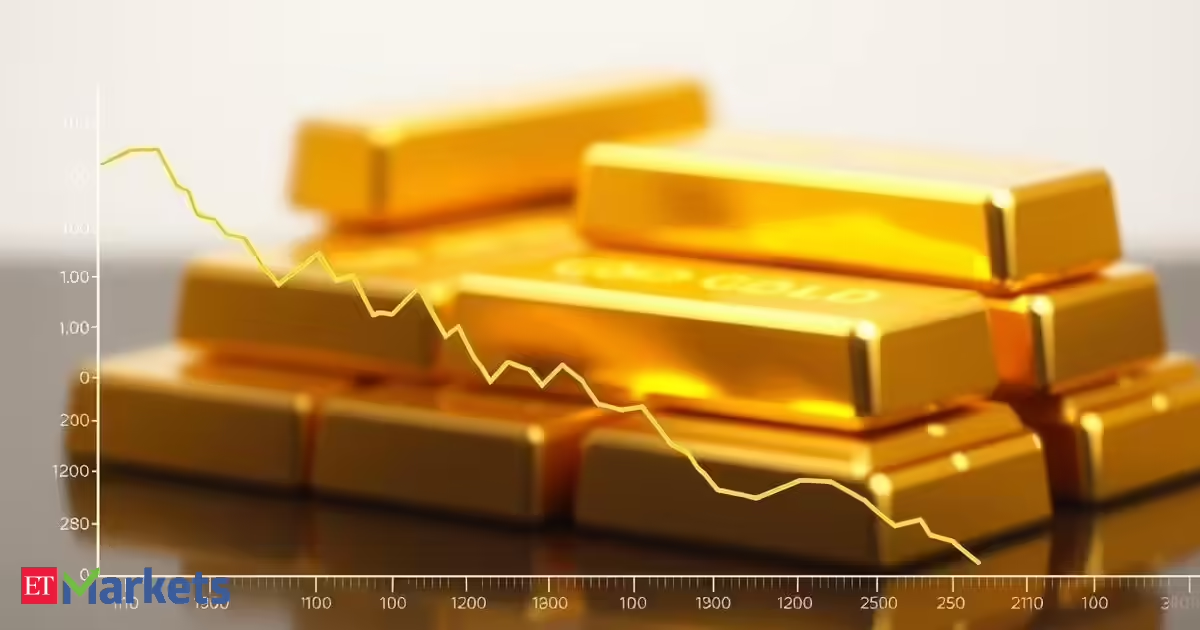
Gold futures for August delivery settled at $4,505 per ounce on June 4, rising more than 1% in a single session. The catalyst: a ceasefire agreement between Israel and Lebanon announced late on June 3, which injected a dose of optimism into markets that had been bracing for further escalation across the Middle East.
The ceasefire didn’t just move gold. It pulled the rug out from under oil prices, which fell more than 3%, and sent the US dollar sliding.
What happened and why gold moved
The ceasefire also fueled optimism around a potential resolution to the broader US-Iran conflict. Discussions reportedly touched on the reopening of the Strait of Hormuz, the narrow waterway through which roughly a fifth of the world’s oil supply passes.
Gold is priced in dollars. When the greenback drops, gold becomes cheaper for holders of other currencies, mechanically boosting demand. On June 4, the dollar’s decline was significant enough to more than offset the reduced safe-haven bid, pushing gold comfortably above the $4,500 mark.