June 5, 2026
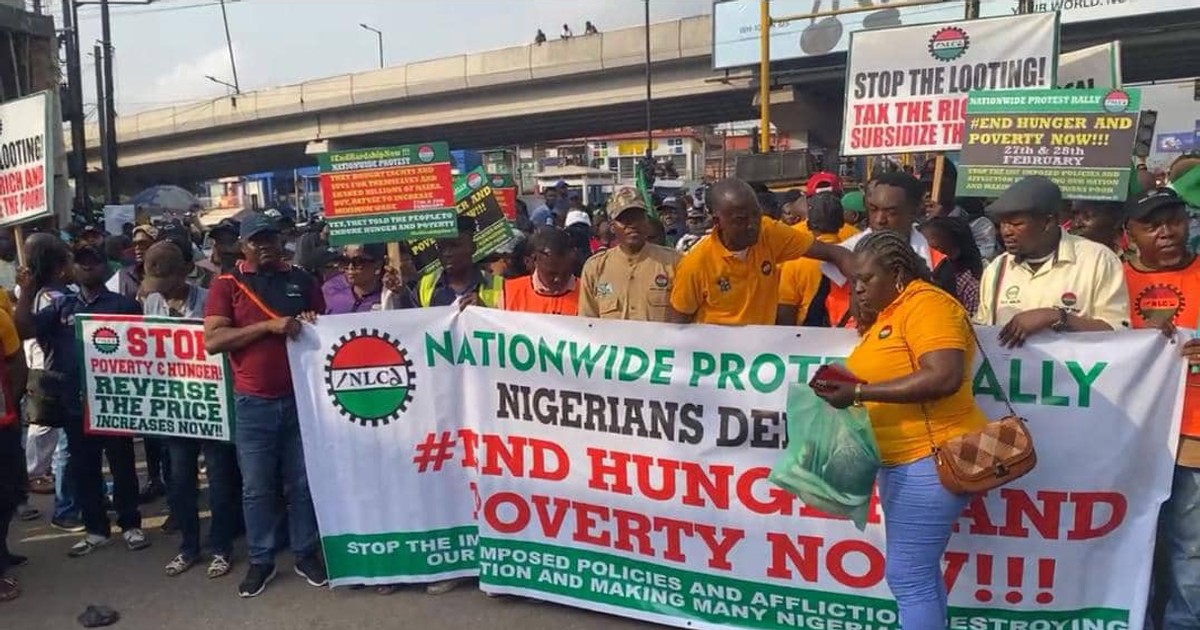
Recently, another International Workers’ Day (IWD) was concluded with the customary fanfare of vibrant marches, impassioned speeches and recycled pledges to prioritise labour welfare. Yet, for the Nigerian workforce, the gap between political rhetoric and socio-economic reality has never been wider.
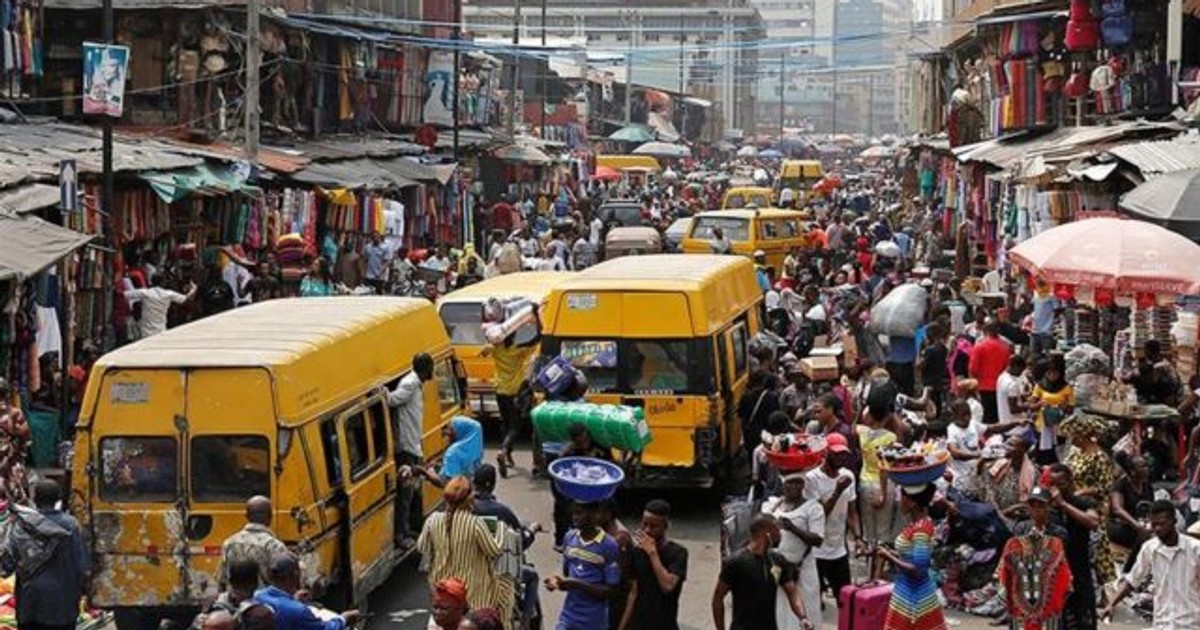
With inflation relentlessly eroding the naira’s value and the cost of living reaching unprecedented heights, the demand by organised labour for a new minimum wage—with figures as high as N225,000 being proposed—speaks to acute economic distress. The fundamental crisis is a profound decoupling of wages from prices. As food inflation remains stubbornly high and the removal of subsidies continues to send shockwaves through transportation and energy costs, the average worker’s income has transitioned from merely insufficient to effectively nominal. Purchasing power has been decimated, trapping even the fully employed in a cycle of working poverty where income no longer covers the most basic essentials.
The government’s cautious response is fiscally understandable but socially precarious. While concerns regarding the fiscal burden on state governments and the potential for a wage-price spiral are valid, they must not serve as a convenient excuse for inaction. However, one must acknowledge that Nigeria’s cost-of-living crisis is both a wage problem and a structural failure. Persistent exchange rate instability continues to drive up the cost of imports, while chronic energy challenges inflate the cost of every good produced domestically. Furthermore, insecurity in agricultural regions disrupts the food supply chain, and logistical inefficiencies compound price pressures at the market level. Without addressing these underlying fractures, even a significantly higher minimum wage risks being instantly neutralised by a fresh wave of price hikes and further inflation.