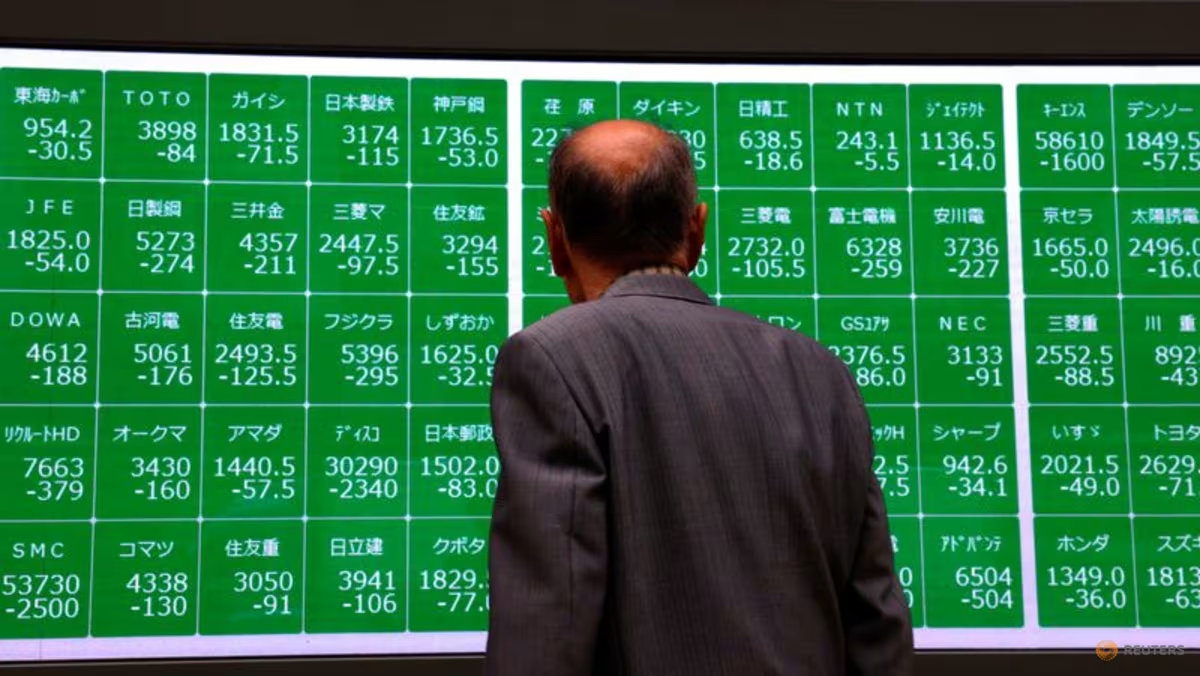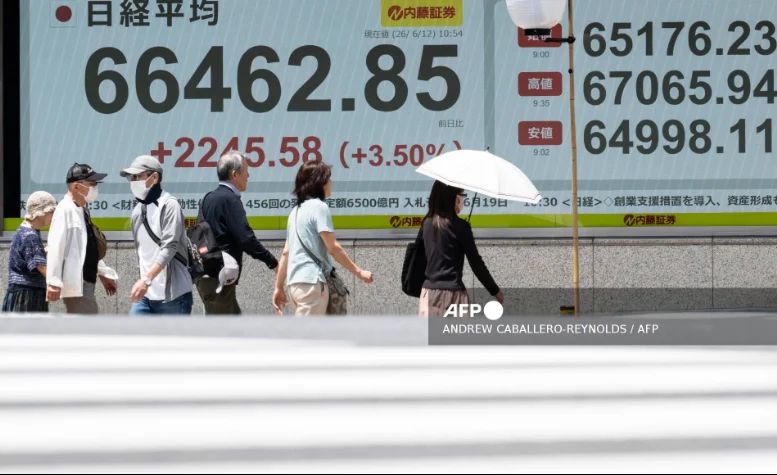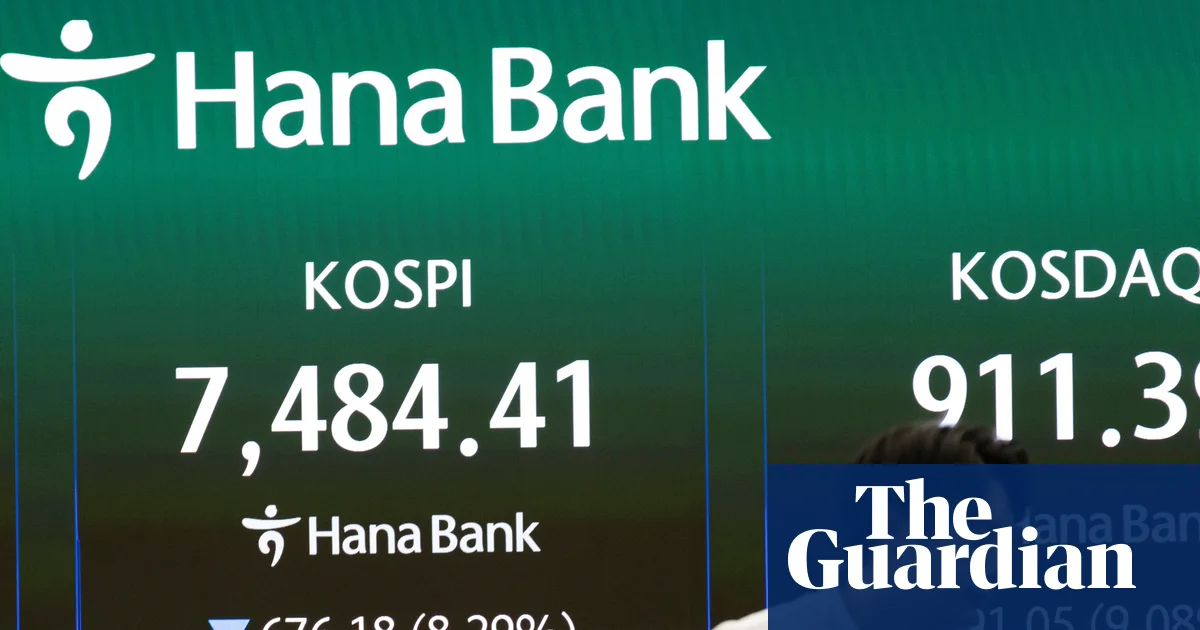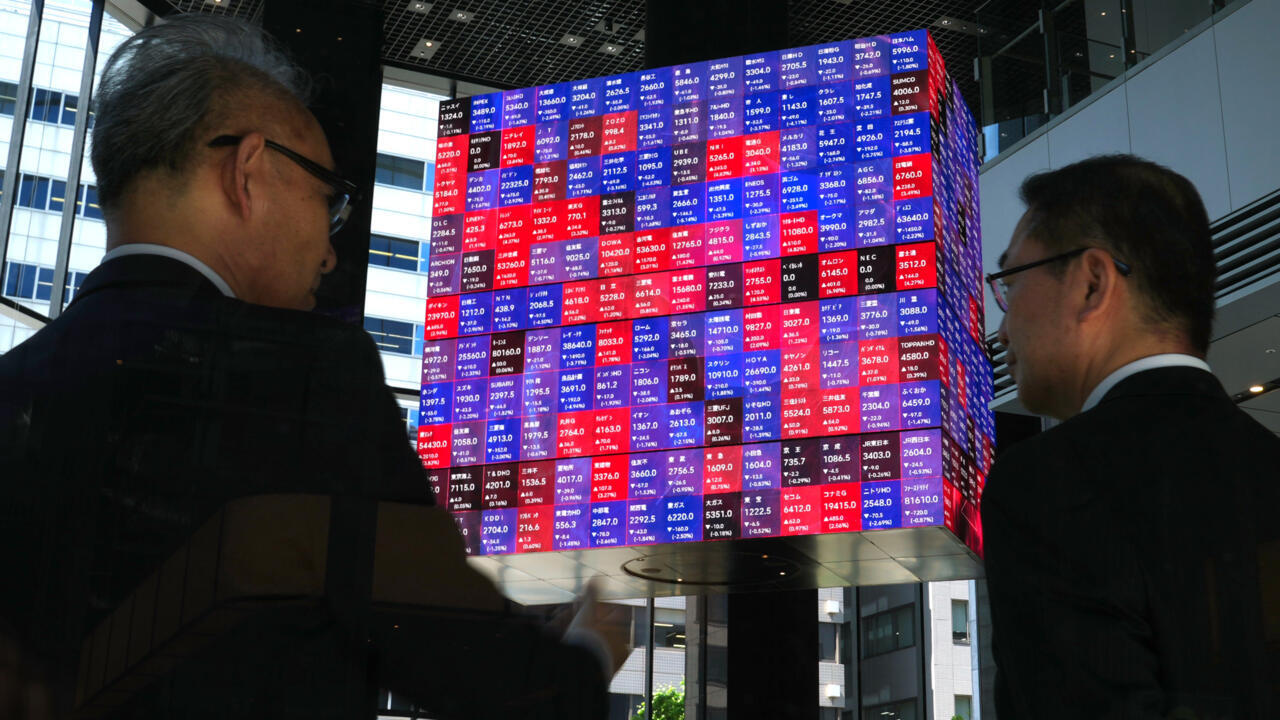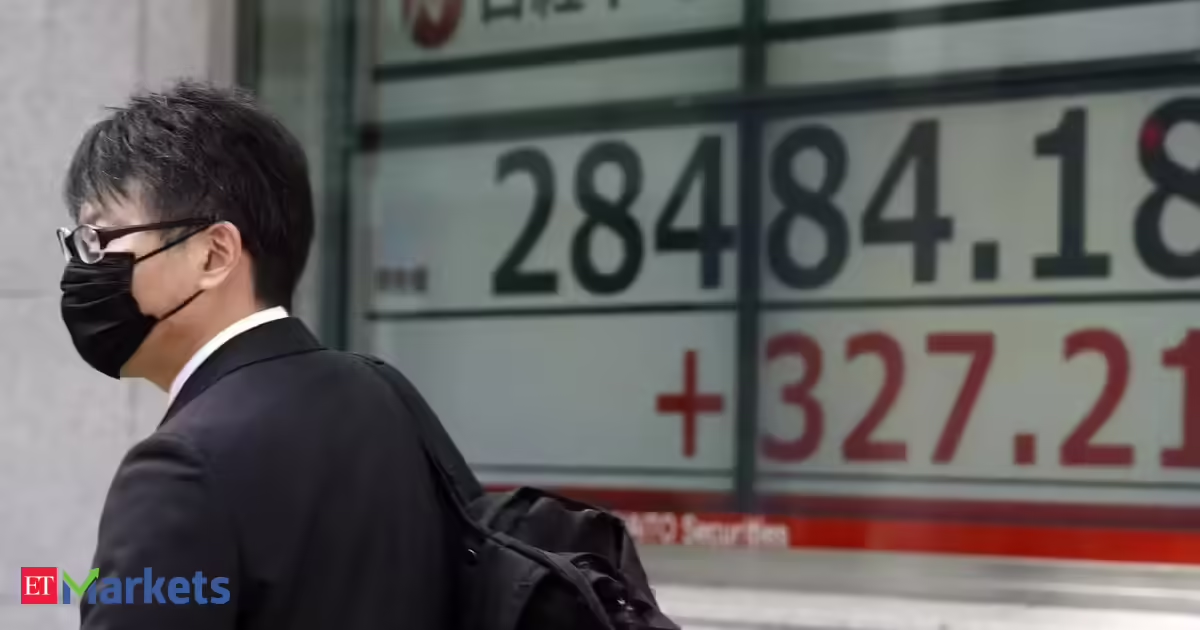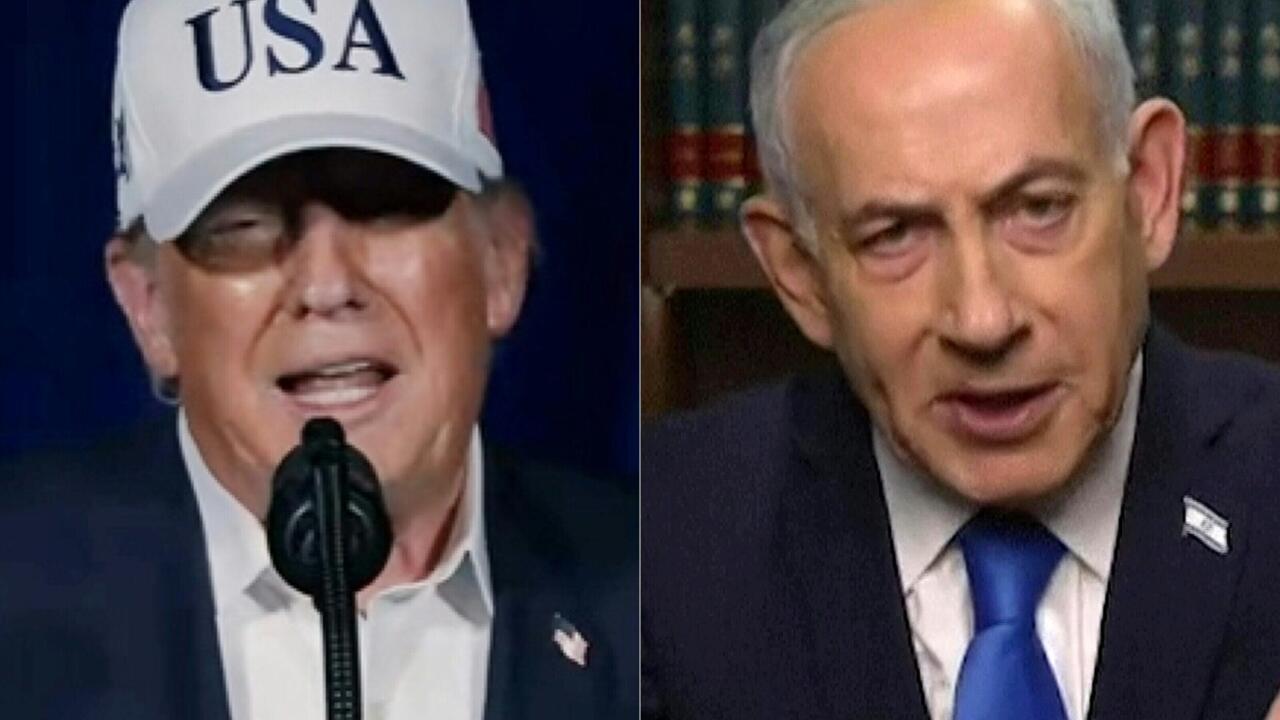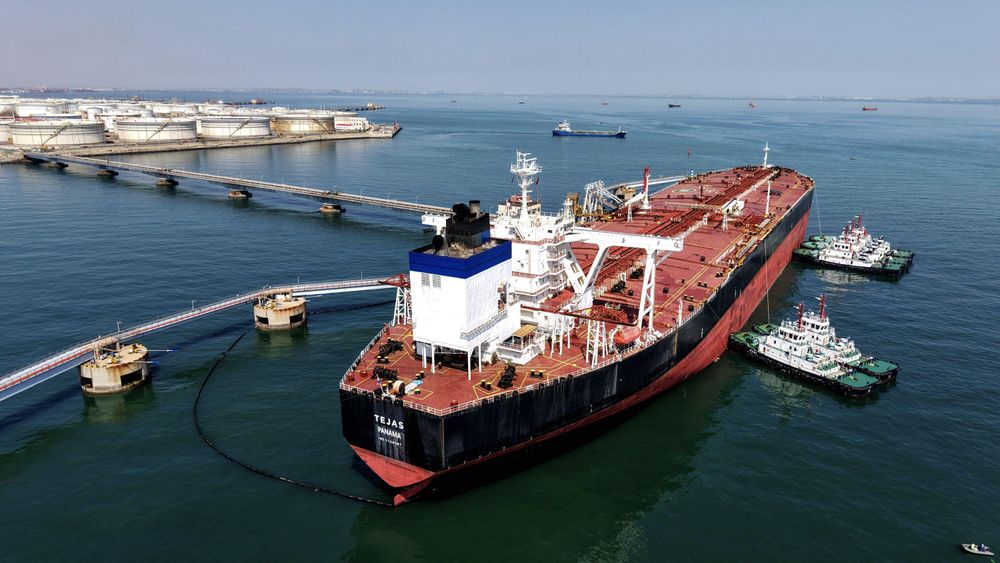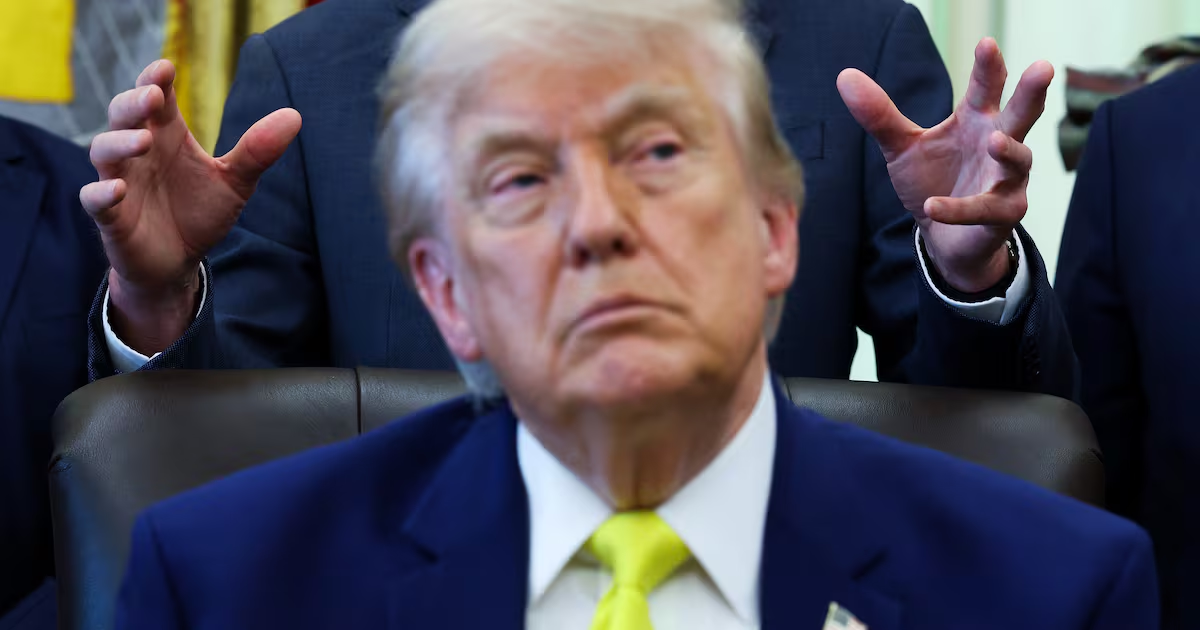
Asian share markets tumbled on Friday as investors took profits on technology stocks and turned defensive ahead of the weekend, wary of the flare-up in Middle East hostilities with US-Iran peace talks in limbo. The Iran-backed Hezbollah militia rejected a new ceasefire in Lebanon on Thursday and Israel said it would not withdraw troops from the country, undermining US president Donald Trump’s efforts to halt fighting there and reach a peace deal with Tehran.Meanwhile, an AI-driven selloff after chipmaker Broadcom reported underwhelming results on Wednesday continued into a second day. All that left MSCI’s broadest index of Asia-Pacific shares outside Japan down 1.8 per cent in Asian trade. South Korea’s tech-heavy Kospi plunged as much as 7 per cent and Japan’s Nikkei fell 1.6 per cent.“(It) seems like quite a risk-off today,” said Charu Chanana, chief investment strategist at Saxo. “Korea has been one of the biggest beneficiaries of the AI memory super cycle, so when Broadcom disappointed on AI expectations, investors quickly de-risked the whole semiconductor chain,” she said.“The issue is not that AI demand has disappeared – it is that expectations had become extremely high, and even good numbers are no longer enough unless guidance keeps moving higher.” Nasdaq futures fell 1.1 per cent and S&P 500 futures eased 0.6 per cent, after a mixed session on Wall Street overnight. Euro Stoxx 50 futures slipped 0.1 per cent, while Dax futures lost 0.4 per cent and FTSE futures were flat.Cryptocurrencies extended recent declines, with bitcoin shedding 1.4 per cent to $62,725.54 and heading for a weekly decline of 15 per cent, its biggest since the week FTX collapsed in November 2022, while ether was down 2.3 per cent at $1,732.09.Oil prices were little changed on Friday as traders awaited more clarity on US-Iran negotiations, though were set for a weekly gain as hostilities earlier in the week raised concerns of a prolonged energy shock. Brent crude futures rose 0.4 per cent to $95.38 a barrel and are on track to rise more than 3.5 per cent for the week, while US crude edged up 0.1 per cent to $93.12 per barrel, and was similarly set to advance more than 6.5 per cent this week. Kristian Kerr, head of macro strategy at LPL Financial, said markets were underestimating the complexities involved in restoring shipping through the Strait of Hormuz to pre-war levels, even if Washington and Tehran reach a memorandum of understanding.“Any early increase in barrels is likely to come from already produced crude, including crude sitting on stranded or floating vessels and Iranian cargoes in storage, rather than a sustained restart in production or exports,” he said.“In other words, this is more about clearing existing bottlenecks than reflating the supply base.”In currencies, the dollar was on track for a 0.5 per cent weekly rise supported by the Middle East conflict. The yen languished near the 160 per dollar level and was last 0.1 per cent stronger at 159.95, as Japanese officials ramped up warnings on the ailing currency, keeping traders on alert for further intervention from Tokyo. Data on Friday showed Japan’s foreign reserves fell by $77 billion in May. In other currencies, the euro last bought $1.1614, while sterling was little changed at $1.34265.Focus now turns to the closely watched US nonfarm payrolls data due later in the day.Market forecasts are for a solid rise of 85,000 in employment, keeping the jobless rate steady at 4.3 per cent. Anything stronger would likely see the odds of a Federal Reserve rate hike narrow further. Elsewhere, spot gold was down 0.8 per cent at $4,439.91. – Reuters
Markets tumble as AI rally pauses and US-Iran peace talks stall
Oil prices little changed on Friday as traders await more clarity on peace talks
598 words~3 min read