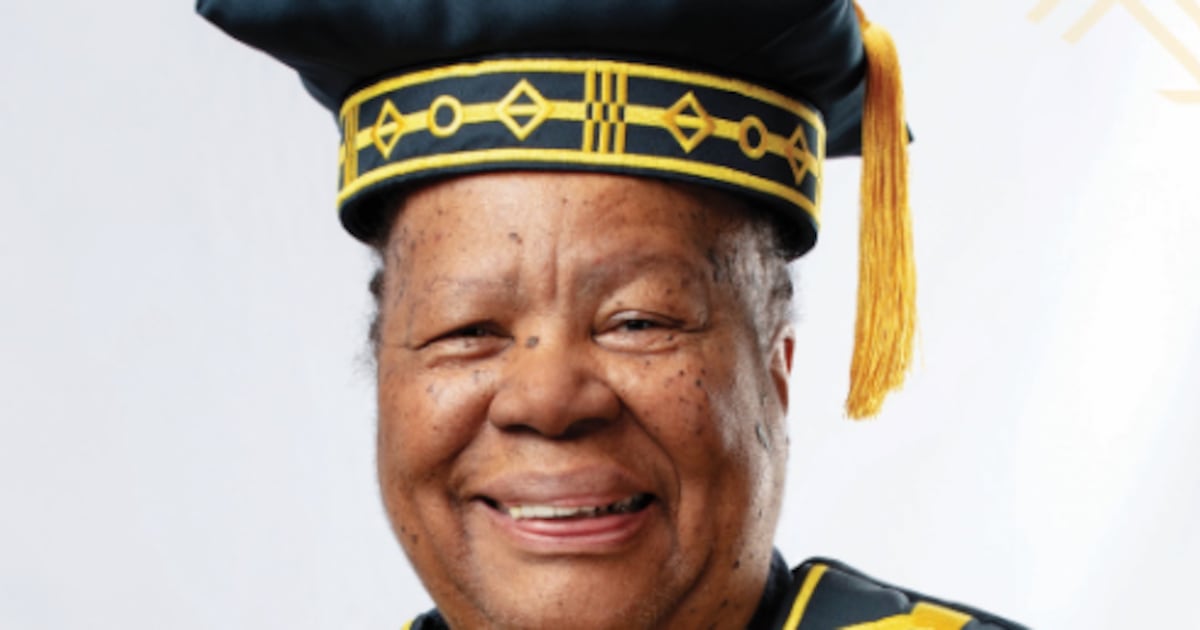
Dr Sheetal Bhoola is a lecturer and researcher at the University of Zululand, and director at StellarMaths (Sunningdale)
South African universities over the last two decades have revealed job and student precarity in various ways, emphasising structural inequalities through systemic contradictions.
Universities such as Stellenbosch, Wits and the University of KwaZulu-Natal (UKZN) have positioned themselves as globally competitive and are respected for their research initiatives and the hubs of innovation and development that they have created.
Yet, parallel to this lies a stark reality of structural inequality and the lived realities of students, which are often detrimental to psychological and mental well-being, nutritional health and academic performance. There is an obvious disjuncture between the way South African universities are portrayed and the lived realities of the student and staff experience.
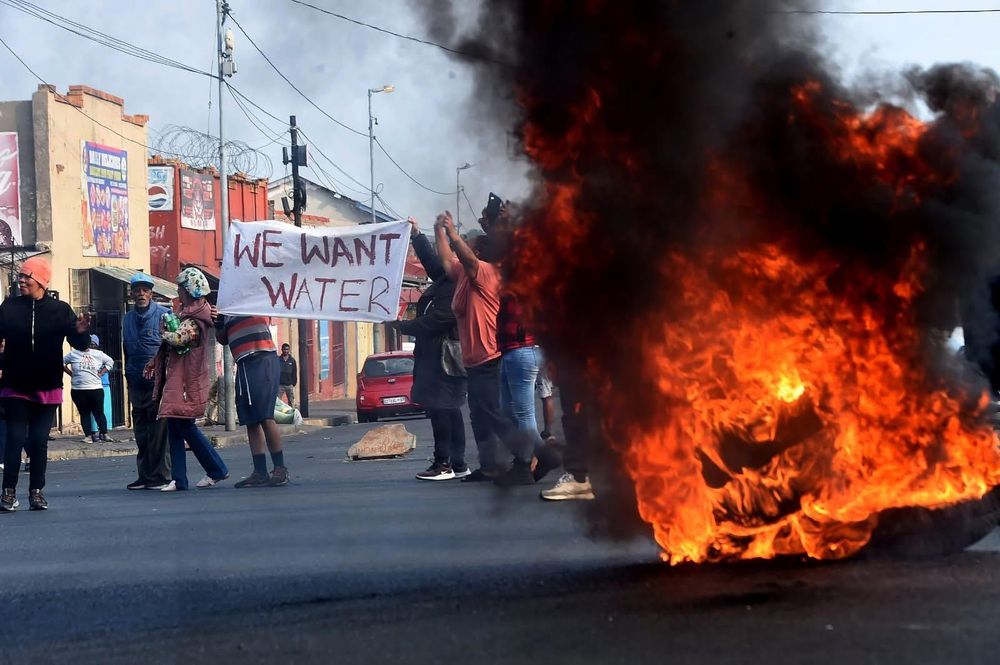
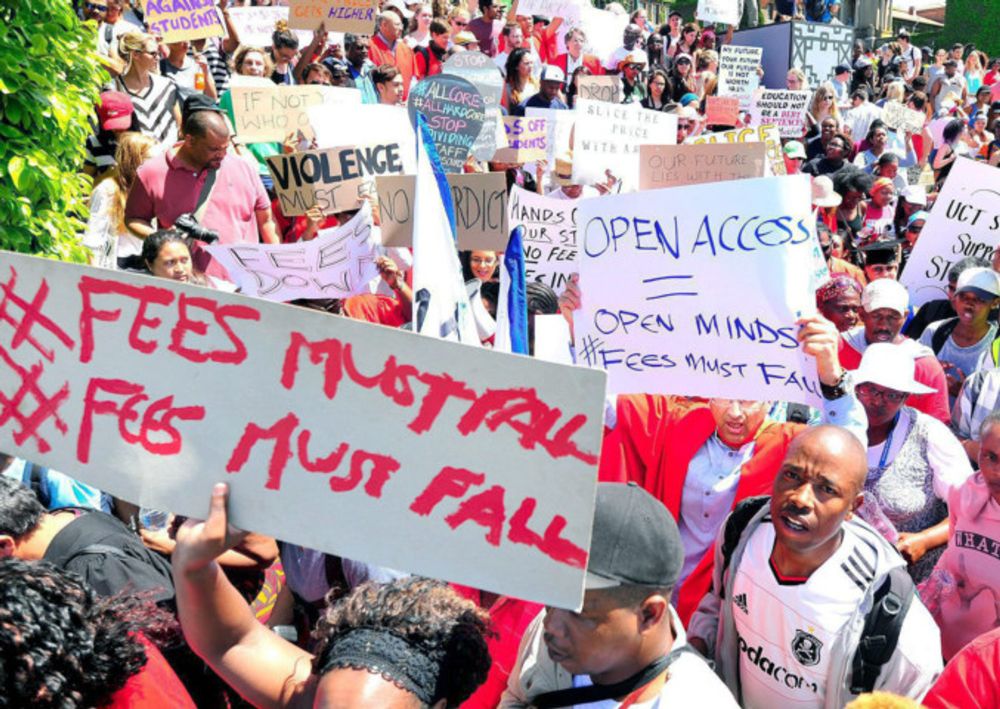
At the onset of the 2026 academic year, it was reported that six universities experienced student protests, which were violent and driven by student exclusions and demands for NSFAS remittances. At Nelson Mandela University, protesters burnt tyres to block university entrances, and violent confrontations between police and protesters resulted in many students being injured.