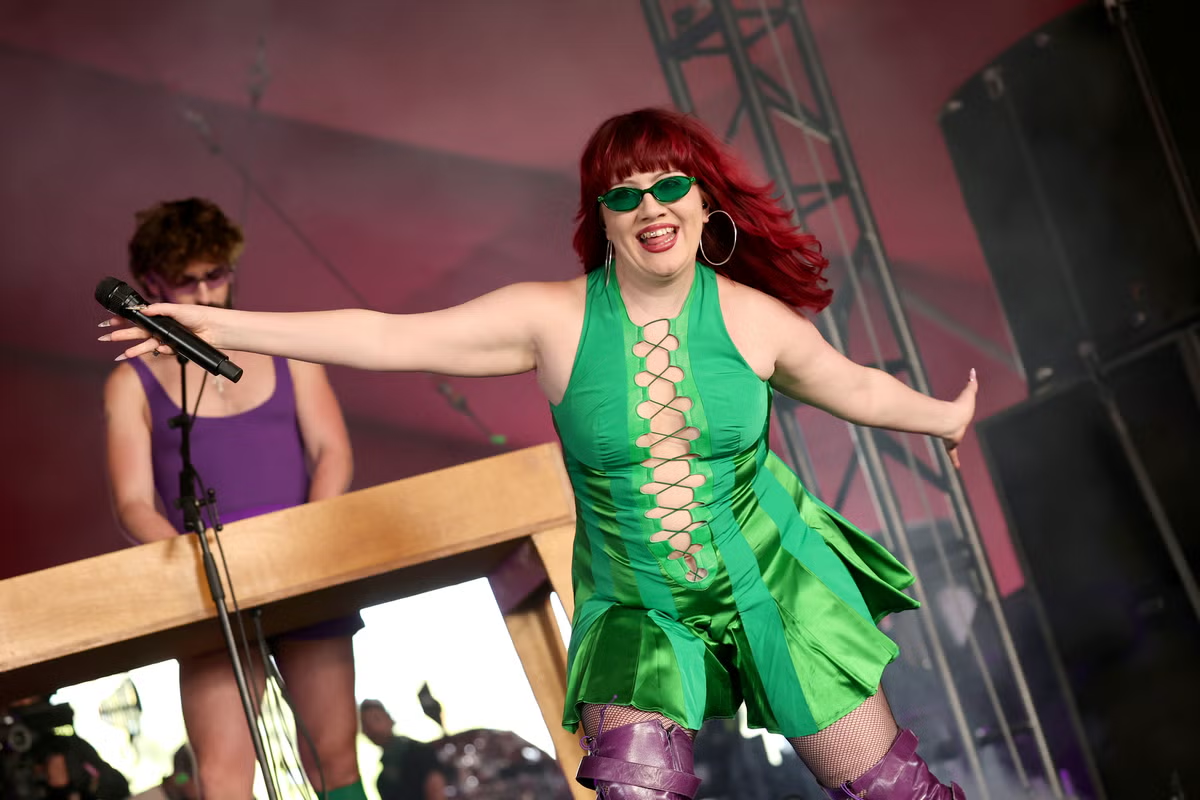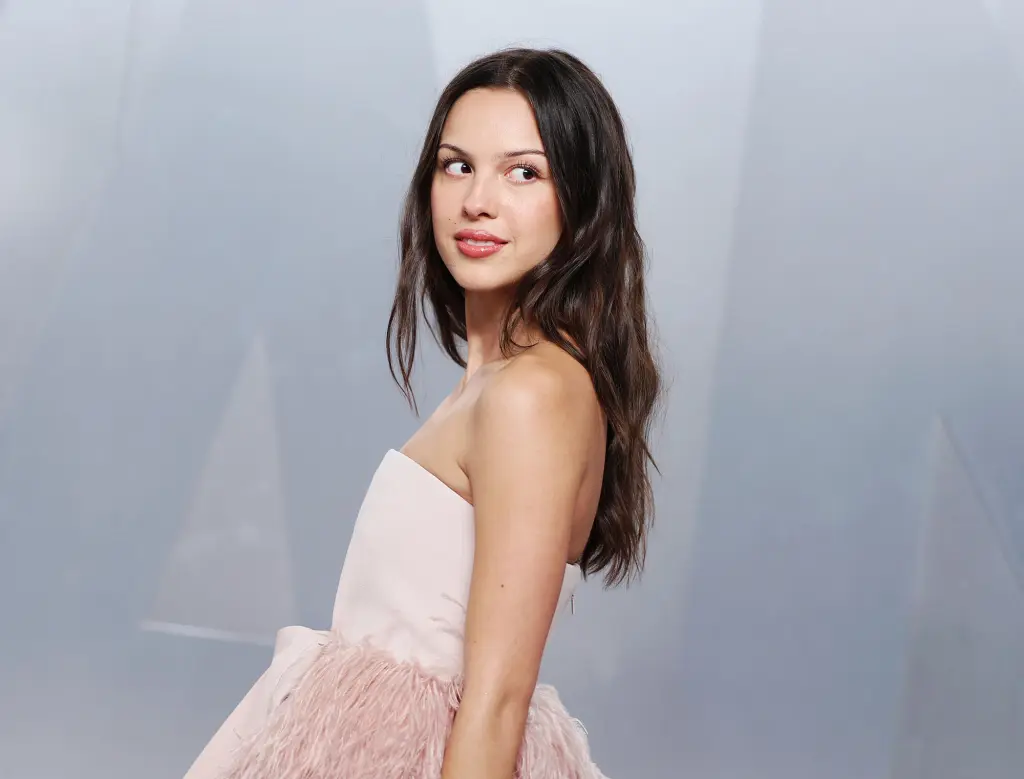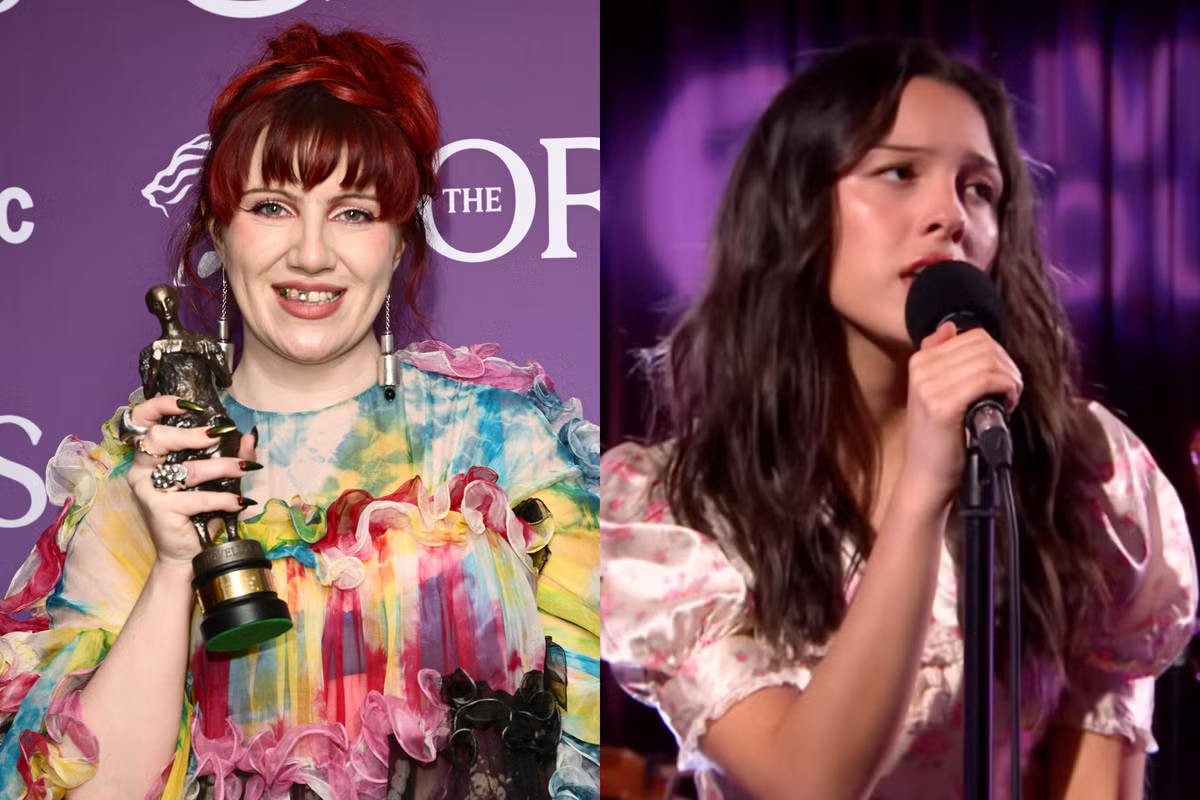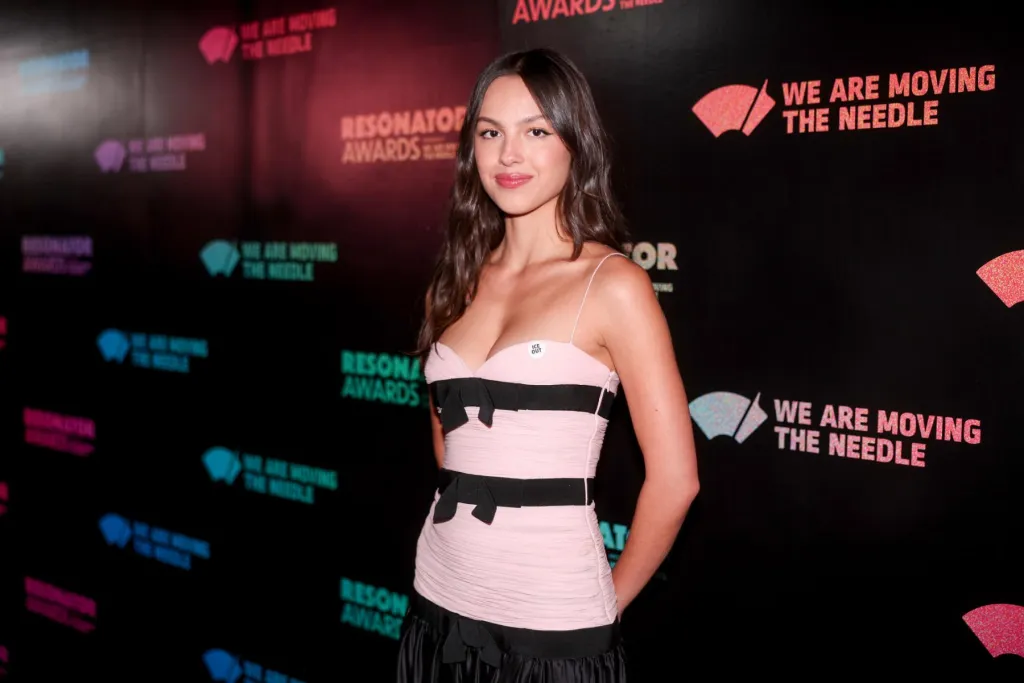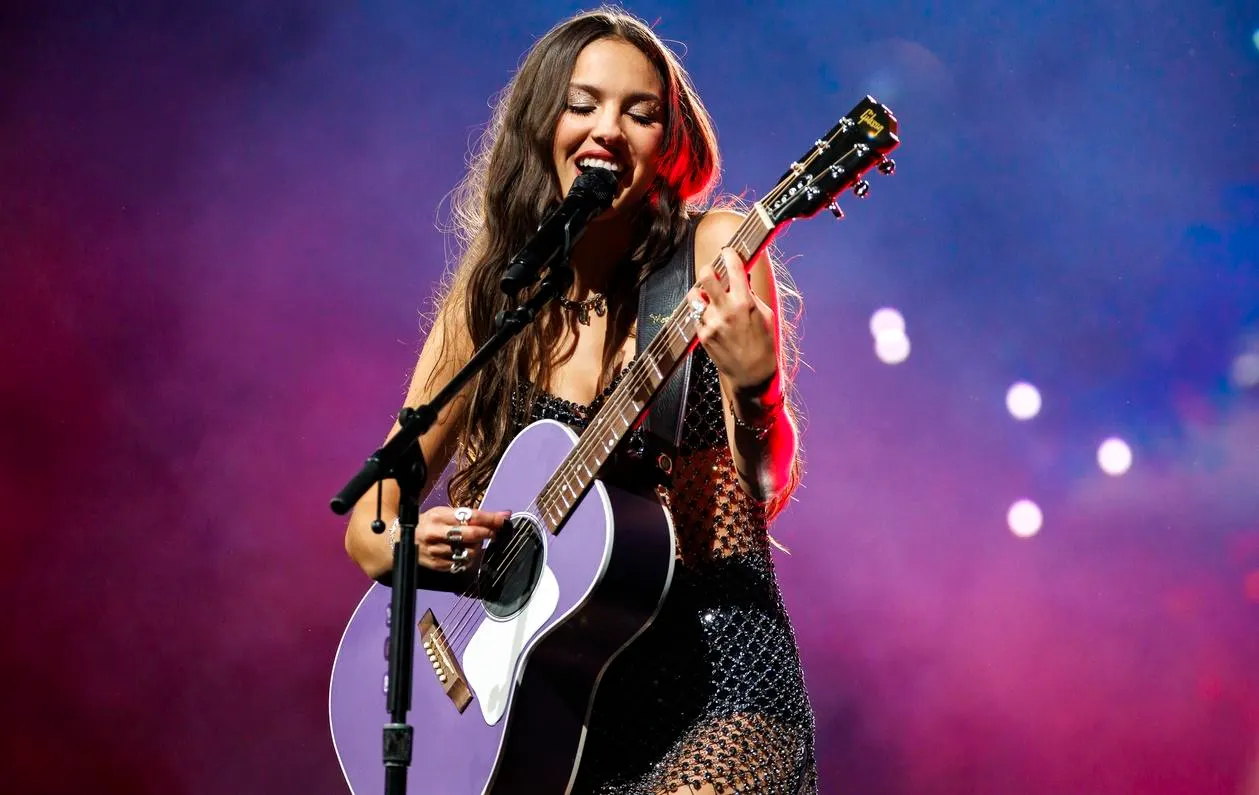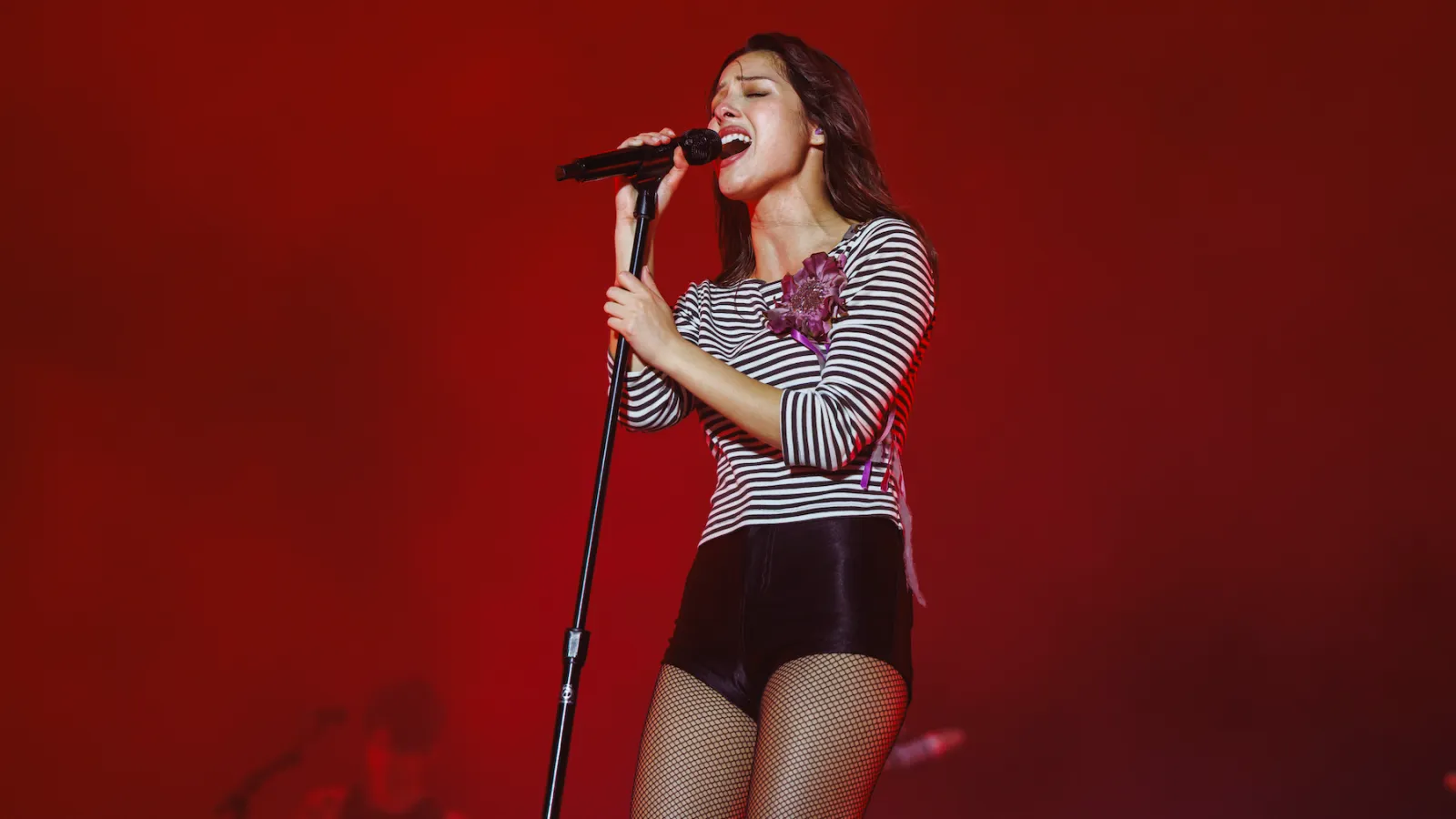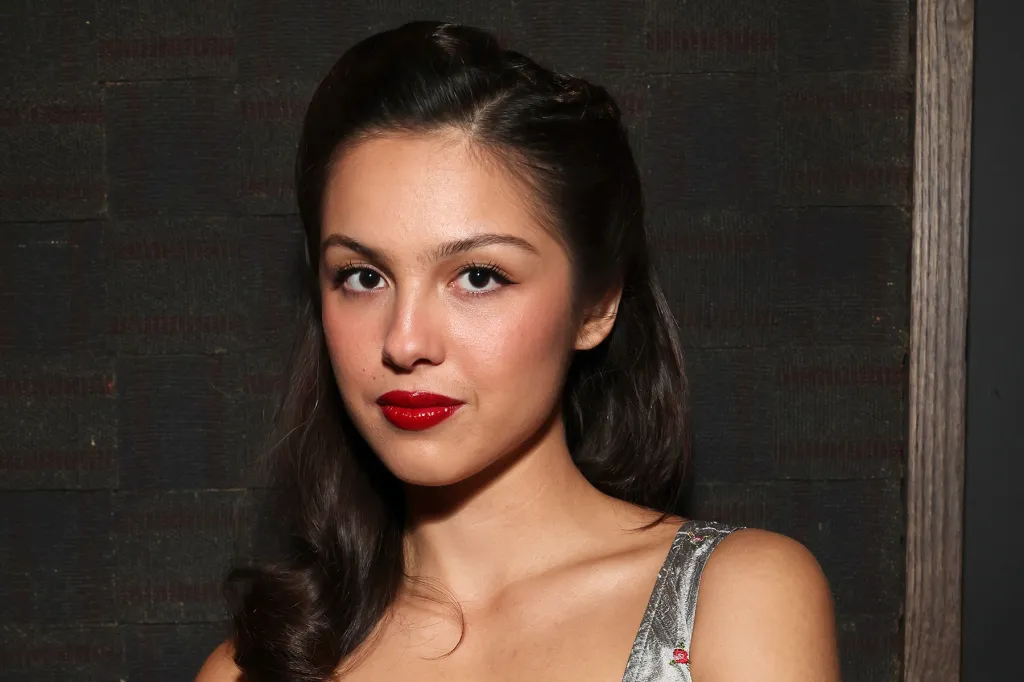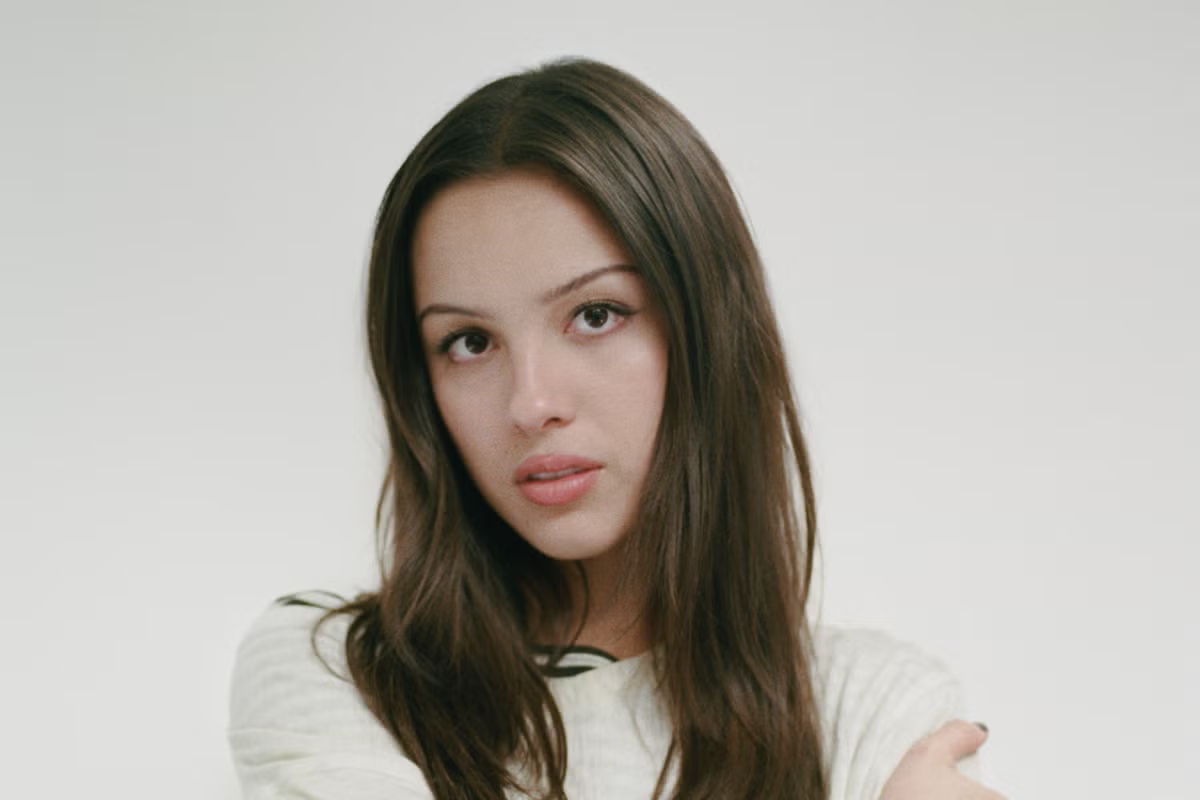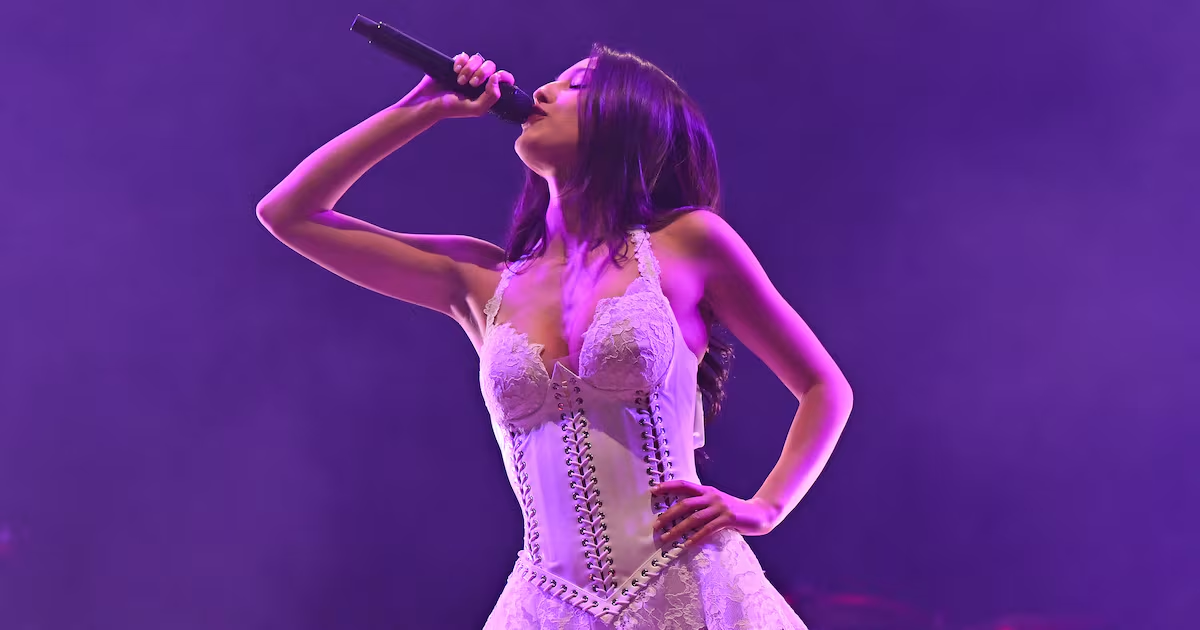
Olivia Rodrigo constantly surprises people. She has sung what now? Her latest cover version is of CMAT’s When a Good Man Cries, which has left the Irish singer wondering this week “what phase of the simulation” this might be. Recognising an opportunity when she sees one, she promptly asked the Californian star on Instagram if she was up for pints.I know people who would take up drinking to have pints with Olivia Rodrigo and who probably thought, “Join the queue, CMAT,” when they saw that. Still, devotees of both artists are happy to platonically “ship” the pair and revel in a universe crossover they were not expecting.But this is exactly what Rodrigo does. In her still-young career she has form here. Singing the word “Dunboyne” on BBC Radio 1’s Live Lounge, which tickled CMAT, is the least of it. Last June she did a brilliant rendition of Fontaines DC’s I Love You at her Marlay Park gig in Dublin, thereby bringing about the unanticipated collision of a former Disney kid and a lyric about “the gall of Fine Gael and the fail of Fianna Fáil”. This was shortly after she sang and danced with David Byrne on the Talking Heads song Burning Down the House at a New York music festival, a generational collision of such infectious exuberance that it triggers instant envy for the crowd.Headlining Glastonbury at the end of the same month, she brought on the Cure frontman Robert Smith for covers of not one but two songs by his band – Friday I’m in Love and Just Like Heaven – to the visible bafflement of some younger festivalgoers and the apparent bemusement of Smith himself. At her Glastonbury debut, in 2022, she duetted with Lily Allen on the latter’s F**k You, as a riposte to the US supreme-court judges who had just overturned Roe v Wade. Other female artists she has covered on tour include Avril Lavigne and Alanis Morissette.There is nothing especially odd about any of this. Rodrigo might be cleverer than most at recruiting new listeners from other artists’ fan bases, but the age of live covers and collars has been with us for some time. (The Live Lounge, which encourages genre-altering interpretations, has been on the go since 2006.) Instead, her approach is interesting for the way it completely exemplifies how music now operates. That’s because, with the notable exception of The Book of Love, by The Magnetic Fields, her bewitching contribution to the Help(2) charity album released this year, she performs these songs without recording them. Her covers might pop up on live albums, Record Store Day releases or limited-edition singles, but she isn’t in a booth finessing her takes.Across the industry, the status of covers isn’t what it used to be. Record labels once resurrected old songs to break fledgling pop acts. Even artists with an abundance of songwriting firepower at their disposal regularly recorded judiciously chosen covers to help shift albums. Covers brought in the casuals. [ Lily Aron of Florence Road: ‘Olivia Rodrigo was such a big gig. It was the first time I didn’t have impostor syndrome’Opens in new window ]Now that music is only sold in bulk by an elite few, and casuals are no longer monetisable to the same degree, those tactics are outdated. The primary job of the cover is to generate likes and goodwill, not immediate sales.True, Luke Combs scored a hit in 2023 with his version of Tracy Chapman’s Fast Car, but the upper echelons of the singles charts are, in the main, remarkably devoid of covers. While “interpolations” (rerecorded elements) of other songs, a potentially more lucrative method of capitalising on music history, are in vogue, full covers have been relegated to the ranks of YouTube hopefuls and the live stage. We can thank, or blame, streaming services for this. Old songs don’t need to be redone to become widely discoverable again. The originals are all hanging about in the same app catalogues, and it only takes one TikTok craze or moment of soundtrack virality to propel them back to relevance.The battle to be taken seriously is not nothing for young women, but Rodrigo manages to make paying authentic tribute to other artists part of her musical DNA without diluting her reputation as a singer-songwriter of considerable skill. On the contrary, the praise she lavishes on influences and contemporaries serves to underline her own credentials. (A ridiculous fuss about similarities between tracks on her first album and songs by Taylor Swift and Paramore is best discounted.) [ Call me, CMAT. Let’s write a song about my public transport plightOpens in new window ]The message is that she resides within the same firmament as the artists she hails and that calling her a “former Disney kid”, as I did earlier, is facetious. She’s steeped in this stuff.Luckily, though not coincidentally, as the role of cover versions has evolved, the climate in which they are received has softened. I generalise, but there was a time when they were invariably regarded as purist-irking hate crimes, and that was just by the covered artist. Now they’re more often thought of as an endearing and generous gateway to pints. Not a bad idea, right?
Olivia Rodrigo’s CMAT cover is more than a brilliant excuse for pints
The American star regularly enhances her own reputation by paying live tribute to other artists
866 words~4 min read