Read The Diplomat, Know The Asia-Pacific
The Indonesian political system has enabled deforestation through weak oversight, opaque licensing, and regulations designed to favor extractive industries.
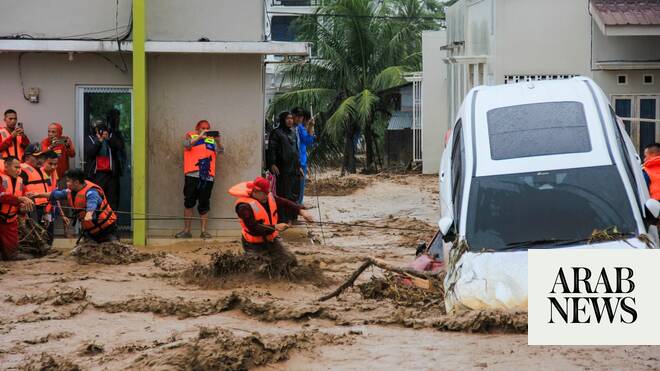
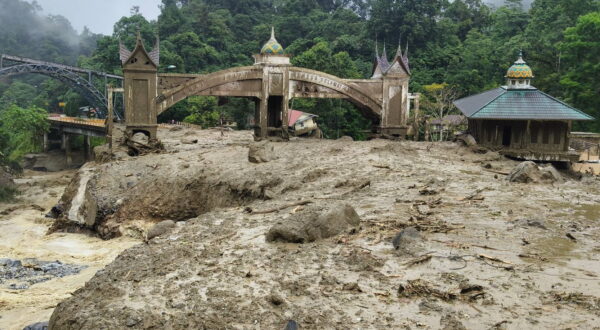
Floods and mudslides engulf the Twin Bridges in Padang Panjang, West Sumatra, Indonesia, Nov. 27, 2025.
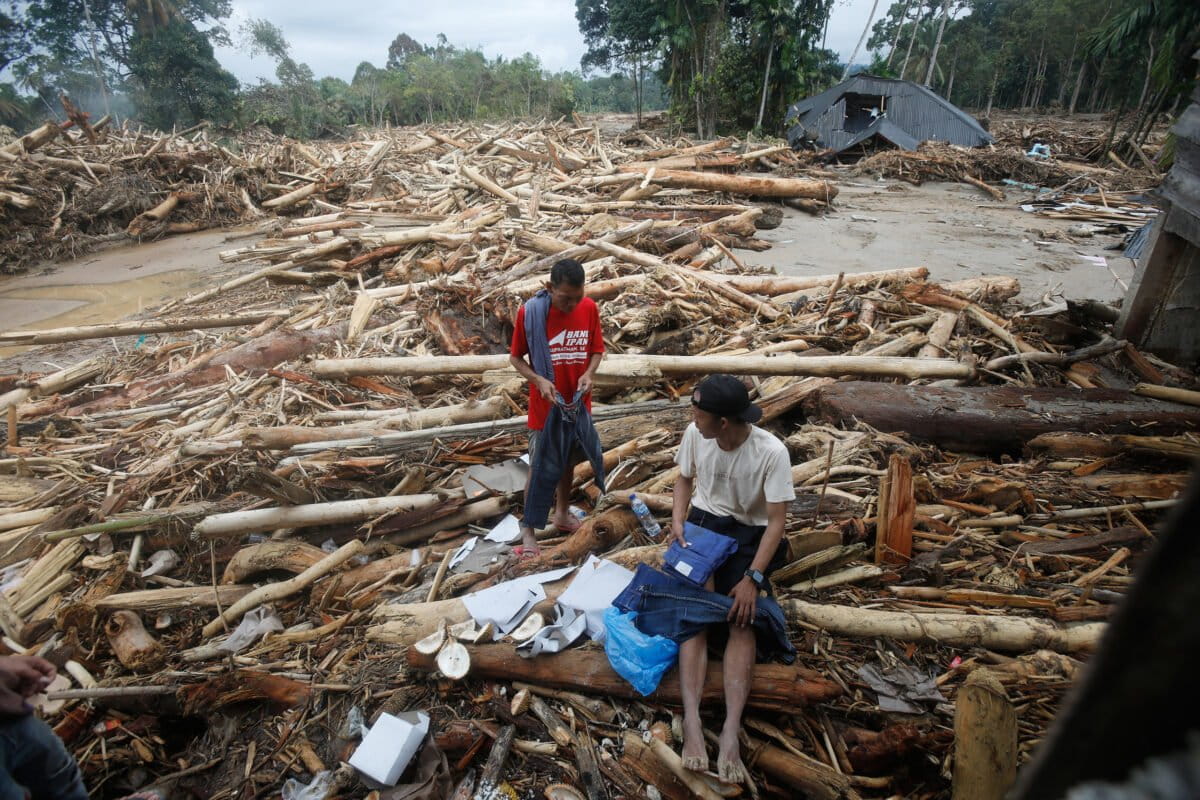
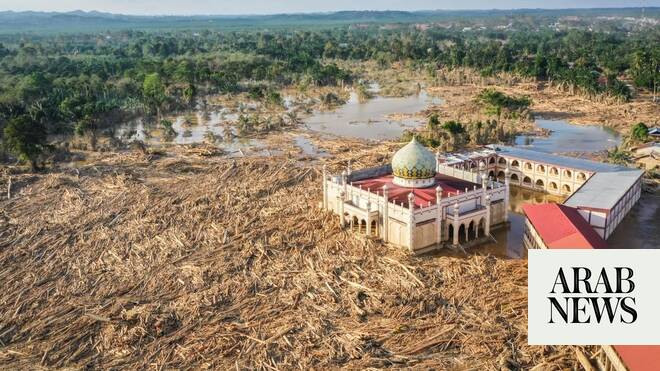
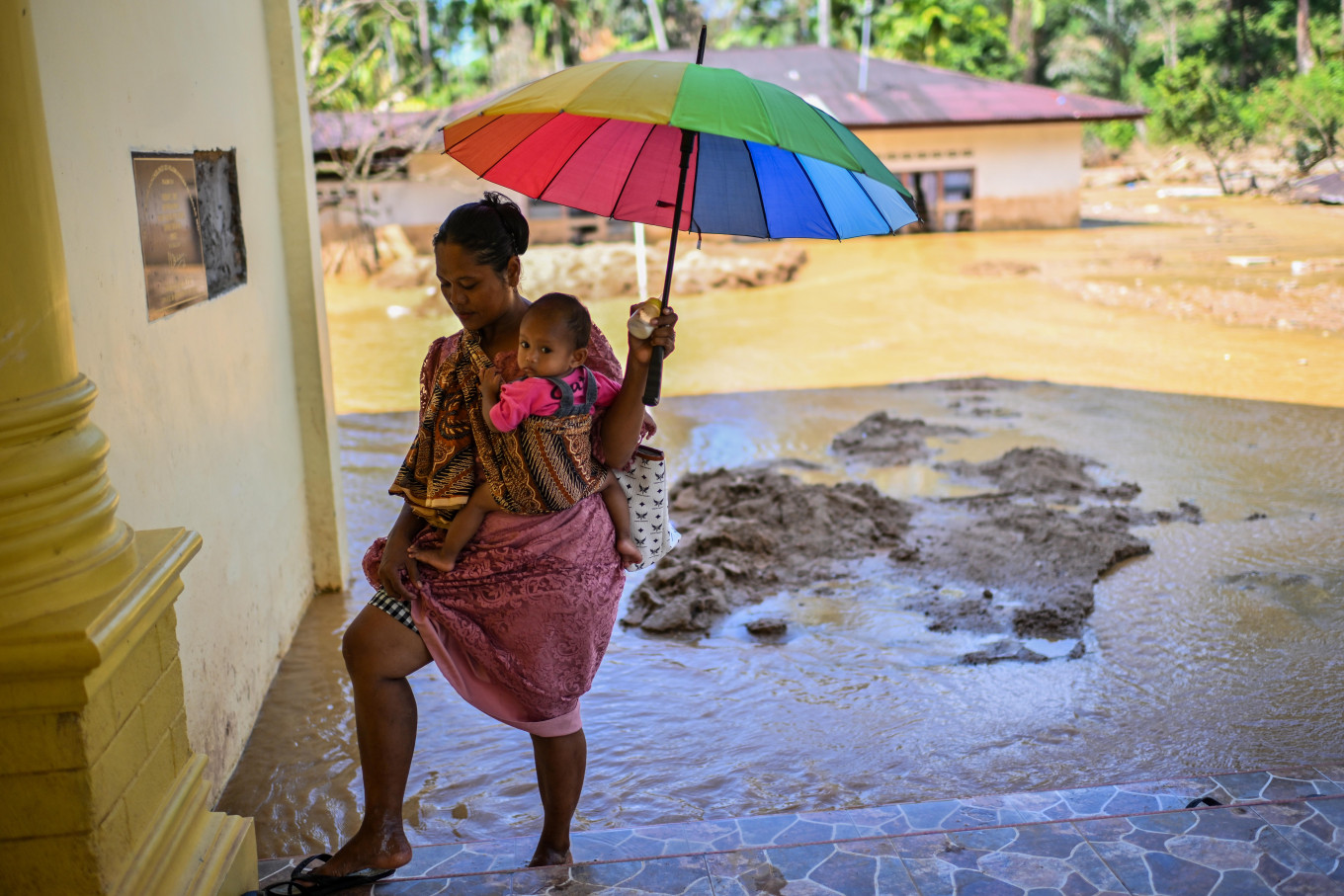
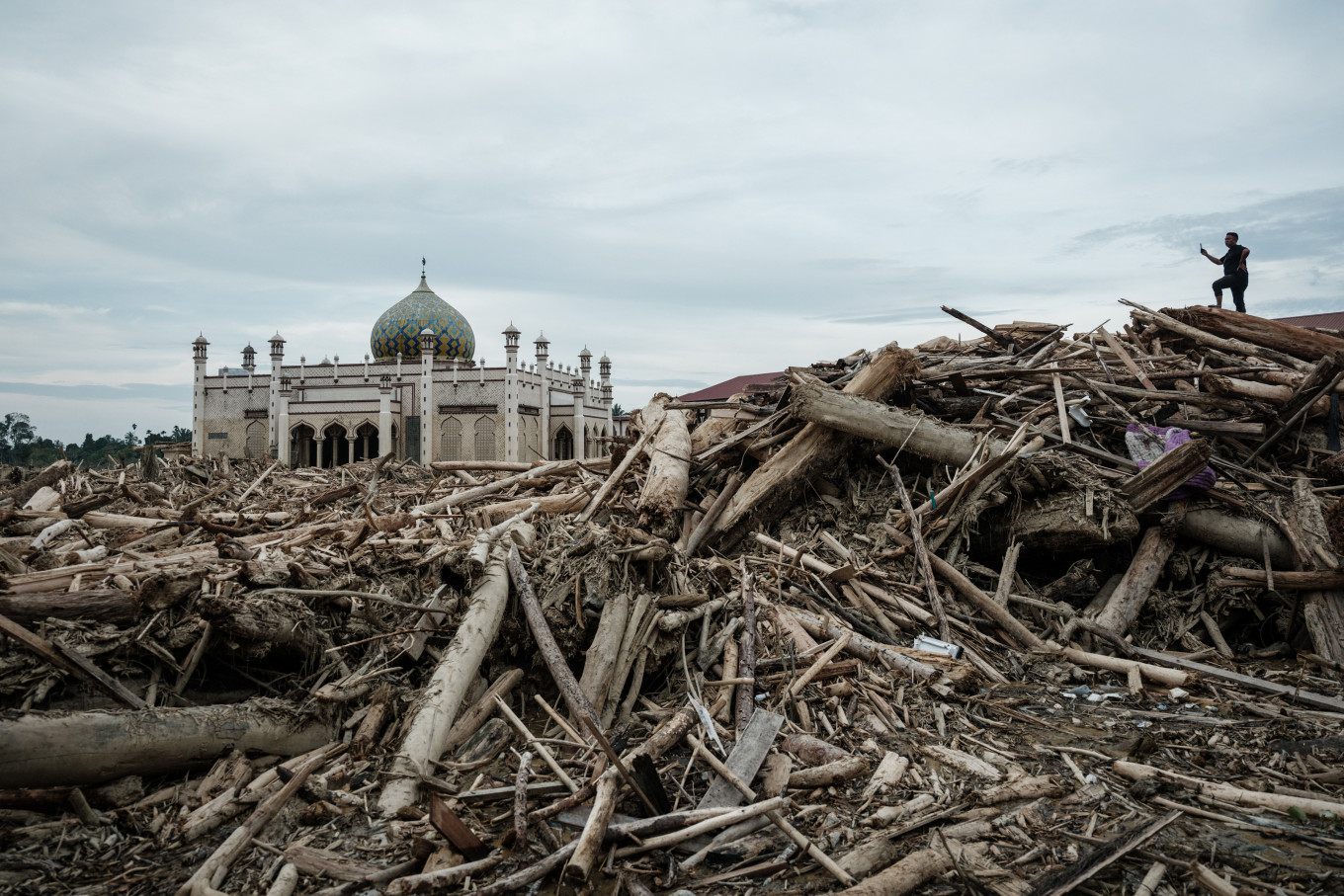
Across the Indonesian island of Sumatra, entire communities remain trapped. Months after the devastating floods of November 2025, families are still displaced, aid distribution remains uneven, and anger is growing over what many Indonesians see not simply as a climate disaster, but as a political one.
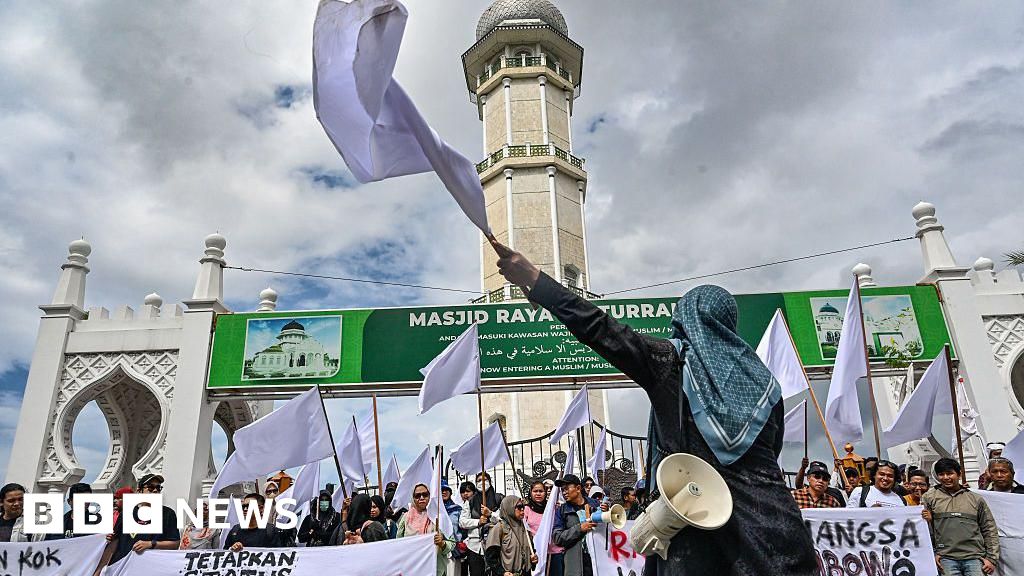
During the floods, villages disappeared under water, landslides tore through hillsides, and families waited days – sometimes weeks – for help that never came. While communities struggled to survive, protests erupted across Indonesia over worsening governance failures, environmental destruction, and political repression. By the end of December, the death toll had risen to over 1,150, with many more missing and nearly 400,000 people displaced. The floods also exposed the consequences of decades of corruption, deregulation, and state-backed destruction of Sumatra’s forests.