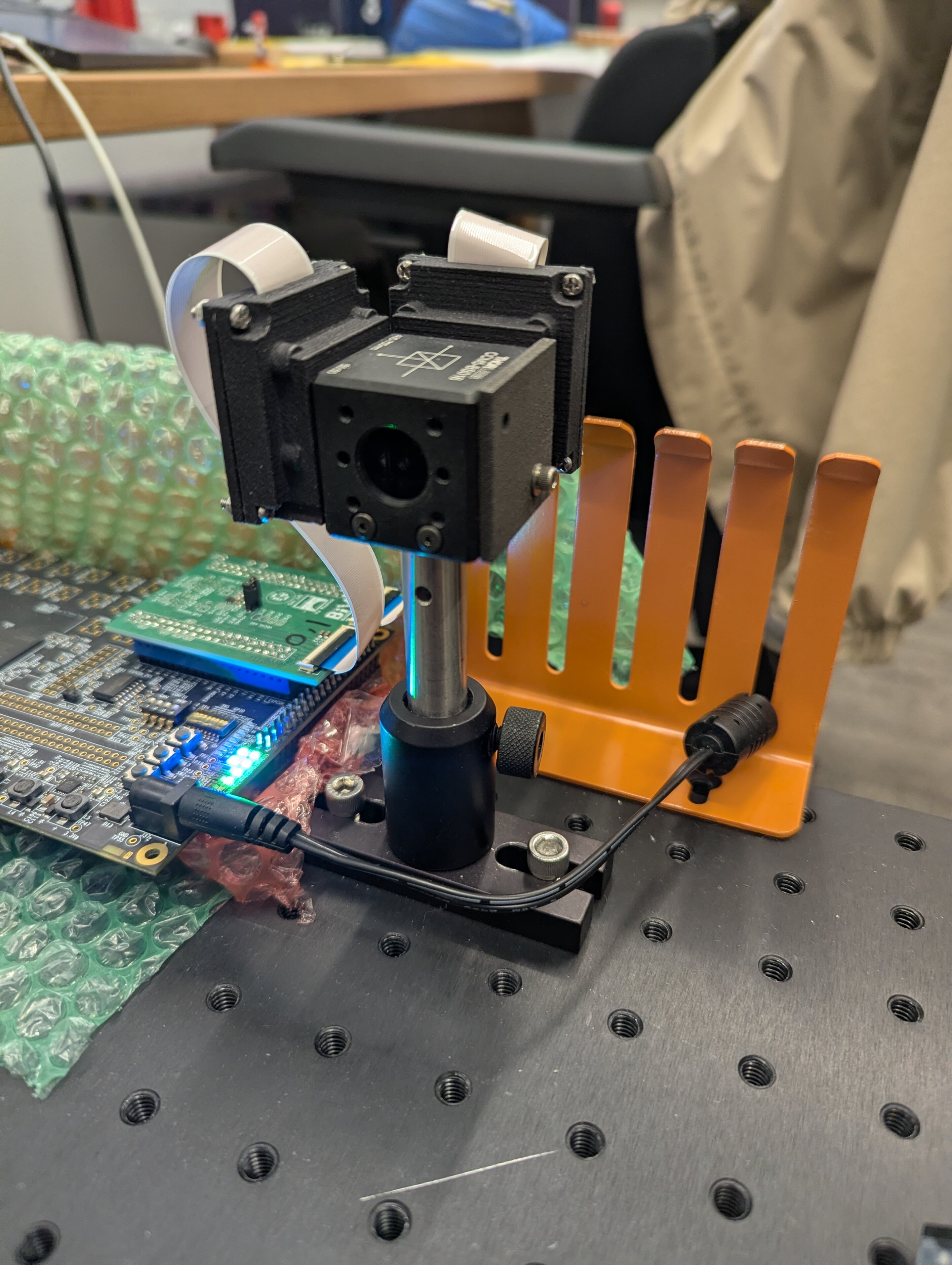
In 1991, researchers in the Computer Laboratory at the University of Cambridge had a coffee problem. The department's only filter machine sat in a corridor outside the Trojan Room, and people on other floors kept making the trip only to find an empty pot. So Quentin Stafford-Fraser and Paul Jardetzky pointed a spare camera at the pot, wired it to a frame grabber, and wrote a small client called XCoffee that put a live picture of the pot on everyone's screen.
The image was 128×128 pixels, greyscale, and updated a few times a minute. That was enough. The only question anyone had was "is there coffee?", and a thumbnail answered it perfectly.
In 1993, when the web arrived, the feed was connected to a web server — making the Trojan Room coffee pot the world's first webcam. It ran until August 2001, when the lab moved buildings and switched it off in front of a watching internet. The pot itself was auctioned on eBay for £3,350 to the German news site Spiegel Online.
It's a charming story. It's also, thirty-five years later, still the single best brief for any camera-based IoT project.
One camera, one question