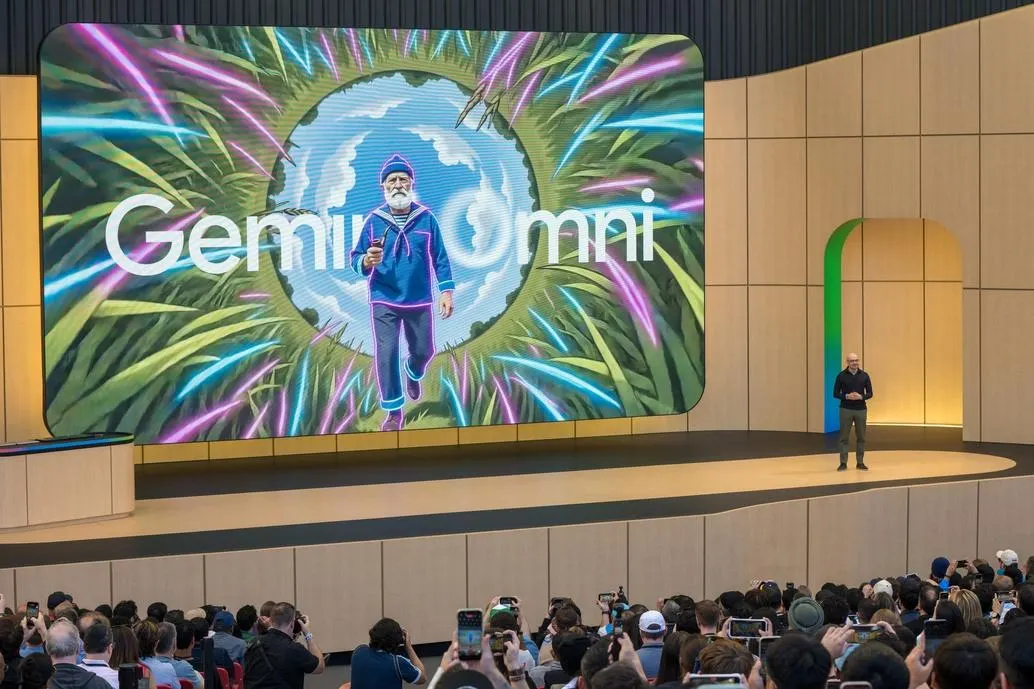
Late last month, Google plugged its Gemini Omni model into YouTube Shorts’ existing Remix tool, turning it into a way to heavily rework or transform creators’ videos. Billed as a way to “easily step into the trends and conversations on YouTube,” the update has instead raised fresh questions across the creator economy about who controls how content is reused and reshaped by AI.
The YouTube Shorts Remix feature has existed since late 2023, but the recent addition of generative AI has fundamentally changed how it works. When viewing a short, a remix icon appears at the bottom of the screen, tapping it lets creators reuse the video or audio. A Gemini logo in the top right opens an “AI Playground” where they can pull from existing templates, create music or generate new content from text.
The feature purportedly gives creators more control over how their content is consumed, according to Jacquie Kostuk, vp of strategy at advertising agency FUSE Create.
“It’s encouraging on-platform generative AI inside a controlled, attribution-safe wrapper,” Kostuk said. “It’s labeled and watermarked as altered, it links remixed assets back to the original material for original poster credit, and it allows creators to opt-out from remixes to, fingers crossed, control their likeness and IP.”