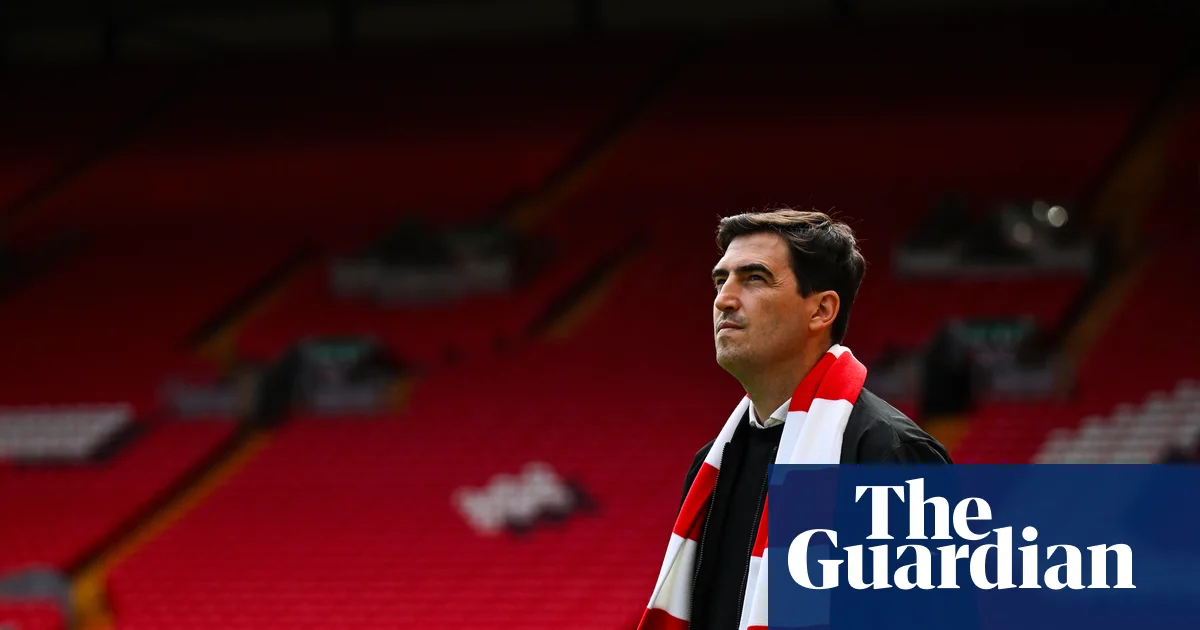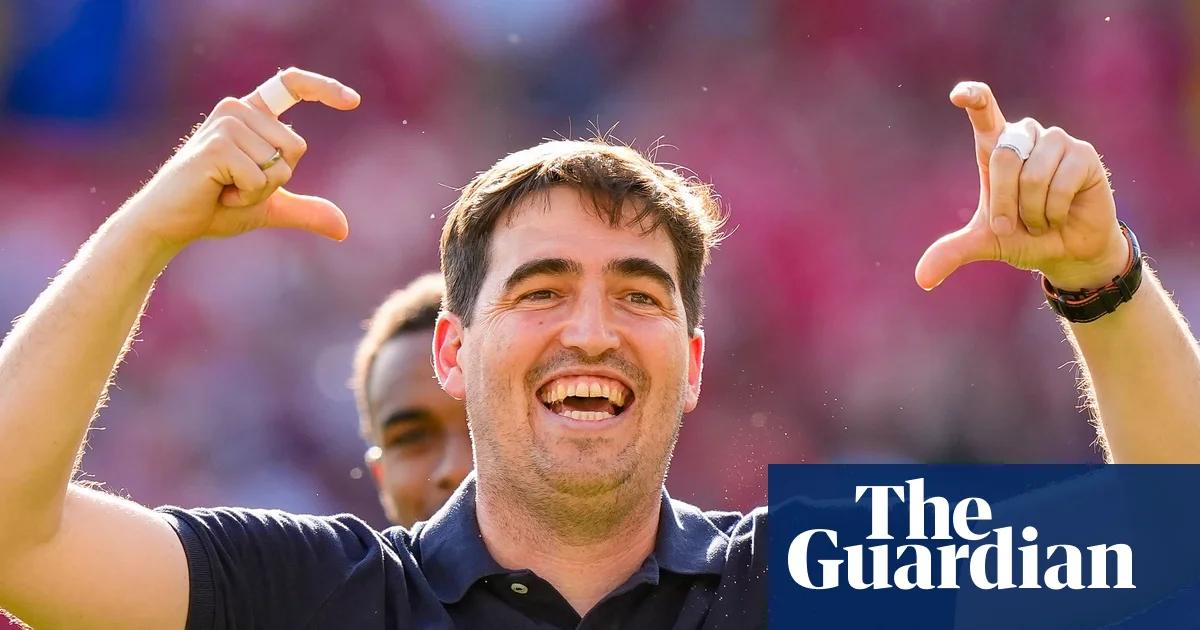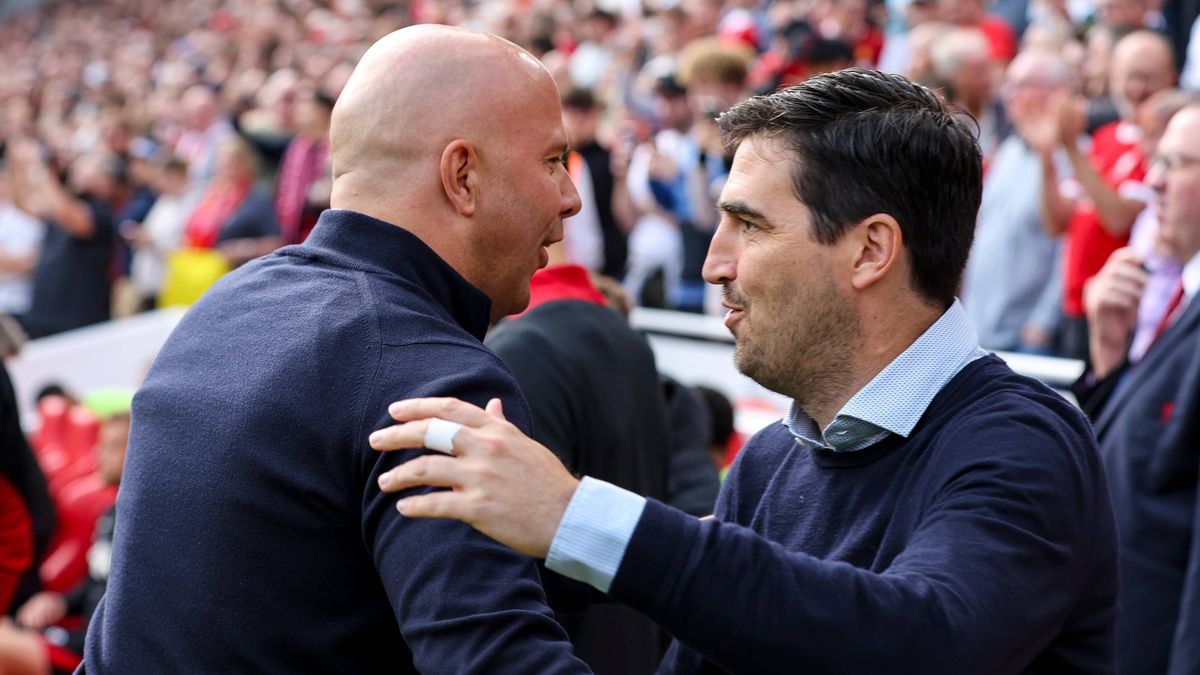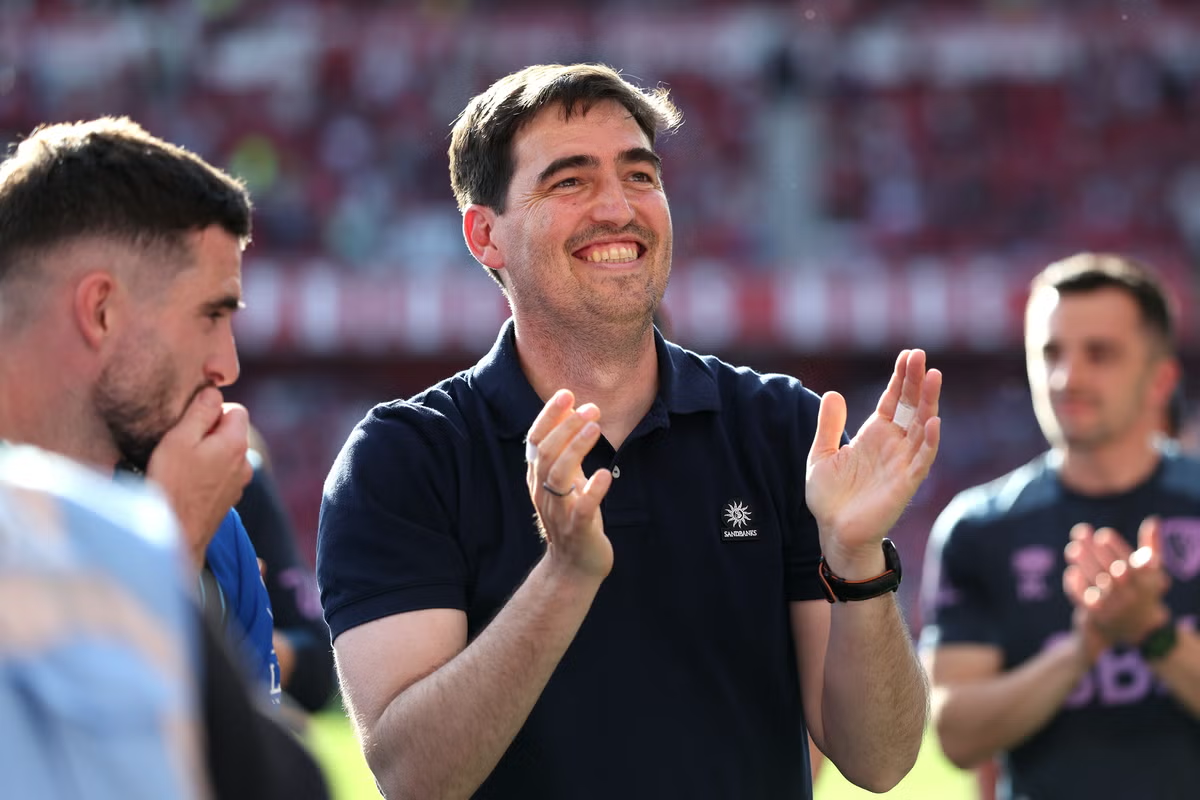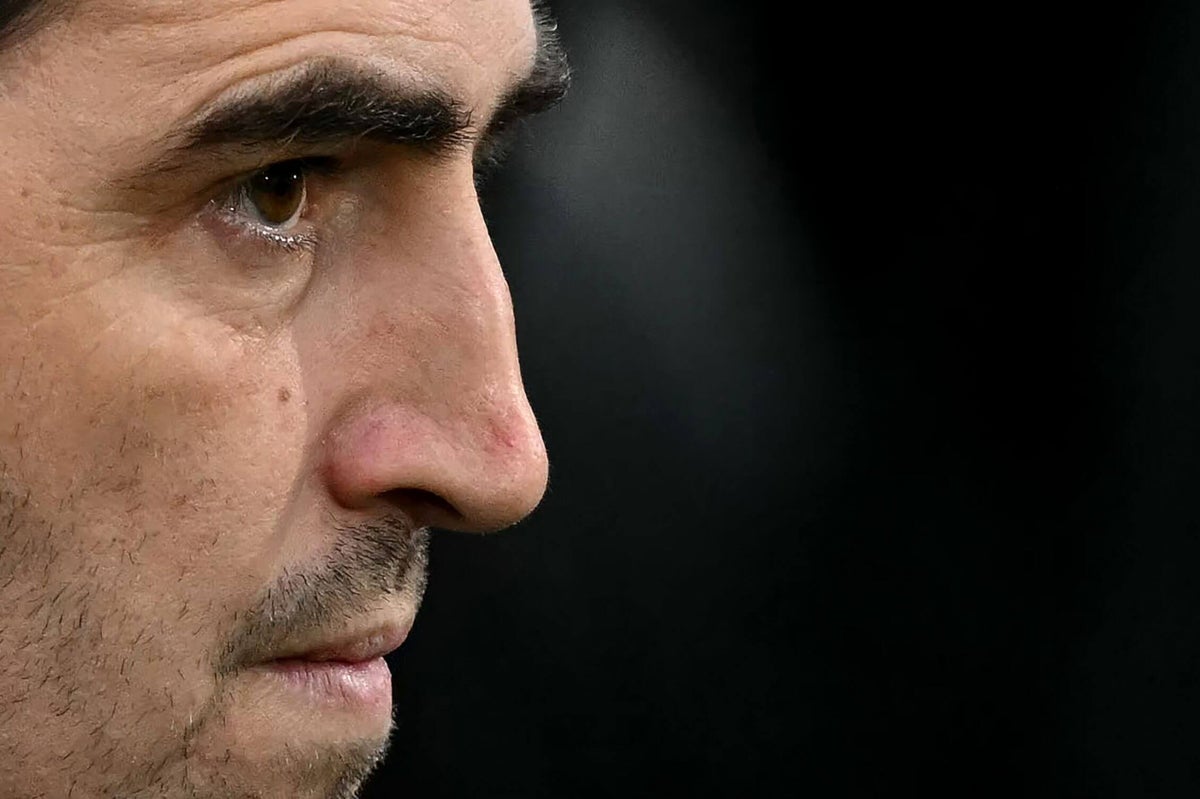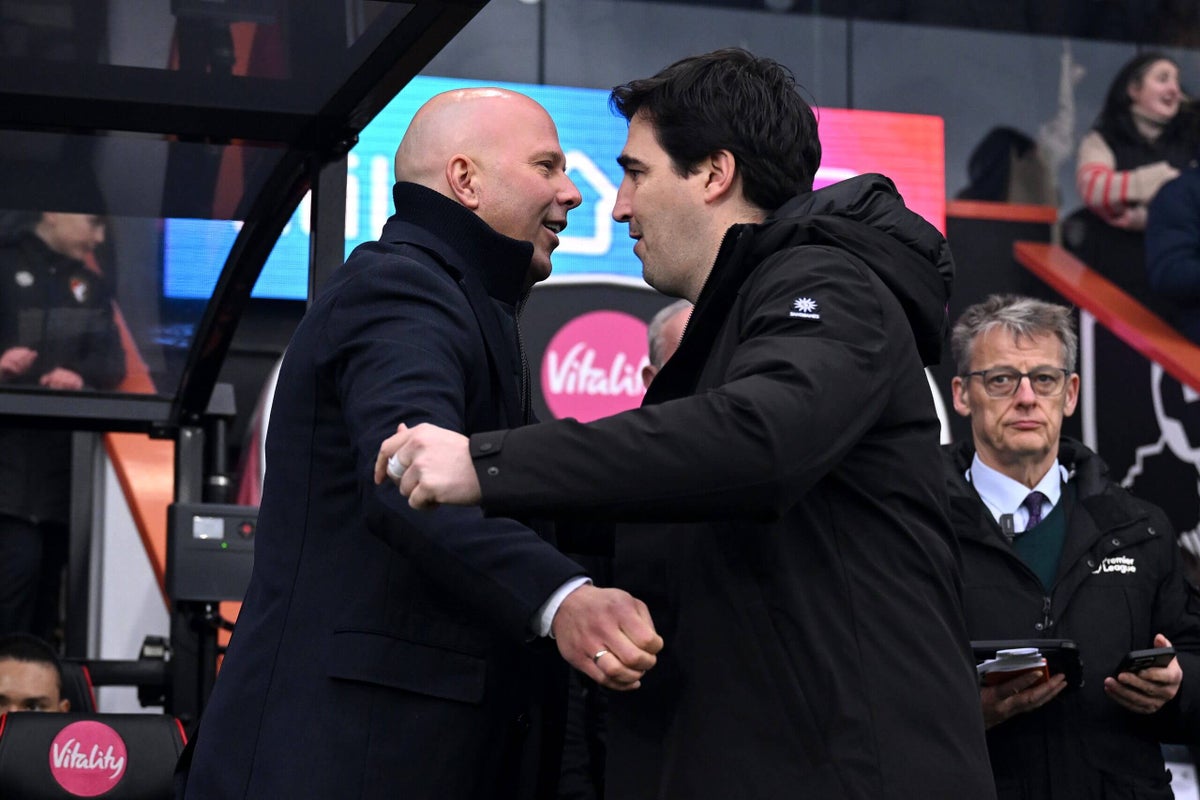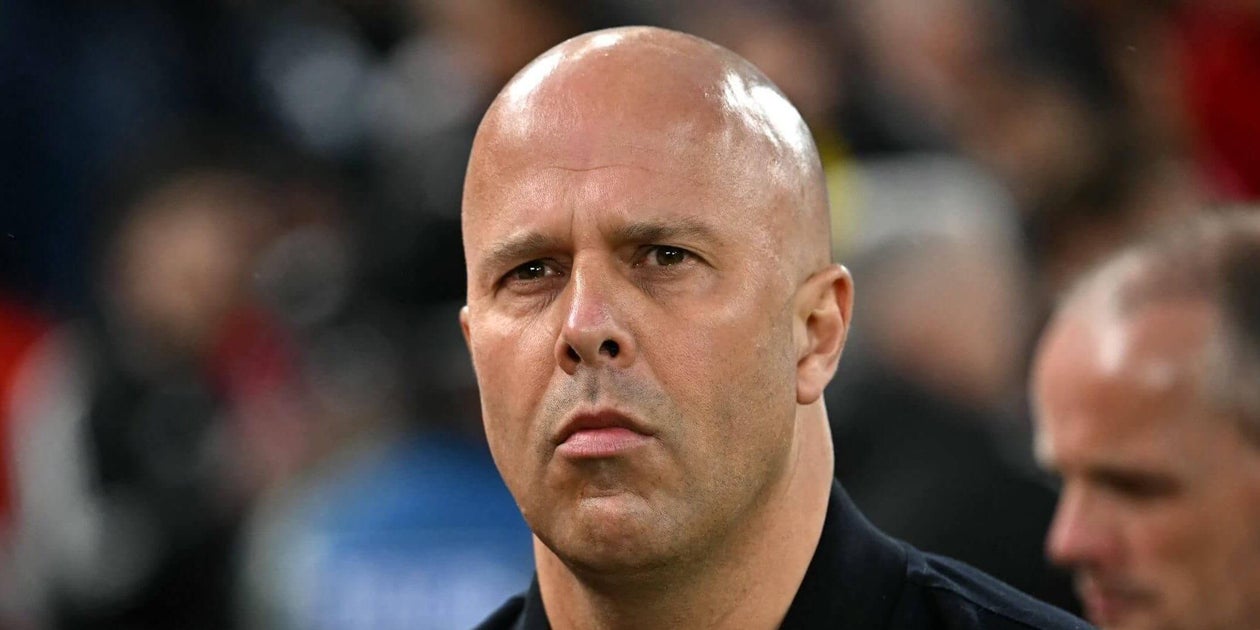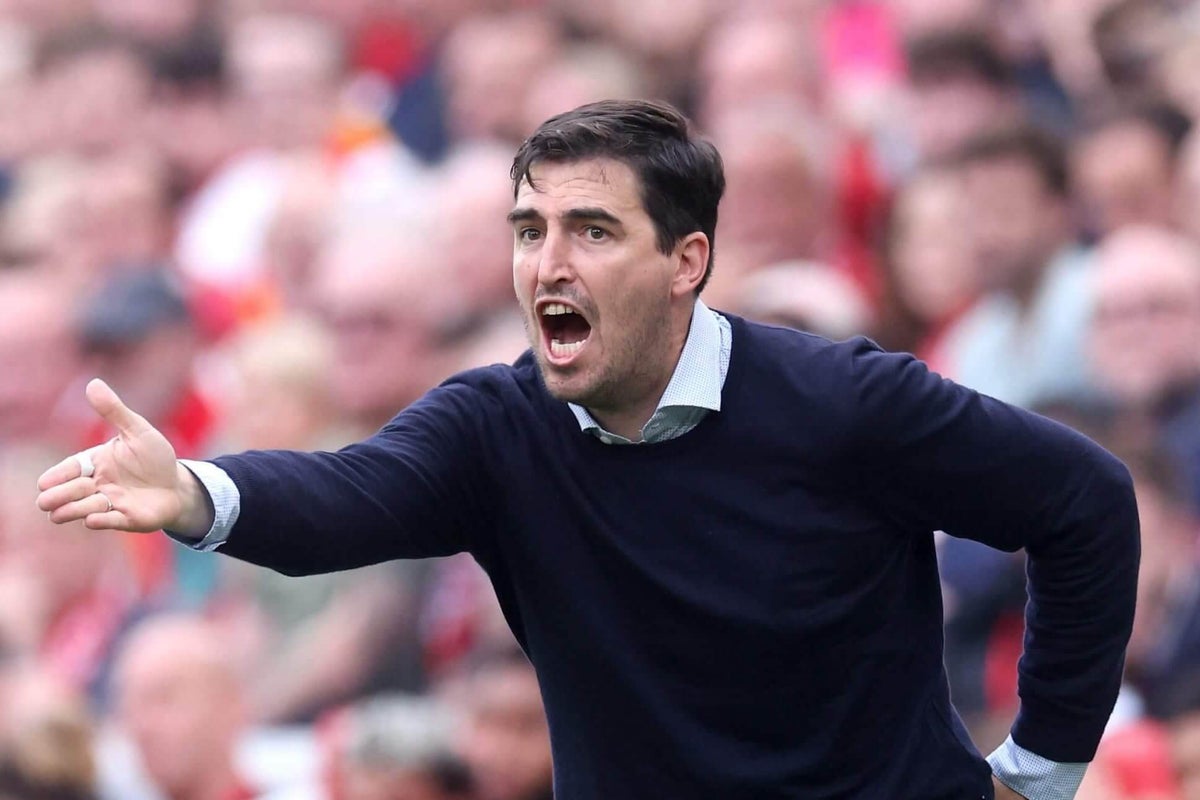
As Liverpool announced their decision to part ways with Arne Slot on Saturday, there was a sense of regret at how things fell apart for the manager who delivered them a record-equalling 20th league title just 12 months ago.Performances clearly trailed off under the Dutchman last season, picking up 24 fewer points than they managed in a seamless debut campaign, and losing three times the amount of Premier League games. For many, those results alone were justification enough for his dismissal.But there was a deeper concern surrounding Slot’s style of football, which was much more measured than that of his predecessor Jurgen Klopp. In an era of the English top flight where players are sprinting more than ever before, and aggressive, hyper-athletic sides press man-for-man, clubs who prioritise controlled possession and technical ability in midfield risk looking blunt and easily containable in attack.The club’s official statement, underlining the need for a “change in direction” and a “different approach”, hinted as much. Liverpool want to evolve and become a more assertive, fast-attacking side once more.In that respect, Andoni Iraola is an understandable choice to take over. The 43-year-old transformed Bournemouth into one of Europe’s most front-footed teams during his three seasons in charge, encouraging an adventurous off-the-ball approach that looked to smother the opposition high up the pitch. They defended tirelessly and attacked with purpose, scoring the joint-most goals from Opta-defined fast breaks (nine) last season.As we can see from the visualisation below, Iraola’s Bournemouth spearheaded the shift towards direct football last season, moving the ball towards goal quickly and with few passes along the way. Liverpool, on the other hand, struggled to exact the necessary control to consistently win games with a more patient approach.Naturally, questions arise as to how Iraola can scale up his tactical approach to a club where pressure is far greater and expectations are different. At Bournemouth, he aimed to disrupt and challenge elite opposition without the ball. He will not be able to instil that underdog mentality at one of the biggest clubs in the world.But there is also the question of Liverpool adapting to him, and whether a squad of players who pressed with irregularity last season can be whipped into shape. Iraola’s system requires collective buy-in and athletic commitment, and will be picked apart should one link in the pressing chain show any signs of weakness.Are Liverpool’s squad up for the challenge? The Athletic digs into the data to find out.Clearly, attacking at speed and embracing the chaos of end-to-end football takes a physical toll. For his system to function, Iraola requires players in peak condition who can carry the ball forward and win most of their defensive duels.No team across Europe’s top five leagues covered more distance at a high intensity (20km/h or more) than Bournemouth last season for every 60 minutes the ball was in play. As we can see from the visualisation below, those figures shot up after Iraola’s arrival, while Liverpool have generally covered much less distance at high speeds since Slot joined the club.Iraola will almost certainly look to the transfer market this summer to address any athletic weak spots that he perceives in the squad. He has a strong relationship with Liverpool sporting director Richard Hughes, with whom he worked closely at Bournemouth to identify undervalued players who would be able to cope with the extra physical load.
Can Liverpool’s squad play Andoni Iraola’s football?
Anfield's new head coach favours a fast-paced, aggressive style - a big contrast with Arne Slot's approach
1,513 words~7 min read