June 5, 2026 | 10:52 am
null
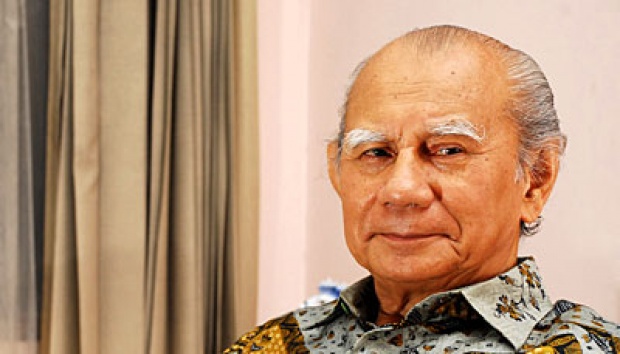
TEMPO.CO, Jakarta - No one imagined that Emil Salim and several other students from the Faculty of Economics at the University of Indonesia (UI) could study abroad in the 1950s. In the early years of the young Republic, Emil and his peers—including Widjojo Nitisastro, Mohammad Sadli, Johannes Baptista Sumarlin, and Ali Wardhana—left for the United States to study at the University of California, Berkeley.It was Sumitro Djojohadikusumo, then Dean of the UI Faculty of Economics, who sent them abroad. "He never told us we had to become lecturers. Get the PhD," Emil recalled of his mentor's advice in an interview with Tempo in February 2026.Sending students overseas to study had long been one of Sumitro's ambitions. His goal was to ensure that UI would one day have capable "pribumi" (native) Indonesian lecturers. At the time, most professors at the university were Dutch. To realize that ambition, Sumitro collaborated with the Ford Foundation, the philanthropic organization established by the family of American automotive industrialist Henry Ford, which funded education, charity, and public welfare programs.As dean, Sumitro introduced three priority programs known collectively as the Economic Urgency Plan, or the Sumitro Plan. The initiatives aimed to rapidly increase the number of lecturers, build administrative and institutional infrastructure, and develop academic curricula. He eventually selected 20 students and lecturers to pursue studies in the United States, including at Berkeley.Read the Complete Story in Tempo English Magazine