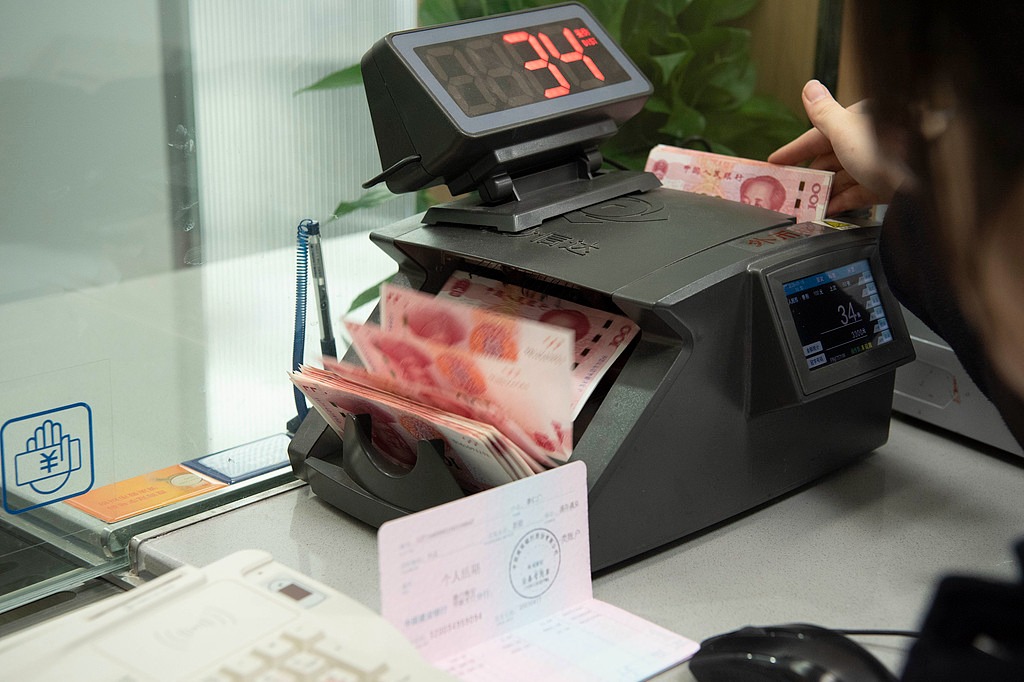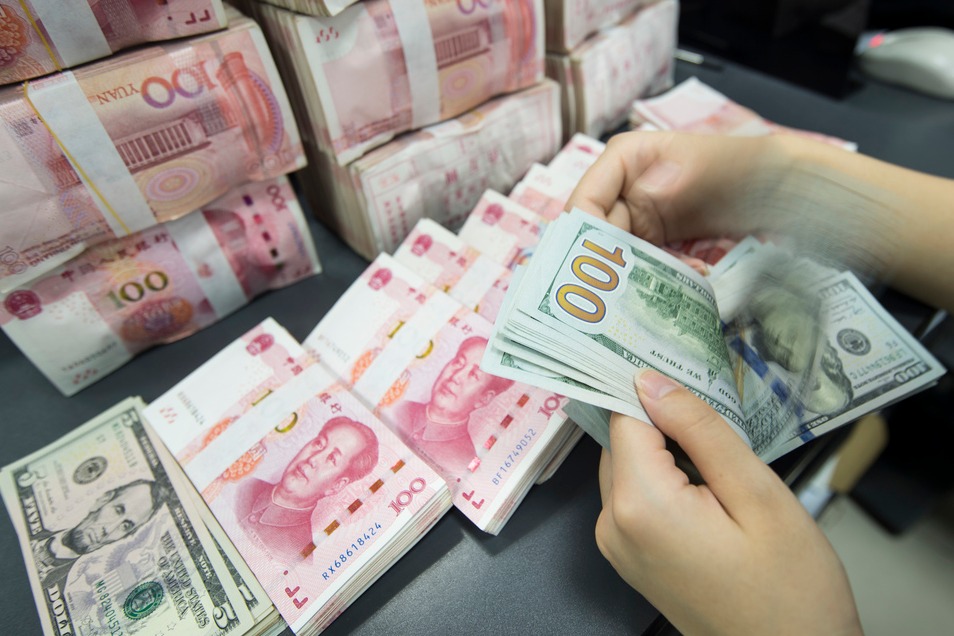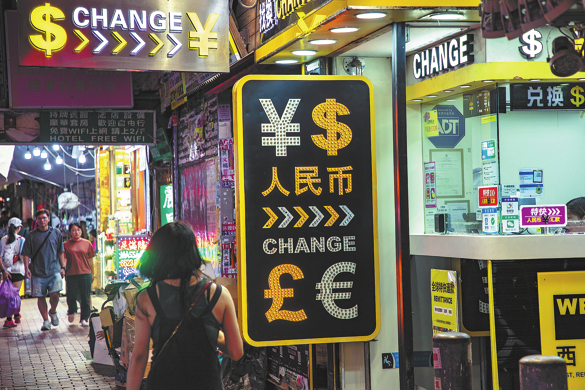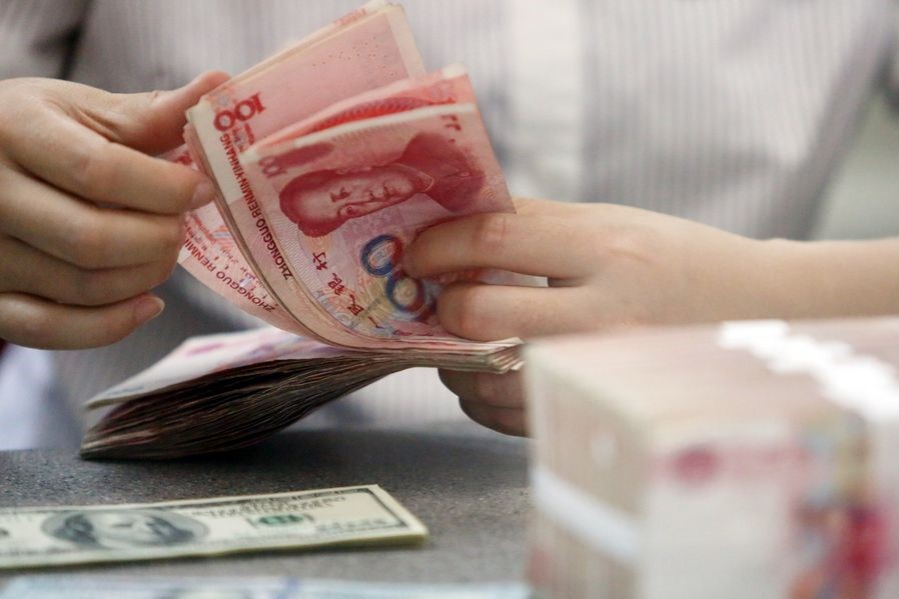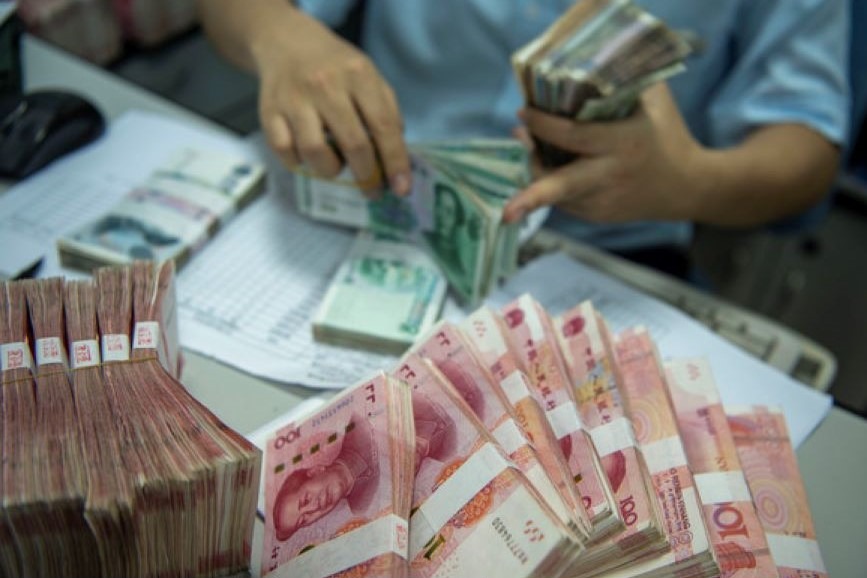
China has ample room to expand the global use of renminbi through trade and commodity settlement, supply chain finance and offshore market development, senior economists said, adding that the process will be gradual and largely hinges on continuing financial market reforms across the globe.
As the existing US dollar-dominated architecture sees an erosion of global trust and buckles under the strains of geopolitical conflict and the weaponization of financial infrastructure by some countries, the internationalization of the renminbi will help make the global monetary system more inclusive and resilient, they said.
In an exclusive interview with China Daily, Zhu Min, former deputy managing director of the International Monetary Fund, said the trend of renminbi internationalization is "unstoppable", and the technical pathway is "already mapped out".
Zhu pushed back against a long-held assumption that the renminbi could not become a major international currency without full convertibility and a fully liberalized capital account. "We need to correct this old mindset," he said.
He pointed to the IMF's Special Drawing Rights basket, a collection of five major international currencies that gives the renminbi a 12.48 percent weighting after the dollar and the euro, as proof that such constraints are not necessarily insurmountable.