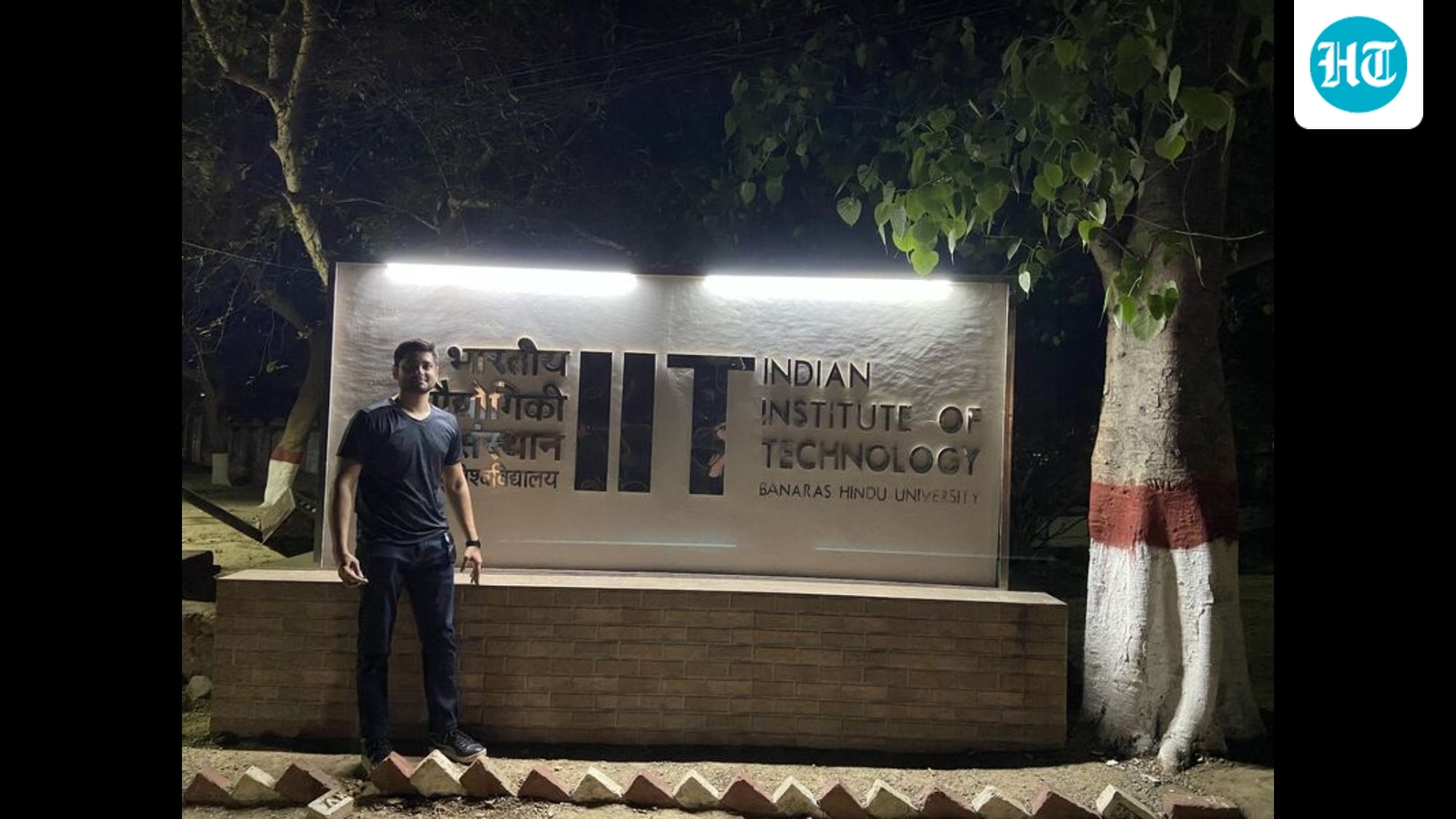
SynopsisA top executive's dream job offer sparked intense self-doubt, not excitement. Despite impressive credentials, he questioned his abilities, fearing failure and the loss of his hard-earned reputation. This experience highlighted how imposter syndrome often strikes high achievers. A simple exercise of listing his accomplishments helped him overcome anxiety and embrace the new role, which became a career highlight.Despite graduating from the IIT- Roorkee and ISB, found himself questioning whether the company had made a mistake by hiring him. (Istock- Representative image)A dream job offer is usually the moment professionals spend years working toward. The congratulatory calls arrive, family celebrates, and everything seems to be falling into place. But for one highly accomplished executive, the reality was very different. Instead of excitement, the offer triggered three sleepless nights filled with self-doubt and fear. Siddharth Maheshwari, a Gurugram-based AVP, recently shared a deeply personal story about what happened after he received the job offer he had been chasing for a long time. On paper, everything looked perfect. The role offered a stronger designation, a bigger brand name, and better compensation. It was exactly the kind of opportunity many professionals aspire to secure.But moments after receiving the call informing him that he had been selected, Maheshwari said a very different emotion took over. For a brief moment, he felt happy. Then the excitement disappeared and was replaced by fear. According to Maheshwari, he could not sleep properly for the next three nights. The anxiety had nothing to do with the company or the role itself. Instead, it came from a question that kept repeating in his mind: could he actually do the job?Success and fearMaheshwari highlighted that despite graduating from the Indian Institute of Technology (IIT) Roorkee and later studying at the Indian School of Business (ISB), along with years of professional achievements, he still found himself questioning whether the company had made a mistake by hiring him.The first night, he worried about the size of the role and whether he could handle the responsibilities that came with it. The second night brought a different concern. He began thinking about the comfort of his previous workplace, where colleagues already knew his capabilities and where he no longer had to constantly prove himself.The new position meant starting over with a new team, new expectations, and unfamiliar workplace dynamics. By the third night, the fear had intensified. He found himself imagining the possibility of failure and what it would mean after years spent building a successful professional image.Imposter syndromeThat period of self-doubt led Maheshwari to a realisation about imposter syndrome. He argued that people often assume imposter syndrome affects those who are underqualified. In reality, he believes it frequently affects people who have already achieved a great deal. According to him, success can create its own pressure because there is suddenly more at stake. The fear is no longer about getting an opportunity. It becomes about losing a reputation that has taken years to build.Maheshwari said the standards he had set for himself through his educational and professional journey became his biggest source of anxiety during those sleepless nights.The exercise that changed everythingOn the fourth day, after another restless night, Maheshwari decided to approach the situation differently. He sat down and created a list explaining why the company had chosen him. He wrote down his accomplishments, results, past work, and the evidence that supported his capabilities. The exercise helped him see the situation more clearly. He realised the company was not making a mistake. Instead, he had been making the mistake of not trusting himself.Maheshwari accepted the offer and eventually discovered that the role became one of the best chapters of his career. Looking back, he said the fear itself was understandable, but its source was misplaced. The challenge was never a lack of ability. It was learning to believe in the abilities he had already spent years proving.Internet reactsThe post resonated with many users who related to the pressure of living up to expectations despite achieving success. One user observed that life does not follow a framework or manual and remains messy for everyone, adding that even perfectionism cannot fully solve its uncertainties. Another simply wished Maheshwari the very best for his new role and the journey ahead.Read More News on...morelessRead More News on...moreless
'They're making a mistake by hiring me': IIT-ISB, graduate opens up about 3 sleepless night after landing his dream job
A top executive's dream job offer sparked intense self-doubt, not excitement. Despite impressive credentials, he questioned his abilities, fearing failure and the loss of his hard-earned reputation. This experience highlighted how imposter syndrome often strikes high achievers. A simple exercise of listing his accomplishments helped him overcome anxiety and embrace the new role, which became a career highlight.
710 words~3 min read