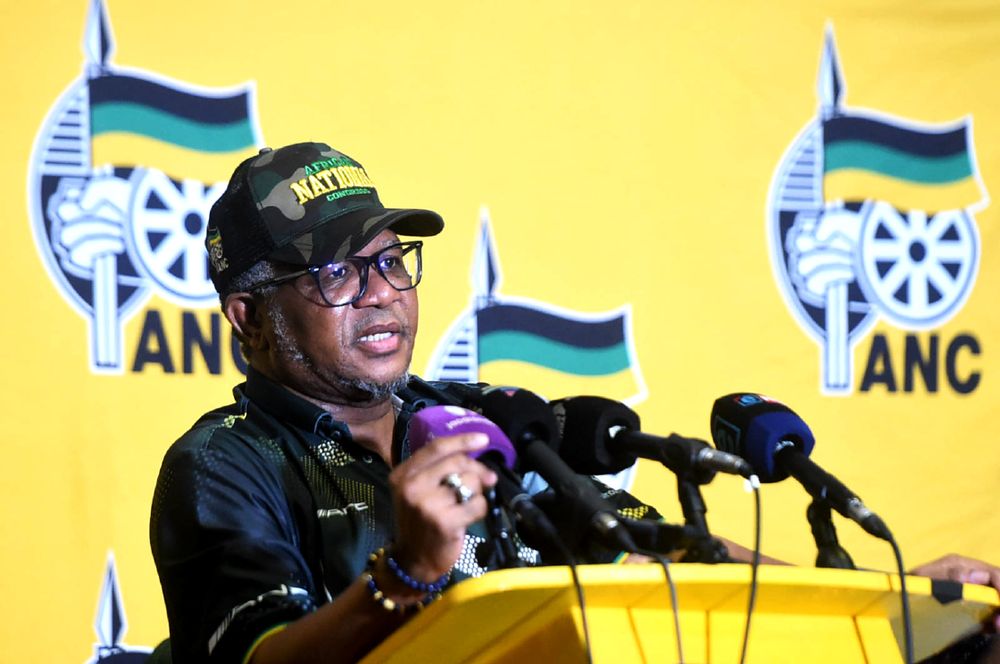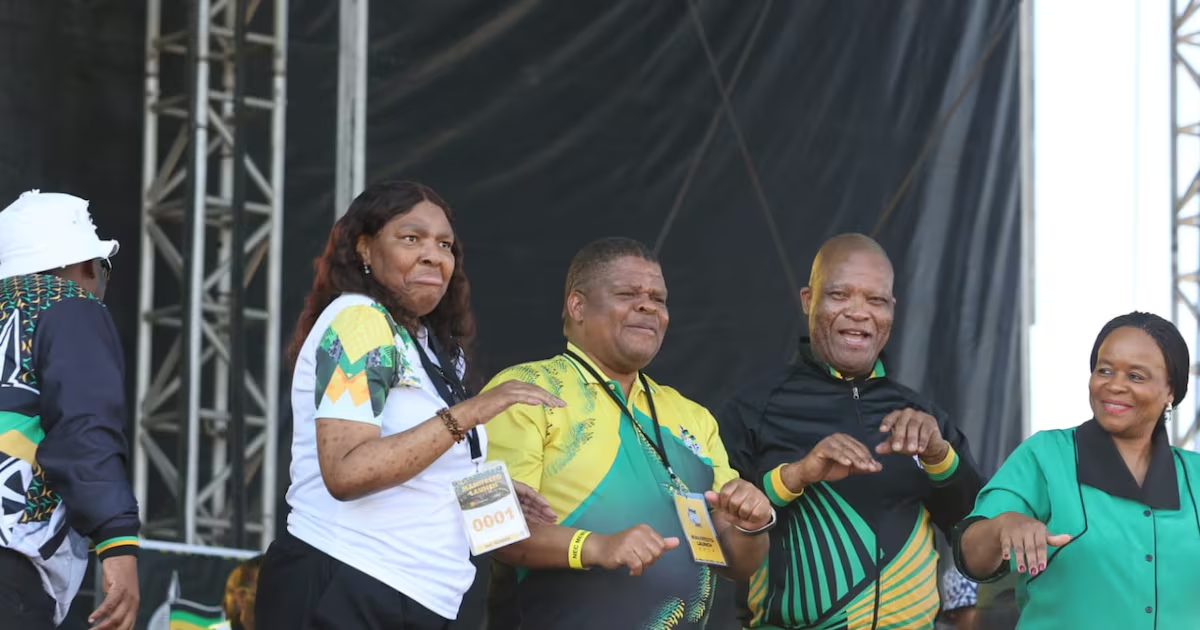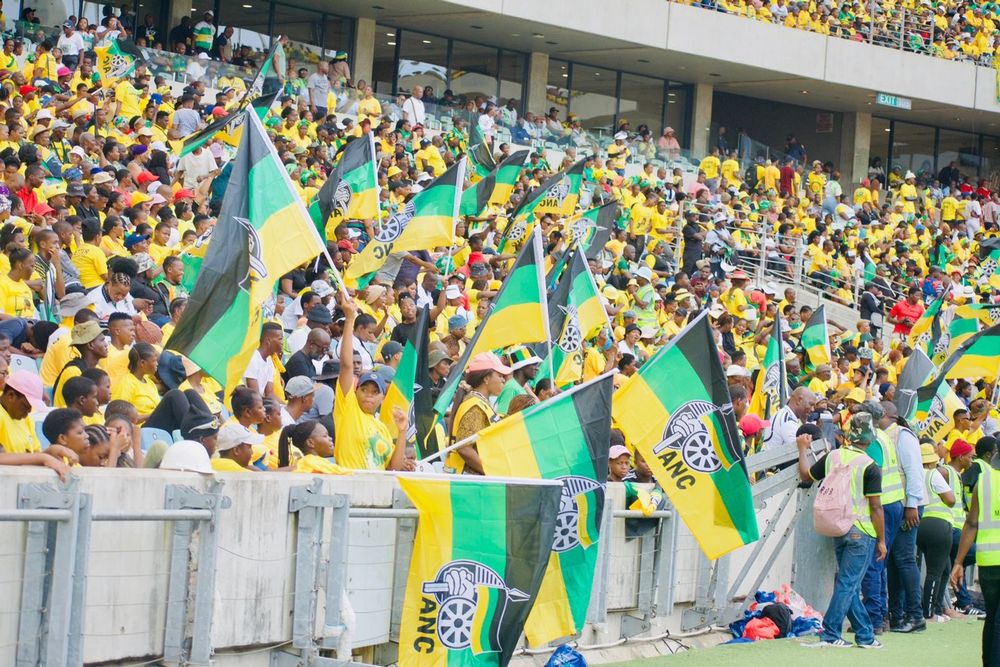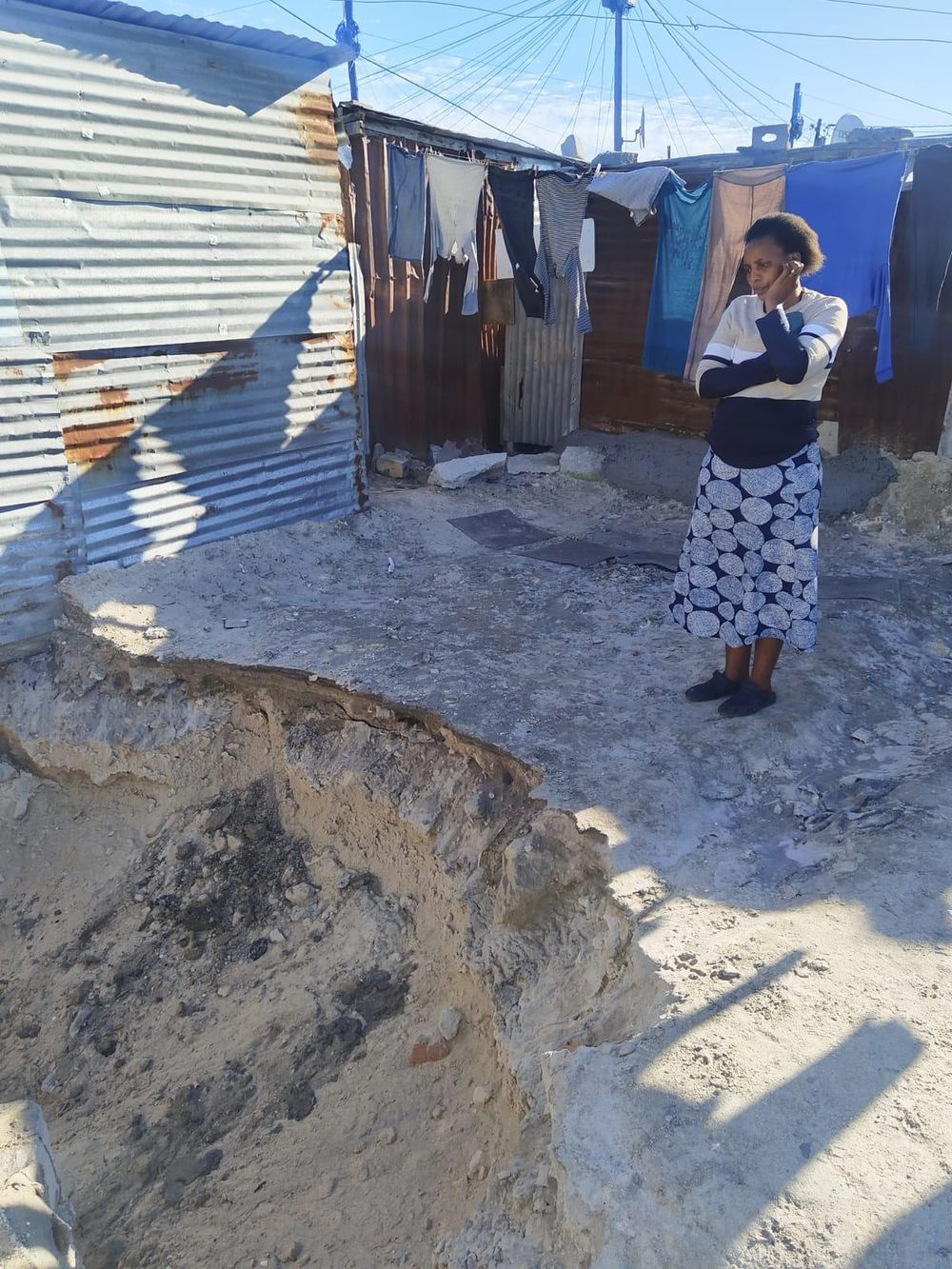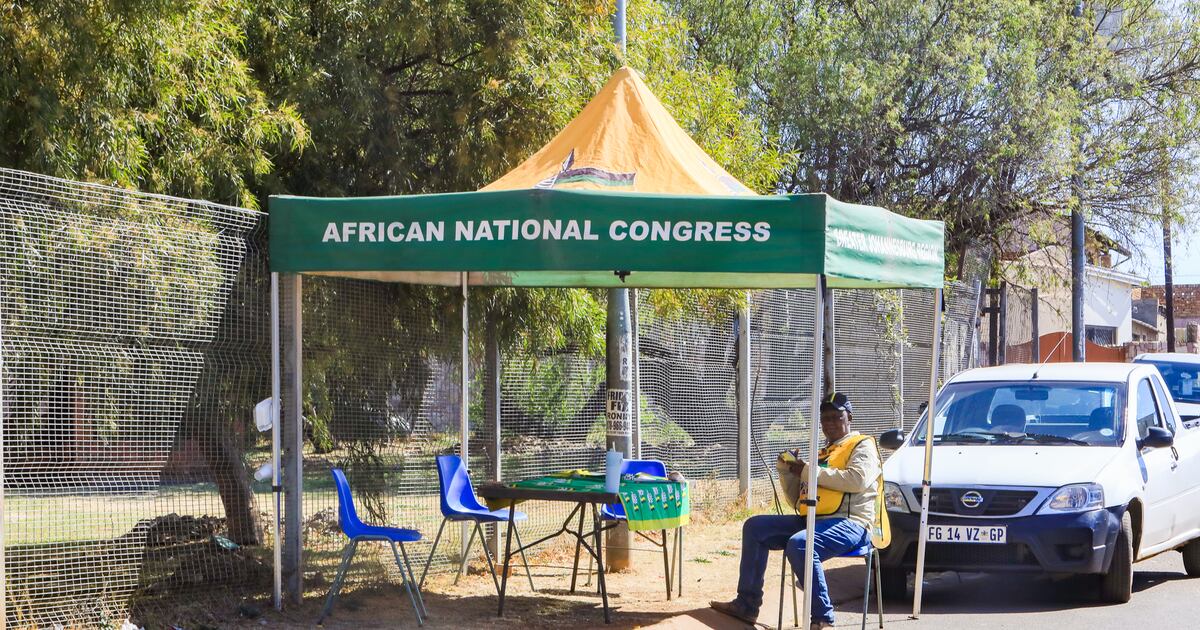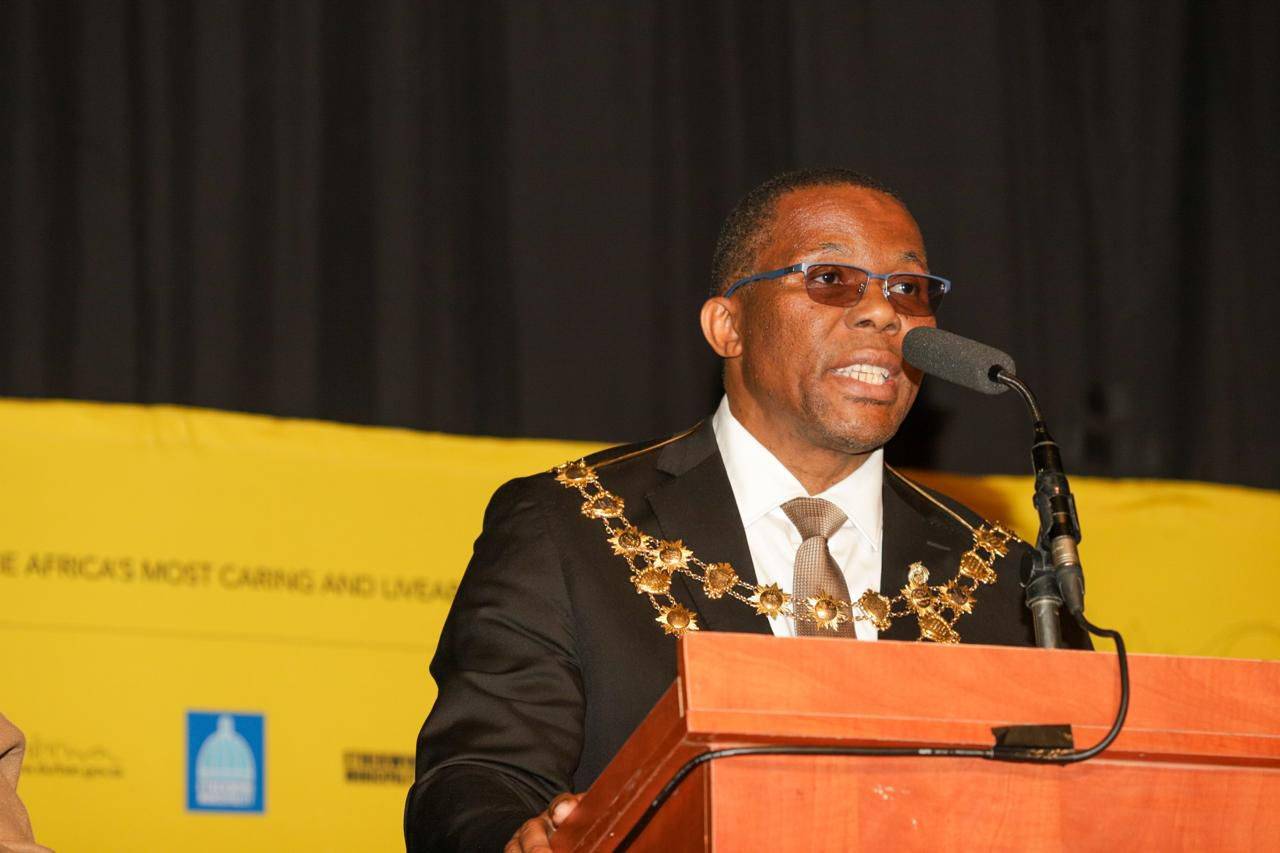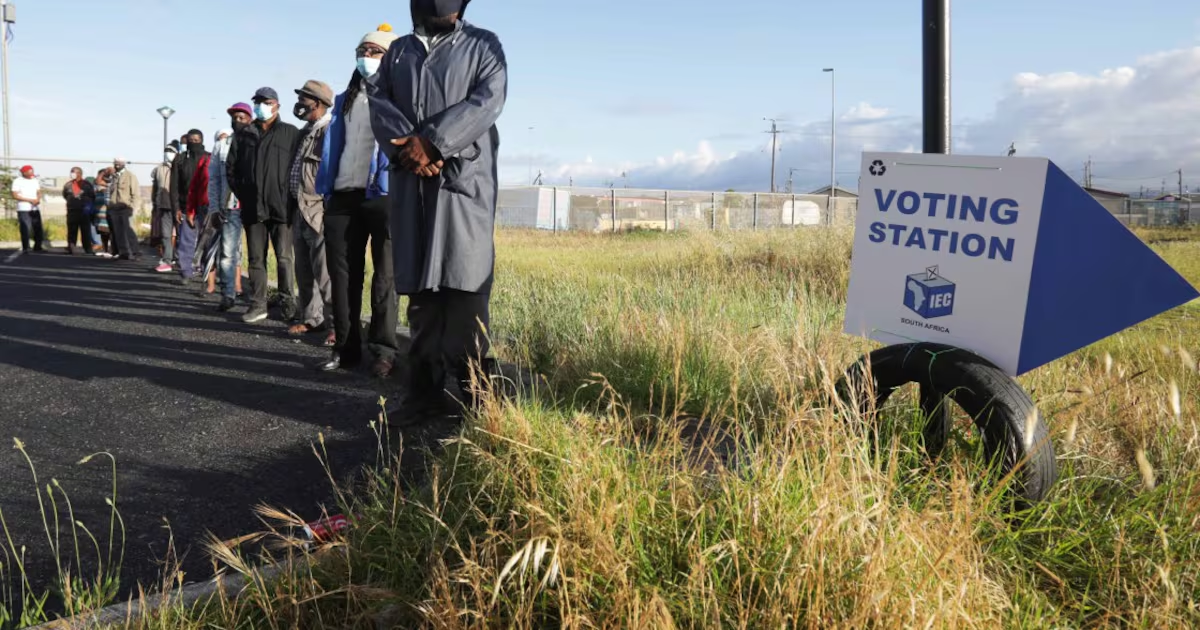
South Africa heads into another municipal election cycle with the ANC having spent more than a decade misreading the signals its own voters have been sending.In 2016, the writing appeared on the wall in the clearest possible terms when the ANC lost control of Joburg, Tshwane and Ekurhuleni. Since the 2014 general elections, the ANC has been losing between 10% and 15% of the vote in urban centres like Joburg in every election up to and including the 2024 national and provincial ballot. Gauteng, the economic heartbeat of the country, told the party in no uncertain terms that the social contract was fraying. The party nodded, convened commissions, produced documents, but proceeded to govern as though nothing fundamental had changed.It is that obstinacy that is the core problem. Not the losses themselves, but the ANC’s failure to learn from them. This year, once again, the ANC is leaving its candidate selection processes to the last minute.(Supplied) Today the party faces a more complicated electoral terrain than ever before. President Cyril Ramaphosa, once the great reform promise, is navigating a parliamentary impeachment inquiry over the Phala Phala farm scandal, a saga that has done measurable damage to the image of a leader who staked his entire brand on clean governance. The ballot is more crowded than ever, with new and established opposition parties competing for precisely the constituencies where the ANC has bled support most visibly.Youth unemployment sits at levels that constitute a structural emergency. And across municipalities from Limpopo to the Eastern Cape, “service delivery” remains a polite phrase for the organised absence of functioning government.Against this backdrop the ANC has made two moves it is presenting as reform. It has centralised mayoral appointments across more than 40 municipalities within the party’s national executive committee (NEC), attempting to impose quality control from the top on a candidate pipeline that has historically rewarded loyalty over competence. It has also widened that pipeline, opening it to people outside the ranks of card-carrying party members. Both decisions carry logic but may have arrived eight years too late. Centralising mayoral selections within the NEC is an acknowledgement that branch-level deployment has been catastrophic. The NEC is the same structure that presided over the catastrophe. Handing it more authority over municipal outcomes does not automatically change the incentives that produced bad choices in the first place. It may simply move the accountability problem upward and make it less visible.If the ANC is prepared to place capable non-members in positions of executive municipal authority, it signals at minimum an awareness that the party’s internal talent market is undersupplied. The question is whether deployees outside the party structure will be empowered to actually govern or whether they will find themselves managing the same factional interference that has paralysed administrations in cities like Joburg for years.The uncomfortable argument, one that will not be made in Luthuli House, is that the ANC may need to lose more ground before it loses enough comfort to genuinely reform.Political parties, like most institutions, do not undertake painful structural change while they retain sufficient power to avoid it. The 2016 losses stung, but clearly they did not sting enough. The 2021 national tally, which dropped the party below 46%, stung more. And if they are not careful, 2026 could see them relegated to also-rans.
EDITORIAL | ANC risks paying price for failing to heed electoral warnings
The ANC is headed for a shock result in the 2026 municipal vote, and it seems to be self-imposed
551 words~3 min read