Get the latest news and updates from Dawn
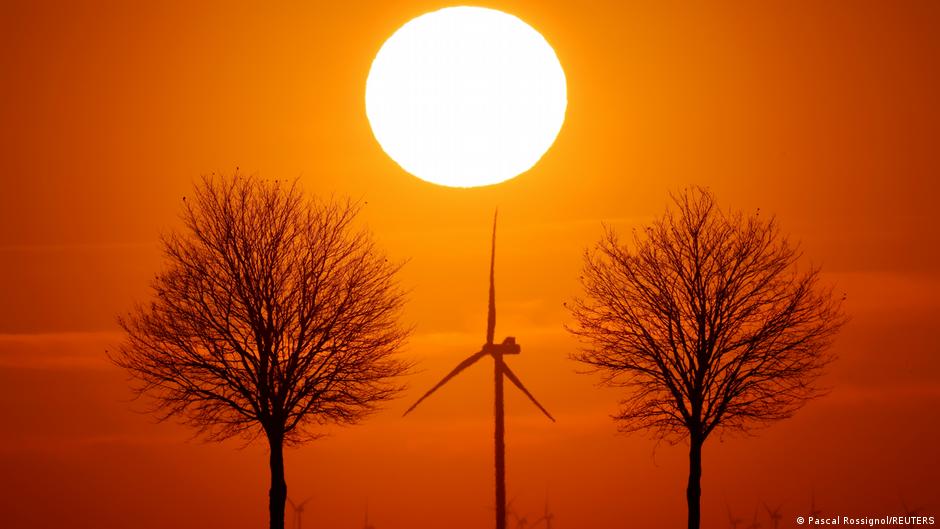
WORLD Environment Day arrives as the planet edges deeper into climatic uncertainty. New global temperature records are being set with unsettling frequency, and the World Meteorological Organisation has warned that the years from 2026 to 2030 are likely to rank among the hottest ever observed. There is a strong possibility that another record-breaking year will emerge before the decade is out, while average global temperatures are expected to remain close to or above the 1.5°C threshold that governments once hoped would help avert the worst impacts of climate change.
The warning may be global, but its implications are intensely local. In May, temperatures in parts of Sindh and Balochistan climbed towards 50°C, triggering heatwave alerts and heightening concerns about pressure on already strained power, water and health systems. At the same time, scientists continue to raise the alarm about the glaciers and snow reserves that feed the Indus basin. For a country whose agriculture, food security and energy production depend heavily on the Indus basin, changes in the region’s ice reserves carry consequences that extend far beyond the mountains.
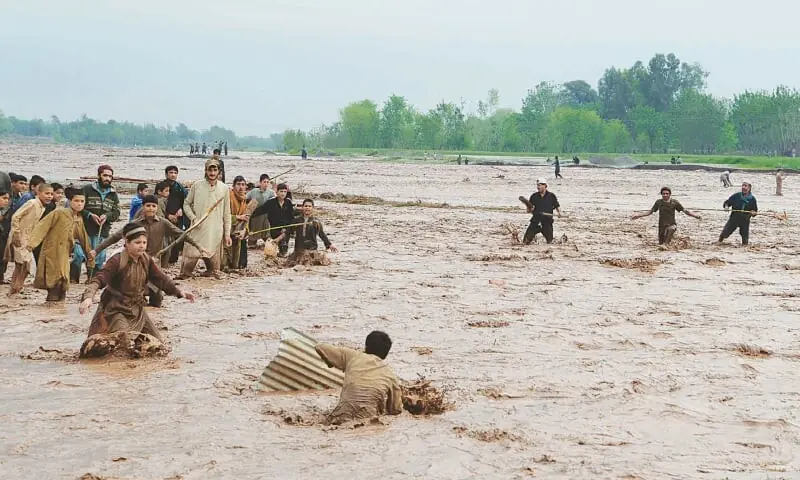
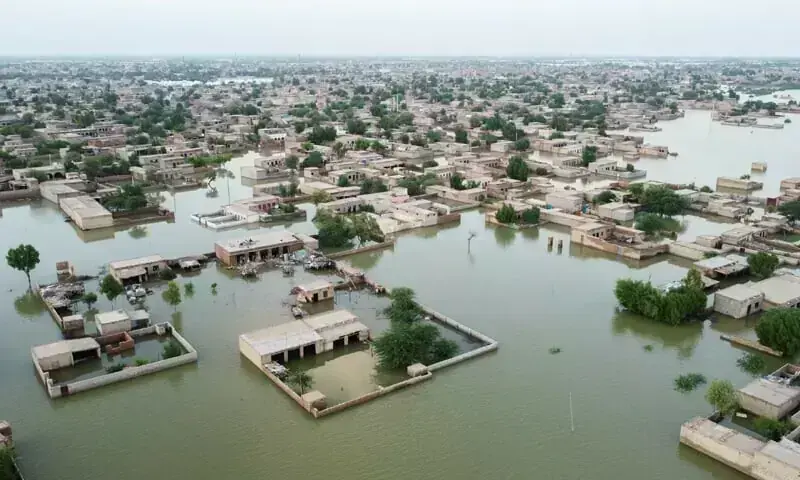
Pakistan knows all too well the consequences of environmental neglect. The catastrophic floods of 2022 inundated vast areas, displaced millions and inflicted losses running into billions of dollars. Yet, despite repeated reminders of the country’s vulnerability, environmental protection continues to occupy a peripheral place in policymaking. Climate adaptation efforts move slowly, urban expansion often proceeds with little regard for sustainability, forests remain under pressure and air pollution continues to burden public health. Shrinking green spaces leave cities increasingly exposed to extreme heat, while weak enforcement of environmental regulations allows ecological degradation to continue largely unchecked.