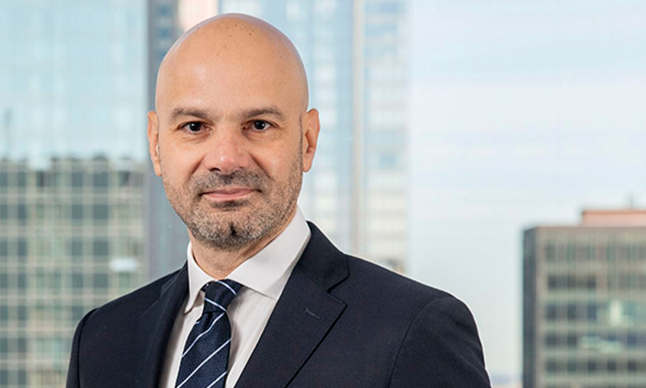
Daniel Ivascyn, the chief investment officer at Pimco, says the first sustained credit default cycle in recent memory has officially started. And here’s the thing: he thinks the losses will be worse than most investors expect.
That warning carries weight. Pimco manages over $2 trillion in assets, making it one of the largest fixed-income shops on the planet.
The quiet stress behind calm spreads
The core of Ivascyn’s argument is a disconnect that should make any credit investor uncomfortable. Credit spreads, the premium investors demand for holding riskier debt instead of Treasuries, remain at historically low levels. On the surface, that looks like confidence. Underneath, it looks like complacency.
Ivascyn pointed to several indicators that paint a less rosy picture. Pimco has flagged elevated shadow default rates and a growing use of payment-in-kind features across corporate lending. Shadow defaults are situations where borrowers restructure or amend loan terms to avoid a technical default, essentially kicking the can down the road without it showing up in official default statistics. Payment-in-kind, or PIK, is when a borrower pays interest with more debt instead of cash.