Plans to ban US researchers from spending federal grants on open access fees unless requests are signed off by agency officials will do little to reduce publishing costs, experts have warned.
Under proposed rule changes published by the Office of Management and Budget, all journal publication costs – “including page charges, article processing charges (APCs), or similar fees such as open access fees for professional journal publications and other peer-reviewed publications” – will become “unallowable under federal awards”.
Exceptions would be permitted only if requests are approved in advance for a federal funder “on a case-by-case basis” – a move designed to “strengthen stewardship of federal funds”, say the proposed guidelines, which were published quietly, without notice or a press release, on 29 May.
“Publication costs are not inherently necessary to carry out the core programmatic objectives of most federal awards,” the proposals state, adding that free-to-read publishing is often “discretionary”, will “vary widely in scope and costs, and may serve institutional, professional, or reputational interests rather than the specific objectives of the federal program”.
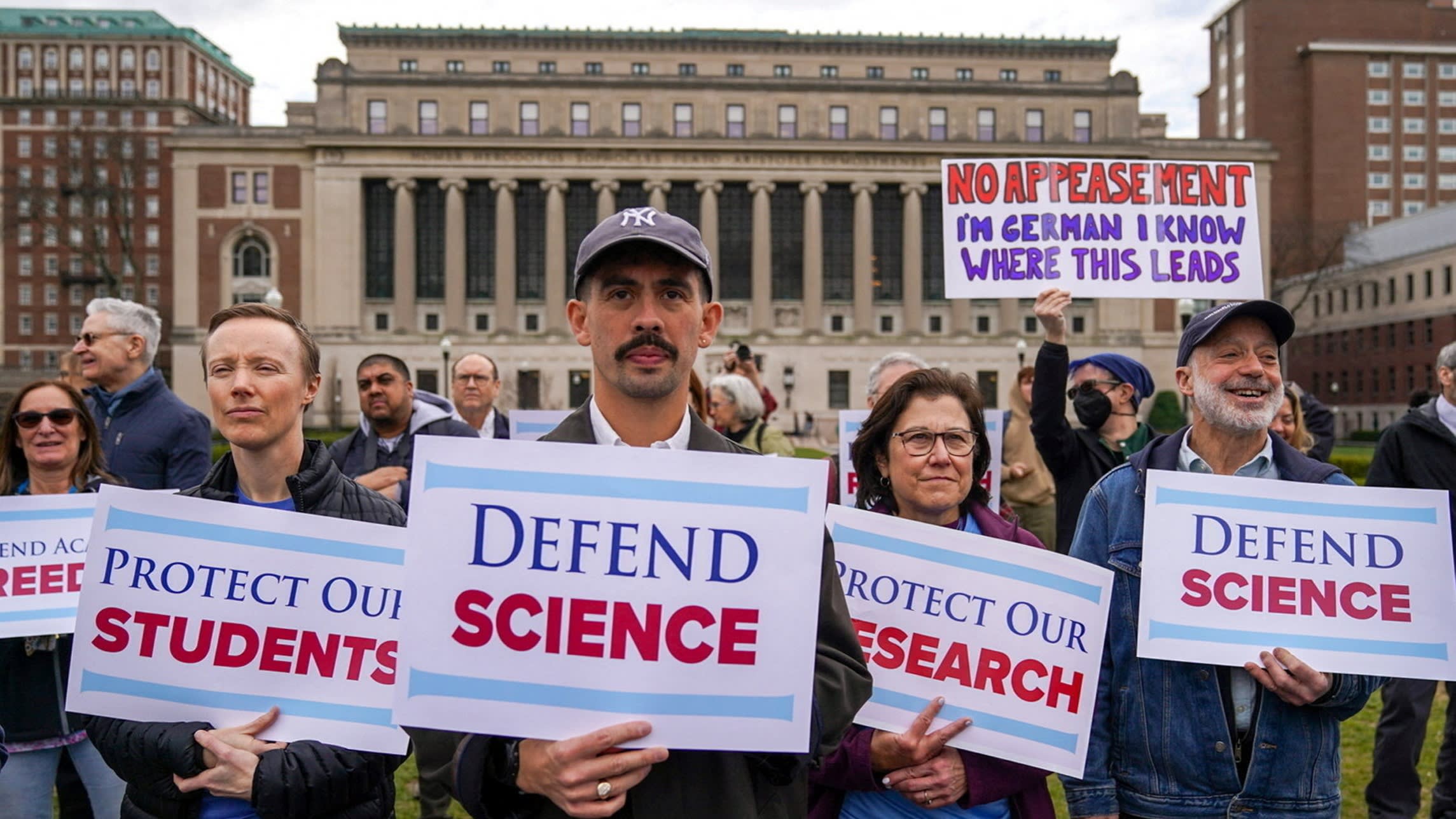
The proposals – condemned by many scientists as unjustified political interference in US science and the latest salvo in Donald Trump’s “war on science” – come as the National Institutes of Health is considering capping APCs, with limits of between $2,000 and $3,000, or $6,000, among scenarios proposed in July 2025 – far below the publication fees of more than $12,000 (£8,900) charged by many top journals.