Support CleanTechnica's work through a Substack subscription or on Stripe.
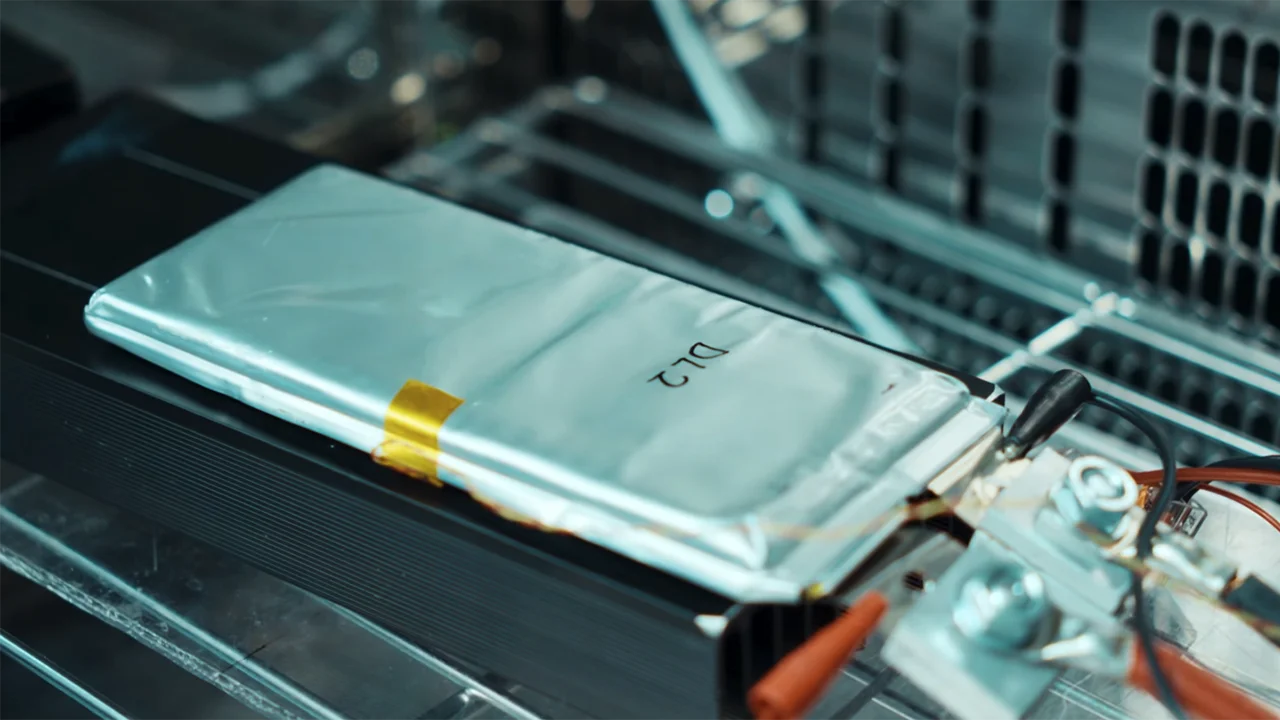
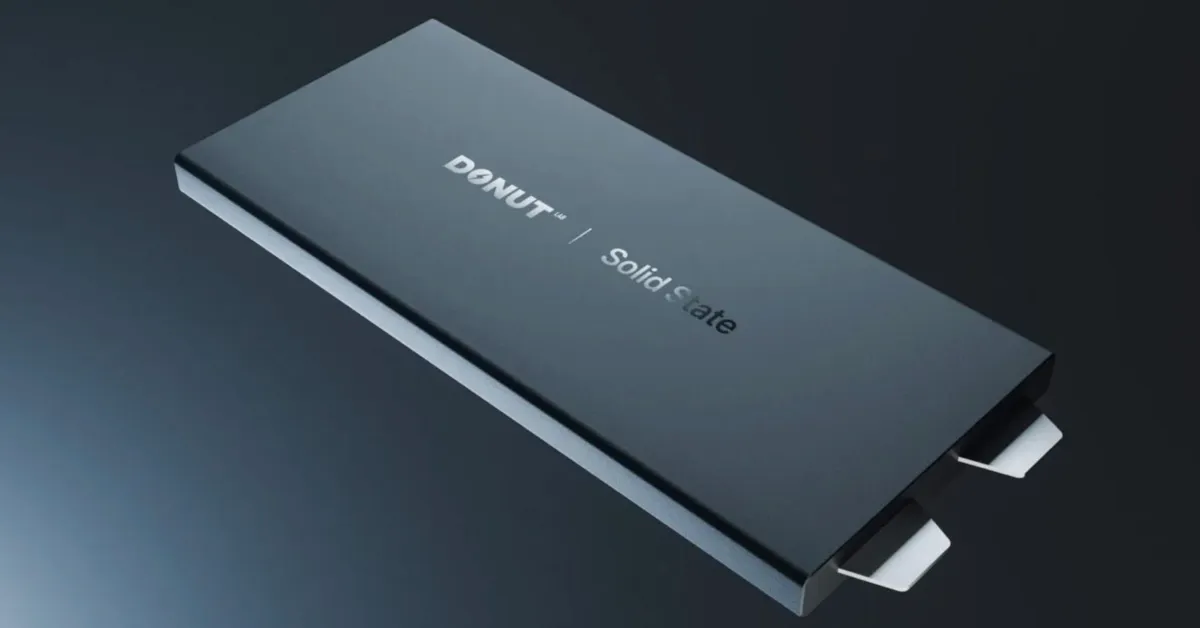
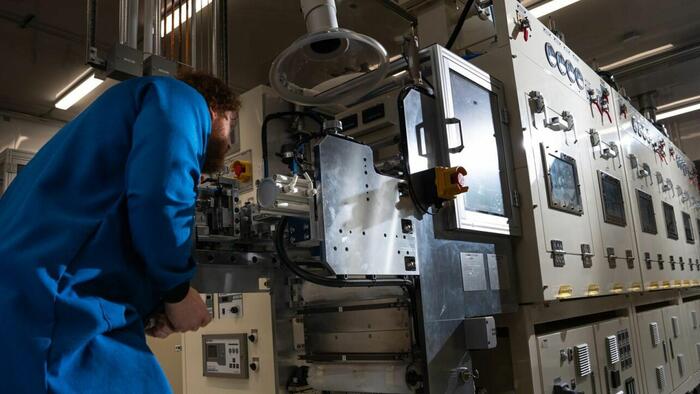
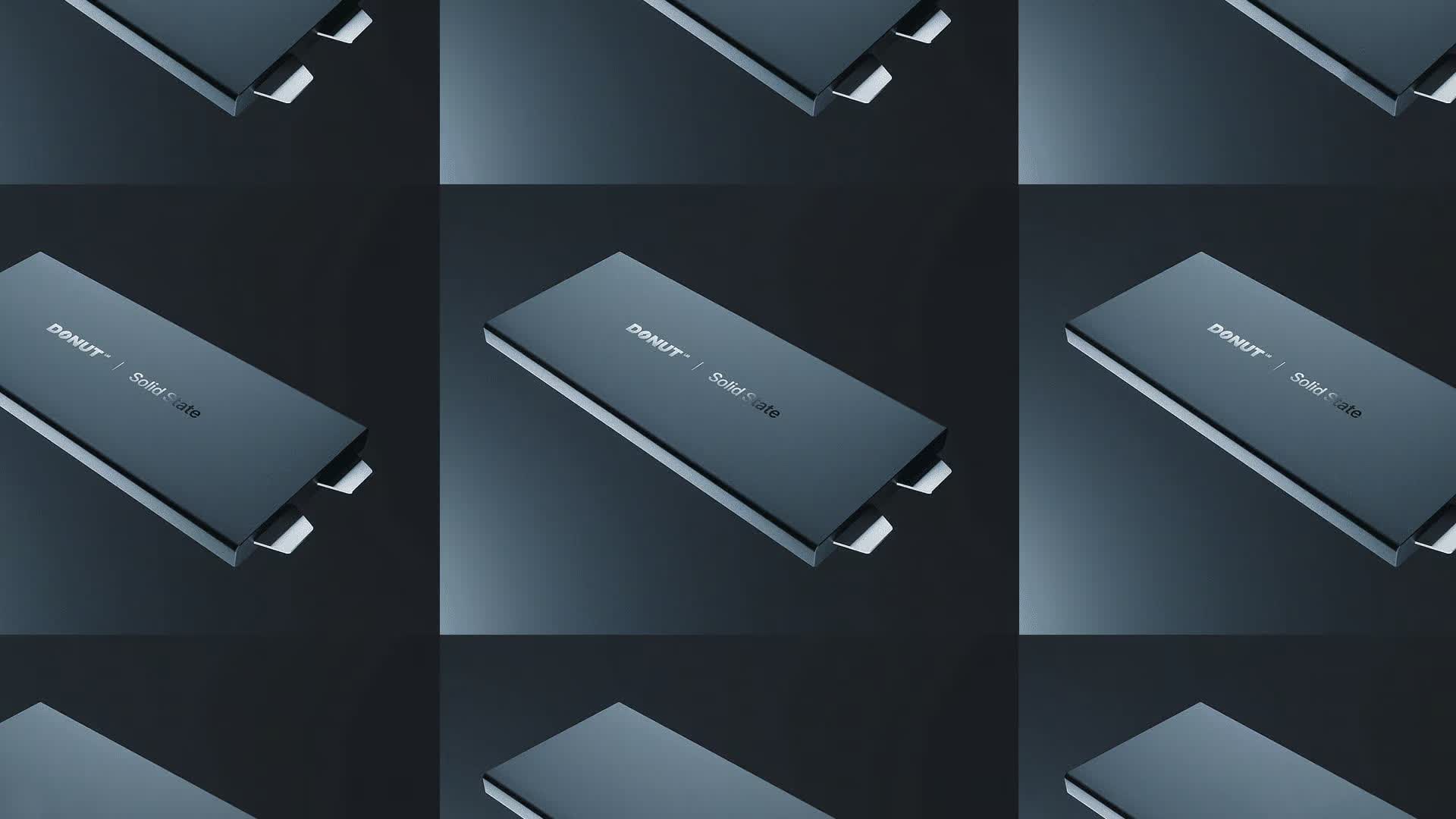
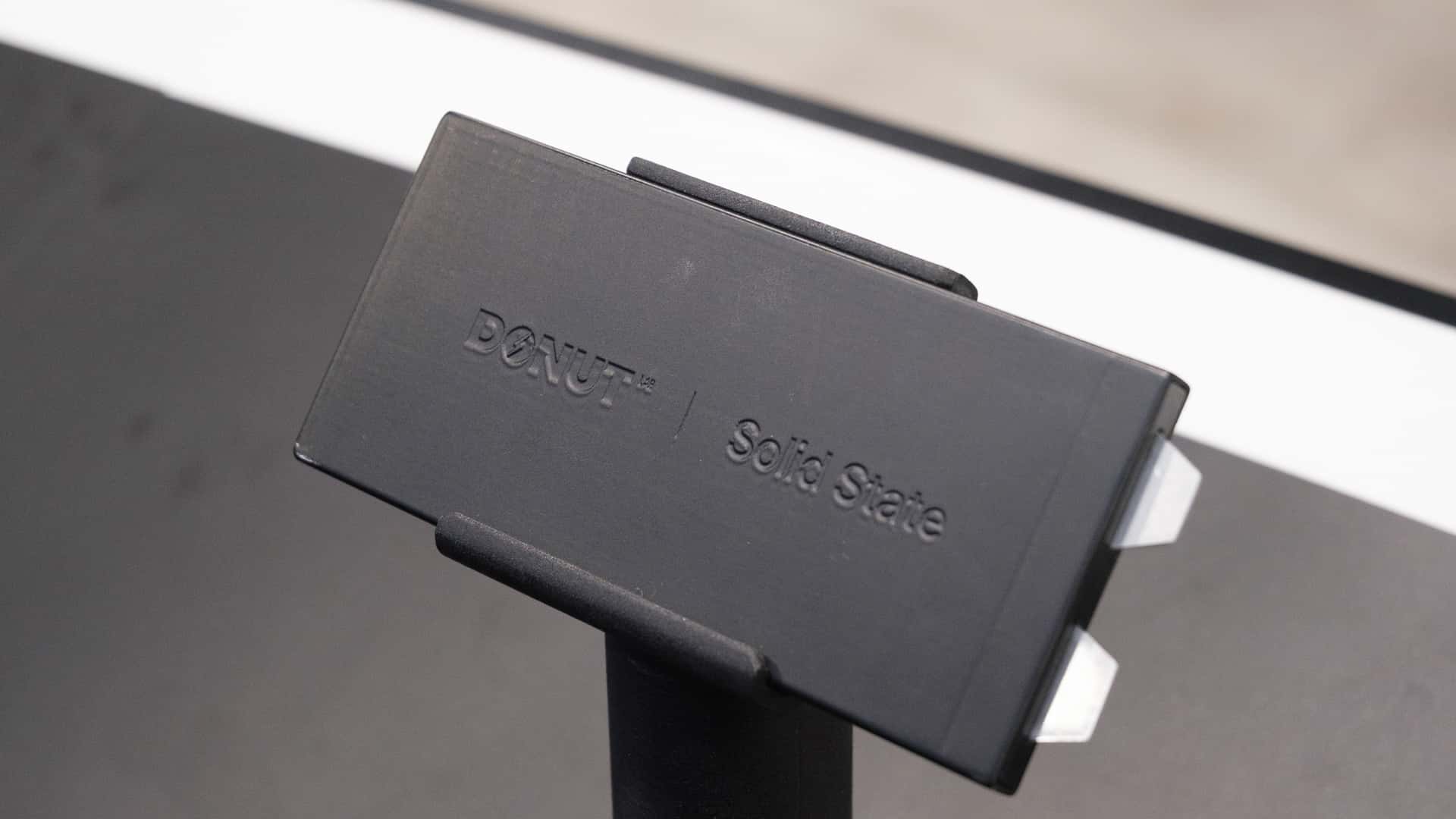
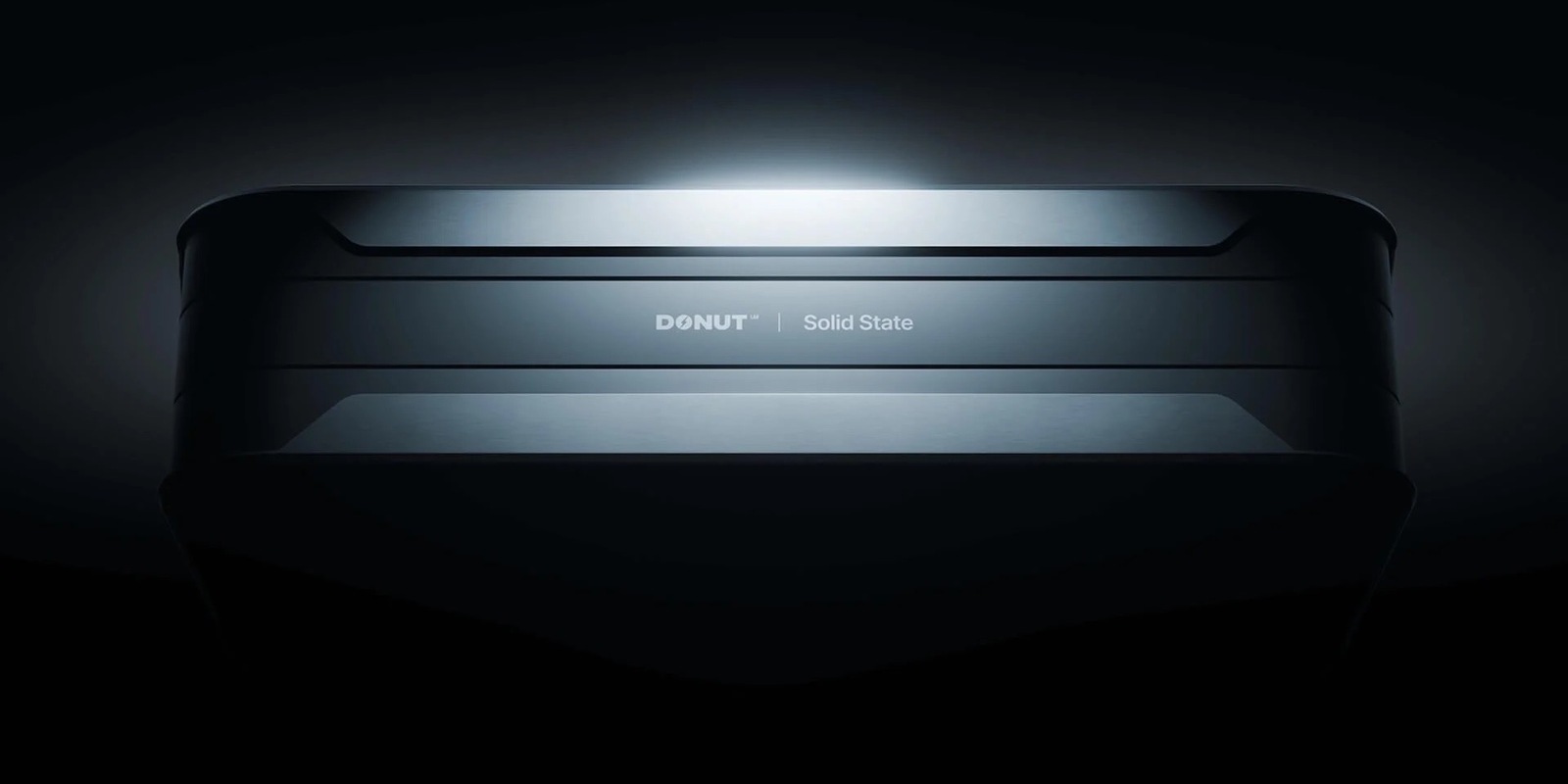
Donut Lab’s latest video reveals a novel manufacturing method. Speculation has swirled around the methods and sources of Donut Lab’s batteries since their introduction. We now have word from them supporting some of the sleuthing that has revealed a different manufacturing method — but first, we need to take a look at what standard battery manufacturing is like today.
Lithium-Ion Manufacturing Process
Modern lithium-ion battery manufacturing processes grew from Sony’s first lithium-cobalt batteries intended for mobile electronics. Sony had a background in magnetic tape manufacturing, a process that used acetate tape and coated magnetic particles on it using binders. This process involved assembly lines that used fine magnetic powders, often in slurries, combined with binders that stuck the powders to the tape. The tape coating thickness is controlled by blades that thin the slurry, wiping it down to a thin coating. Then the sheets are cut into strips. Sony adapted its manufacturing technology to lithium-ion batteries by using similar equipment to apply a slurry of metal oxides to metal film to construct a cathode. They used the same technique to coat an anode with graphite. Metal oxide cathodes are sensitive to water. In the assembly line, powder is mixed in slurries use volatile and toxic solvents in a gigantic sealed manufacturing room. The solvent is constantly filtered, removed, and recycled to keep emissions down.