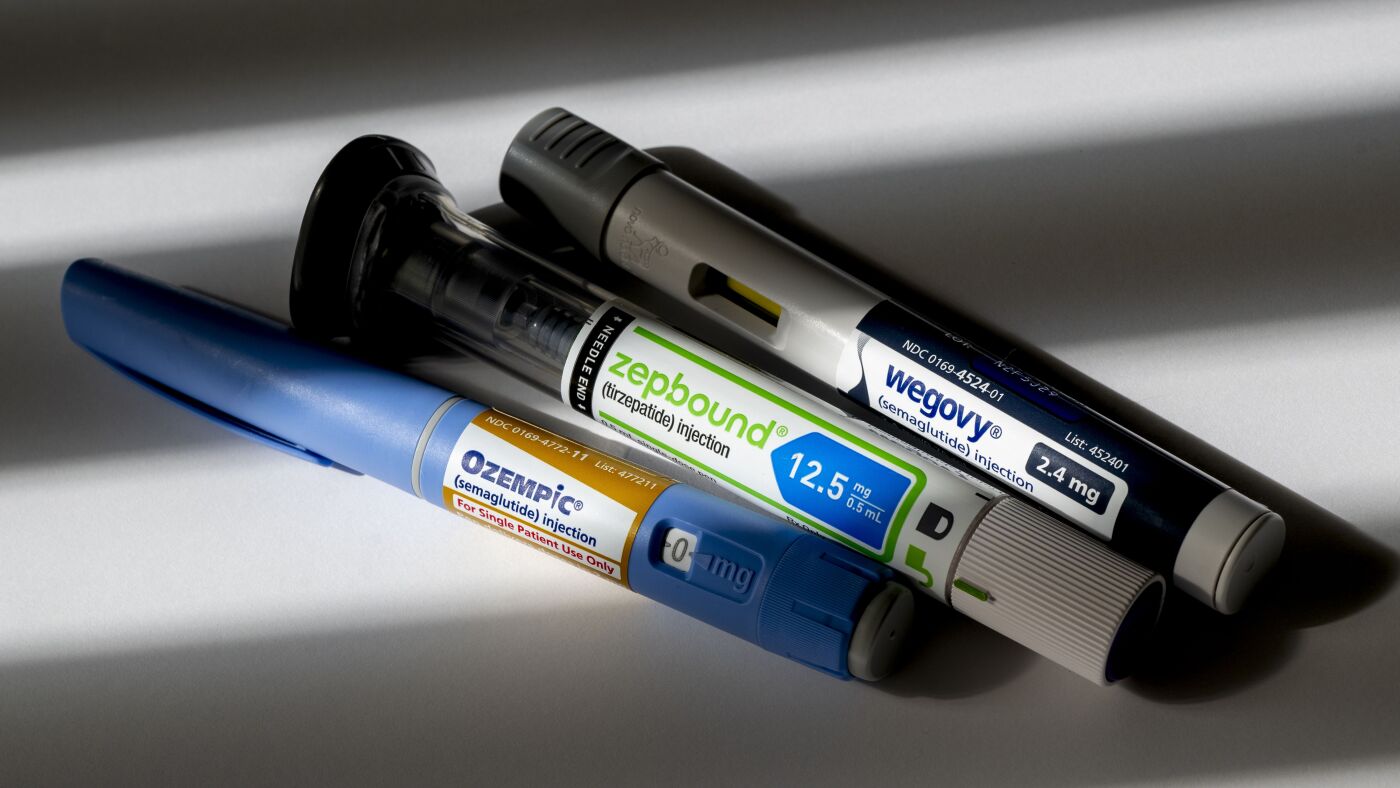
CHICAGO -- A study of women undergoing breast imaging showed a significantly lower incidence of breast cancer in those who had a history of treatment with GLP-1 agonists.
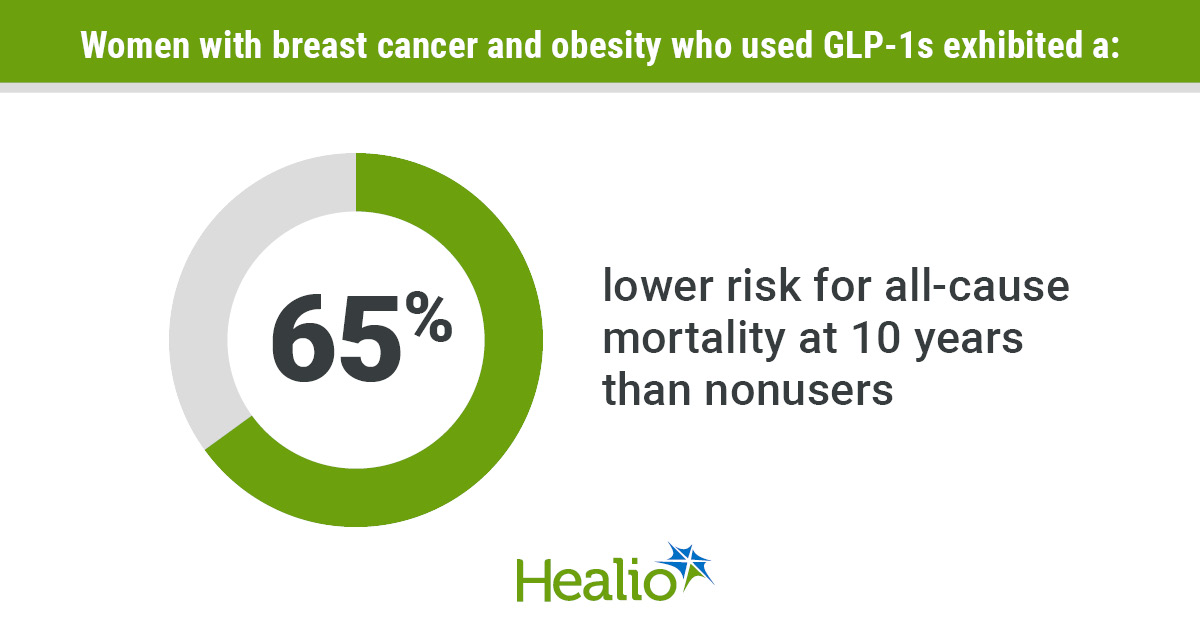
Involving more than 30,000 women, the study showed an overall breast cancer rate of 1.97%, including 1.62% in patients who received GLP-1 agonists for overweight or obesity and 2.31% in those who did not. The difference represented a 30% lower risk of breast cancer in the GLP-1 group.
The findings, combined with multiple other studies, have provided impetus for a prospective clinical trial of GLP-1 drugs to prevent breast cancer, reported Elizabeth S. McDonald, MD, PhD, of Penn Medicine and Abramson Cancer Center in Philadelphia, at the American Society of Clinical Oncology (ASCO) meeting.
"Observational data cannot establish a causal relationship," said McDonald. "We are seeing signals at this meeting in multiple cancers -- colon, lung, liver, leukemia, endometrial, multiple myeloma -- for decreased progression to metastatic disease, decreased recurrence, decreased incidence, and increased survival. The time is now to invest in a clinical trial to see if these drugs are causal for cancer prevention."
"Since one in eight women get breast cancer, breast is the ideal tumor type around which to build a prospective clinical trial, due to the high number of events, so we are poised to launch a large-scale clinical trial to test the cancer preventative impact of GLP-1 agonists within the next few months," she said.