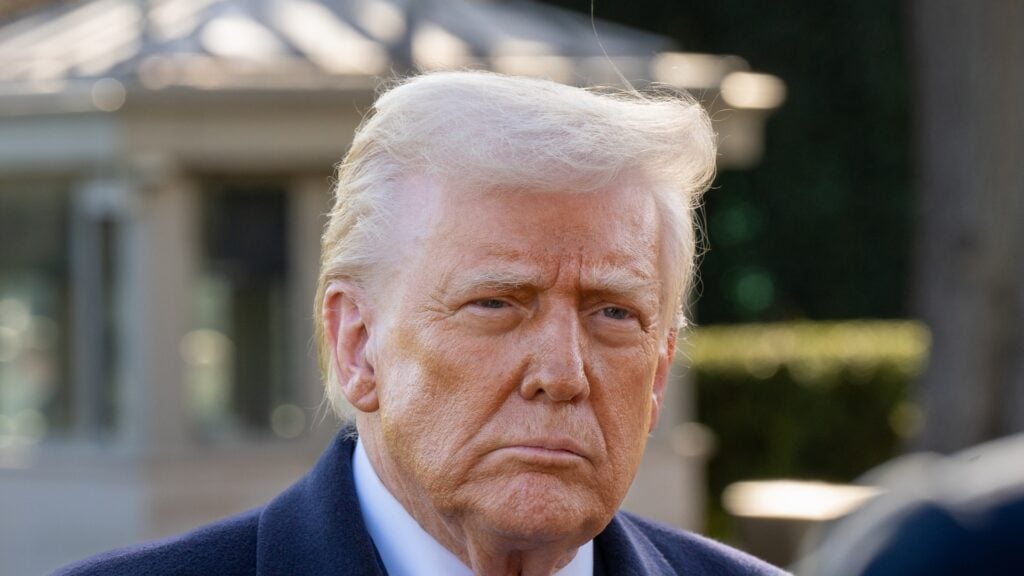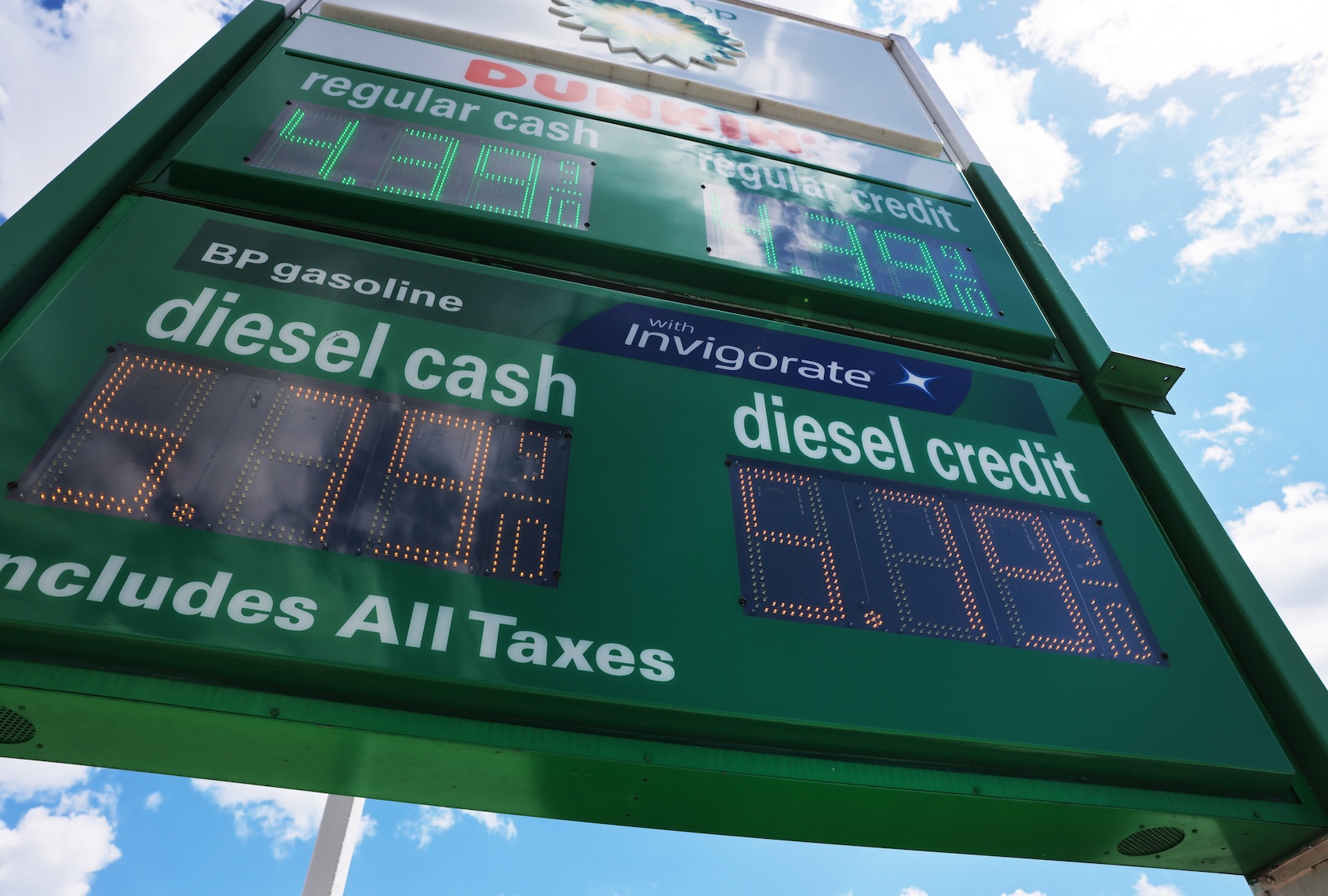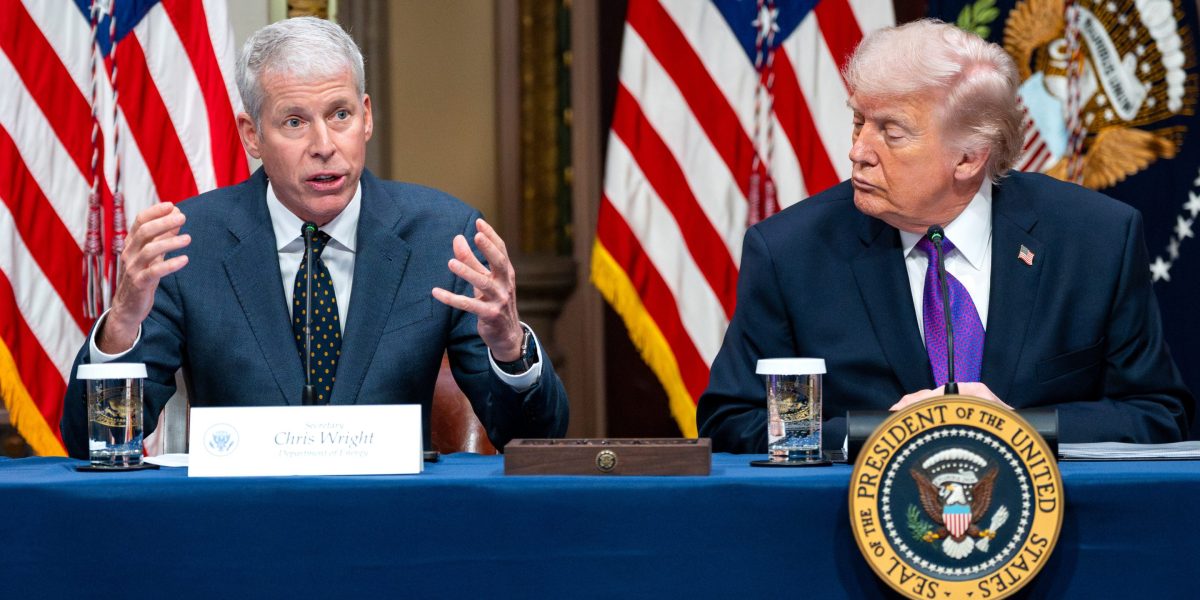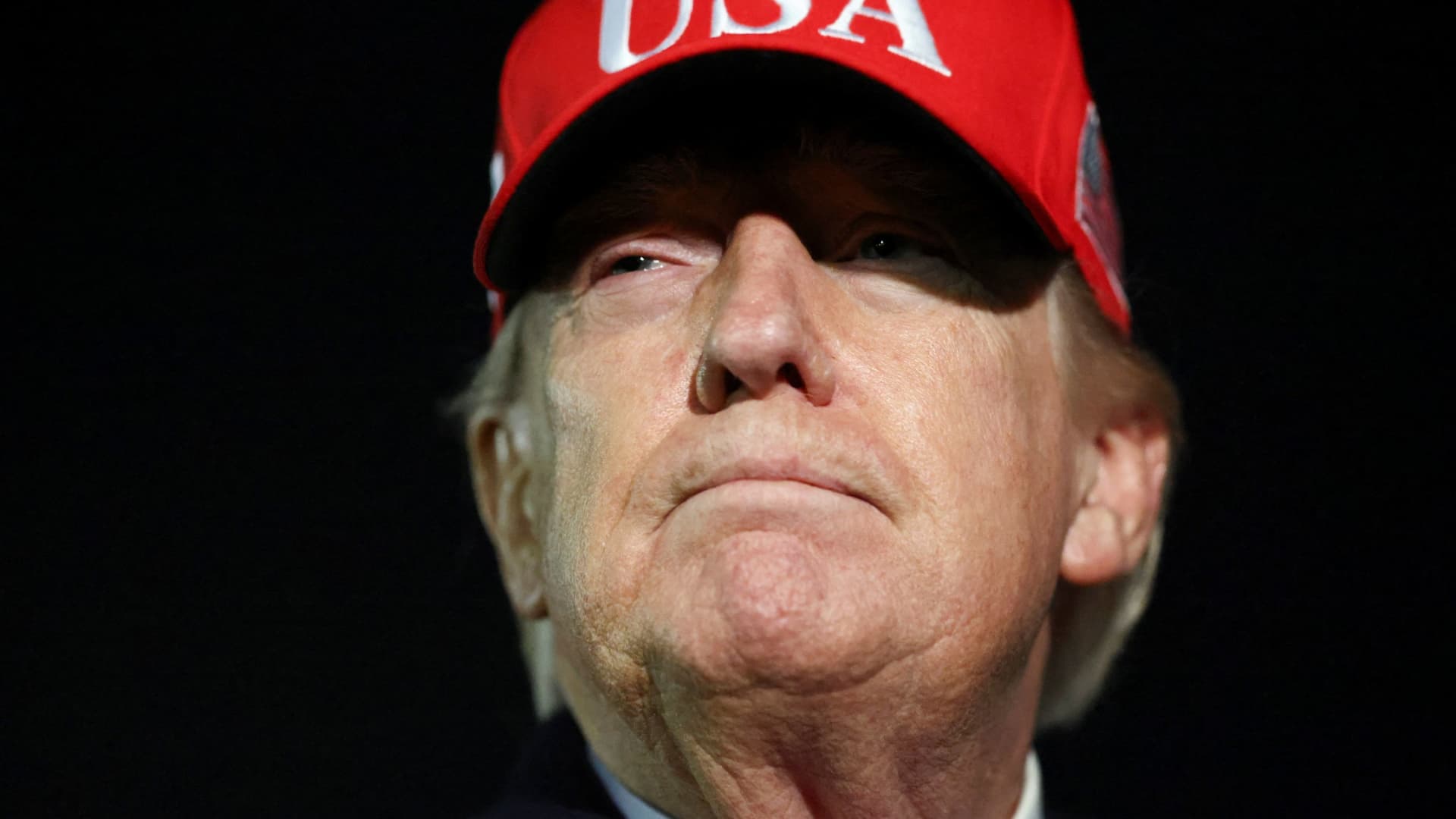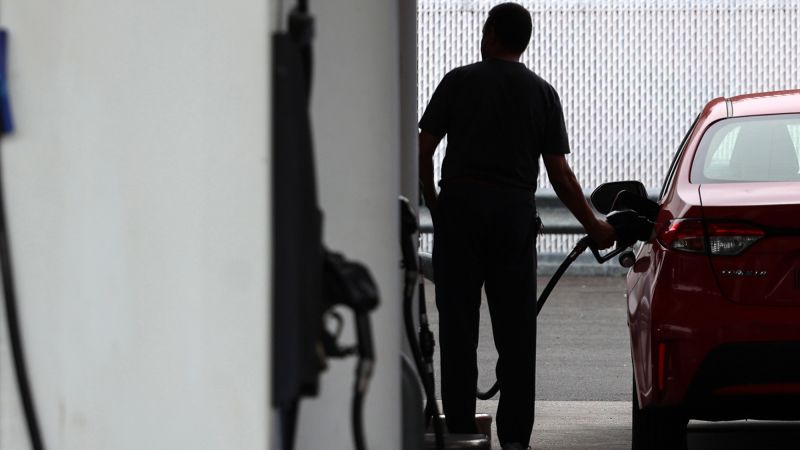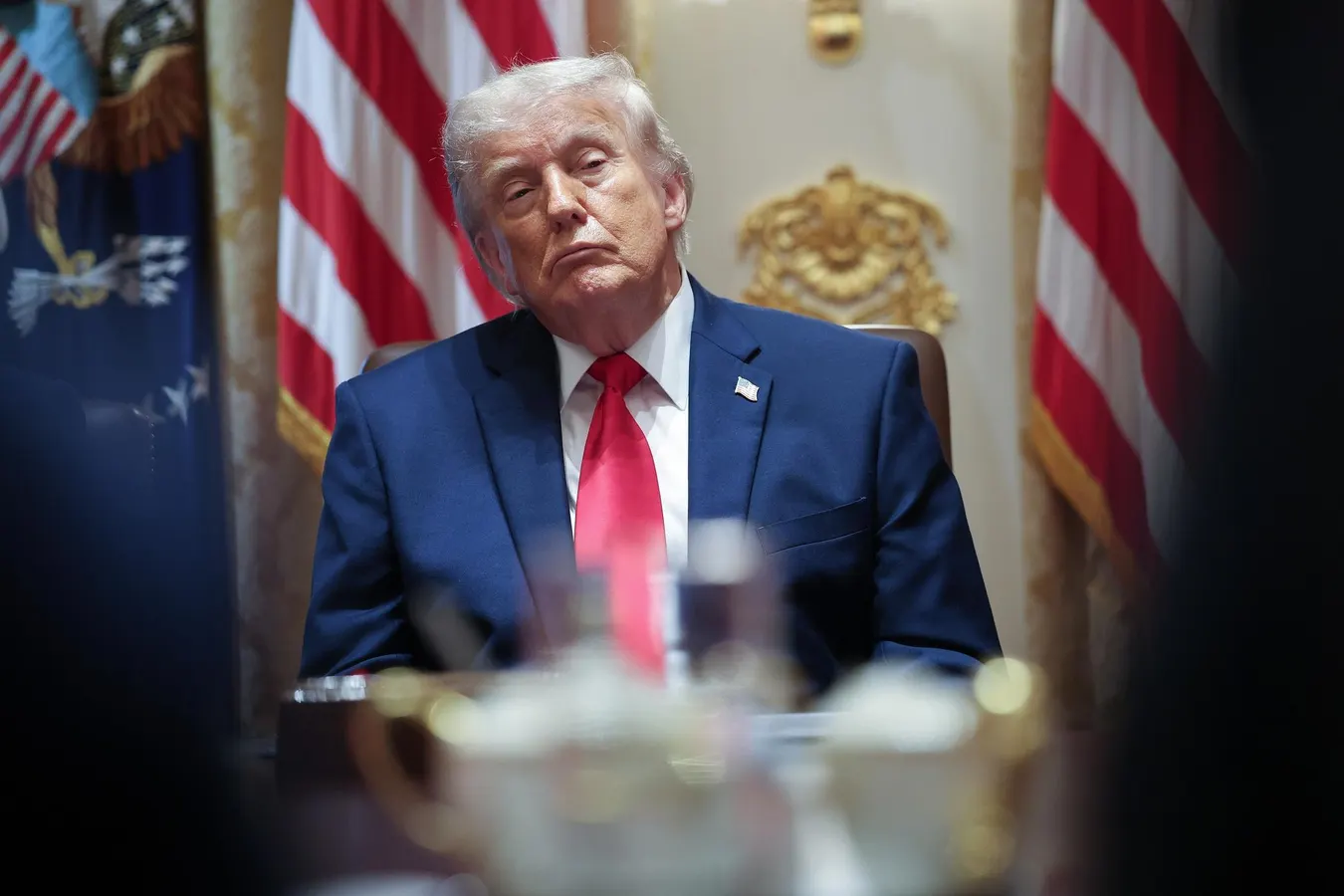
ToplineWith the Strait of Hormuz closed for 96 days and no end to the Iran war in sight, an energy expert told Forbes gas prices “will get worse before they get better”—as Americans make trade-offs to get away this summer.On May 27, President Trump said a peace deal with Iran was “largely negotiated” amid expectations around the re-opening the Strait of Hormuz. (Photo by Win McNamee)Getty ImagesKey Facts“Gas prices probably haven’t peaked yet for the summer,” Patrick De Haan, GasBuddy’s head of petroleum analysis, told Forbes, adding there’s a “50-50 chance” the average gas price tops $5 a gallon in the coming weeks and months.The portion of Americans concerned that gas prices will “greatly impact their travel plans within the next six months” has nearly doubled from 21% in March to 40% in May, according to a Longwoods International tracking survey.Executives at three tourism organizations in popular U.S. drive-to destinations—Myrtle Beach, South Carolina; Door County, Wisconsin and Monterey, California—told Forbes demand for this summer was on par or better than last year, a sign Americans are still traveling though staying closer to home.One Person—Trump—Can Bring Gas Prices DownEarlier this week, President Donald Trump blamed Democrats and “unpatriotic” Republicans for stalled Iran talks. But De Haan noted to Forbes: “Trump started this mess, and he’s got to figure it out. It’s on him,” referring to the closure of the Strait of Hormuz. “Iran’s not going to figure out his mess. Our allies aren’t going to figure out Trump’s mess.” Trump assailed Republicans who joined Democrats in voting Wednesday to end the Iran war, calling it a “meaningless” vote—and he’s correct that the legislation faces a tough road to full passage. “Trump made a lot of miscalculations, and until he comes to the realization that he needs to solve this, nothing’s going to happen,” De Haan said, adding that at this point, even opening the Strait of Hormuz likely wouldn’t bring gas prices down to pre-war levels before the end of summer. “The longer we go, the more it looks like we could see solidified prices north of $4 a gallon,” he said. That’s worrying for tourist destinations that rely on car visitation this summer. “While we’ve been resilient in the face of the increased fuel costs, we’re keeping a very close eye on” gas prices, Rob O’Keefe, CEO of the tourism organization serving Monterey, a seaside destination on California’s Central Coast, told Forbes. “There may be a point where people tighten up the purse strings even further, because they get that feeling like this isn’t going away anytime soon.”Meanwhile, Summer Vacations Are ShrinkingAmericans aren’t canceling their summer vacation plans, but they are making trade-offs and looking for ways to spend less. Among Americans who are planning to travel this summer, more than one third are taking fewer trips this summer (37%) or shifting to destinations closer to home (36%), according to the Longwoods International survey in May. “2026 will absolutely be the summer of the regional road trip for American leisure travelers,” Amir Eylon, president and CEO of Longwoods International, told Forbes. “Since the pandemic, travel for Americans has shifted from a want to a need. They are willing to make sacrifices in other parts of their lifestyle in order to make sure the trip happens.” For many, that might look like a long weekend getaway rather than a weeklong vacation. And for the first time since late 2024, high-income Americans are beginning to downshift from luxury hotels to upscale and midscale properties, according to credit card spending data from Consumer Edge, a firm that tracks global consumer transactions. Among the highest earning Americans (with income of more than $100,000), “midscale and upscale select categories are seeing the highest growth, while the luxury category is decelerating in terms of growth. So those could be signs that people are trading down,” Michael Gunther, senior vice president of research and market intelligence at Consumer Edge, told Forbes. And something else is getting downsized. O’Keefe told Forbes that Monterey has seen “a significant decrease in the booking window”—the time between reserving the trip and traveling—which is typically seen as a symptom of economic anxiety. “People are deciding on Tuesday where they want to go on Friday and stay over the weekend,” he said, adding he agreed with Eylon’s assessment that getting away has become a necessity for many. “There are certain times when travel experiences are medicinal and they provide a mental break. People need to get away, and they need to take a deep breath.”Regional Destinations Emerge As WinnersRegional drive destinations—where the lion’s share of visitors come by car from within a several hours’ drive, at most—are seeing strong demand for the summer ahead, perhaps at the expense of destinations requiring a flight or longer car ride. “Myrtle Beach tends to benefit as gas prices rise, up to a point,” Stuart Butler, who leads marketing for Visit Myrtle Beach, told Forbes. For example, a family coming from a Mid-Atlantic state that may have planned a longer drive to a Florida beach may choose Myrtle Beach instead. “Right now, with gas prices hovering around $4.50 you can save, depending on how big your vehicle is, $150 to $200 on just gas alone on that vacation,” he said. “That’s a substantial amount of your budget.” The tourism organization for Wisconsin’s Door County, an idyllic peninsula jutting into Lake Michigan, is seeing the same trend. “We hear from those who had planned to take a longer, multi-state trip decide instead to stay closer to home,” Jon Jarosh, interim CEO and chief communications officer at Destination Door County, told Forbes. “I think we become even a more attractive destination option for folks from Wisconsin and Illinois because they still can get away, but they’re not traveling for 24 hours in a car.”TangentIn the two weeks immediately after the U.S. and Israel attacked Iran, member-based warehouse stores selling discounted gas, such as Costco, Sam’s Club and B.J.’s, picked up significant market share in the retail gas industry, Gunther at Consumer Edge told Forbes. “And that has persisted and grown. It’s notable in terms of people actually shifting where they get their gas.”Further ReadingTrump Says Democrats And Some ‘Unpatriotic’ Republicans Are Making Iran Talks ‘Tougher’ (Forbes)U.S. Gasoline Inventories Are Falling At A Record Pace (Forbes)Gas Prices Are Up 42% Since Last Memorial Day—And Unlikely To Drop Soon (Forbes)
Trump Alone Can Fix Gas Prices—But Not Likely This Summer
For many Americans, summer getaways will be shorter in length and closer to home—as higher gas prices keep them from costlier vacations.
1,059 words~5 min read