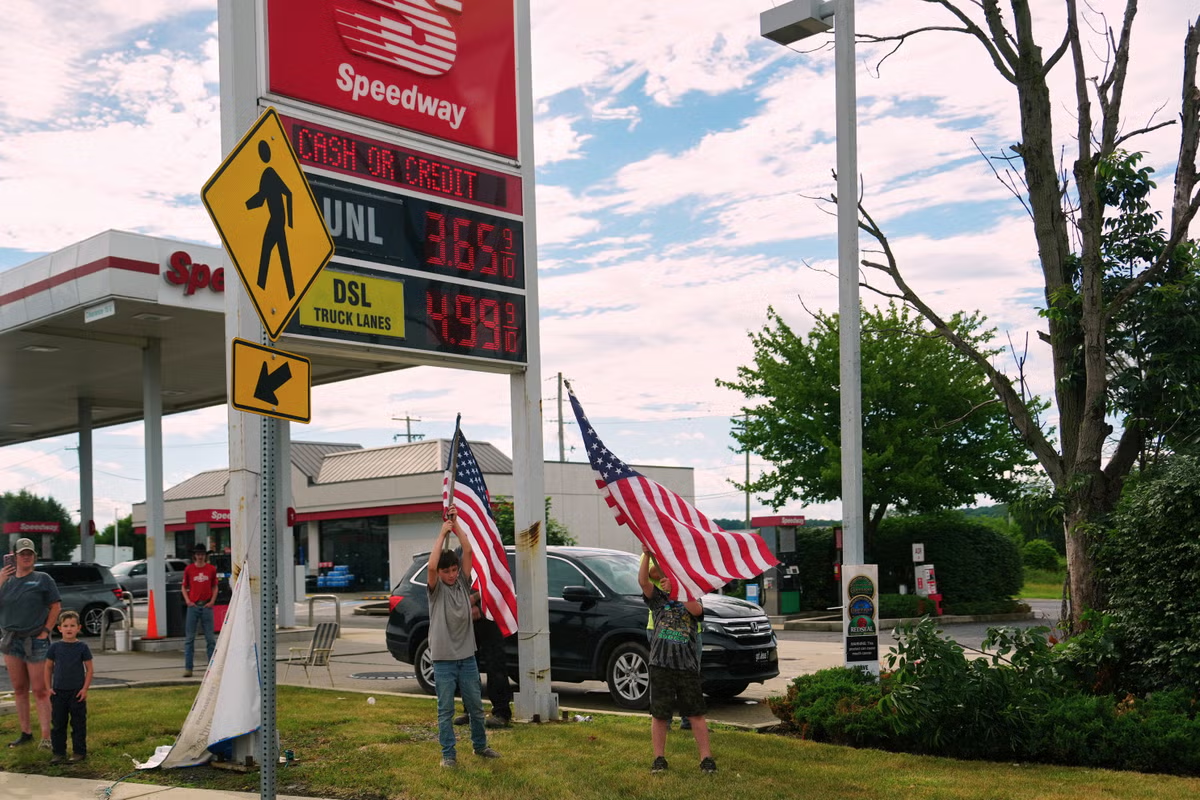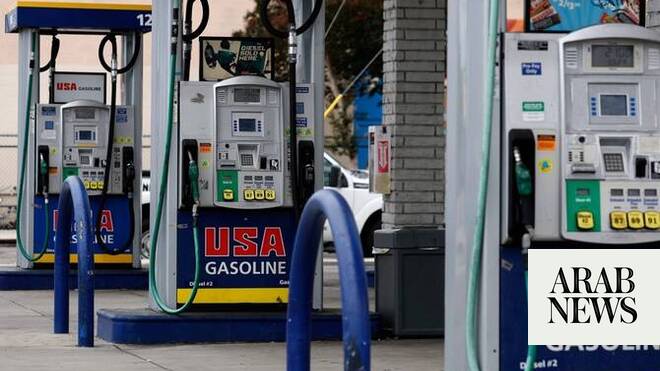
The domestic impact of the conflict in Iran is visible on brightly lit neon signs outside tens of thousands of gas stations across the U.S. Average fuel prices are now $3.84 a gallon, up 31% from a month ago. And it might be a long time before drivers see gas below $3 a gallon again, despite recent statements from the Trump administration claiming otherwise.
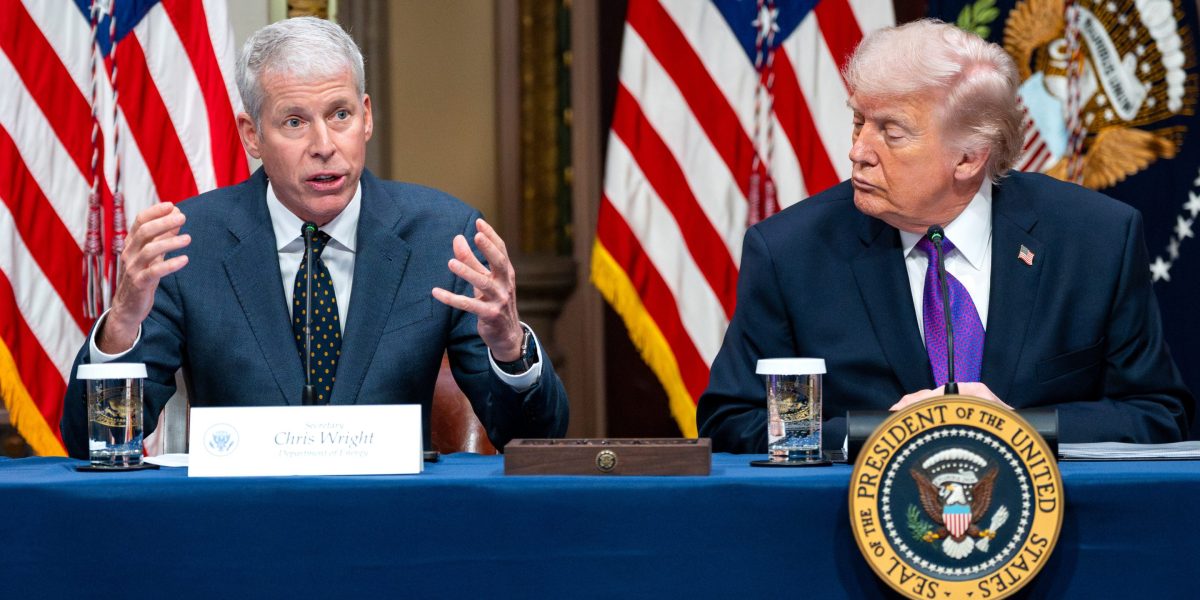
Administration officials have framed spiking gasoline prices as short-lived pain that will resolve itself quickly. “Americans will feel it for a few more weeks,” Energy Secretary Chris Wright told NBC over the weekend, adding that he saw a “very good chance” that gas prices would dip below $3 a gallon come summer.
A rapid drawdown in gasoline prices would require an immediate end to hostilities in the Middle East and a reopening of the Strait of Hormuz, the marine chokepoint that used to ferry most Persian Gulf fossil fuel exports to the rest of the world. But even if the war were to prove short-lived, there’s no guarantee gasoline prices would return to pre-conflict levels any time soon. Many predictions are pricing in a prolonged recovery timeline, including those issued by Trump’s own analysts.
Gasoline costs in the U.S. for 2026, including taxes, could average around $3.34 a gallon, according to a projection published last week by the Energy Information Administration (EIA), a semi-independent statistical agency under the Energy Department’s purview. As things stand, things aren’t likely to improve much next year, with per gallon prices averaging out at $3.18, according to the EIA.