1. Three hosts with strained ties
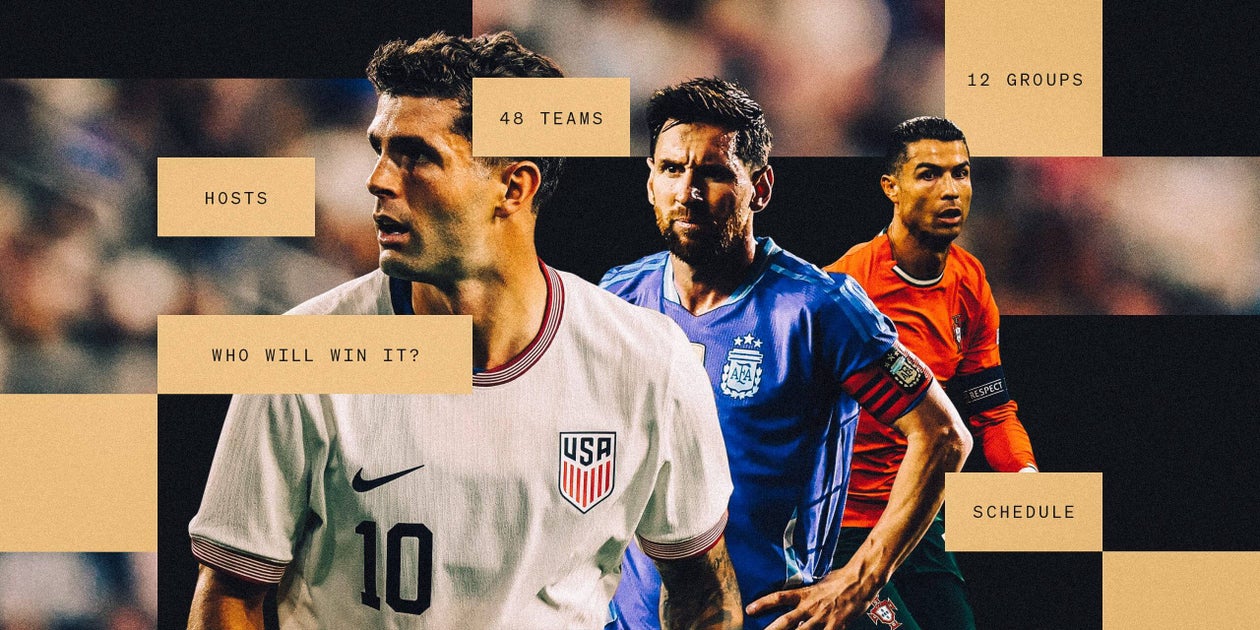
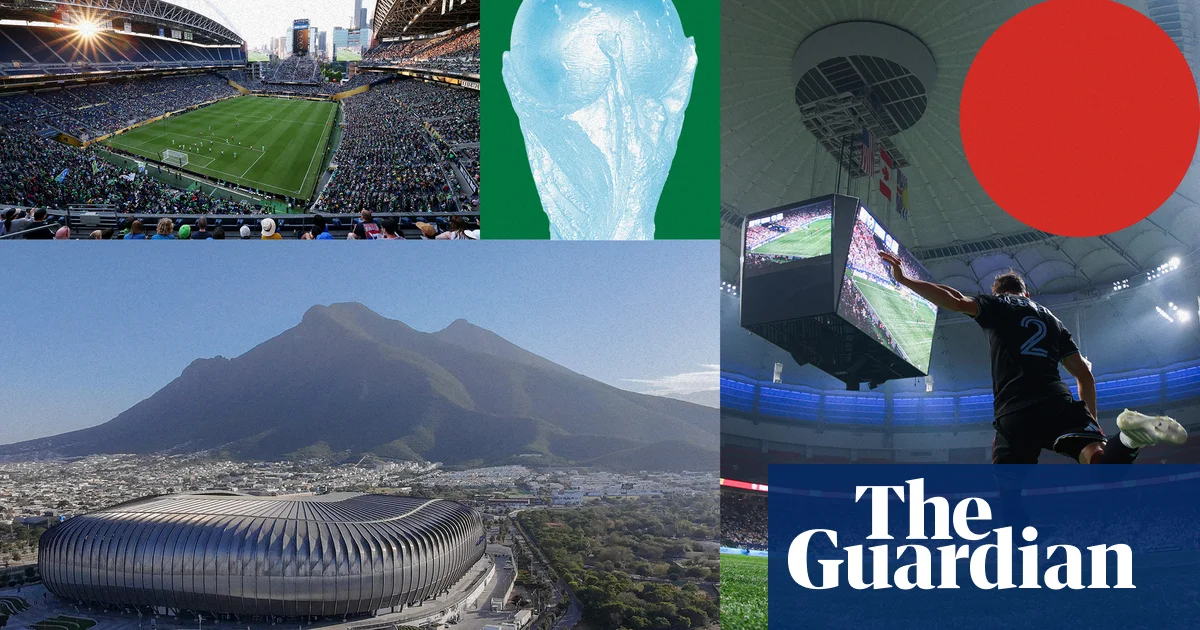
This World Cup will be the first to be hosted by three countries – the United States, Canada and Mexico – as opposed to the usual single nation. 2002 was an exception, when Japan and South Korea broke new ground by sharing the hosting duties. This year's cohosts have usually enjoyed good relations, but these have become more difficult since US President Donald Trump began his second term in office. His threats to annex Canada as the "51st" US state and punitive tariffs have soured the mood between two historically close allies. US ties with Mexico have been strained over several issues including their shared border and Trump threatening, tacitly at least, to use military force to combat drug cartels operating in Mexico.2. More teams, more games
Forty-eight teams taking part means many more games, a total of 104 compared to 64 at the 2022 World Cup in Qatar, when only 32 nations were involved. The opening match will be between Mexico and South Africa in Mexico City on June 11.
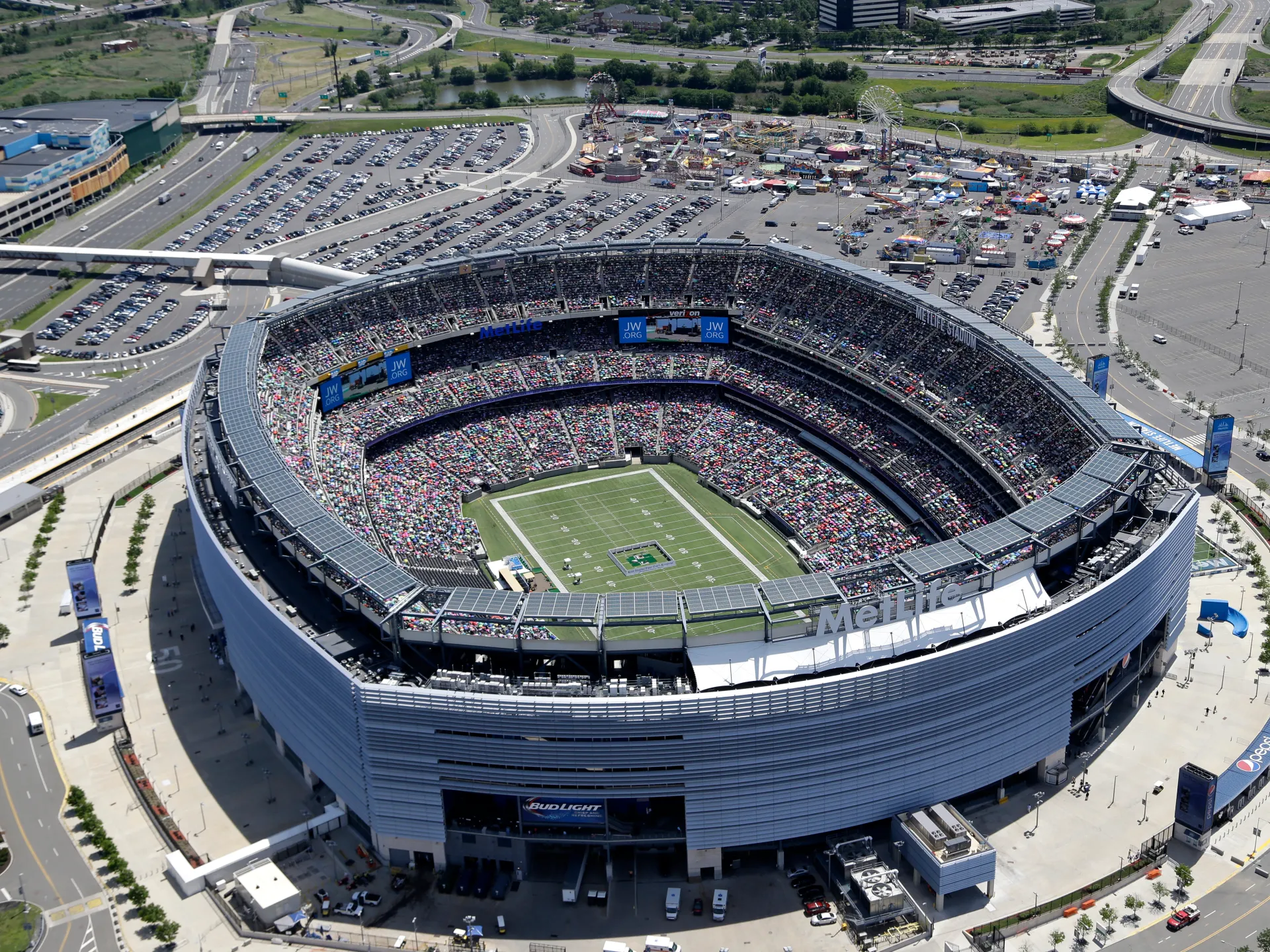
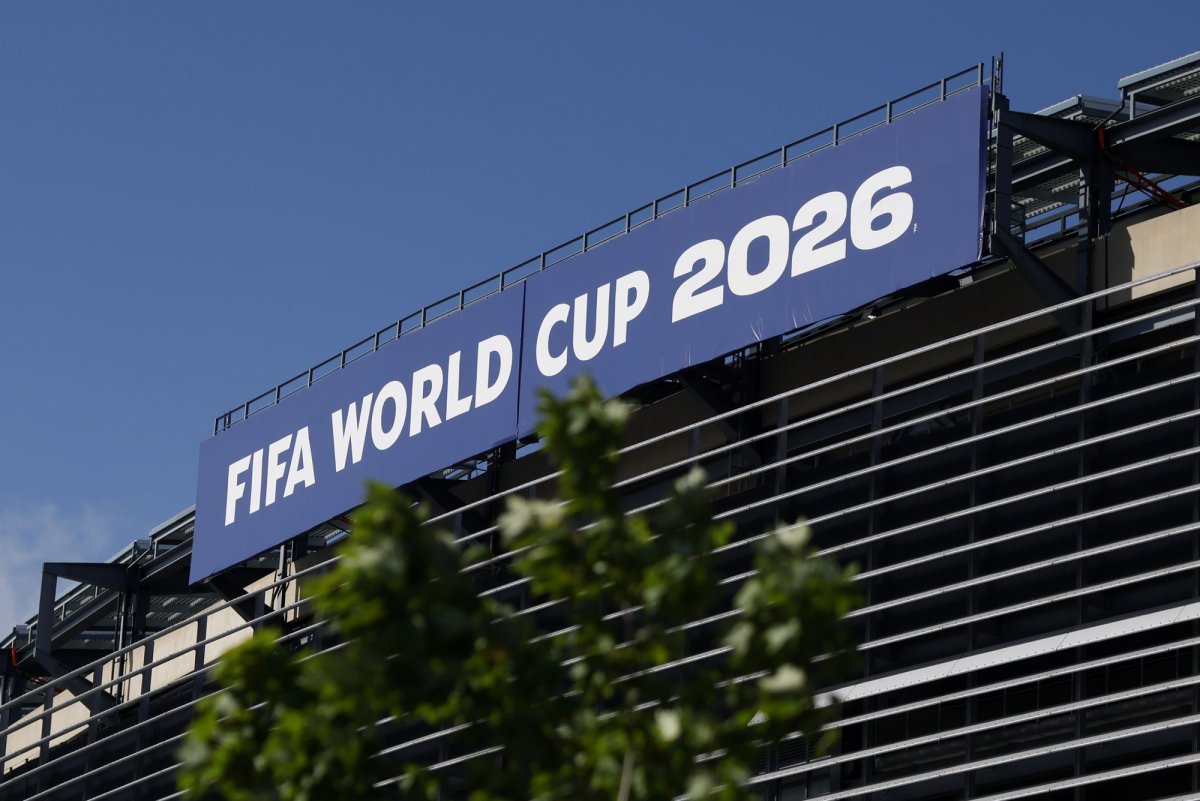
There will be 12 groups of four teams, compared to eight four years ago. The top two teams from each of the groups plus the best eight third-placed teams advance to the round of 32. This extra knockout round has been introduced to help whittle down the number of teams on the way to the final in New Jersey on July 19.