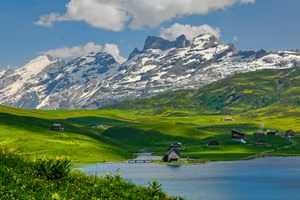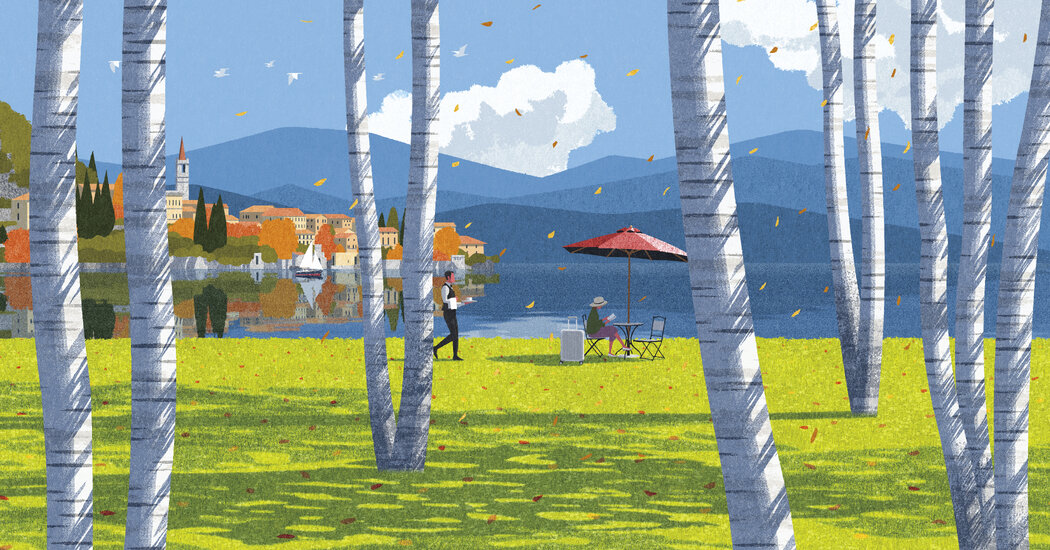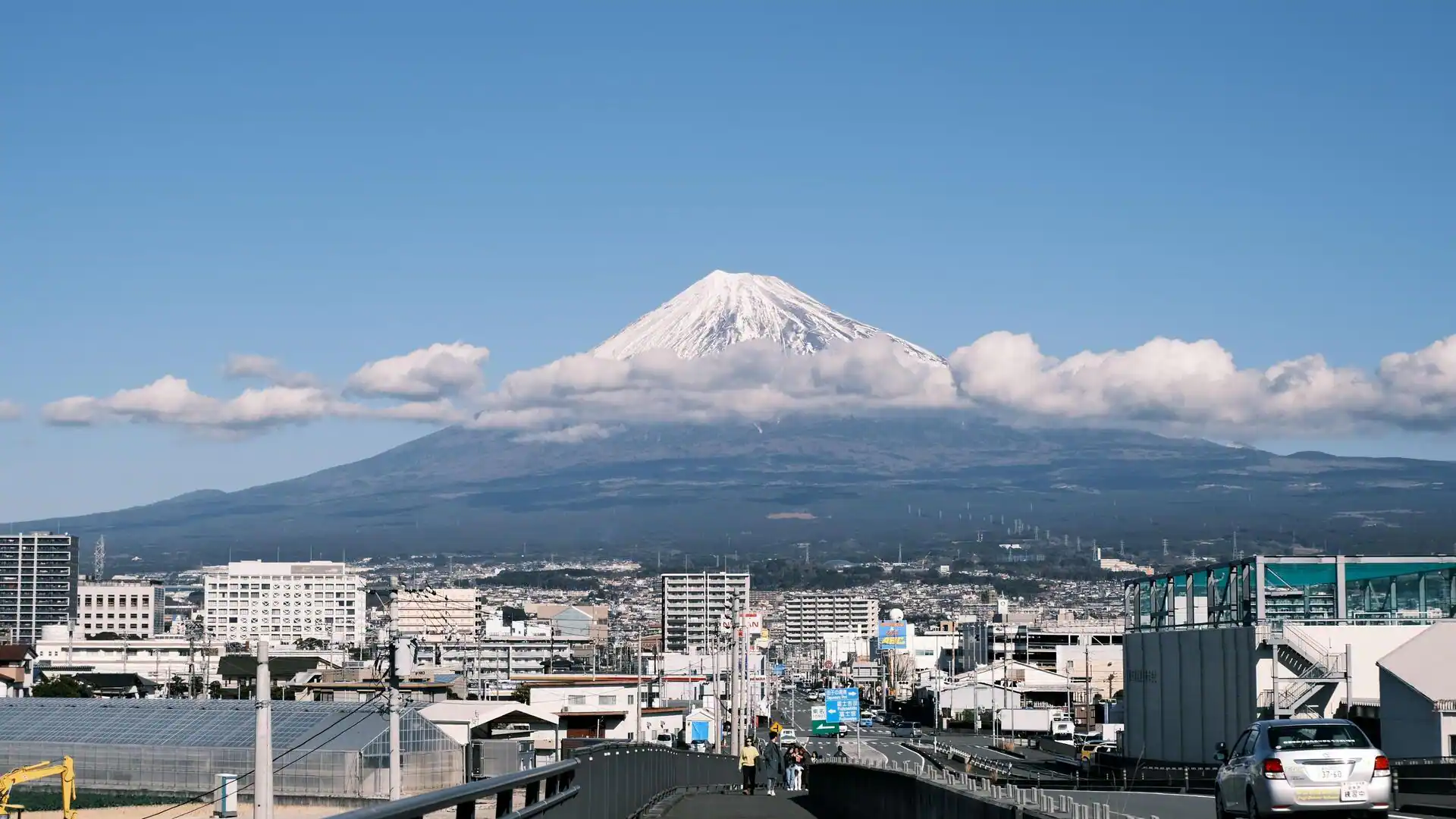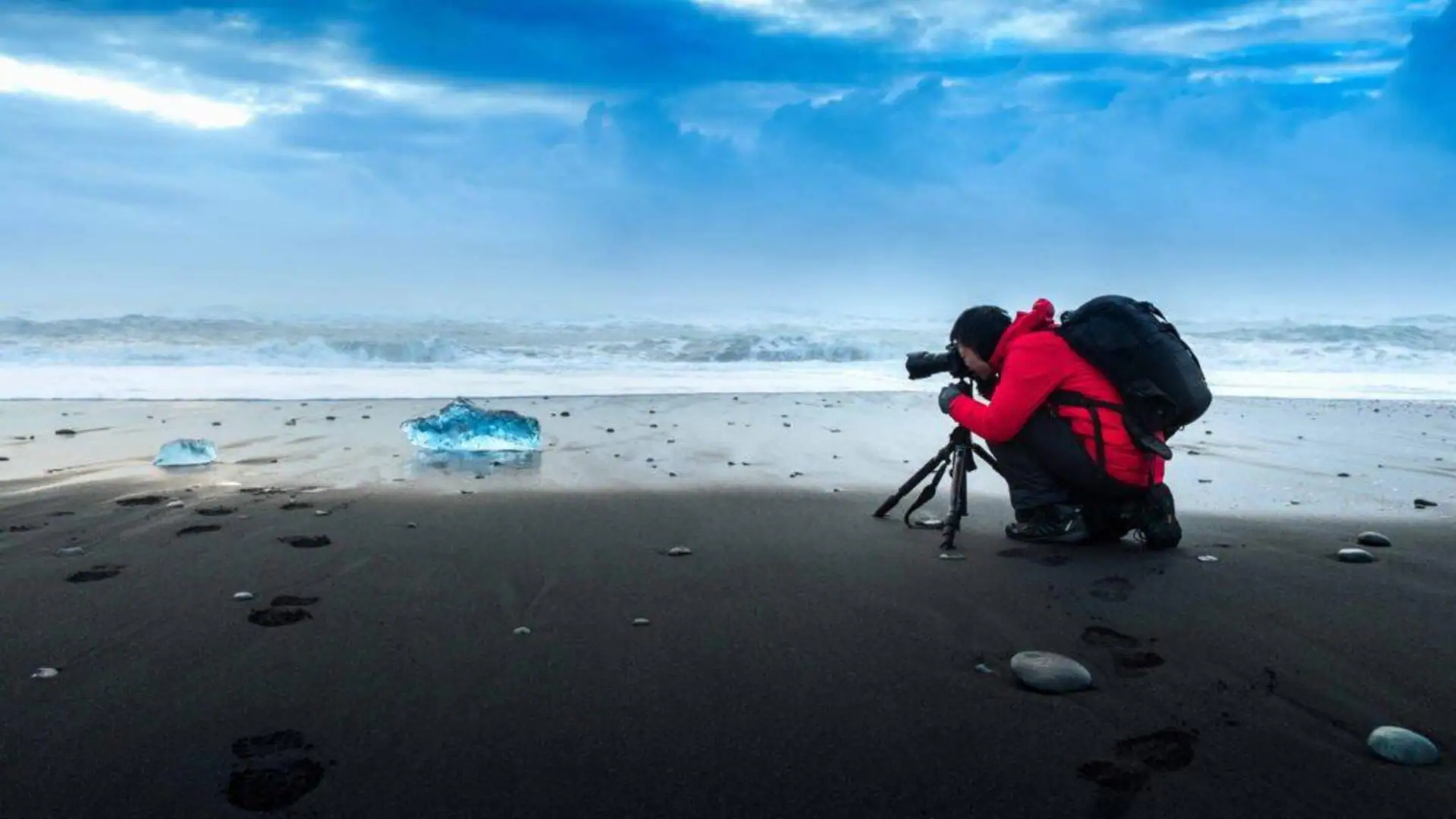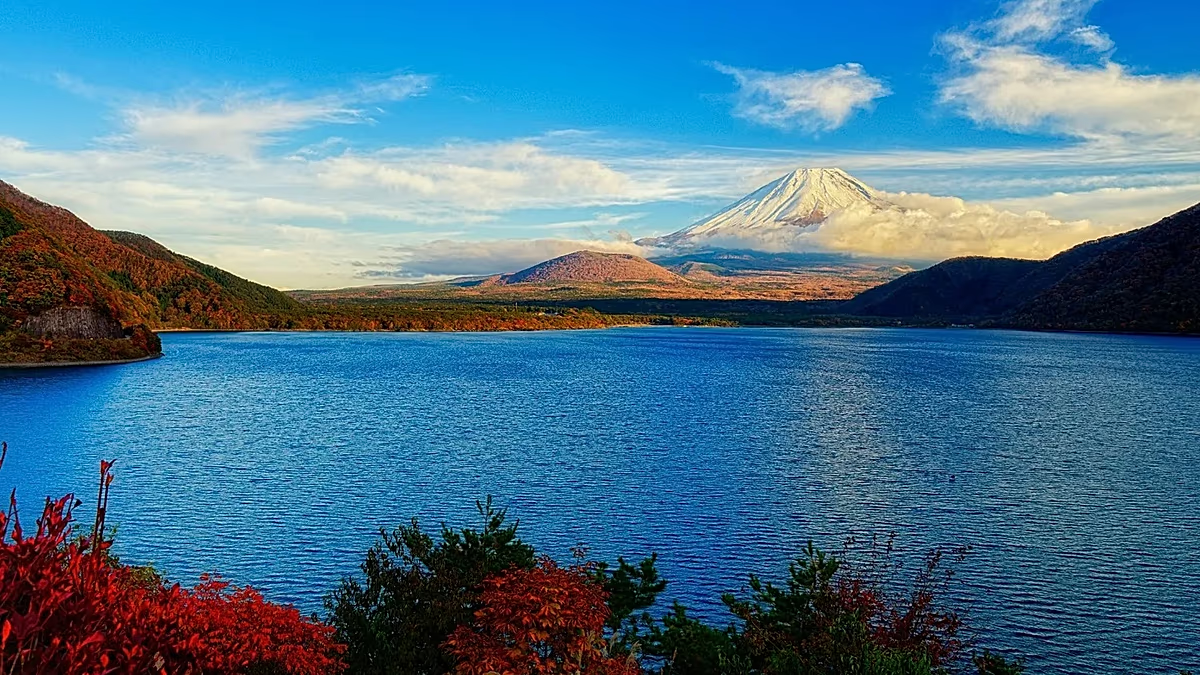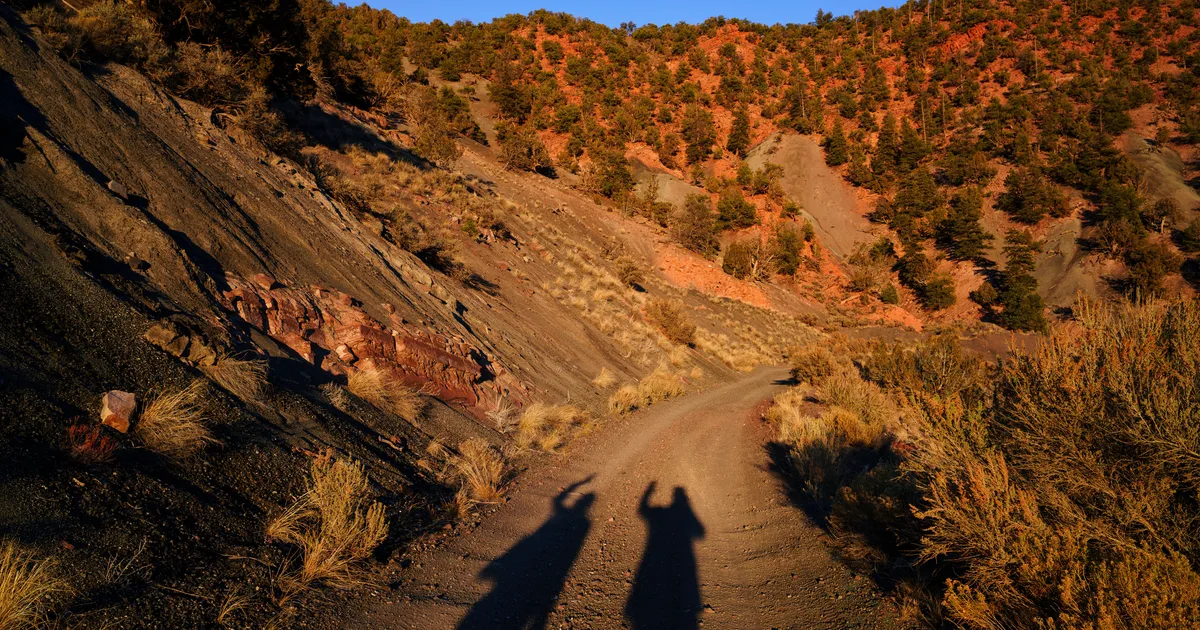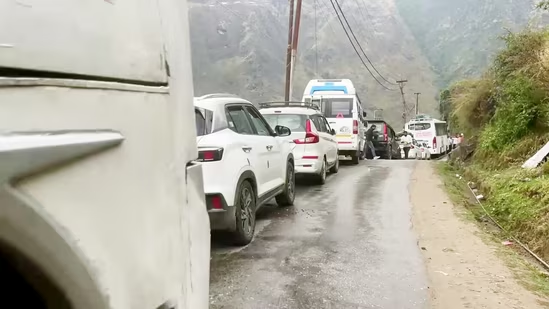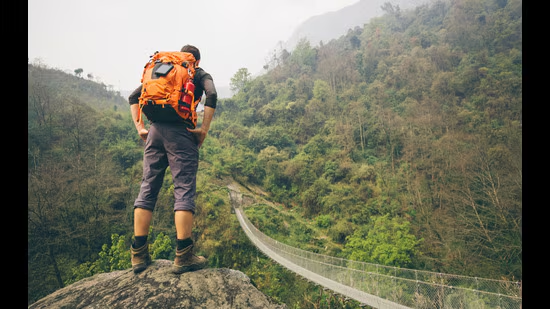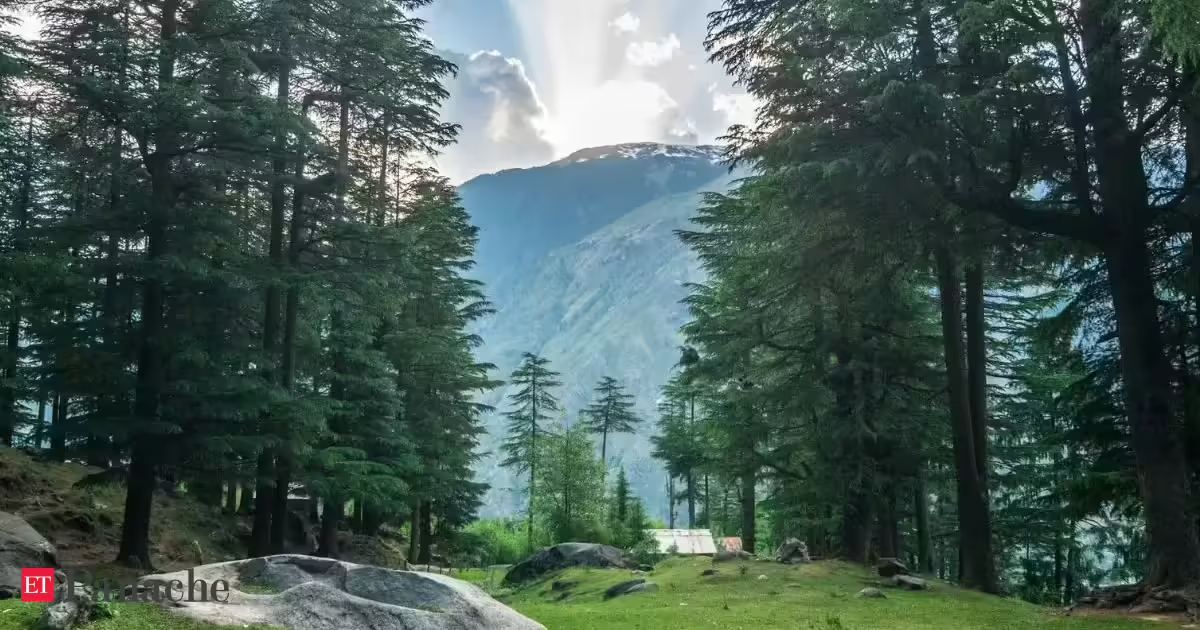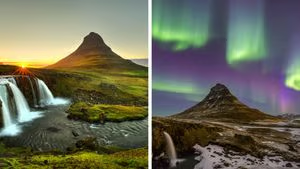
The idea that a place looks the same no matter when you visit is a myth that mass tourism does a lot to sustain. A destination gets photographed once — usually in its most agreeable form — and that image circulates indefinitely, collapsing its entire character into a single frame. But the most geographically dynamic places on Earth cycle through appearances so different from one season to the next that photographs from opposite ends of the year might not seem to share the same coordinates. This isn't just about weather: it's about light quality, vegetation cycles, the movement of animals, the behavior of water, and the way human activity adapts to each turning of the calendar. A valley that blazes red in October may sit under three meters of snow in January, erupt into wildflower color in May, and shimmer with heat haze in August. Each version requires different gear, different preparation, different expectations — and offers a genuinely different experience of the same patch of Earth.
Understanding seasonal transformation matters practically, not just aesthetically. Travelers $TRV +0.88% who choose destinations based on off-peak seasons often find smaller crowds, lower costs, and encounters with landscapes that most visitors never see. The Faroe Islands in November, for example, receives a fraction of its summer traffic, yet the combination of dramatic Atlantic storms and rare winter light produces photographs that summer tourists can't replicate. The same logic applies across dozens of destinations: the "best" season is often a matter of what you want from a place, not an objective fact handed down by travel guides.