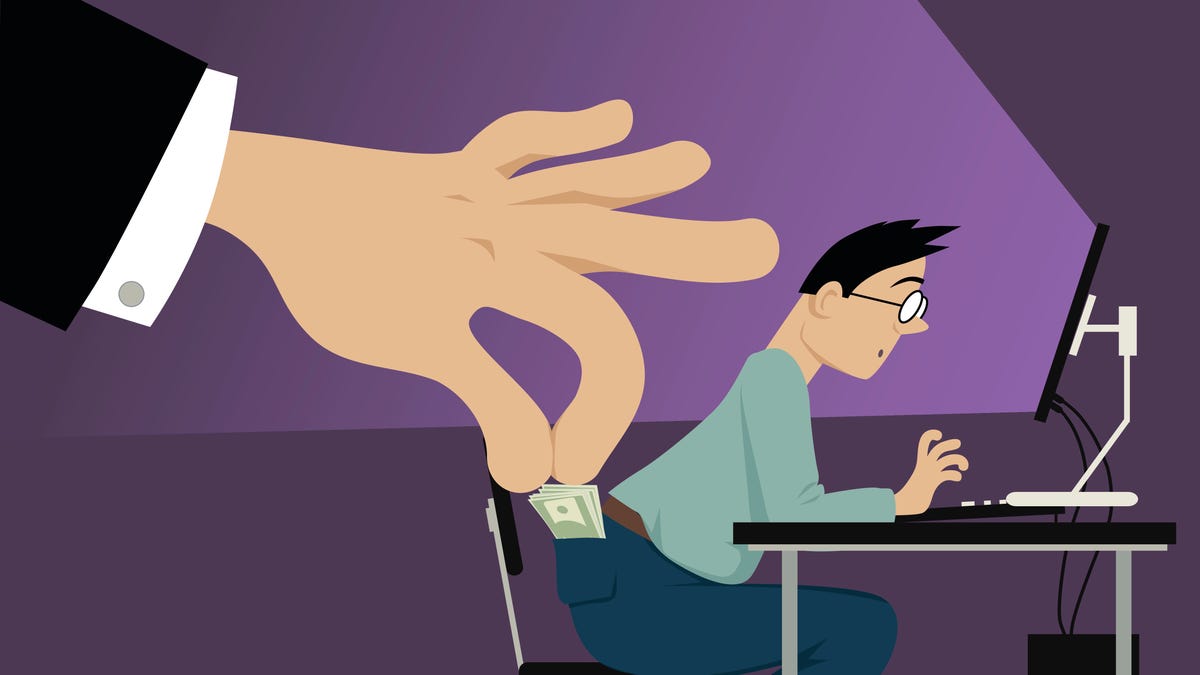
An aspiring author receives an email from a “literary agent” expressing enthusiasm about their manuscript. The message is polished, personalized, and professional. The sender references recent bestsellers, adaptation potential, and submission strategy. The agency website looks legitimate, the LinkedIn profile appears credible, and the tone sounds authoritative and reassuring. Then comes the catch with one of the following: a “representation onboarding fee,” a paid representation package, a marketing retainer, or perhaps a request for the full manuscript that surreptitiously disappears into piracy networks. The real literary agent whose identity was stolen may not even know the scam is happening.
As Mark Gottlieb, an Executive Vice President & Literary Agent at Trident Media Group, has observed firsthand: artificial intelligence has not merely accelerated publishing fraud, it has industrialized it. Increasingly, literary agents have become some of the easiest and most effective identities for scammers to impersonate.
For over 100 years, literary agents have served as trusted intermediaries between writers and the publishing industry. They have functioned as curators, advocates, negotiators, editors, strategists, and gatekeepers. Their role has traditionally depended on one essential currency above all else: trust. Tech-driven impersonators are threatening to erode that trust.