For $200, your book could get a national newspaper feature in USA TODAY. Email your manuscript to bestselling author Colleen Hoover and she’ll help you get it published.
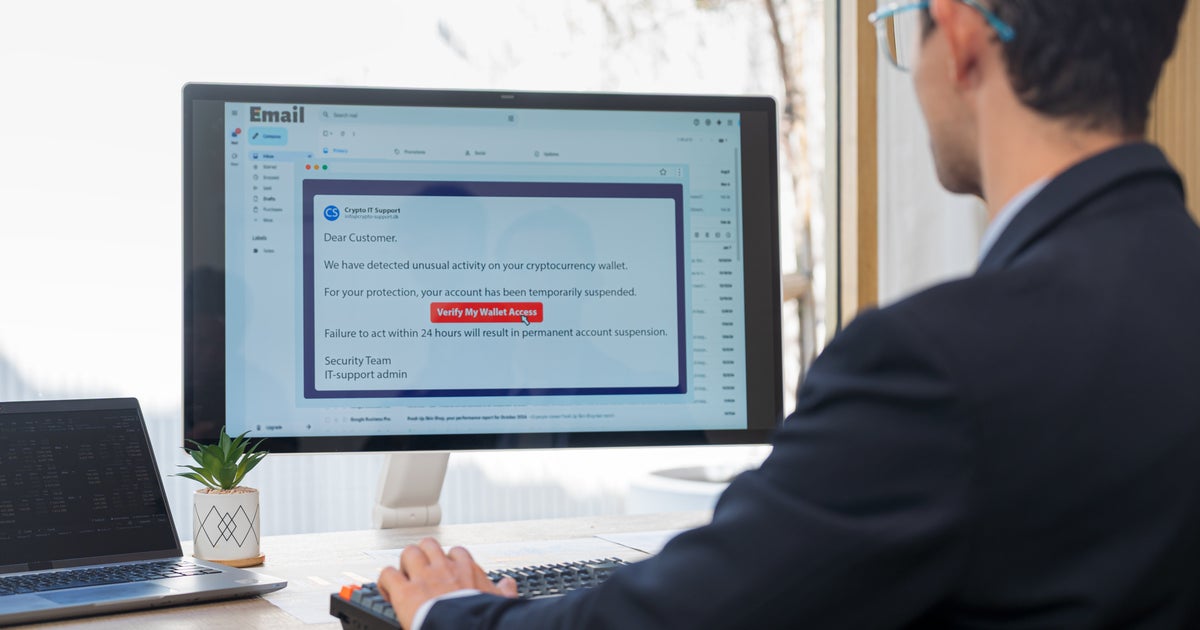
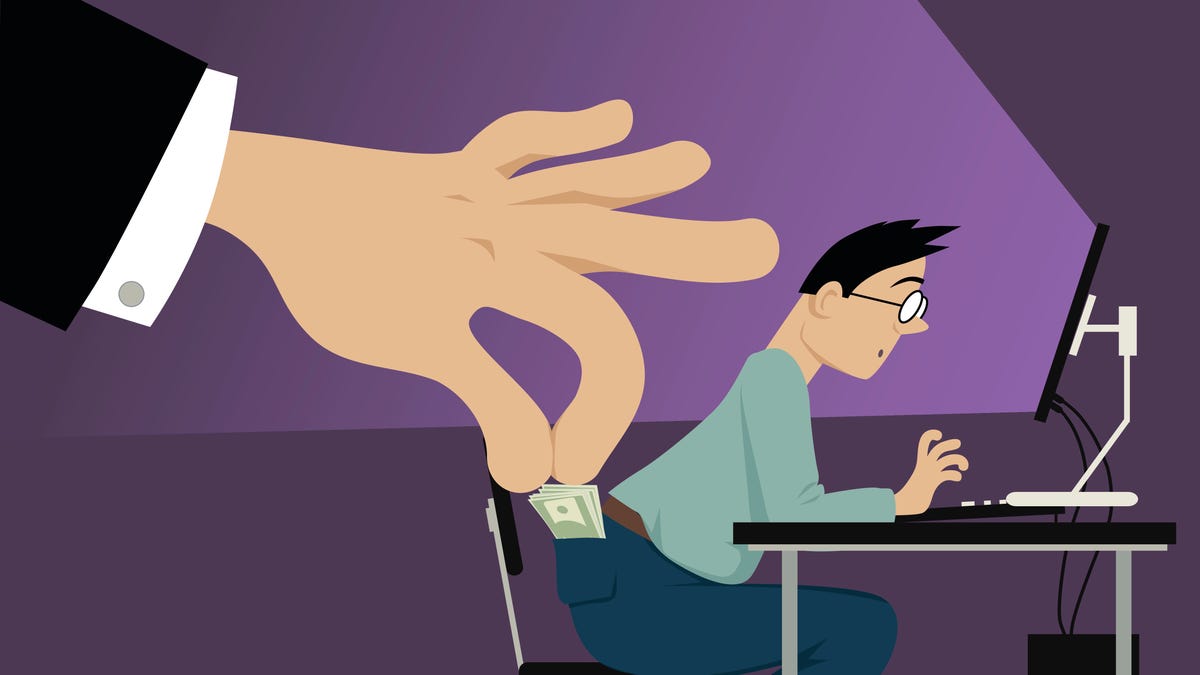
If it sounds too good to be true, it’s because it is. Those are real-life examples of recent scams plaguing the publishing industry that target authors’ wallets and original works.
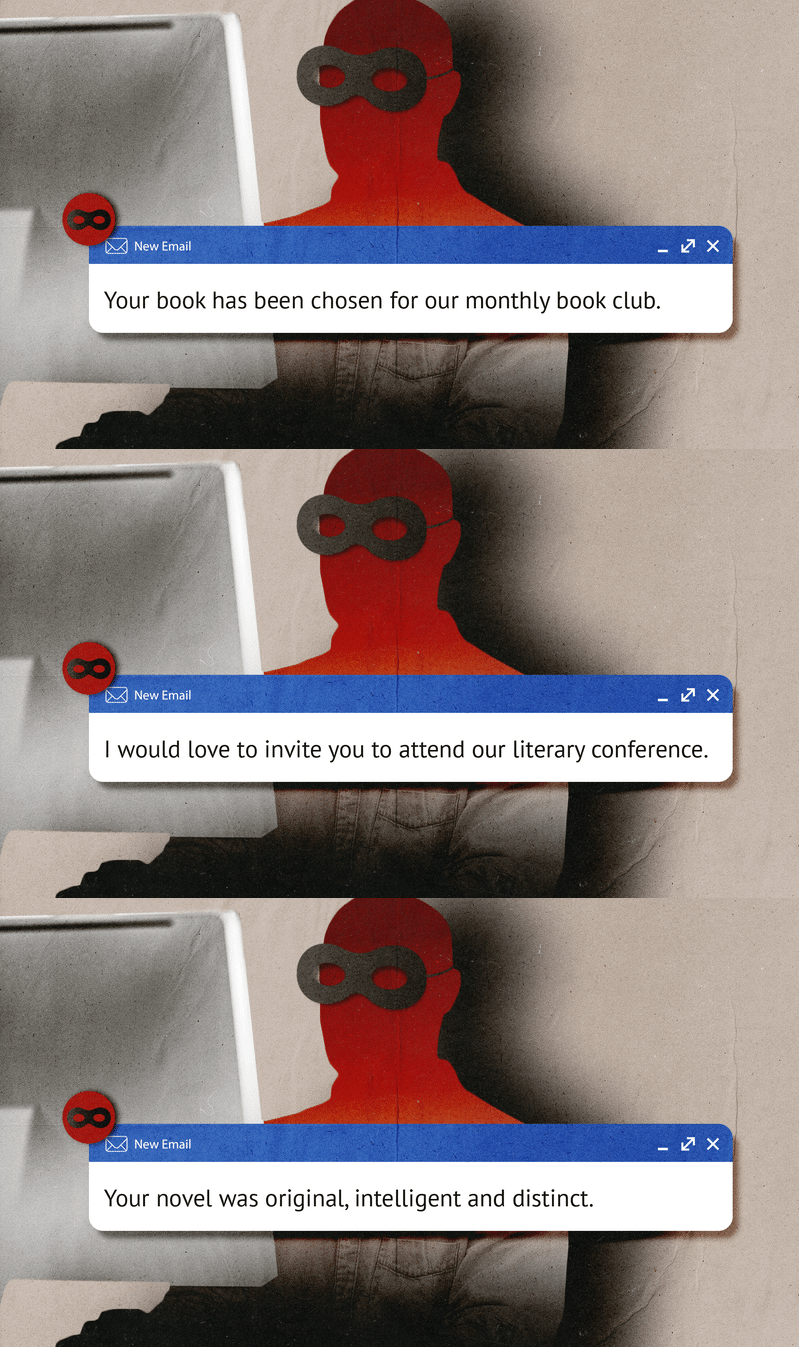
Scammers impersonate well-known authors. Others pose as book clubs and offer to get your book in front of hundreds of readers for a fee. Some tease a shortcut to a Hollywood adaptation deal. These days, the emails often open with flowery, highly specific praise about the book. Artificial intelligence has scraped the book’s copy and polished its own words to seem like a real, emotional appeal.
Hoover, the author of books with A-list Hollywood adaptations including “It Ends With Us” and “Verity,” warned fans about a scam in late March. An aspiring author had sent Hoover their manuscript, also copying a fraudulent email impersonating Hoover on the email chain. The author had been communicating with the impersonator for three months, thinking it was Hoover.
“But any minute now, that manuscript is probably going to be uploaded under a fake name and put out into the world for sale,” Hoover wrote on Facebook. “This author spent a year writing this book and now they've shared it with a scammer and there's nothing I can do for them. There's nothing they can do to prevent it.”