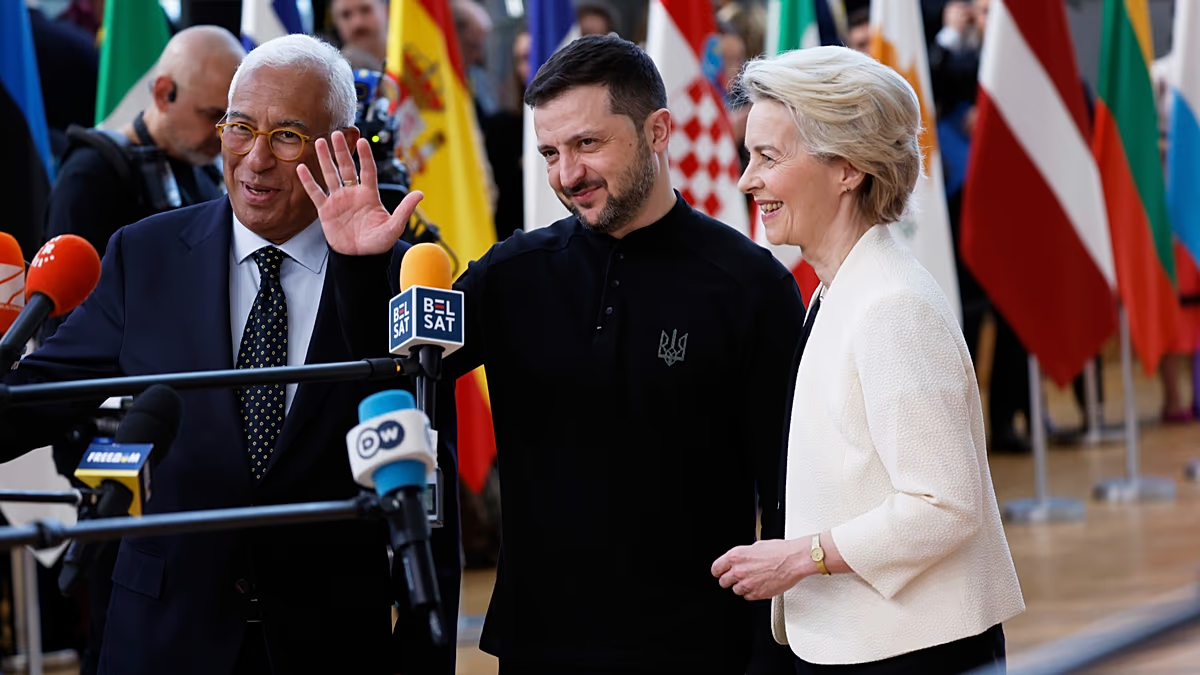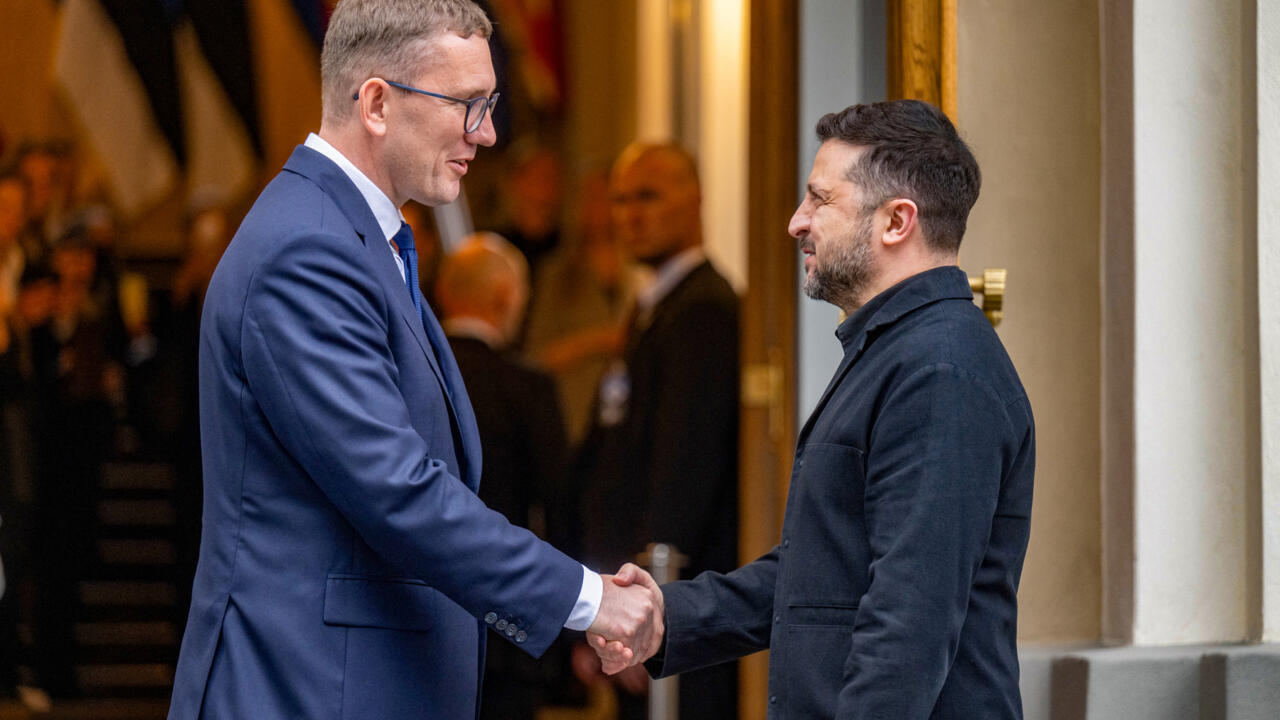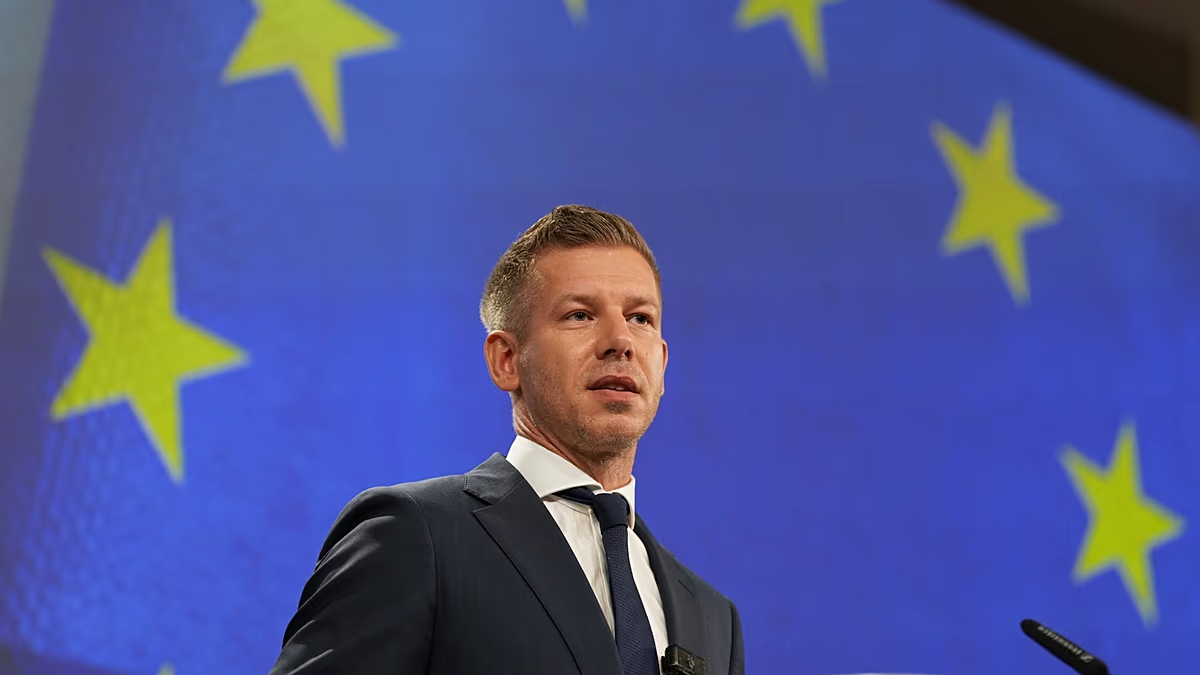
Ambassadors in Brussels had been in the room for almost 12 hours straight.
The list of topics seemed endless – competitiveness, defence, migration, climate action, the conflict in the Middle East and even a tobacco taxation directive – and diplomats were beginning to feel the strain.
Then, just as the meeting was drawing to a close, a new item was added to the agenda.
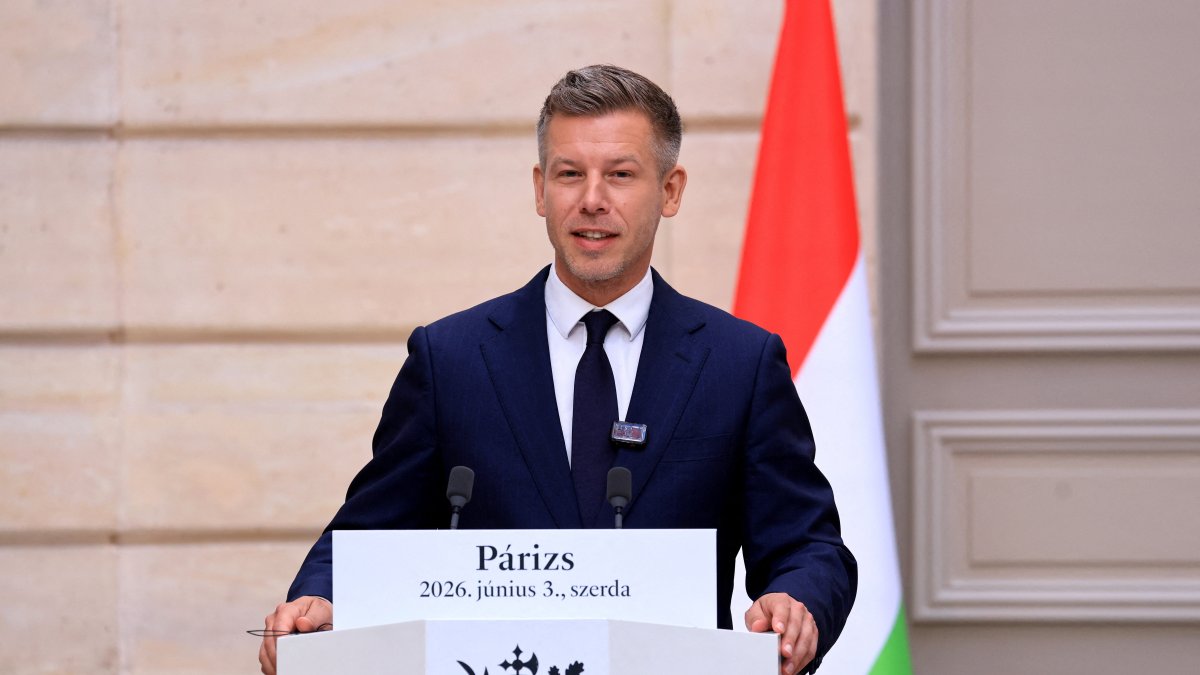
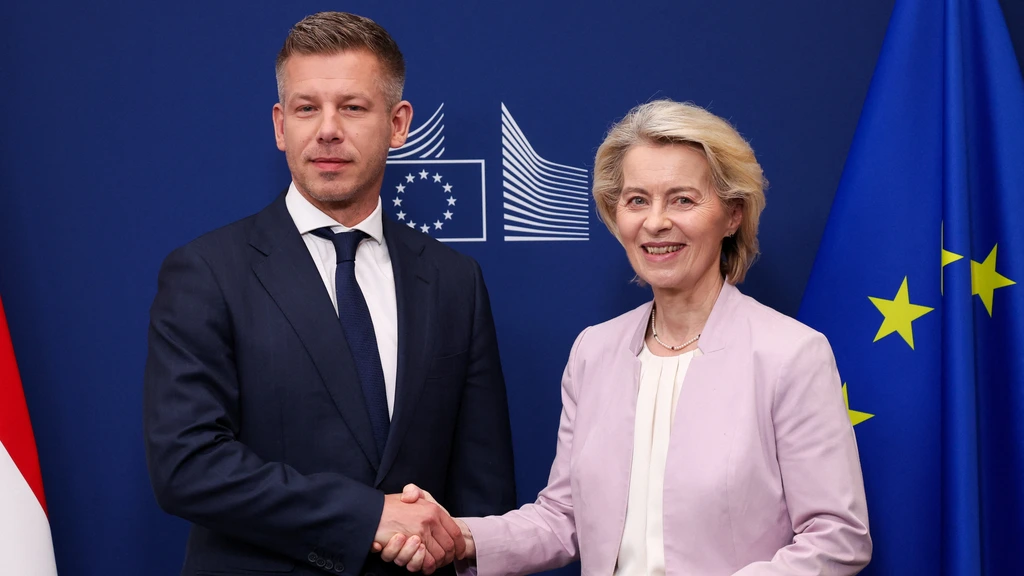
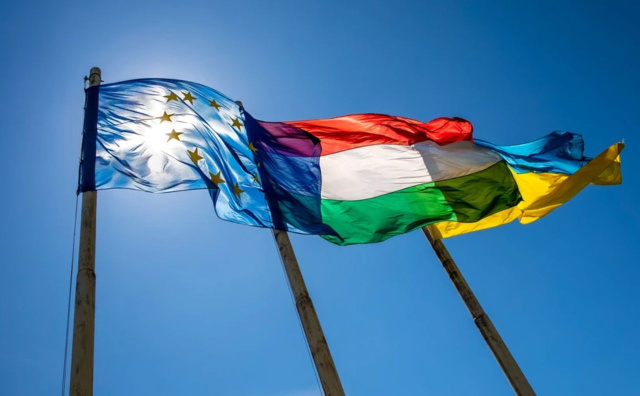
Cyprus, the country that currently holds the EU Council's rotating presidency, had received the signal it had spent days anxiously waiting for: Hungary was ready to lift its controversial veto on Ukraine's accession.
This account is based on interviews with multiple officials and diplomats who spoke on condition of anonymity to disclose the events that led to the breakthrough.