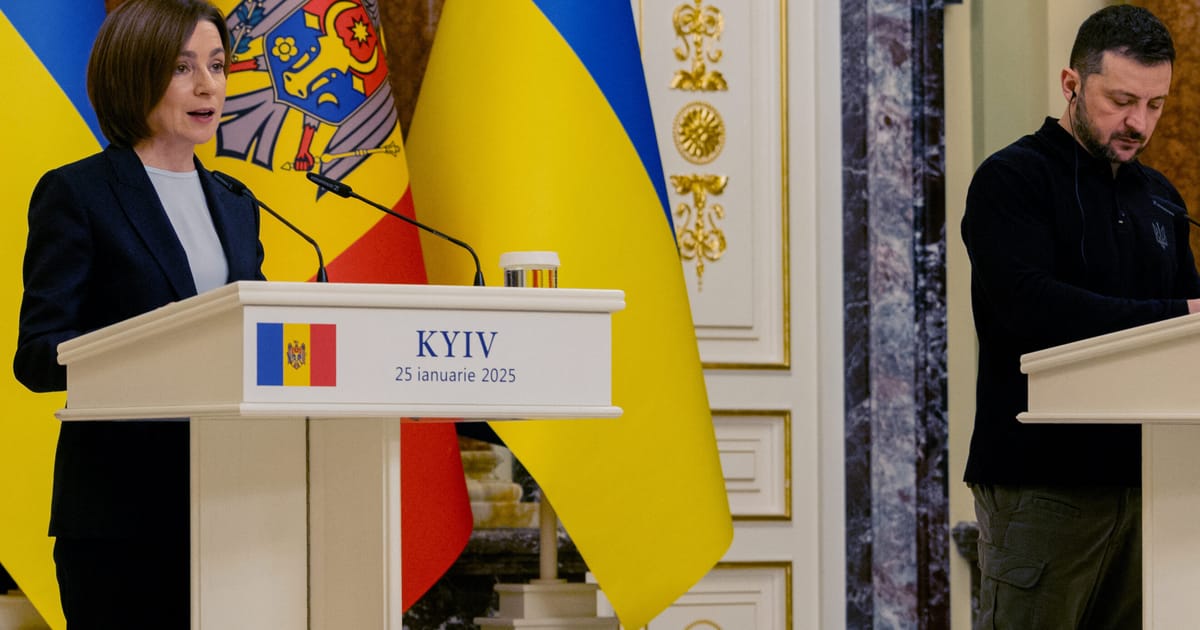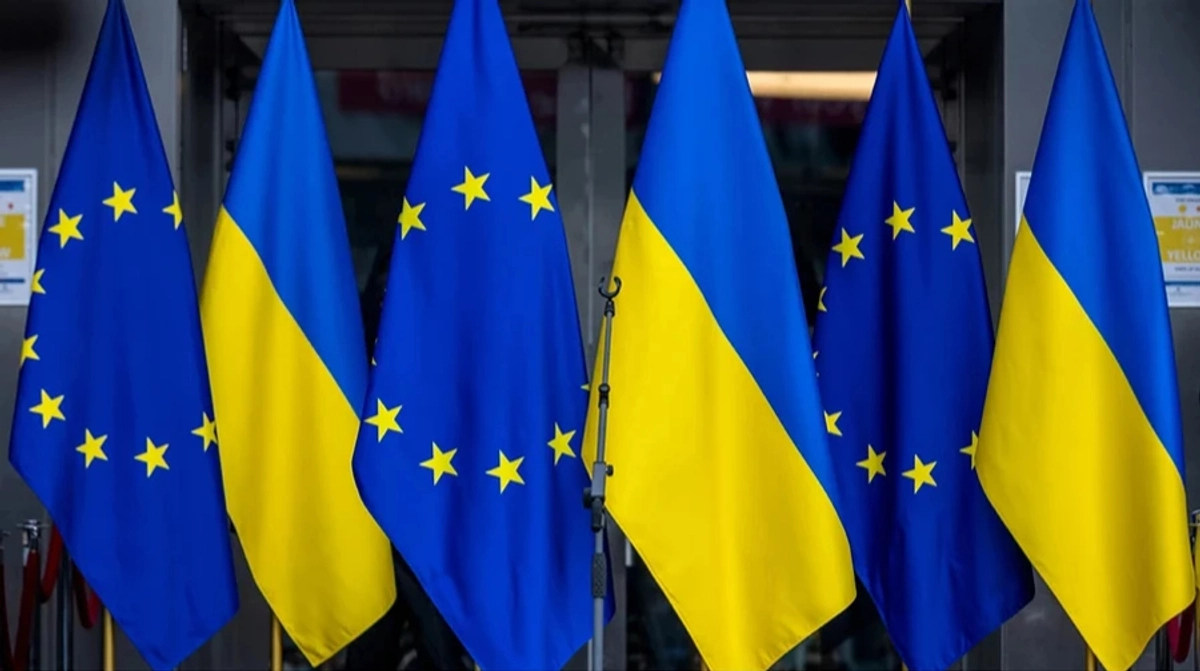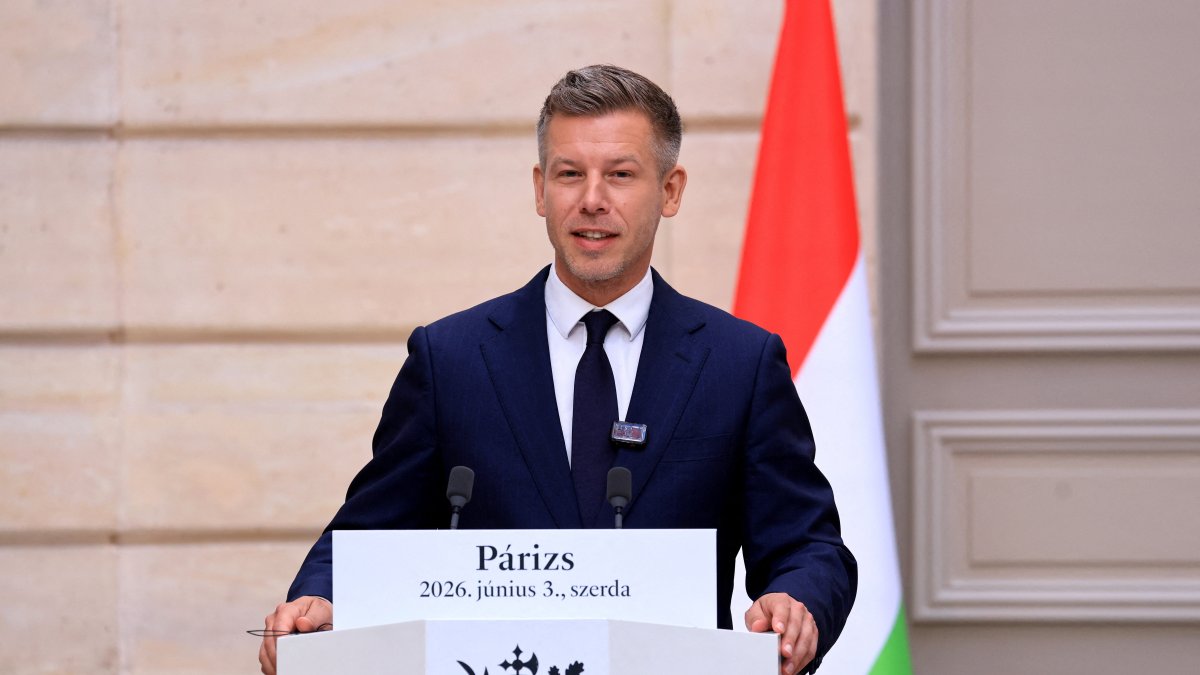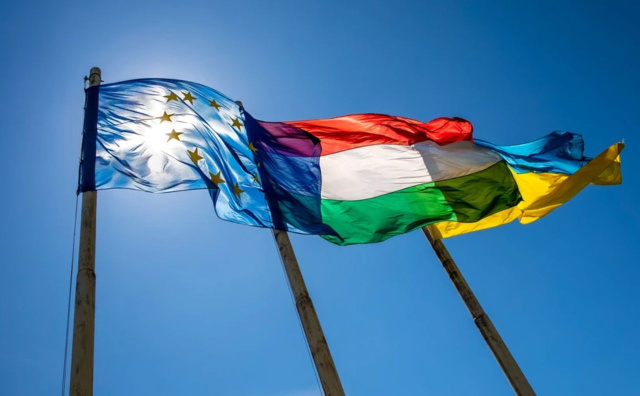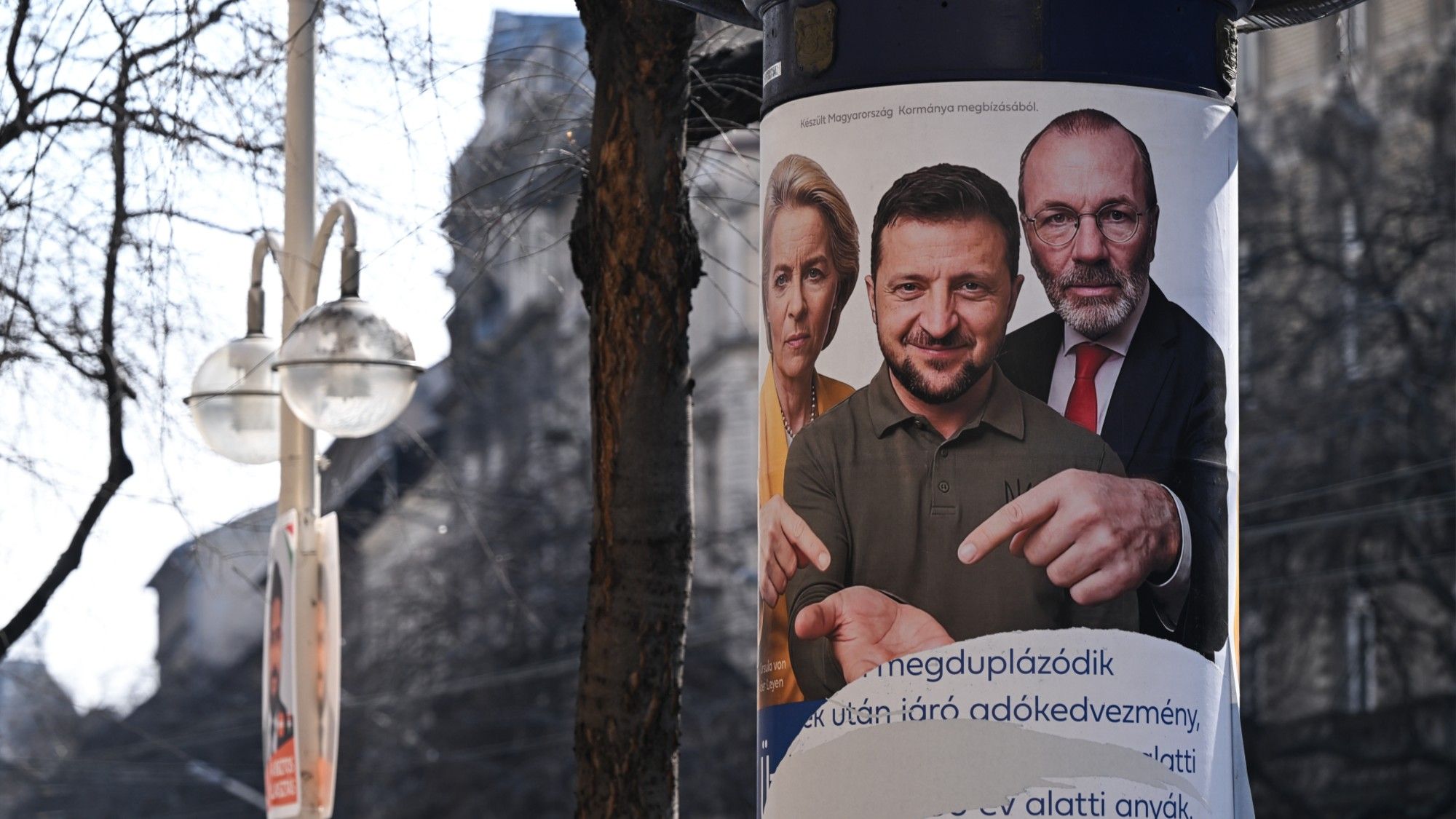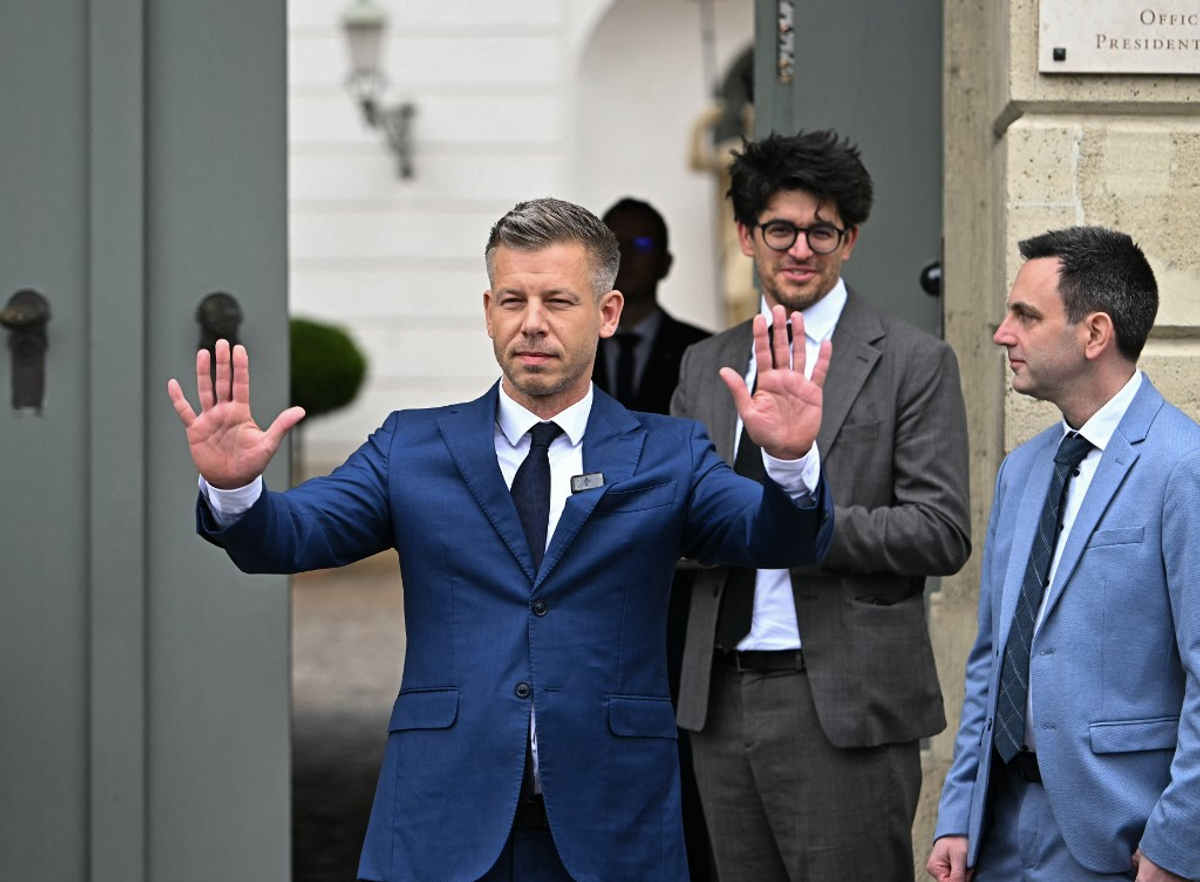
Ukraine and Moldova are moving closer to opening formal EU membership negotiations after officials signaled that Hungary is prepared to withdraw its veto on Kyiv’s accession bid. As per a Politico report, EU governments plan to open the first negotiating “cluster” at an intergovernmental conference in Luxembourg on June 15. This would be the first formal step in detailed talks on political, legal and economic reforms required before accession. JOIN US ON TELEGRAMFollow our coverage of the war on the @Kyivpost_official. “Negotiations are ongoing. No agreement has been reached,” said an official speaking on condition of anonymity. Although “no decision” had yet been taken formally, the country’s new leadership has privately signaled openness on lifting the veto for both Ukraine and Moldova, meaning both tracks advance together. Under former Prime Minister Viktor Orban, Budapest strongly opposed Ukraine’s accession. During a meeting on Monday between Ukrainian and Hungarian experts on the matter of minority rights for Hungarians living in Ukraine, the Ukrainian side provided assurances on how to resolve most concerns, laid out in an 11-point plan originally prepared under Orban. “Not all of Hungary’s requests can be immediately granted,” one of the diplomats said, adding that no new legislation in Ukraine is set as a precondition for opening the first cluster. Although no final decision has yet been made, EU ambassadors are now drafting a common stance based on Ukraine’s internal reform plans and its approach to minority protections.
Hungary’s New Leadership Shift Puts Ukraine, Moldova on Track for EU Negotiations
Hungary’s policy reversal is set to unlock EU accession talks for Ukraine and Moldova, turning a long-standing veto into a potential breakthrough for both can
TL;DRAI
Hungary's new government lifts its veto on Ukraine and Moldova's EU accession talks set for June 15; €16.4B in frozen funds unlocked. Regulatory harmonization and geopolitical stabilization signal lower barriers for tech investment and talent mobility across Eastern European markets.
521 words~2 min read