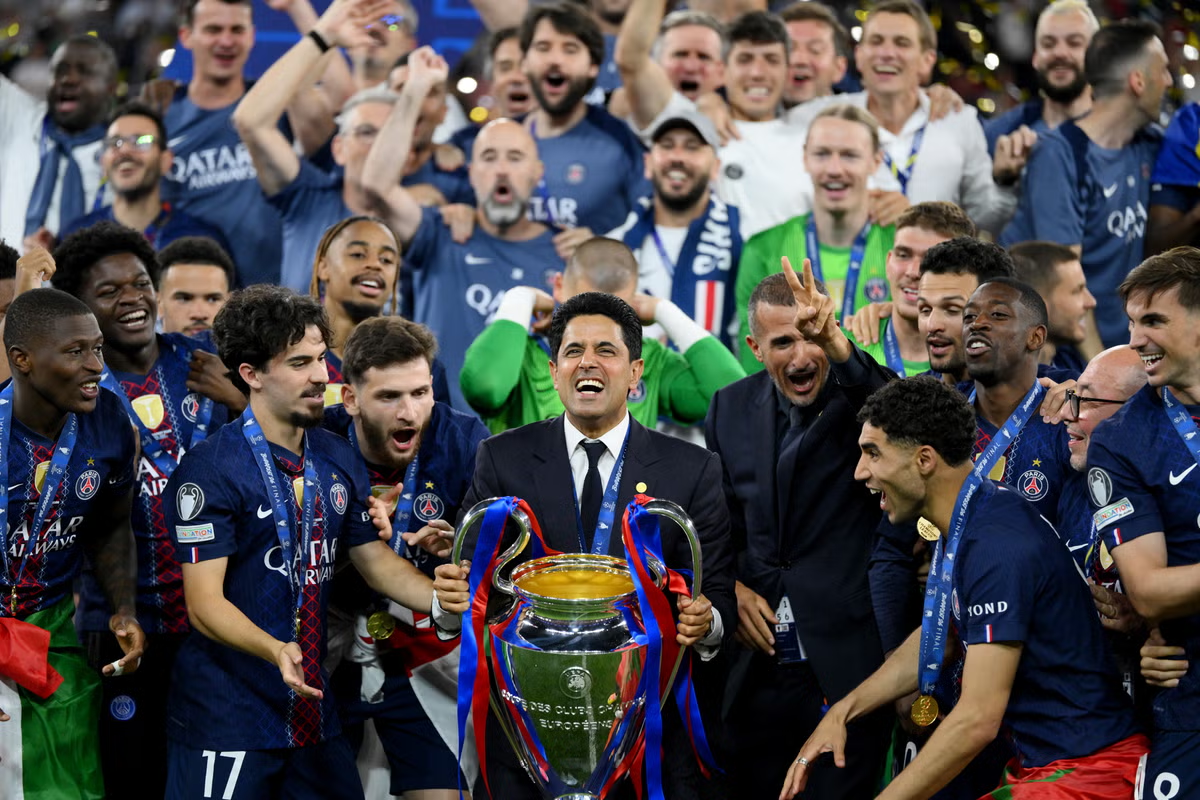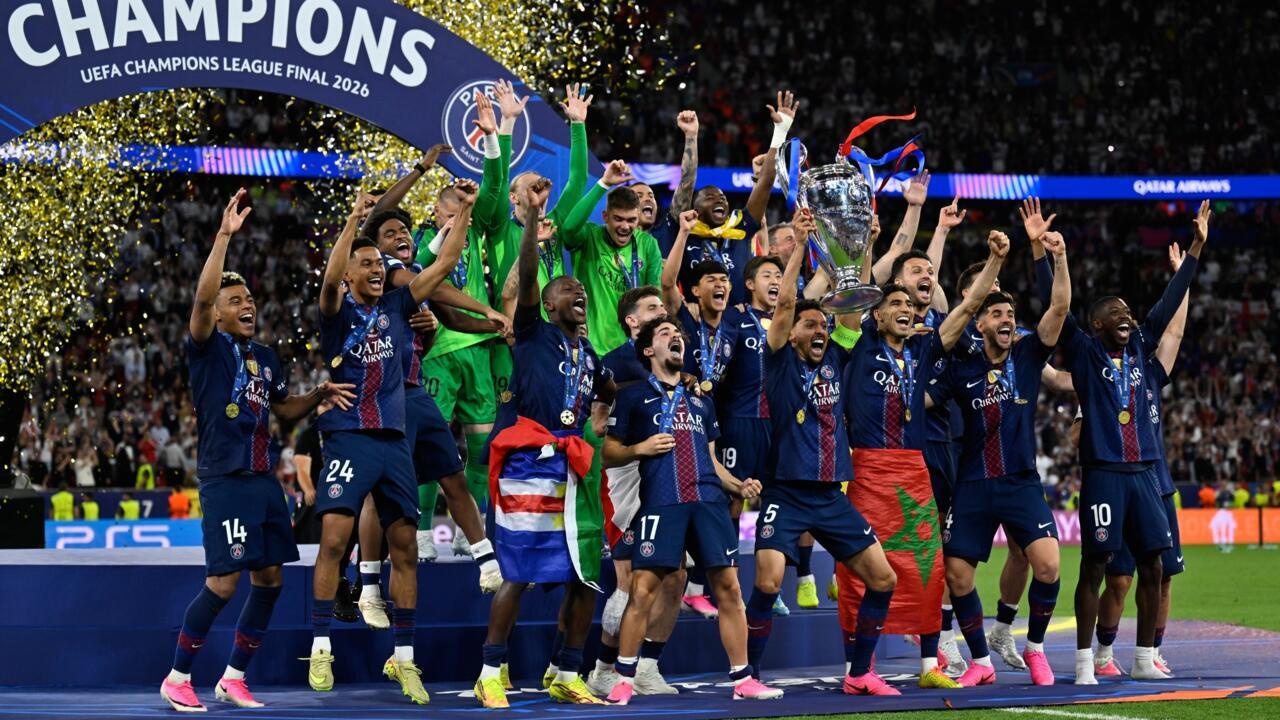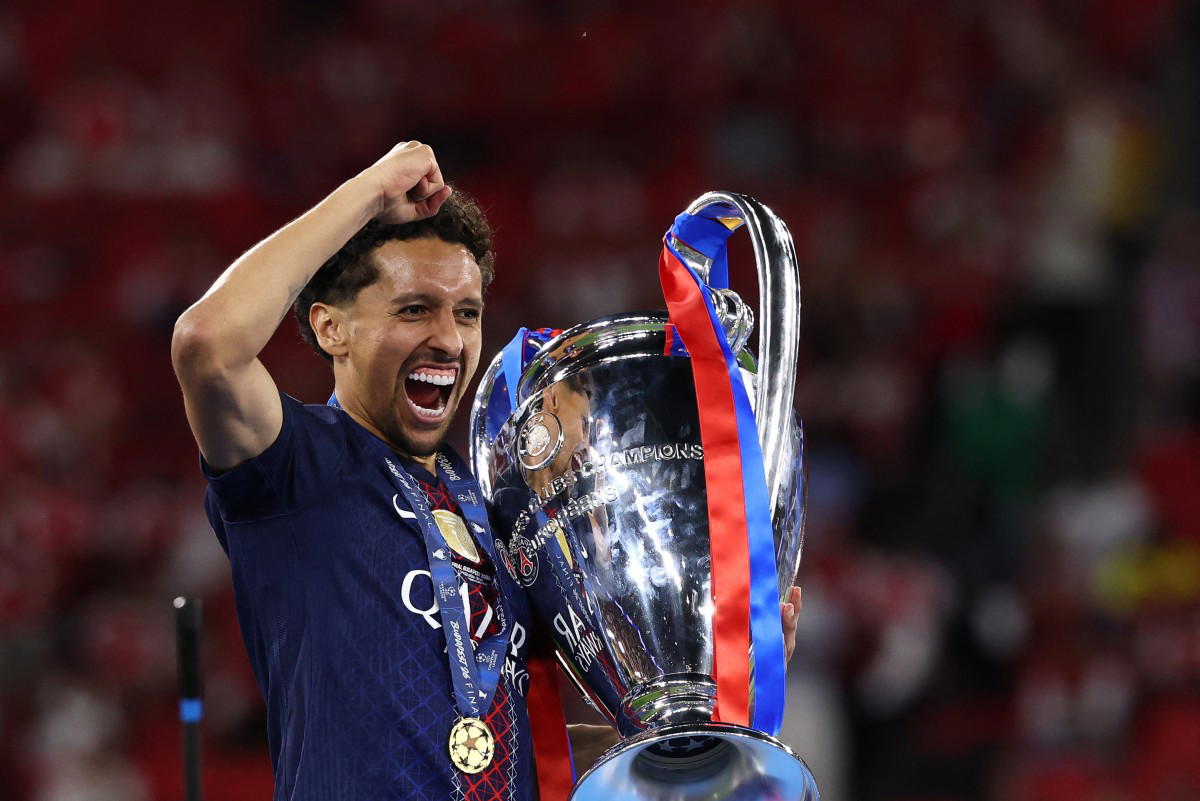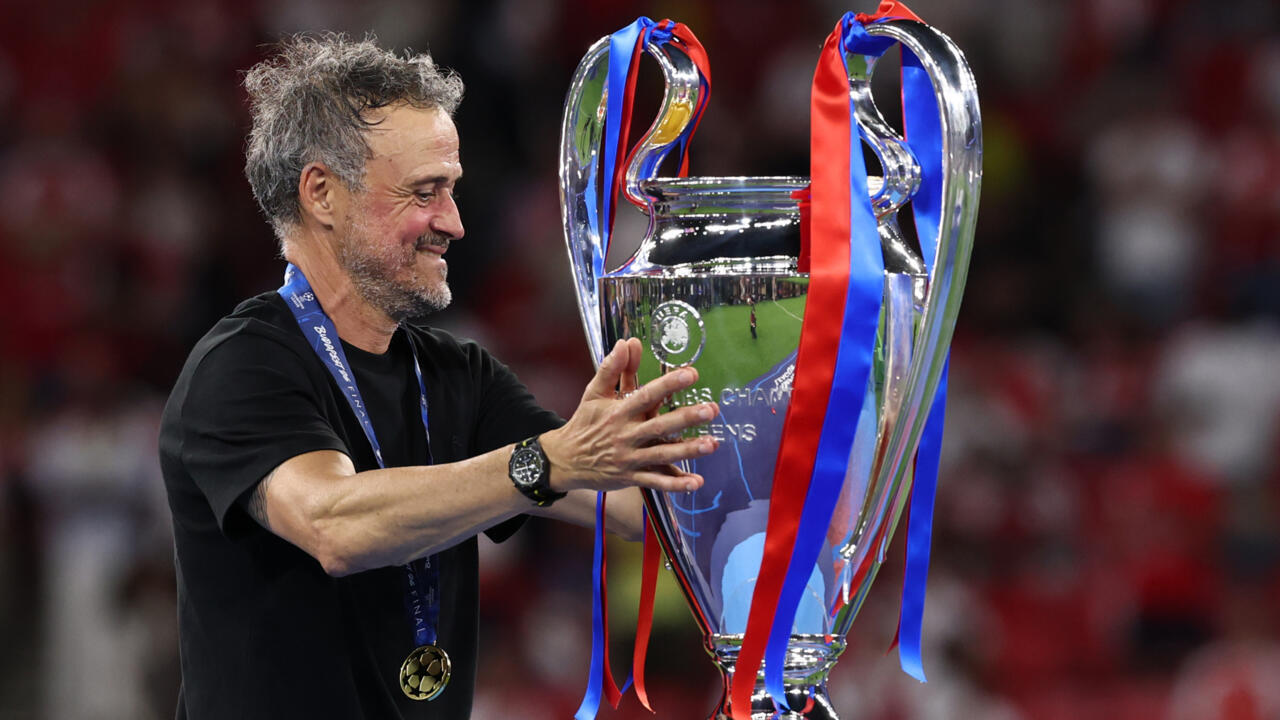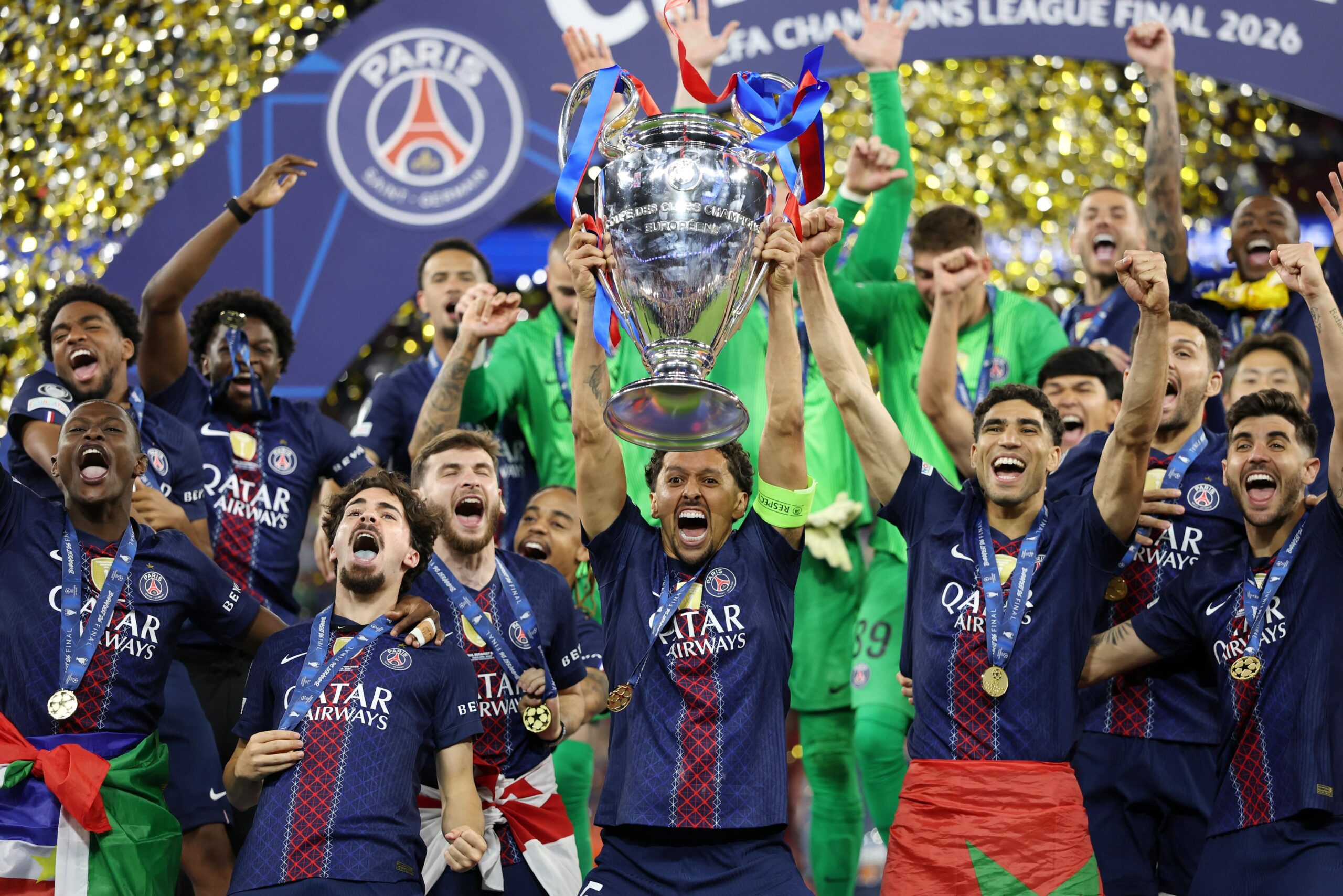
Paris Saint-Germain’s victory in Saturday’s Champions League final drew the curtain on the European football season.At first glance, 2025-26 looks like any other campaign. Arsenal against Manchester City in the Premier League title race has become a theme of recent seasons while the continent’s other major leagues being won by Barcelona, Bayern Munich, Inter and PSG saw established powers triumph once again.Meanwhile, Premier League clubs winning all 21 knockout ties — including two-legged fixtures and finals — against non-English opposition in the Europa League and Conference League over the past two seasons is an indicator of the division’s middle classes’ growing financial dominance over their continental counterparts.Football, more than ever, may appear to be a sport dictated by financial status. Dig beneath the headlines, however, and a more fluid, healthier landscape emerges: one where financial ascendancy does not always translate to success.Nowhere was this clearer than in this season’s Champions League, where Norwegian club Bodo/Glimt defeated Manchester City, Atletico Madrid and Inter to reach the last-16 stage, with Sporting CP requiring extra time and overcoming a three-goal first-leg deficit to deny them a place in the last eight.Bodo, who also reached last season’s Europa League last four and operate an exclusively domestically-focused recruitment policy, are no longer Norwegian champions. Instead, Viking ended a 34-year wait for a title.Bodo/Glimt pulled off multiple Champions League giantkillings in 2025-26 (Michael Regan – UEFA/UEFA via Getty Images)Changings of the guard is a theme across the continent. Qarabag, of Azerbaijan, were another standout team of this season’s Champions League, reaching the play-off round in a national-best club performance. Qarabag, the refugee club aiming to soon return to their hometown of Aghdam, who had won 11 league titles since 2014, were beaten to this year’s summit by Sabah FK.Sabah were one of six first-time national champions across Europe, representing more than 10 per cent of UEFA member nations. Maxline Vitebsk of Belarus, Lithuania’s Kauno Zalgiris and Swedish top-division winners Mjallby were all clubs who made history. In Switzerland, FC Thun won promotion to the top flight last season before winning the division this time: the first major honour in their 128-year history. Incredibly, this achievement was outdone in Luxembourg, where Atert Bissen had never competed in the national division until this season — when they won it.These stories are significant as standalone achievements but also because of the wider pattern they create. There had long been concerns that repeated domestic successes of Malmo (Sweden), BATE Borisov (Belarus), Young Boys (Switzerland) and FK Zalgiris (Lithuania) would afford a select group of clubs access to European funding which would cement their ascendancy and create domestic imbalances.
Money is not everything in football. These are the clubs that proved it
European football is not a utopia but dig deeper past the continent's biggest leagues and you'll find underdog success stories aplenty
1,197 words~5 min read