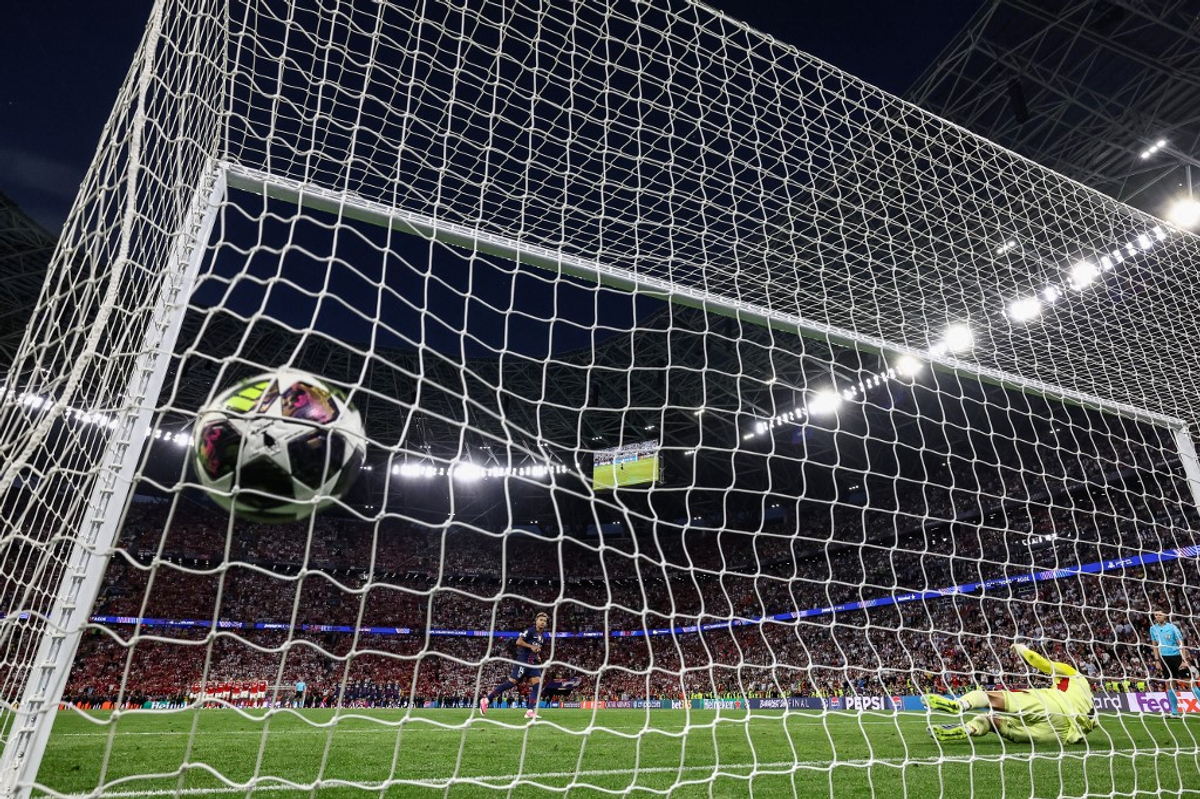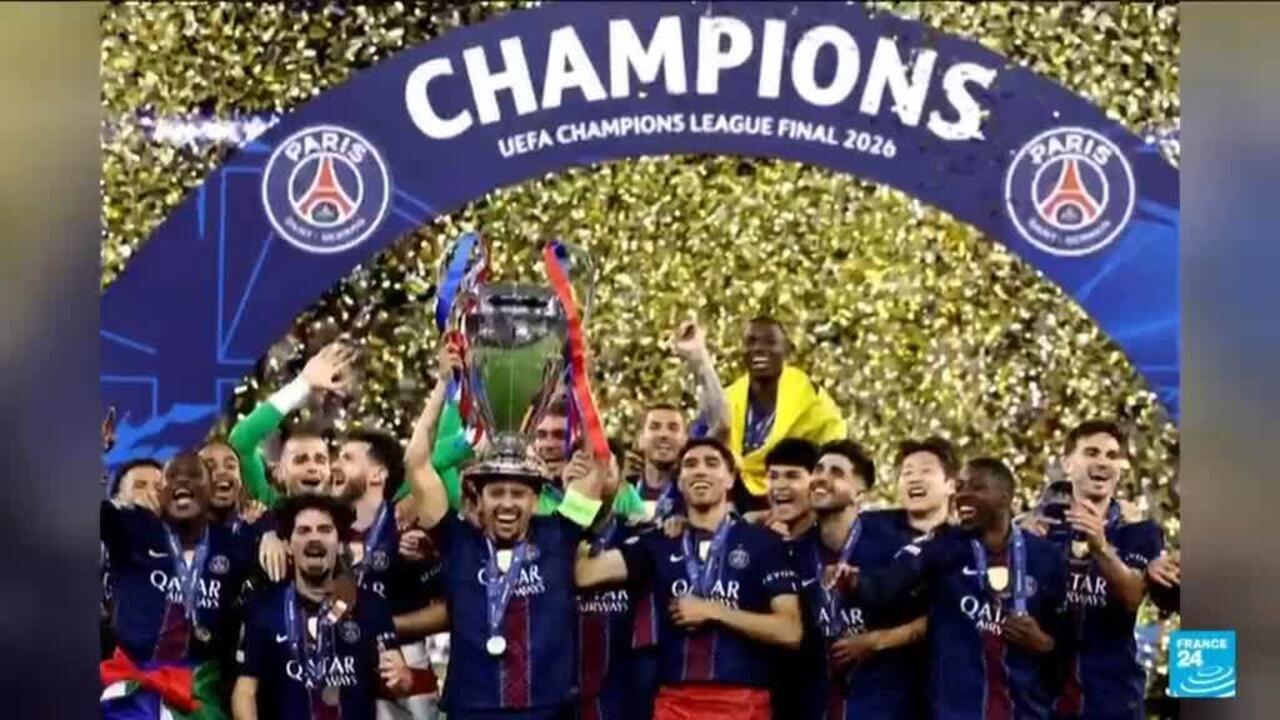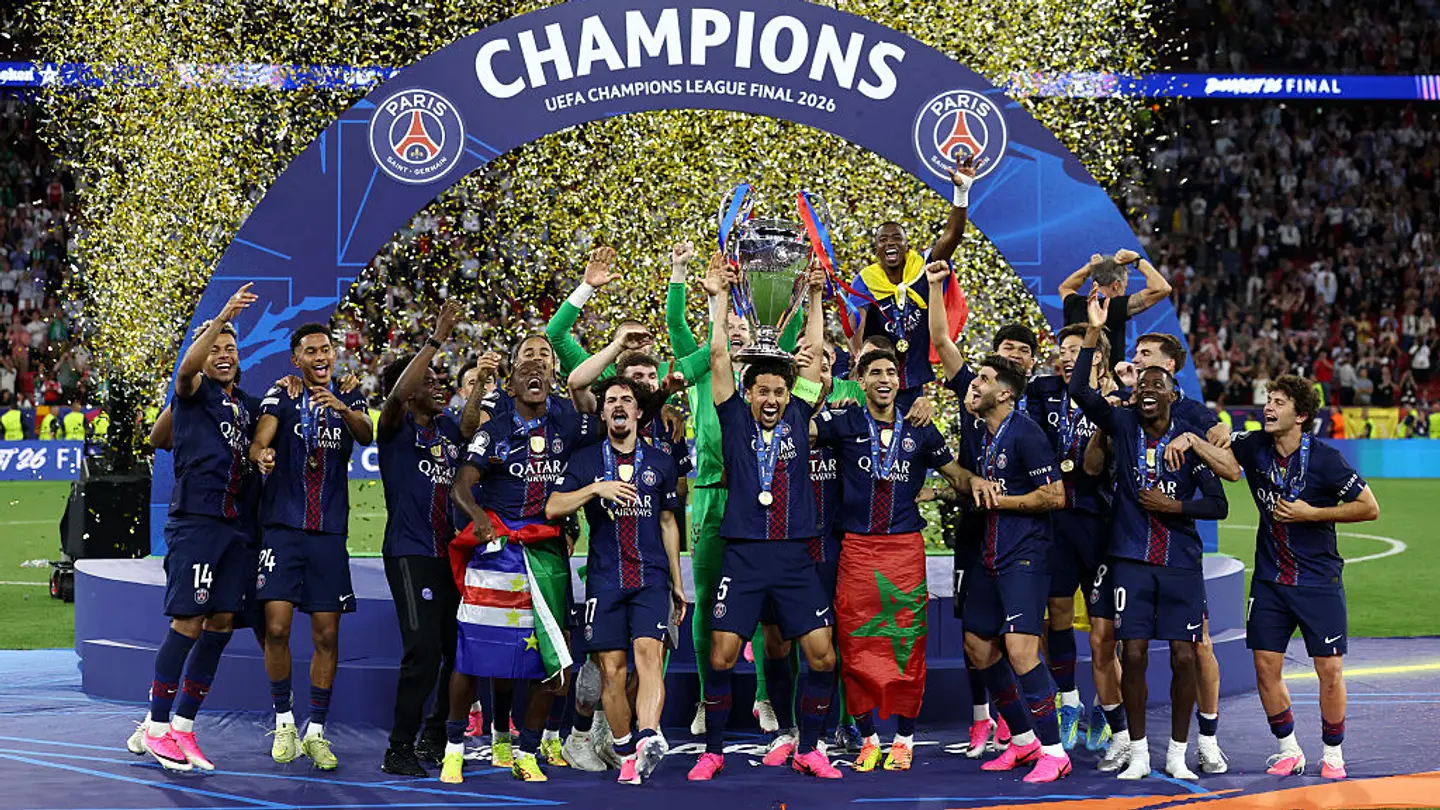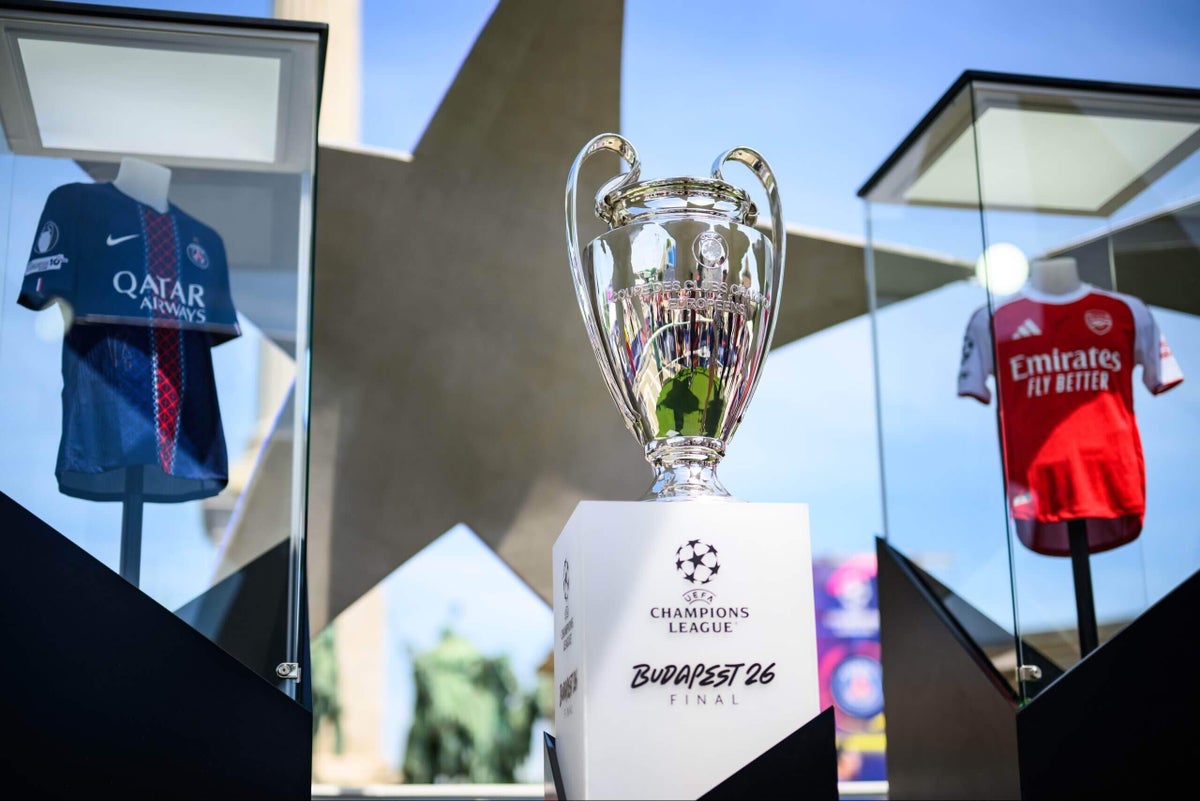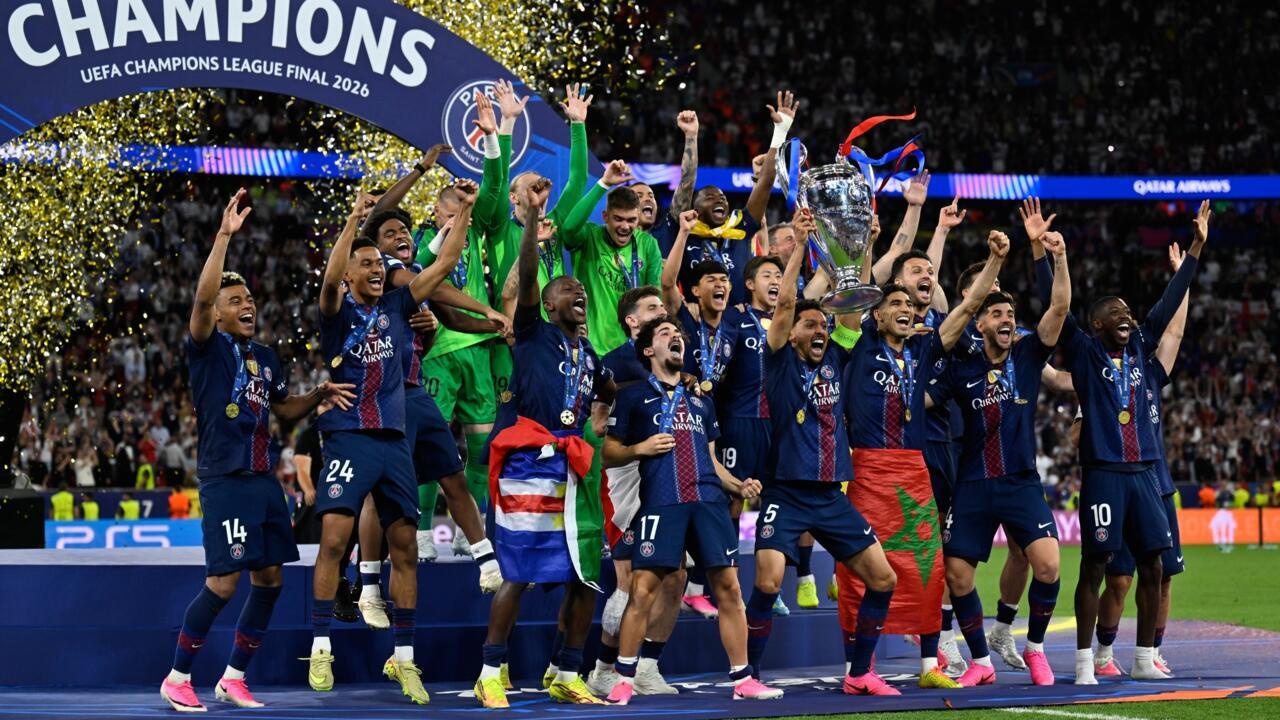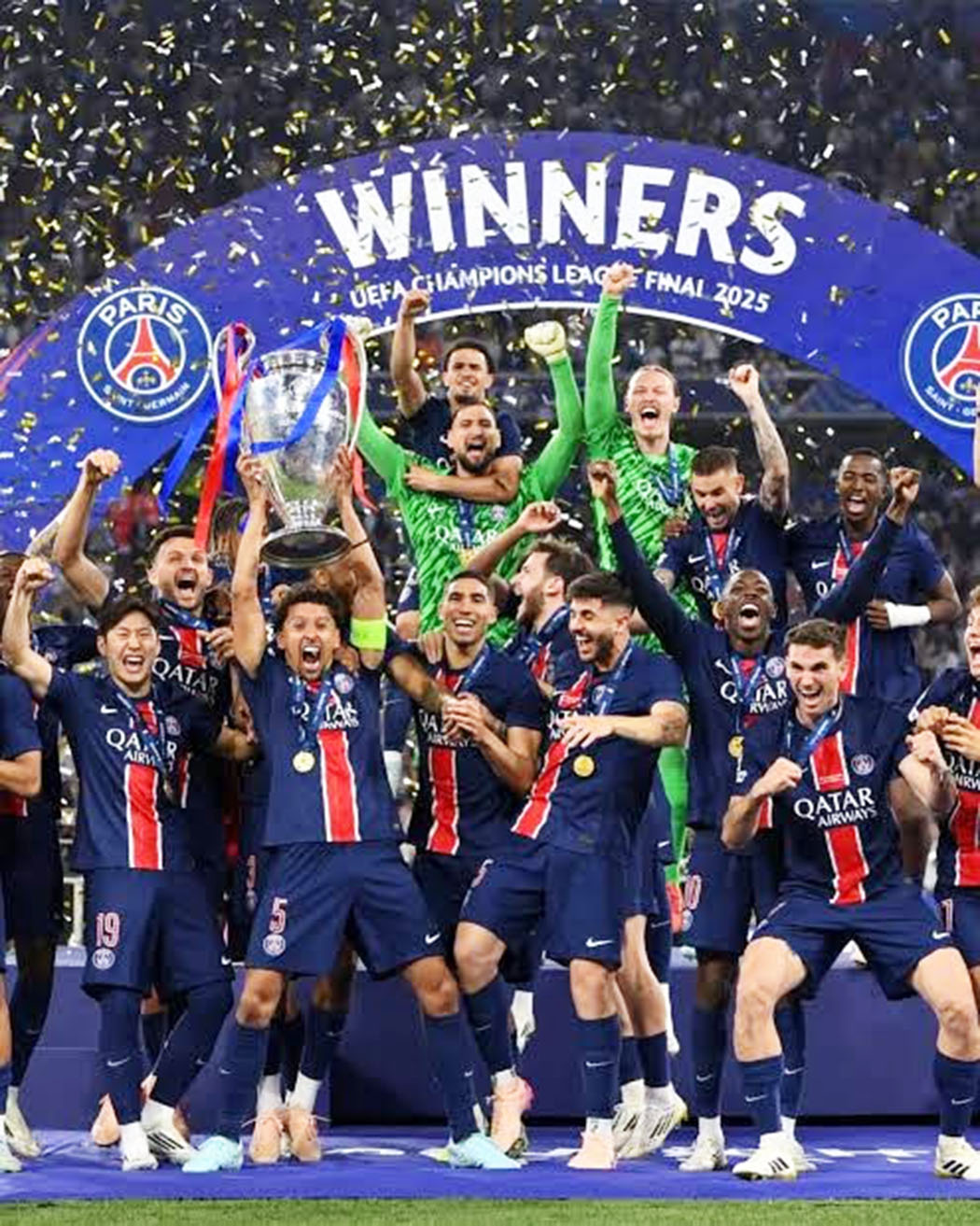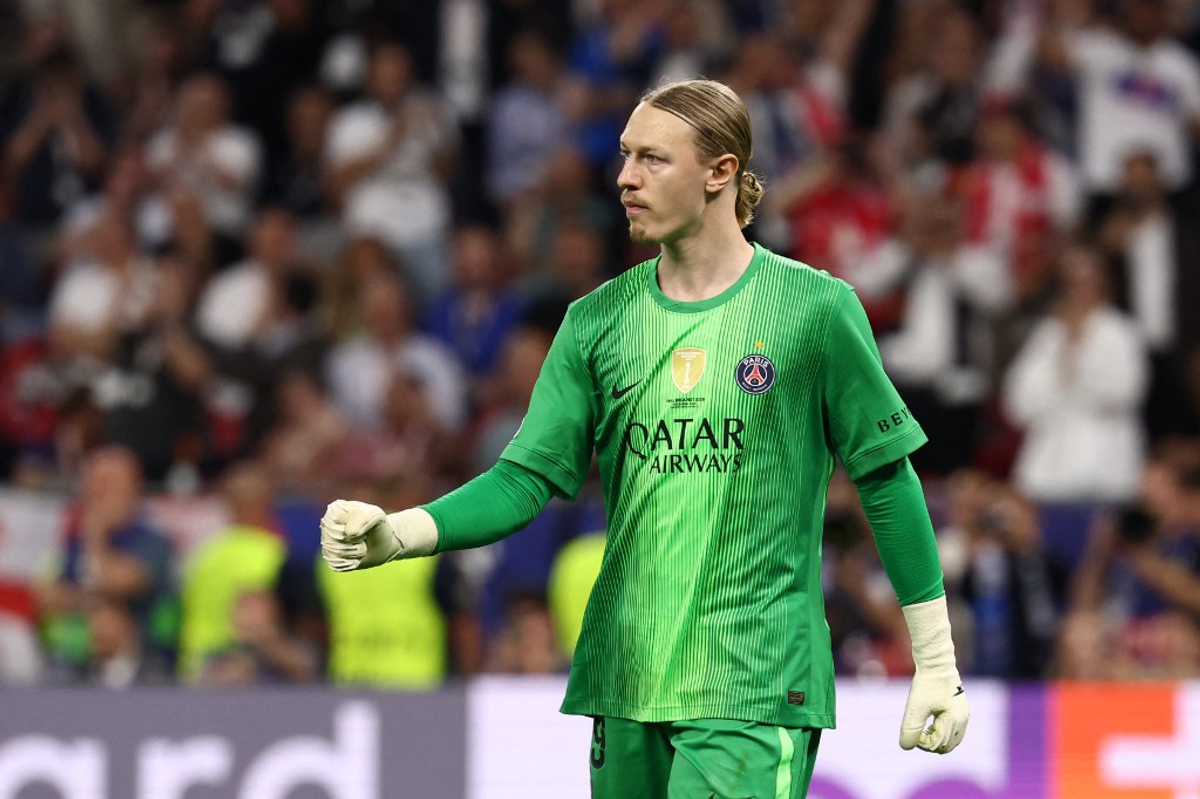
The Champions League final between Paris Saint-Germain Football Club (PSG) and Arsenal Football Club was not only the biggest event in European football, it also offered an image that goes beyond sport. With PSG crowned back-to-back European champions, the match once again showed that the war in Ukraine continues to cast its shadow even over spaces that present themselves as neutral. Since 2022, the idea of separating sport and politics has become increasingly difficult to sustain. Clubs continue to speak the language of competition, but players carry personal histories that extend far beyond the pitch. In PSG’s case, those histories are closely tied to the post-Soviet space and its ongoing tensions.JOIN US ON TELEGRAMFollow our coverage of the war on the @Kyivpost_official. In that context, the presence of Matvei Safonov in the starting lineup of a Champions League final is not a minor detail. The Russian goalkeeper, who has maintained an extremely cautious public profile regarding the war in Ukraine and the government of Russian President Vladimir Putin, embodies a form of silent presence. He has expressed neither explicit support nor open criticism. That silence – common among Russian athletes – cannot simply be read as neutrality. In today’s context, it is also a form of positioning shaped by political and personal constraints. Also on the field from the start was Khvicha Kvaratskhelia, one of PSG’s standout players. Born in Georgia – a country marked by its own conflict with Russia and a strong pro-European orientation – his presence adds another layer of complexity. Before becoming a star in Naples and Paris, Kvaratskhelia played for both FC Lokomotiv Moscow and FC Rubin Kazan – clubs that formed part of his development within Russian football.
How the Champions League Final Quietly Exposed Europe’s Deepest Political Fault Lines
The Champions League final did more than pit two teams against each other – it brought into view different European realities, experiences, memories, and positions.
865 words~4 min read