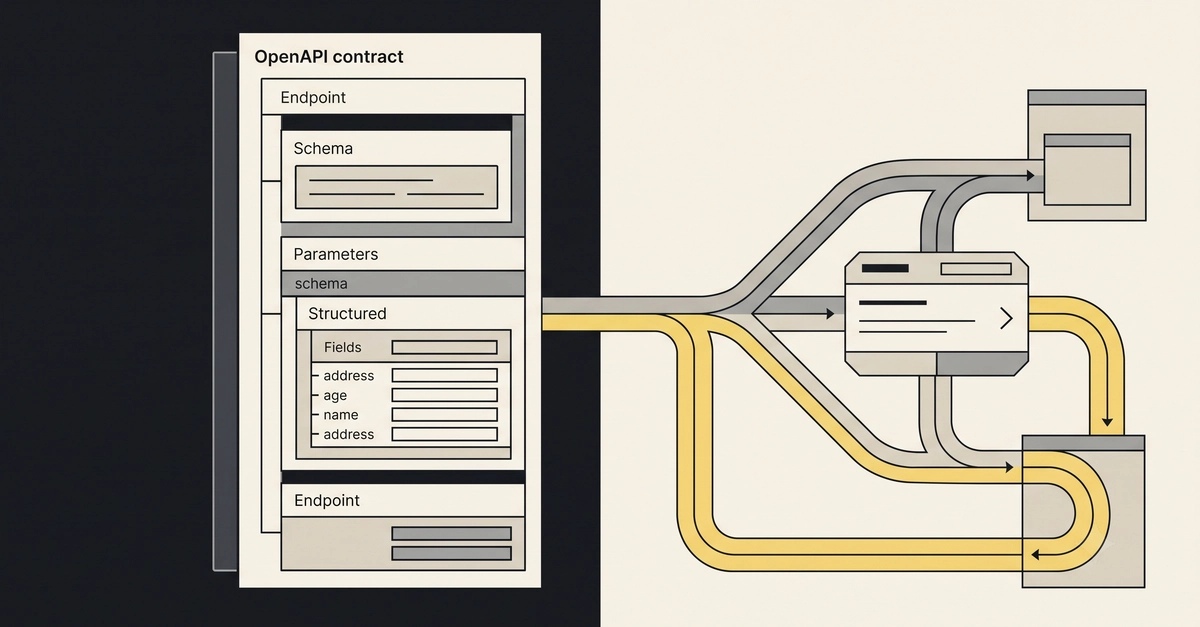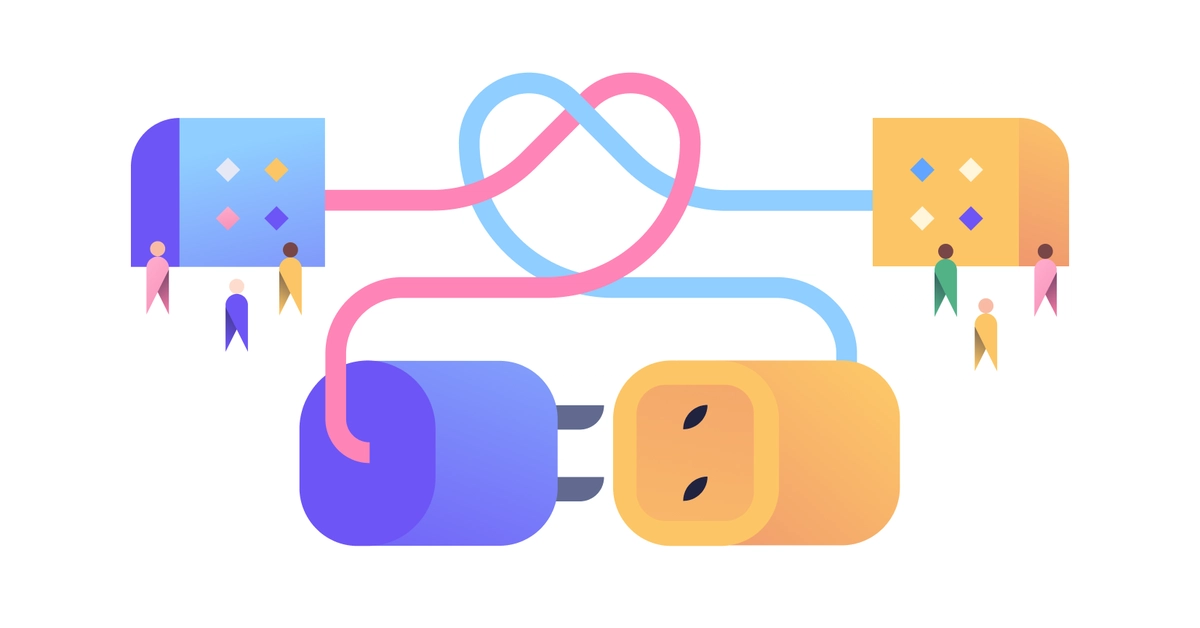
For thirty years, API design has been a discipline aimed at one reader. A human developer, sitting at a workstation, reading documentation, writing code that calls endpoints she already knows about. Every choice REST made and every convention OpenAPI standardized assumed this reader. The endpoints were stable because the developer needed to write code against them. The verbs were generic because the developer would translate her intent into the generic vocabulary on the way to writing the call. The contract was frozen at build time because the developer's intentions were knowable at build time.
The reader changed.
Agents now make most of the interesting API calls. The agent receives a goal at runtime, reasons about what it needs to accomplish that goal, and has to find or propose an endpoint that matches its intent in a single step. The agent has read no documentation. The agent has no prior knowledge of the API surface. The agent reasons in natural language about user goals and matches that reasoning against whatever it finds at the server. Every assumption baked into thirty years of API design fails to hold for this reader, because the reader is doing different work.
This is the part of the agent infrastructure conversation that has been moving slowly, because the implications are uncomfortable. They mean rethinking the surface of the system that has been the most carefully designed surface in software engineering. Agentic APIs on AGTP is what that rethinking looks like when somebody does the work.