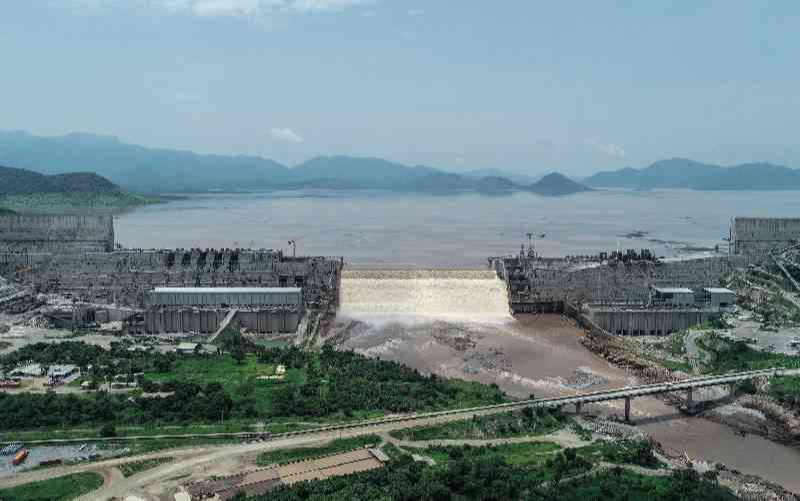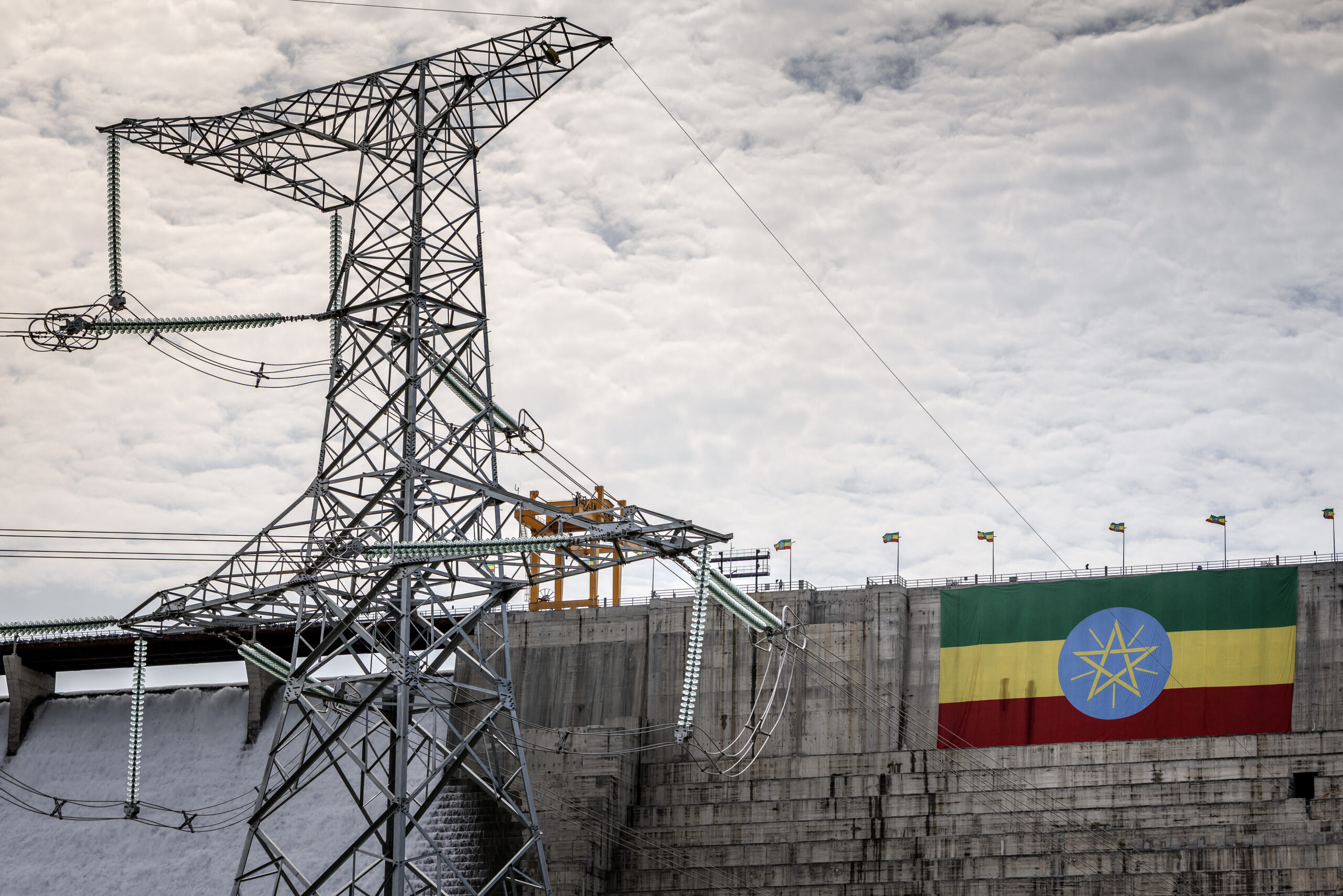
Kenya has significantly increased electricity imports from neighbouring Ethiopia as domestic generation capacity struggles to keep pace with rising demand. Kenya imported a record 1,274.42 gigawatt‑hours (GWh) from Ethiopia in the fiscal year ending June 2025, according to data from the Energy Petroleum and Regulatory Authority (EPRA), which oversees the power sector in Kenya. By contrast, Kenya imported 225.64 GWh from Uganda and 33.79 GWh from Tanzania over the same period, reflecting its deepening reliance on Ethiopian electricity.
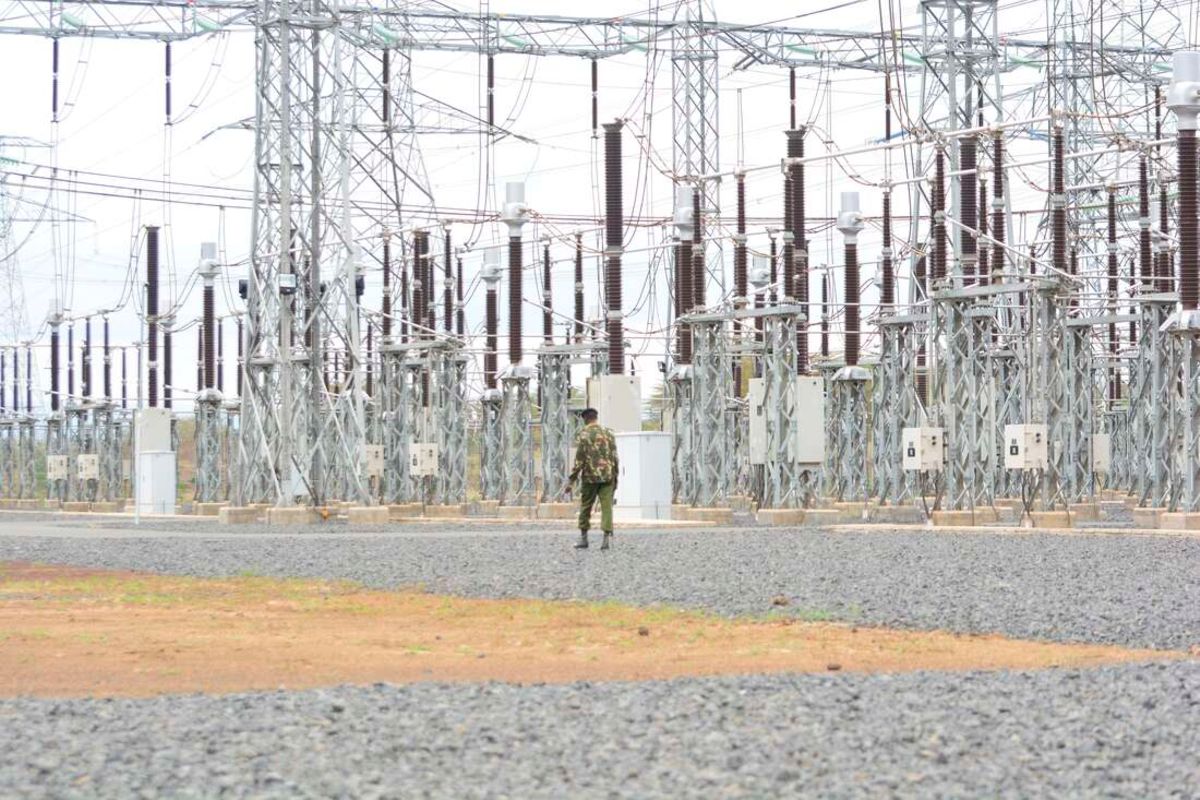
Kenya’s electricity imports from Ethiopia are underpinned by a 25‑year power purchase agreement (PPA) signed by both countries’ respective utility companies in 2022 – the same year that the 1045 km high-voltage interconnector linking Wolayita Sodo in Ethiopia to the Suswa substation in Kenya was completed. Built at a cost of $1.26bn and financed primarily by the World Bank and the African Development Bank, the line is designed to transmit up to 2000 MW of power.
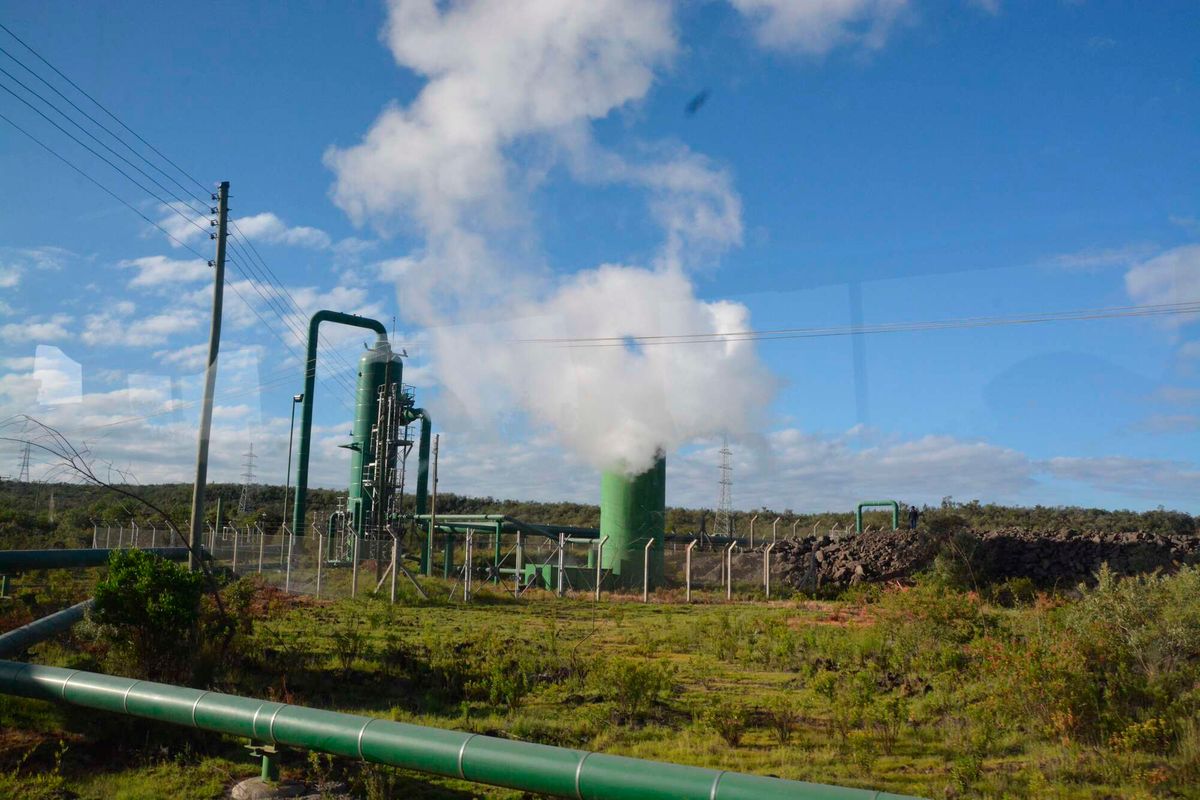
Kenya’s electricity demand has been steadily rising over the years, hitting a record 2,411.98 MW in October 2025 against an installed capacity of 3,846.80 MW. That leaves a thin reserve margin of about 434 MW, raising the risk of outages during periods of constrained power supply.