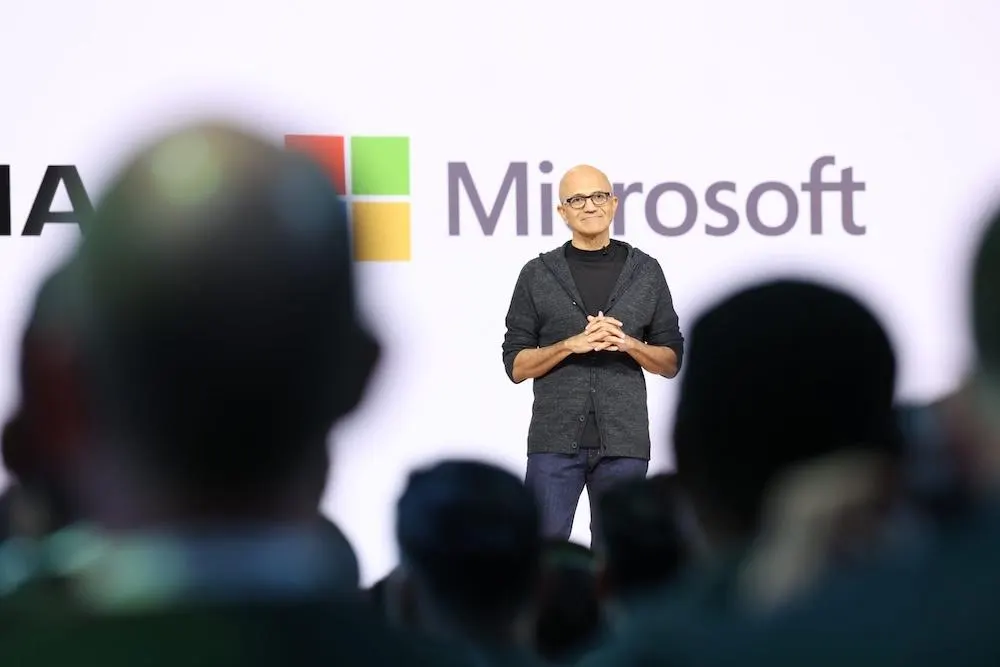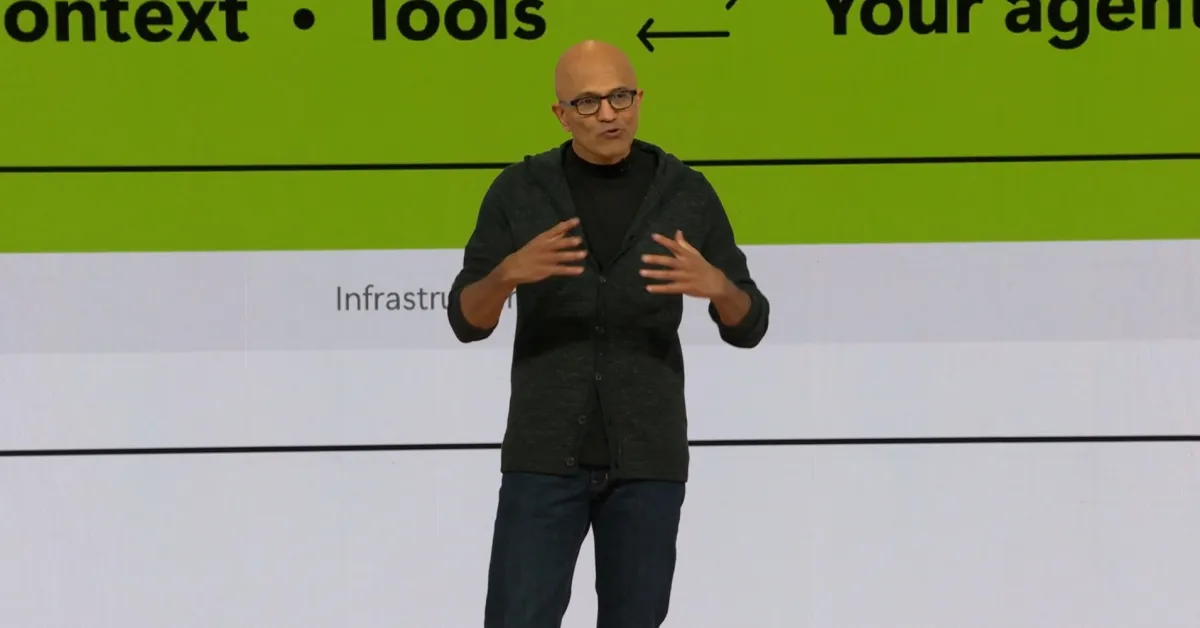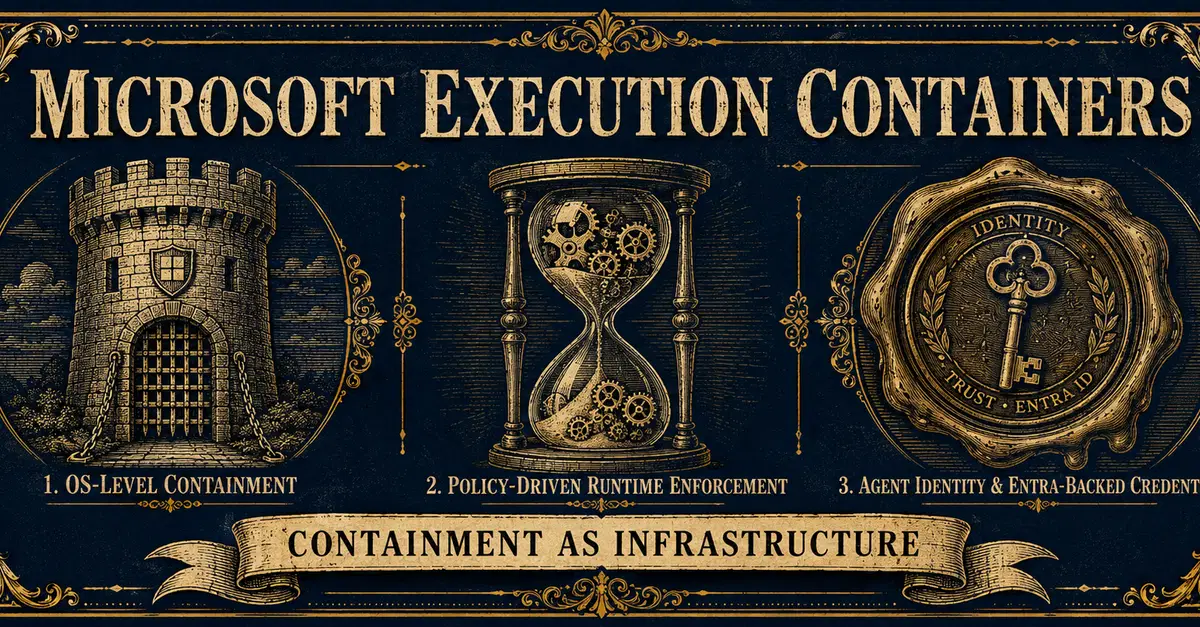
Windows hasn't been the interesting part of the AI developer story for the past two years. At Build 2026, Microsoft made a serious case for why that changes now — and the core of the argument isn't dev tooling or on-device models. It's agent containment enforced at the operating system level.
The Problem Agents Actually Create
Agentic AI tools have been shipping fast and the security architecture around them has been improvised. Most agent runtimes run with whatever permissions the user has. They call APIs, write files, browse the web, and spawn subprocesses — all under the same identity as the human sitting at the keyboard. When something goes wrong, whether that's prompt injection, a compromised tool, or an agent doing exactly what it was told and not what was meant — there's no meaningful isolation layer between the agent's blast radius and the rest of the system.
For personal use, this is annoying. For enterprise environments, it's a compliance problem that IT and security teams have no good answer for right now. An agent with access to Outlook, GitHub, and internal file shares is a significant attack surface, and today's runtimes don't give you much to work with.
How MXC Actually Works