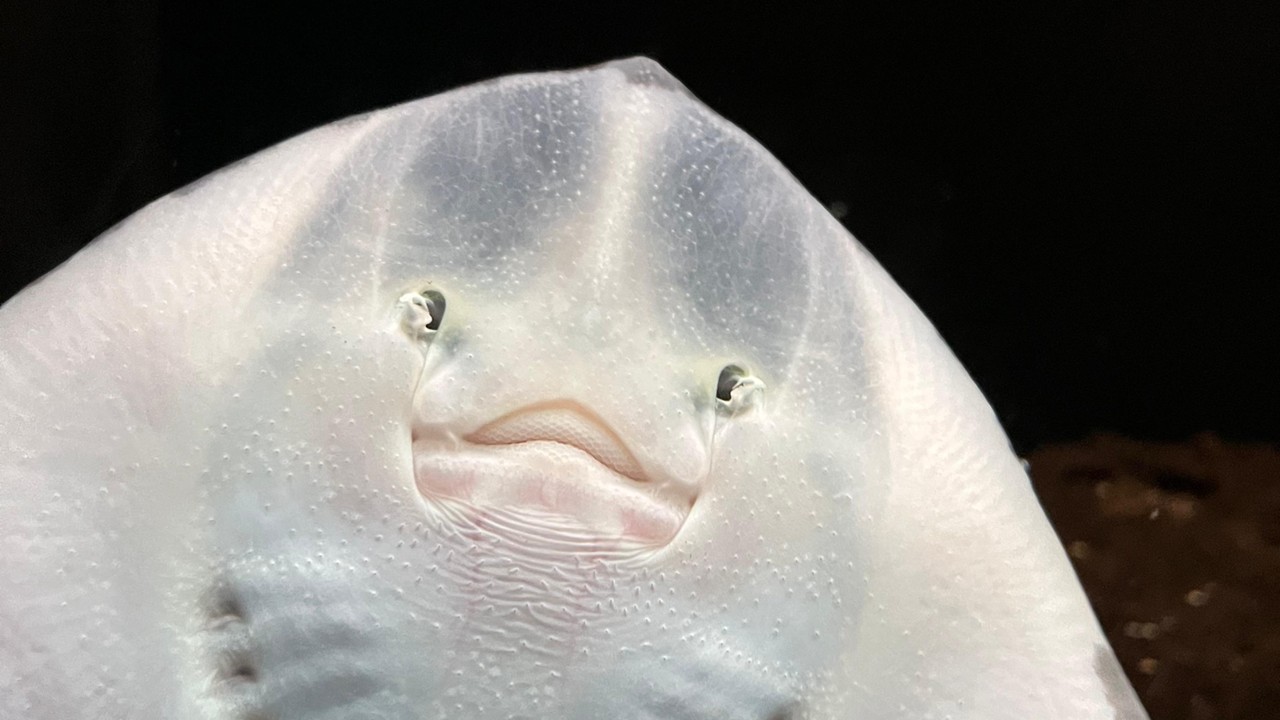
A series of studies found that electromagnetic fields from offshore-wind farm cables can trigger various effects in bottom-dwelling sharks and rays depending on species and life stage.Experiments on small-spotted catsharks and thornback rays showed behavioral and developmental responses.The researchers concluded that electromagnetic fields may increase predation risk during early development by altering natural behaviors linked to predator avoidance.eDNA surveys detected multiple shark and ray species inside offshore wind farms, suggesting they may serve as potential refuge areas, though major knowledge gaps remain.
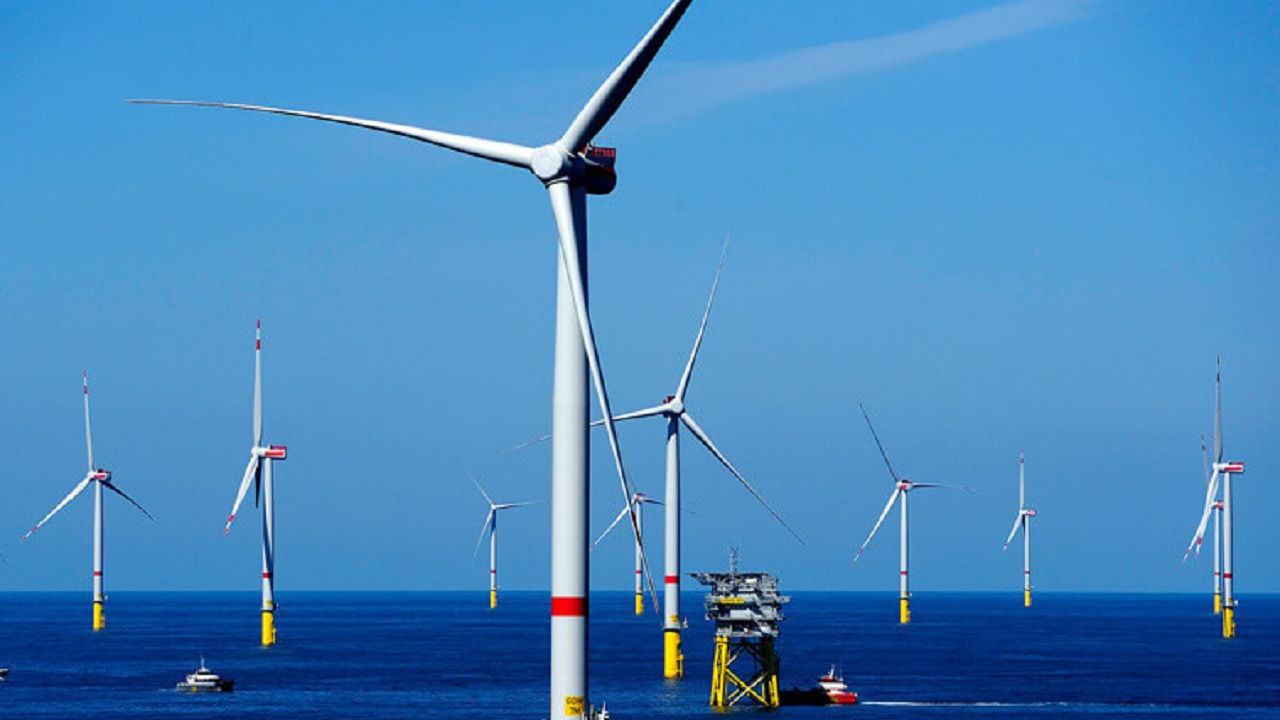
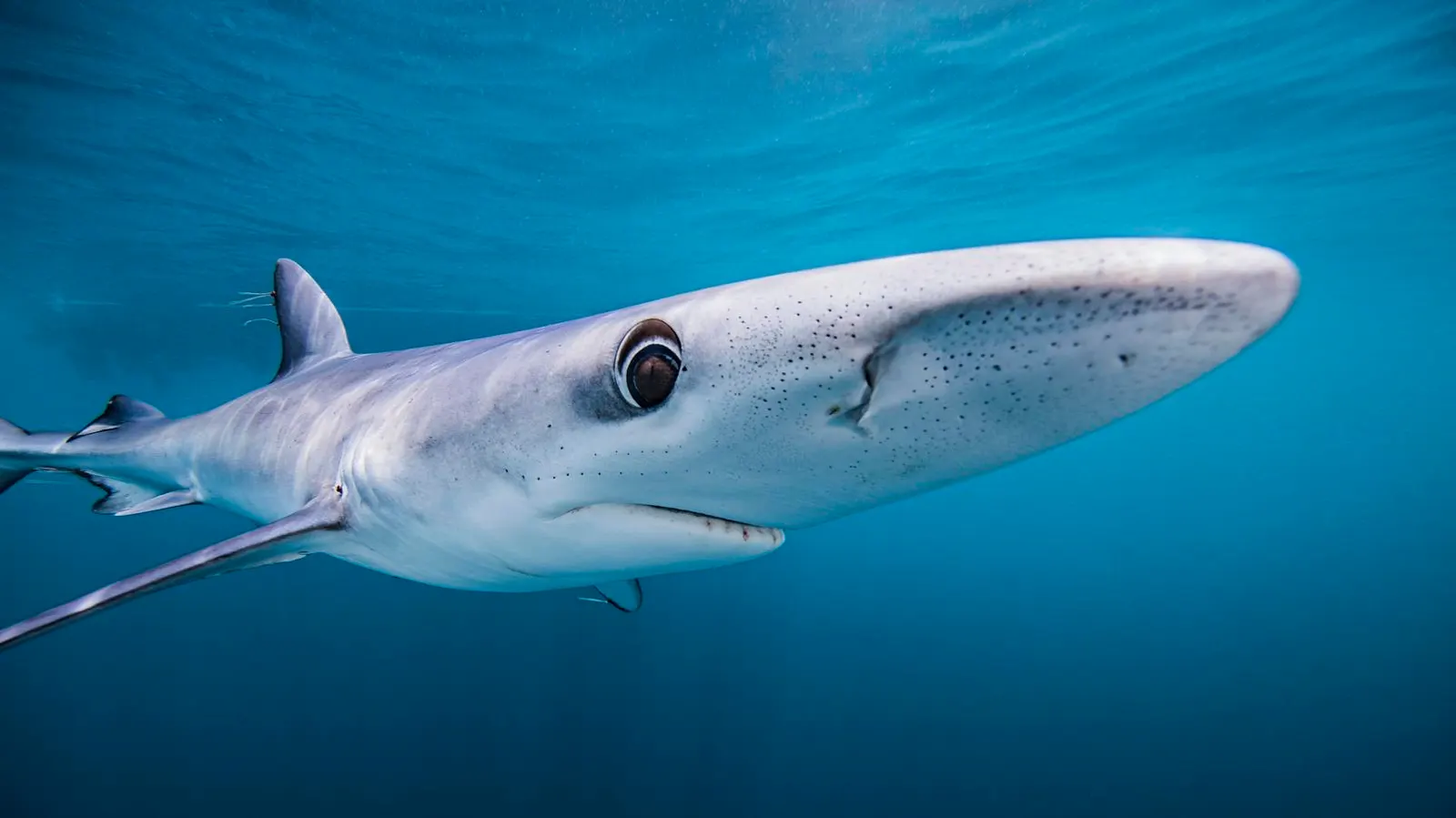
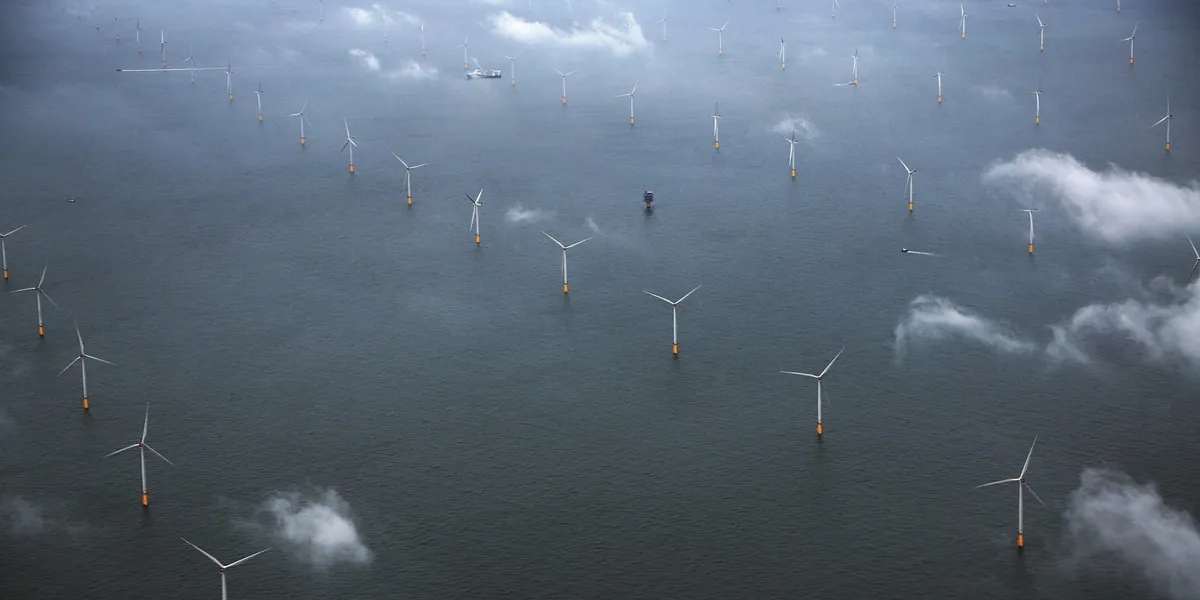
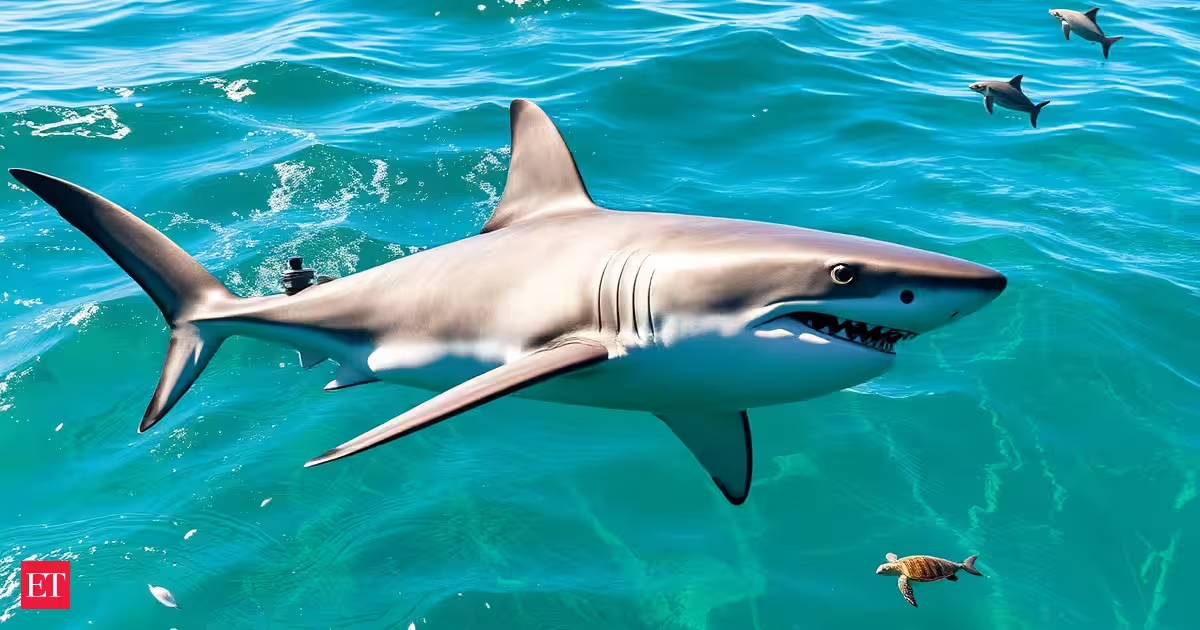
As offshore wind farms expand rapidly in the global renewable energy transition, scientists are studying how these large marine infrastructure projects affect ecosystems beneath the waves. Research from Wageningen University & Research in the Netherlands suggests that offshore wind may bring both risks and benefits for sharks and rays, known collectively as Elasmobranchii, which are highly sensitive to electromagnetic fields (EMFs).
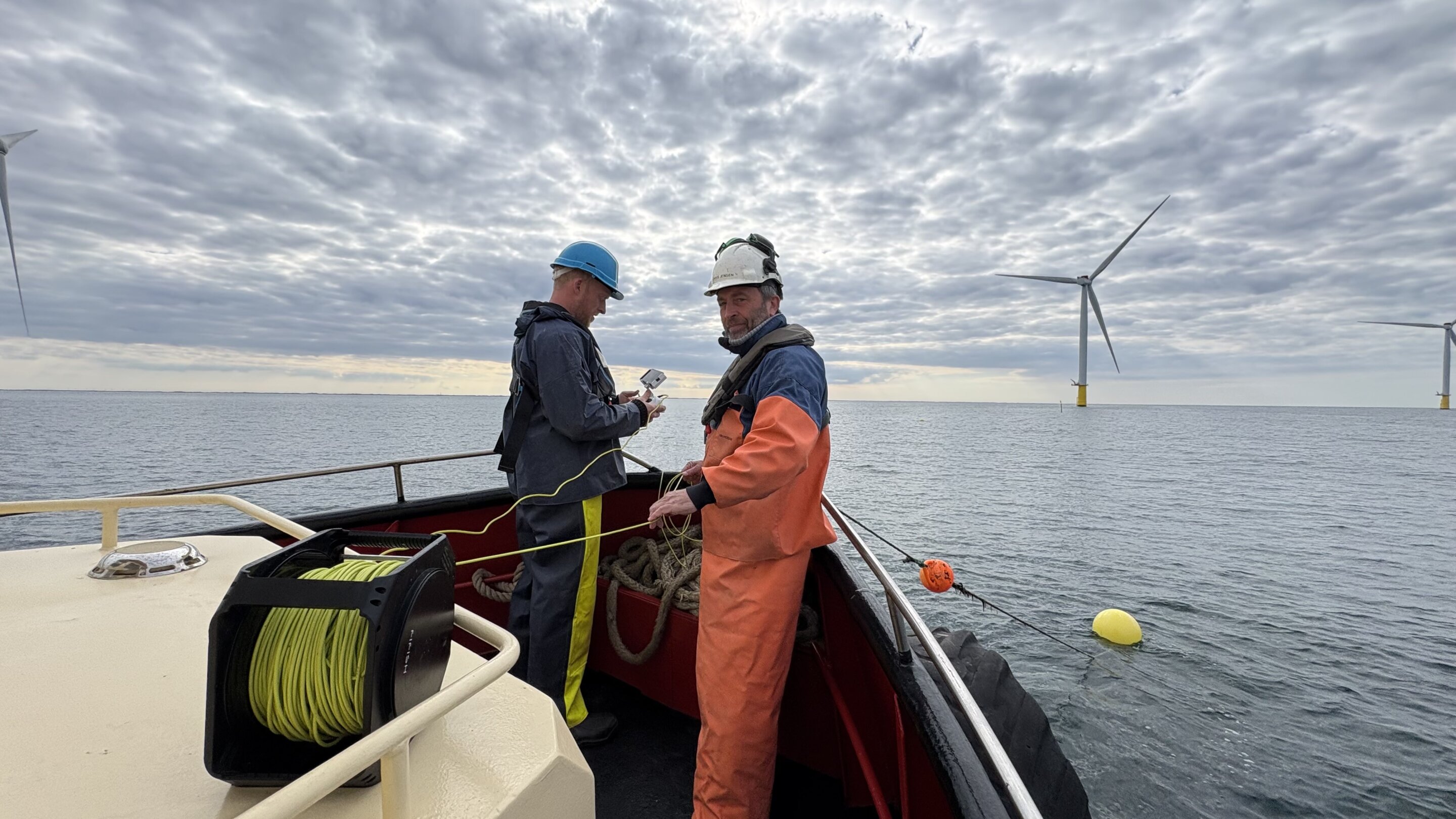
A six-year project called “Elasmopower” examined how EMFs from subsea power cables in offshore wind farms affect bottom-dwelling sharks and rays. These species depend on natural electric and magnetic fields for key behaviors such as navigation, prey detection, habitat use and long-distance movement, particularly in low-visibility environments. The studies conducted as part of the Elasmopower project have been published in four papers, with three additional papers currently undergoing peer review.