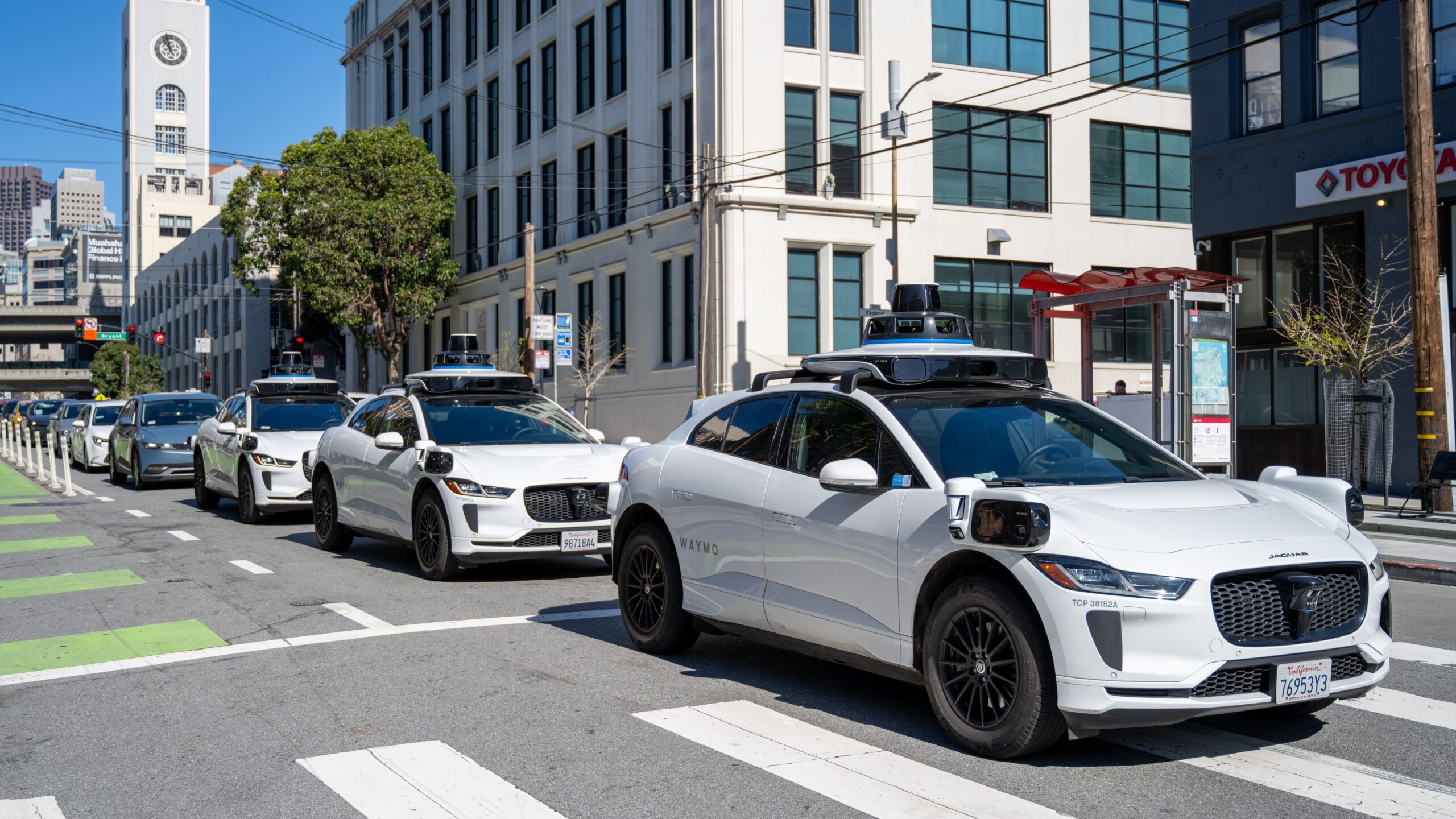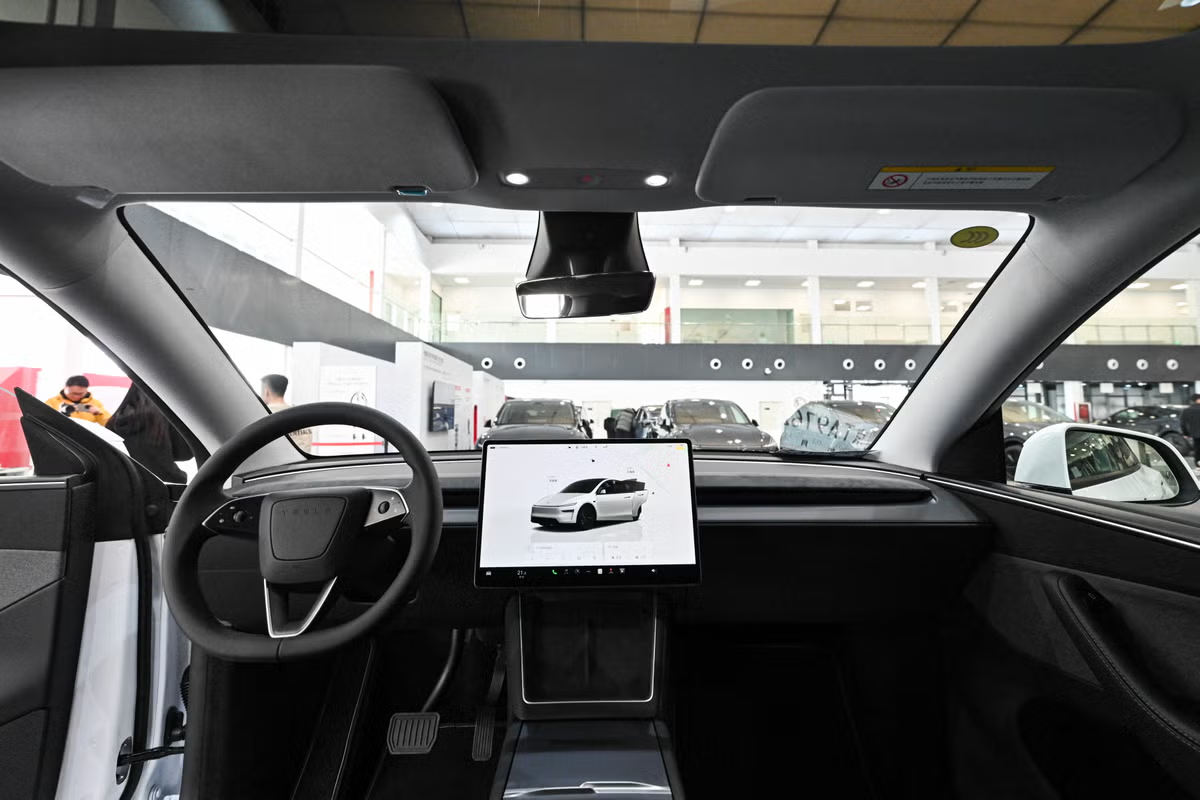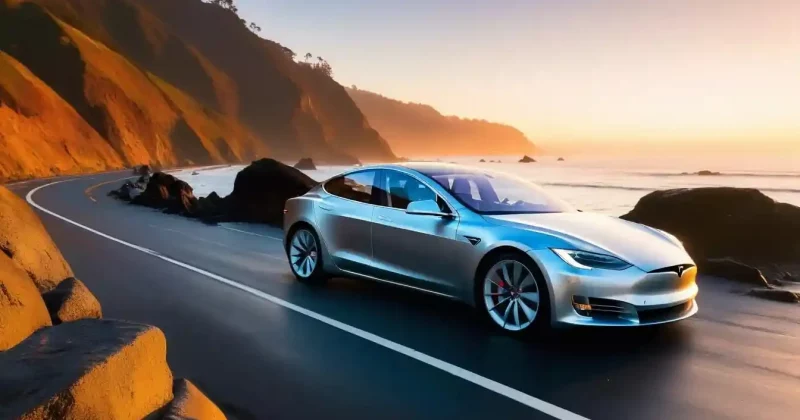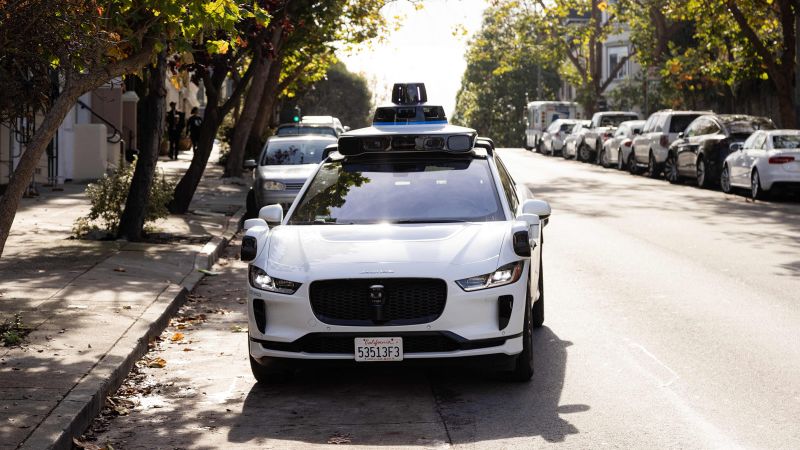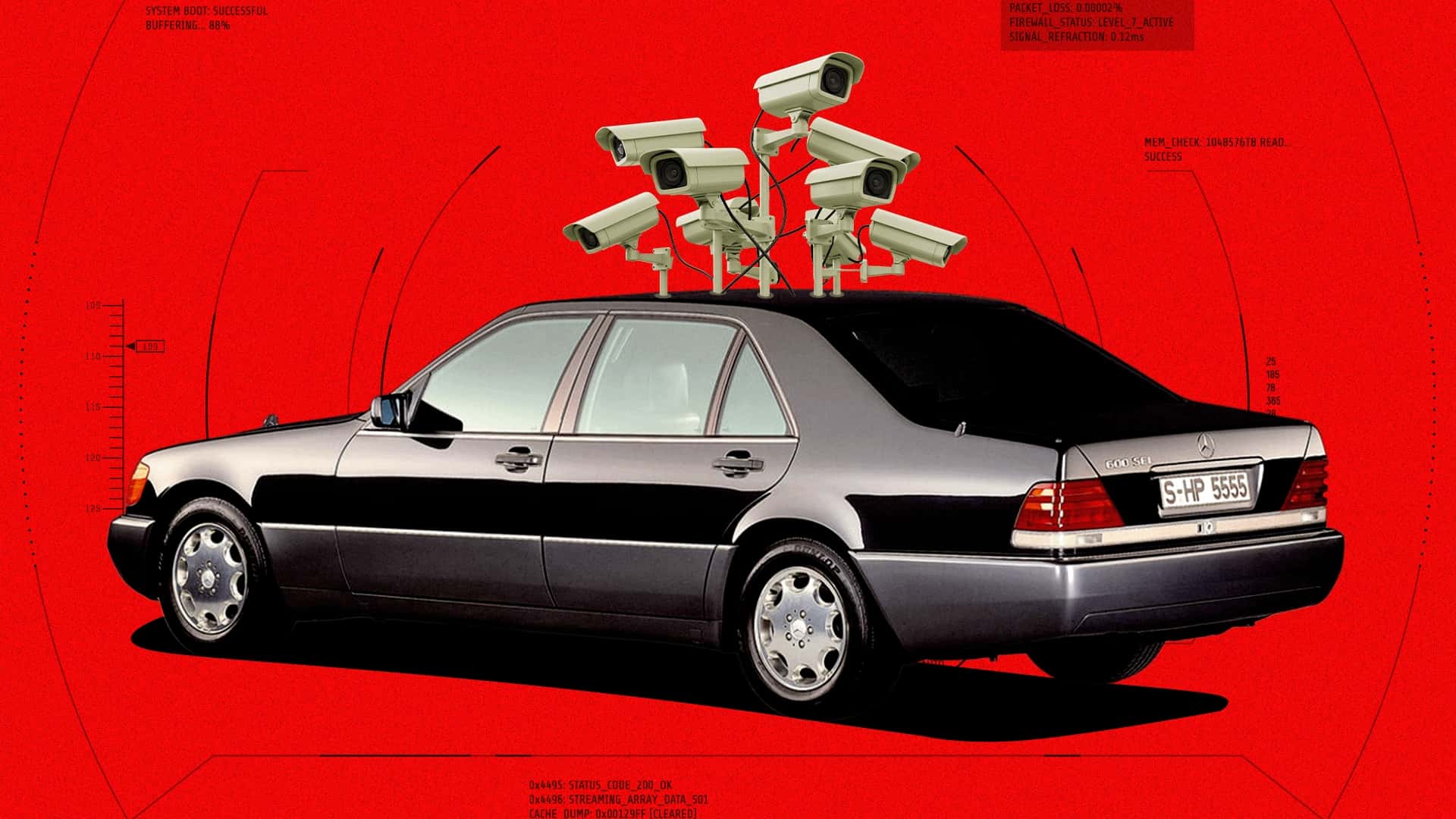
Tesla may be widely associated with its very public quest to automate driving, but the origin of self-driving cars goes back to before the Silicon Valley startup even existed. A Mercedes drove autonomously on public highways for 1,000 miles between Germany and Denmark—sometimes at autobahn speeds—back in 1995.
Before that, in 1987, Ernst Dickmanns’ VaMoRs research vehicle drove itself down an unopened stretch of autobahn using cameras, onboard computers, and automated control of the steering, throttle, and brakes. It reached 60 mph, covered more than 12 miles, and did so with less computing power than your smartwatch has.
The first true experimental semi-autonomous car is even older, though. In 1977, the Tsukuba Mechanical Engineering Laboratory in Japan made an early vision-guided autonomous test vehicle. It used images from two onboard cameras and followed guide features on the road. It was primitive and slow, but it drove autonomously (albeit in a controlled, structured environment) using on-board tech.
We try not to throw around the terms “self-driving” and “autonomous” too liberally here, simply because most consumer-facing systems are not actually legally capable of driving themselves. These vehicles still exist on a spectrum somewhere between basic driver assistance and genuinely driverless autonomy, with most of today’s systems still much closer to helping a human drive than replacing one entirely.