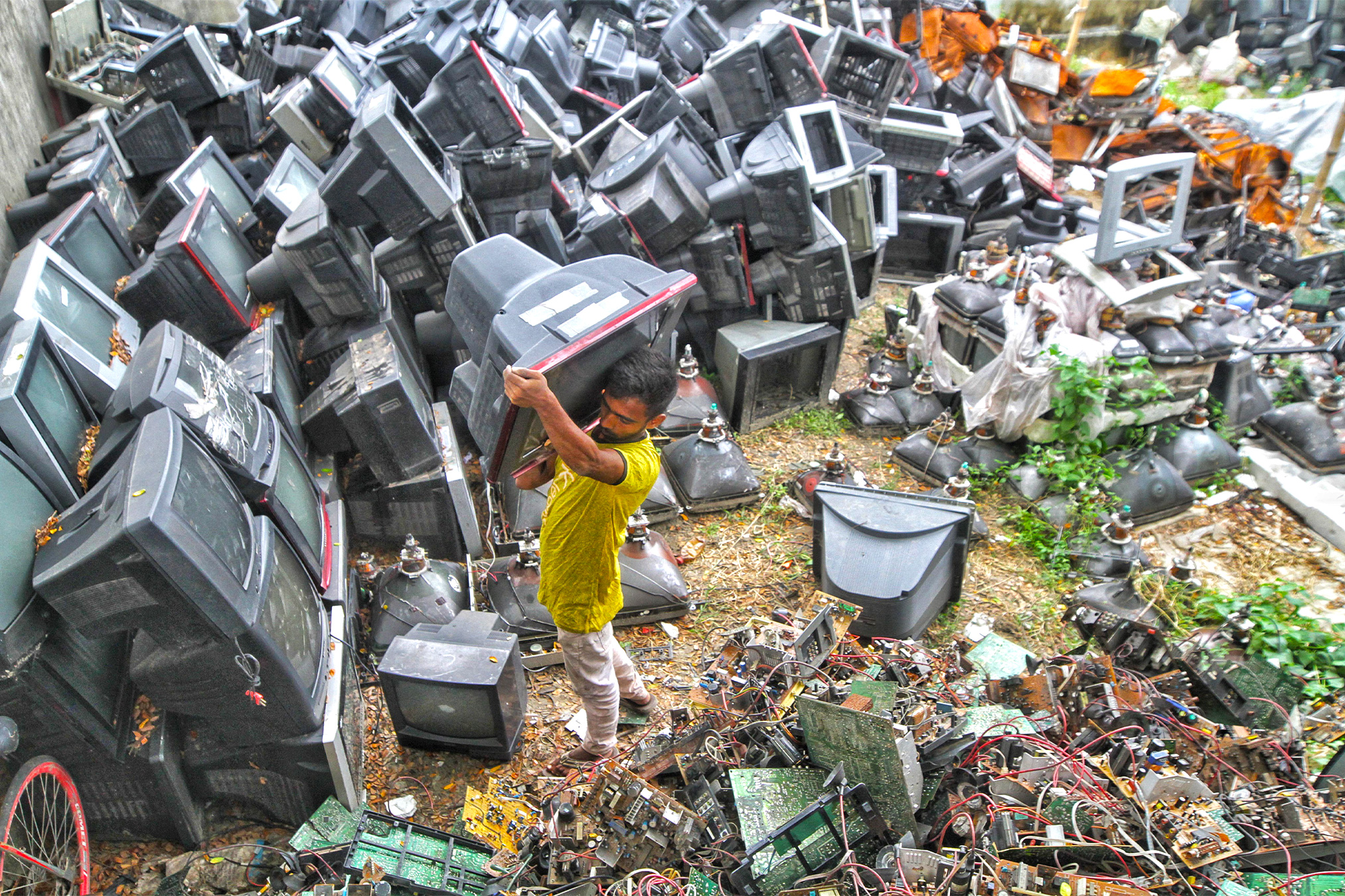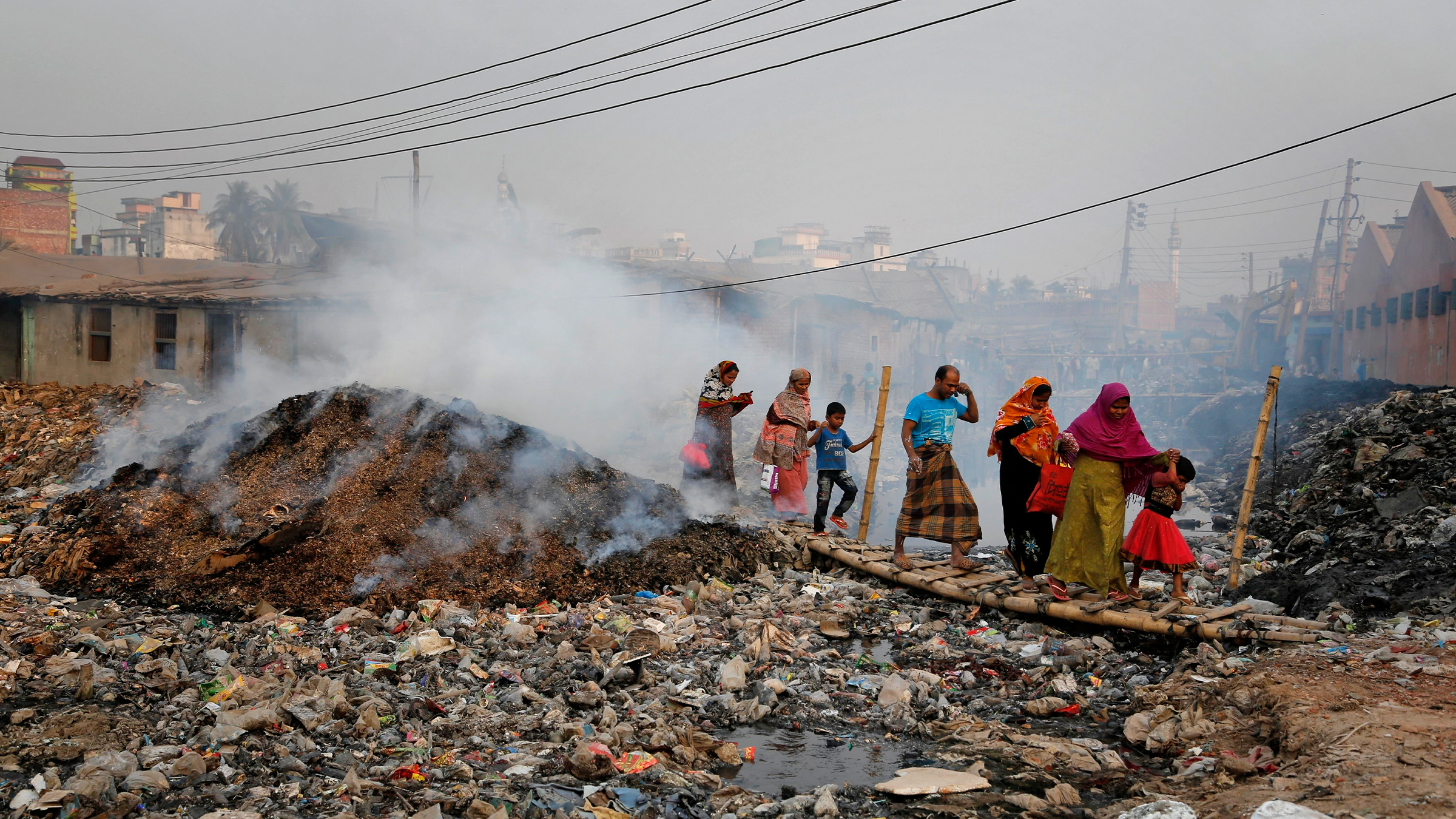
The “polluter pays” principle, though not new in Bangladesh, remains only on paper, as polluters continue to evade accountability.Regulatory authorities could only realize 47.52% of the total compensation imposed in the past 16 years.Loopholes in laws, weak assessment of pollution, insufficient legal staffing, and prolonged case disposal are to be blamed, experts say.
The existence of the “polluter pays” principle (PPP) in Bangladesh, at least on paper, dates back to 1992, ever since the country endorsed the Rio Declaration.
However, Bangladesh has made little progress in implementing the principle so far. A statement by the incumbent minister for environment, forest and climate change, Abdul Awal Mintoo, saying that regulatory authorities recovered less than half of the total compensation imposed on polluters over the past 16 years, exposed the structural loopholes in environmental governance behind failures in implementing the principle.
The minister pointed out that polluters can delay the compensation recovery by applying their right to appeal against the regulatory authorities’ orders.
that Mongabay spoke to said that loopholes in the judicial system, weak evidence and economic analysis on pollution, and polluters’ influence must be addressed if the country really wants to implement the PPP.