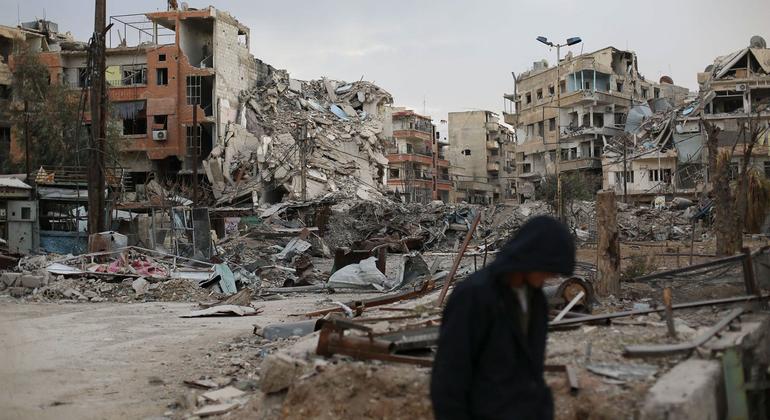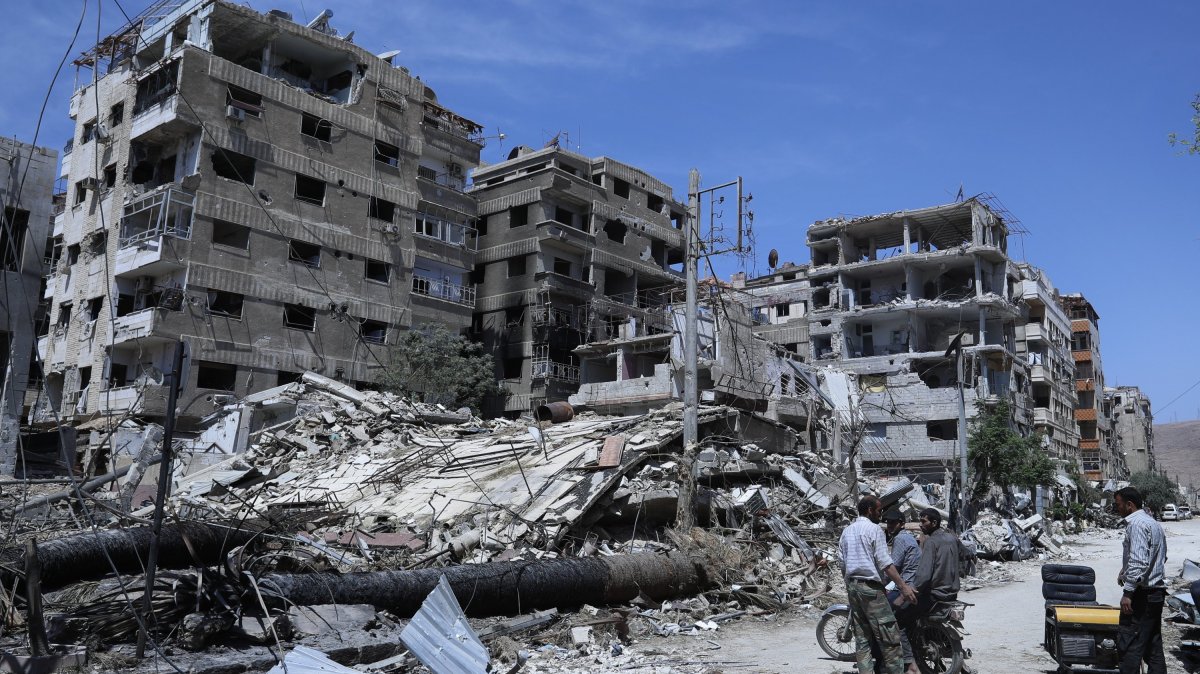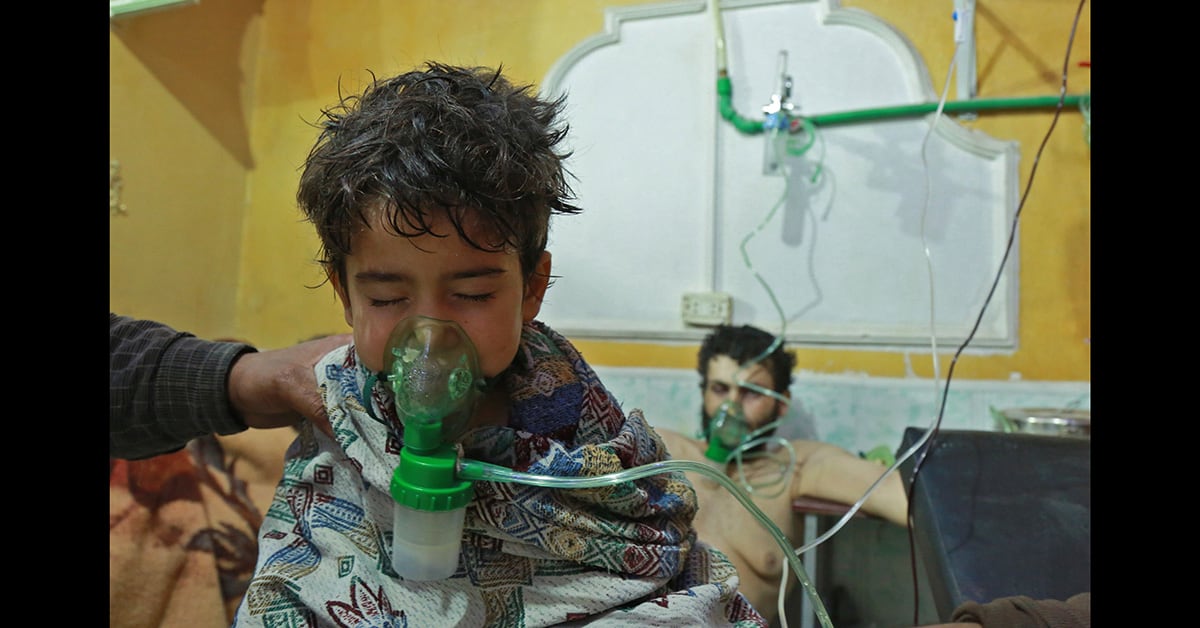
Over a decade after Syria agreed to dismantle its formidable chemical arsenal, international inspectors have uncovered scores of previously hidden chemical weapons materials as the country enters a fragile new phase marked by a shifting security landscape.
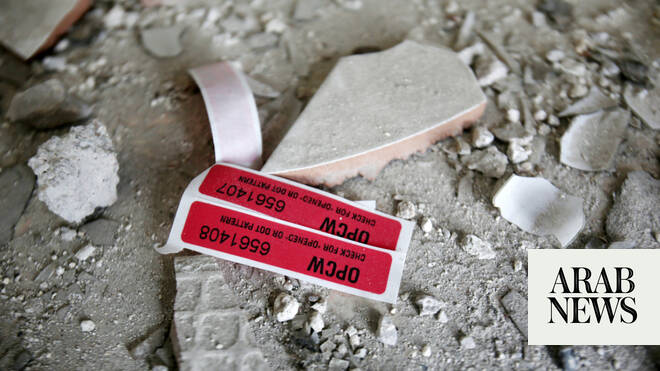
The discoveries, announced in a late May report by the Organisation for the Prohibition of Chemical Weapons, or OPCW, include chemical munitions — such as aerial bombs and rockets — as well as production materials and thousands of pages documenting the deadly program under ousted Syrian president Bashar al-Assad.
The findings come amid a nationwide power reshuffle as a patchwork of security players, including the U.S. and allies, struggle to secure a country devastated by years of war wrought by the government and extremist groups.
A recent Pentagon watchdog report described the transition as increasingly unstable, acknowledging that the new Syrian government forces quickly consolidated control over territory once held by the Kurdish-led Syrian Democratic Forces, or SDF, who had been allied with the U.S. military in the region’s fight against the Islamic State.
By mid-April, U.S. troops closed and withdrew from several American bases, handing over control to government forces and ending a 10-year presence in the country.