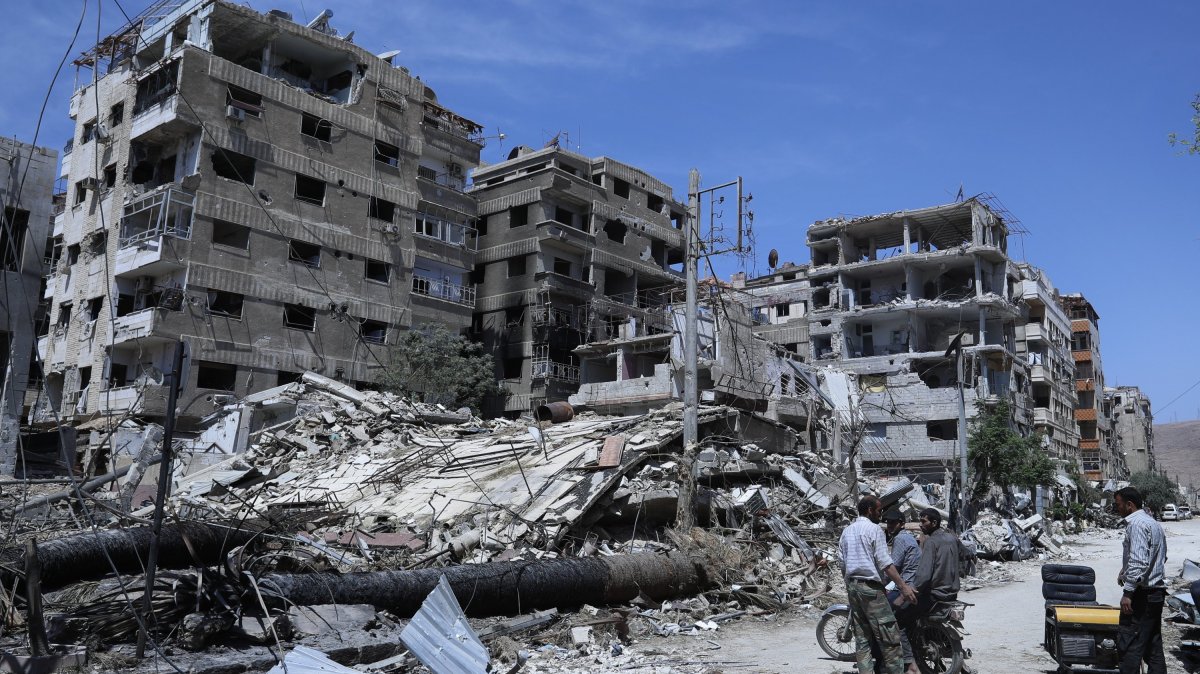
NEW YORK CITY: Syria’s envoy to the UN said on Thursday that secrecy surrounding the nation’s former chemical weapons program, security risks from land mines and other unexploded ordnance, and Israel’s targeting of suspected weapons sites continue to complicate his government’s efforts to eliminate Assad-era chemical weapons.
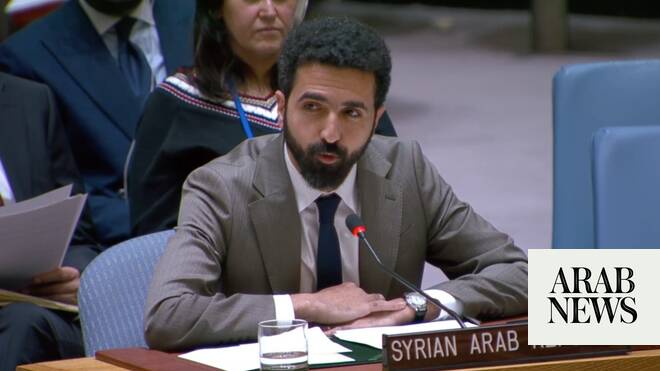
Speaking at a UN Security Council meeting about Syria’s chemical weapons, Ambassador Ibrahim Olabi said the nation’s new authorities had nevertheless made significant progress over the past year in their work with the Organization for the Prohibition of Chemical Weapons.
Despite what he described as “major challenges,” Syria had moved the issue “from a stage of suspicion and manipulation to one of partnership with the OPCW,” he said, adding: “Syria has achieved a qualitative leap in its cooperation with the OPCW.”
This shift is reflected in recent decisions by the watchdog’s executive council and changing positions among its member states, Olabi noted.
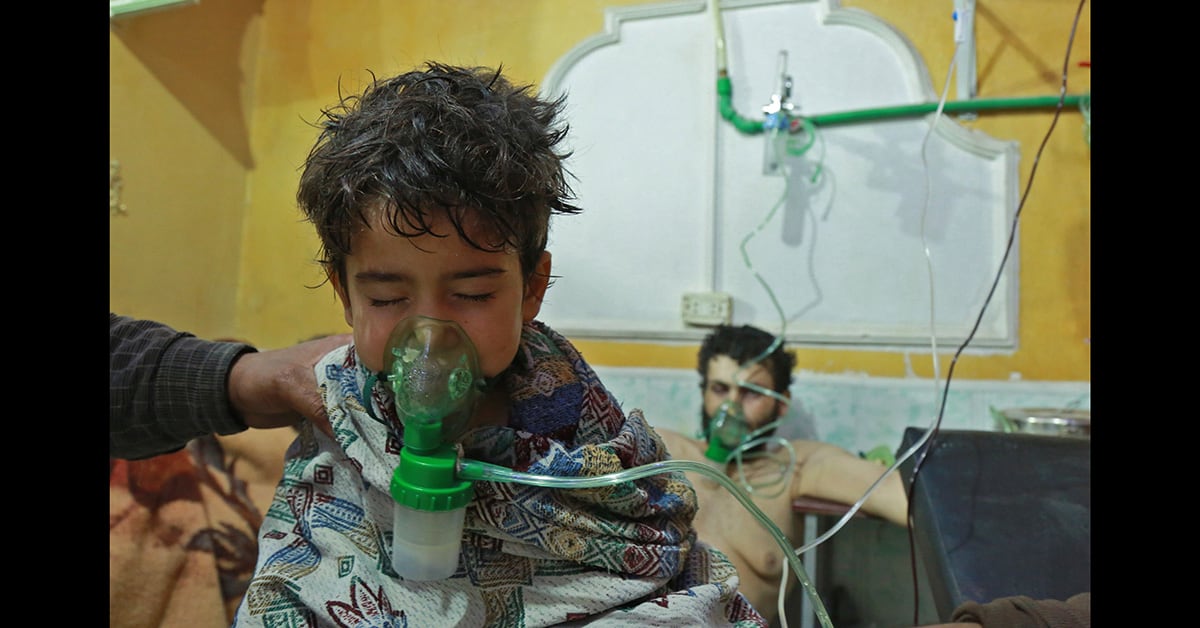
Syria’s chemical weapons program has been under international scrutiny since the early years of the country’s civil war, when repeated chemical attacks killed or injured large numbers of civilians. The deadliest incident occurred in 2013 in the Damascus suburb of Eastern Ghouta, when a sarin attack killed hundreds and triggered international efforts to dismantle the country’s chemical arsenal.