Support CleanTechnica's work through a Substack subscription or on Stripe.
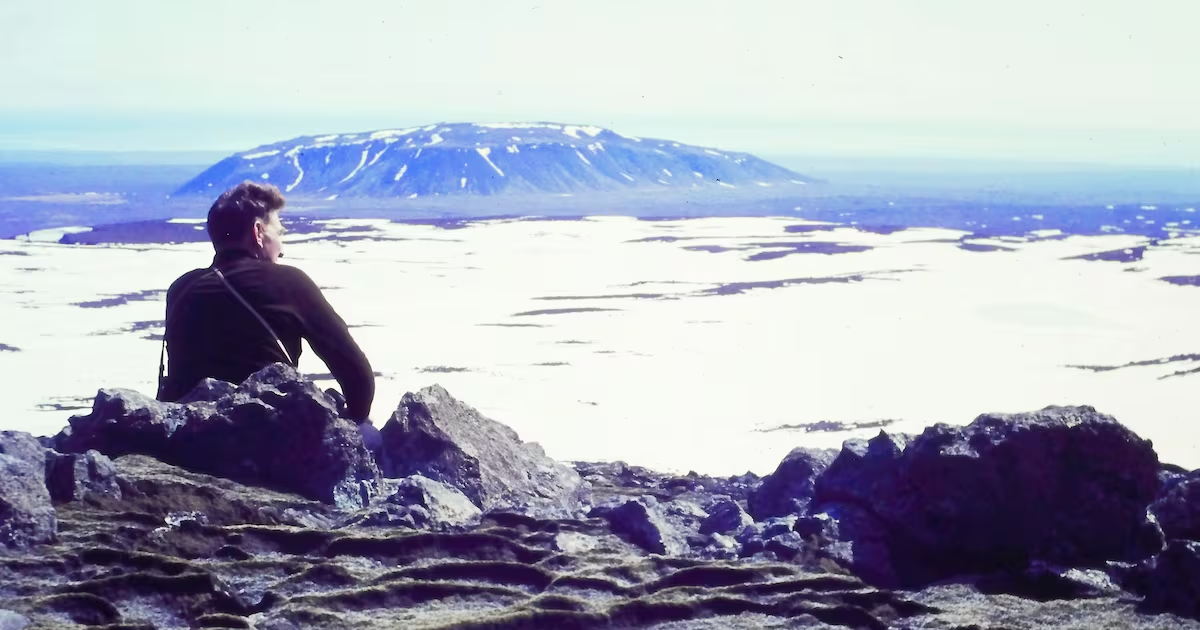
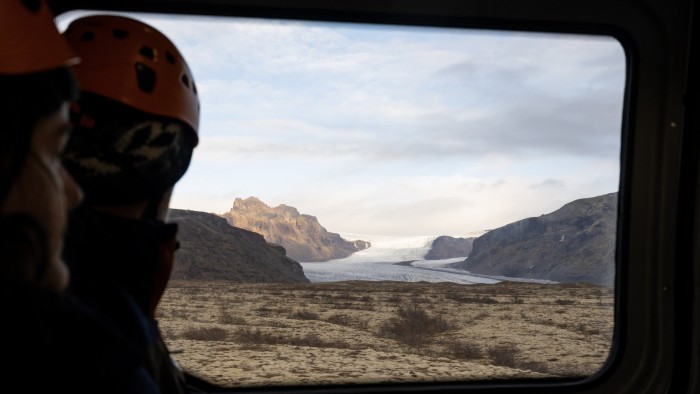
Iceland has exercised an outsized voice on climate action ever since 2019, when a group of citizens bid a ceremonial farewell to a dead glacier, a victim of a warming world. The moment has received a renewed burst of attention following the release of the new documentary film set in Iceland, Time and Water. Still, it’s not all about loss. Iceland also stands in the vanguard of climate action, particularly in regards to its vast geothermal resources.
Time and Water: Loss, Both Glacial And Human
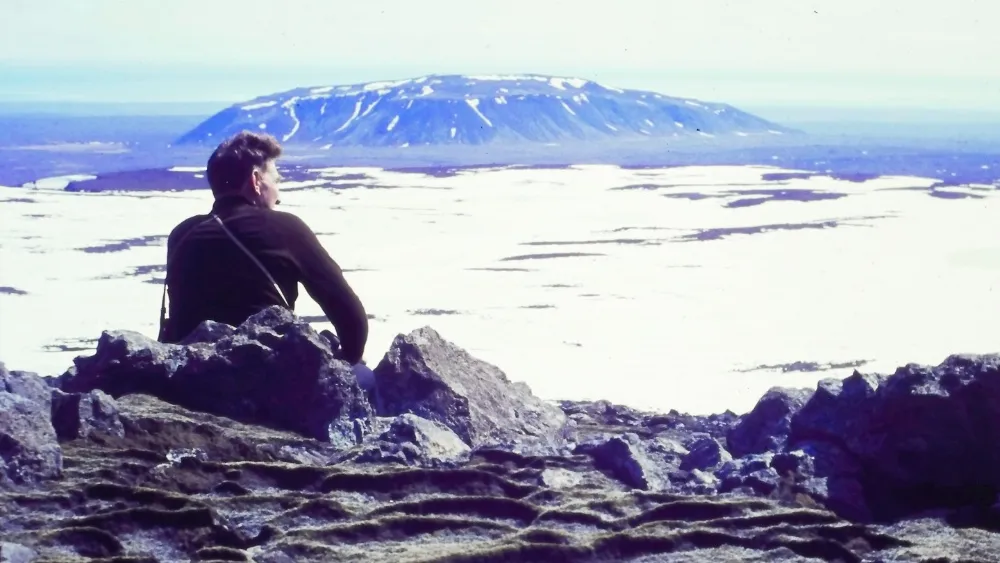
The 2019 ceremony commemorated the loss of the glacier formerly known as Okjökul, located in the fjord of Borgarfjörður. Okjökul measured 16 square kilometers when first charted in 1890, only to shrink to 0.7 sq km by 2012. Two years later, glaciologist Oddur Sigurðsson declared it “dead ice,” making it the first glacier in Iceland lost to climate change.
Two anthropologists from Rice University in Texas, Cymene Howe and Dominic Boyer, were among the scientists helping to raise the alarm over the loss of Okjökull and other glaciers around the world. Their 2018 documentary about Okjökull, narrated by former Reykjavík Mayor Jón Gnarr, led to the memorial ceremony in 2019 attended by the Icelandic Hiking Society, local residents and scientists, and renowned Icelandic author Andri Snær Magnason.