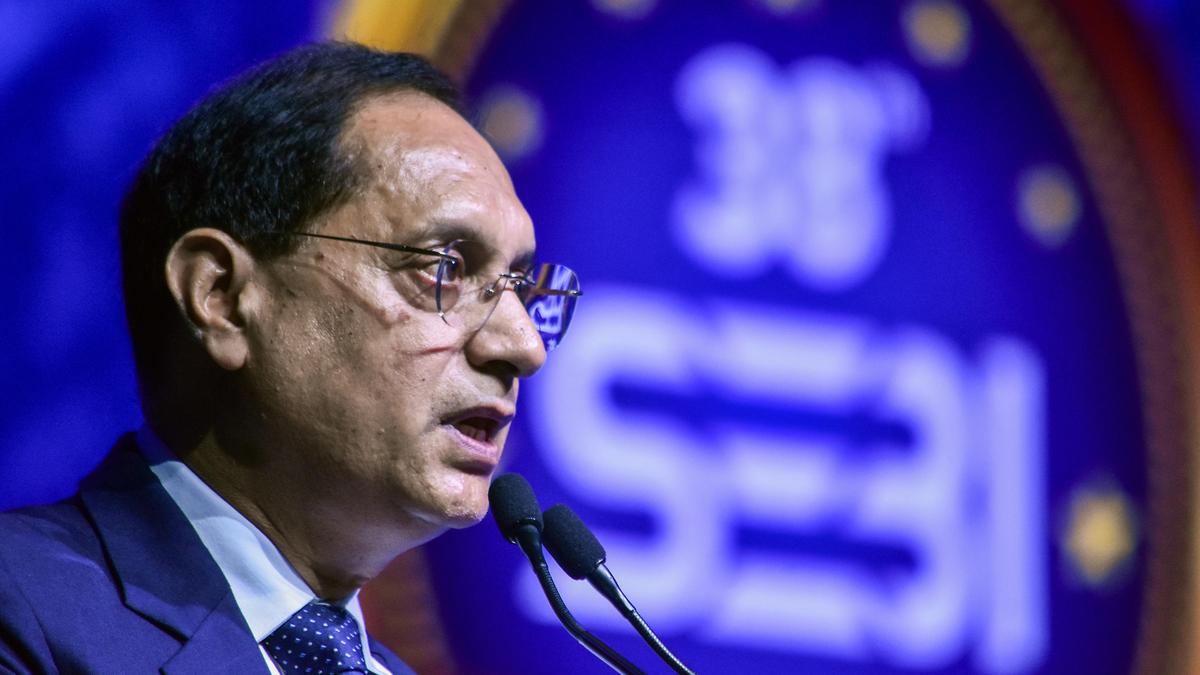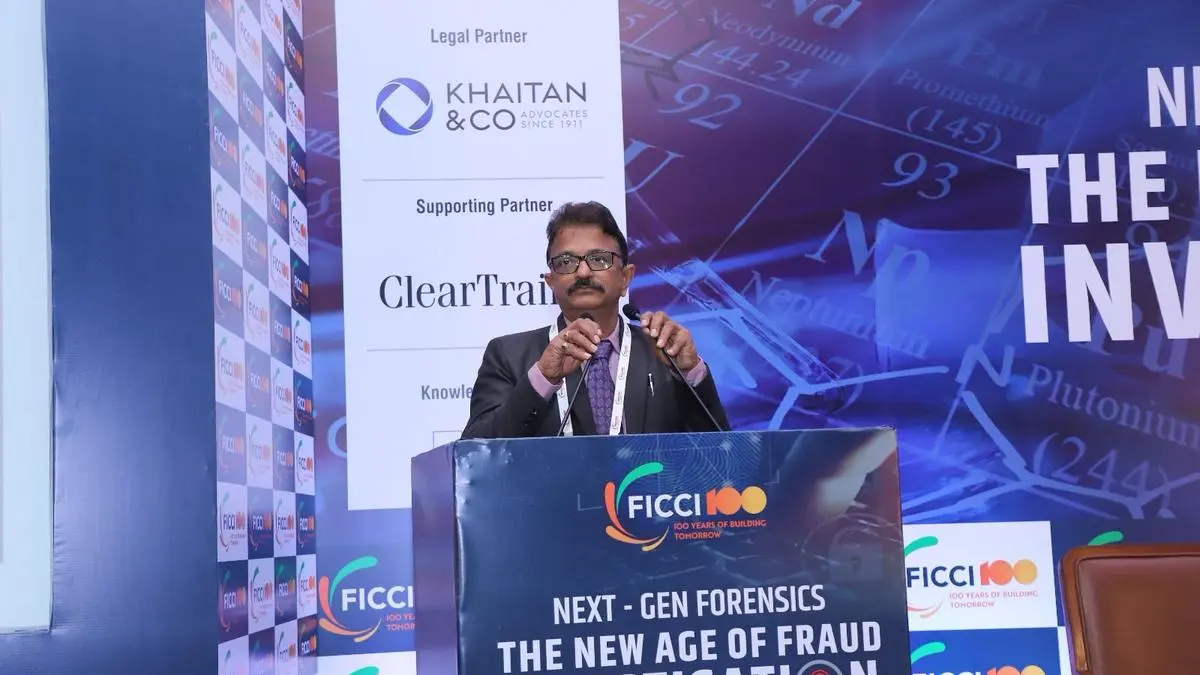
G Ram Mohan Rao, Executive Director, SEBI speaking at a FICCI conference
SEBI is working on additional technology-driven tools to combat online investment frauds and strengthen digital trust in capital markets, as the regulator increasingly shifts its focus towards prevention, surveillance and real-time detection of fraudulent activity.Speaking at a FICCI conference on next-generation fraud investigations on Thursday, G Ram Mohan Rao, Executive Director, SEBI, said the regulator has already rolled out investor-protection initiatives such as SEBI Check, App Check and UPI verification mechanisms, and is working on further measures to curb frauds in the securities market."In fact, after introducing all those things, the frauds have reduced in this market, especially in the securities market. But it's still going on. We have got other tools for what we are trying to do," Rao said.Investor pProtectionThe regulator's approach is increasingly centred on identifying and stopping frauds before investors suffer losses, he said, adding that conventional investigations alone cannot keep pace with the scale of digital fraud.“If you have got about a lakh fraudsters and a lakh investigations have to be done, how many people do I need? The system has to take care of it,” Rao said. “The surveillance itself should do something.”As part of that effort, SEBI has deployed surveillance systems that detect misleading investment-related content circulating on social media platforms. Once flagged, the content is analysed and referred to platforms for removal.Content takedownMore than 1.4 lakh fraudulent posts have been taken down over the past one-and-a-half years through such efforts. Around 53 per cent of the misleading content removed was from YouTube, with the rest spread across Meta platforms, WhatsApp, Telegram and other channels, he said.Deepfake videos are an emerging challenge for regulators and investors that can mislead even financially aware individuals given the increasingly sophisticated digital content.He said strengthening cybersecurity systems, conducting periodic audits and leveraging advanced surveillance technologies would remain key priorities for investor protection. The executive director added that stronger data-protection practices and the implementation of the Digital Personal Data Protection framework would help build more robust systems and reduce vulnerabilities that fraudsters seek to exploit."Prevention is always better than investigation after the event," Rao said, adding that technology-enabled detection systems and platform coordination would play a growing role in reducing fraud risks across the financial ecosystem.Published on June 4, 2026