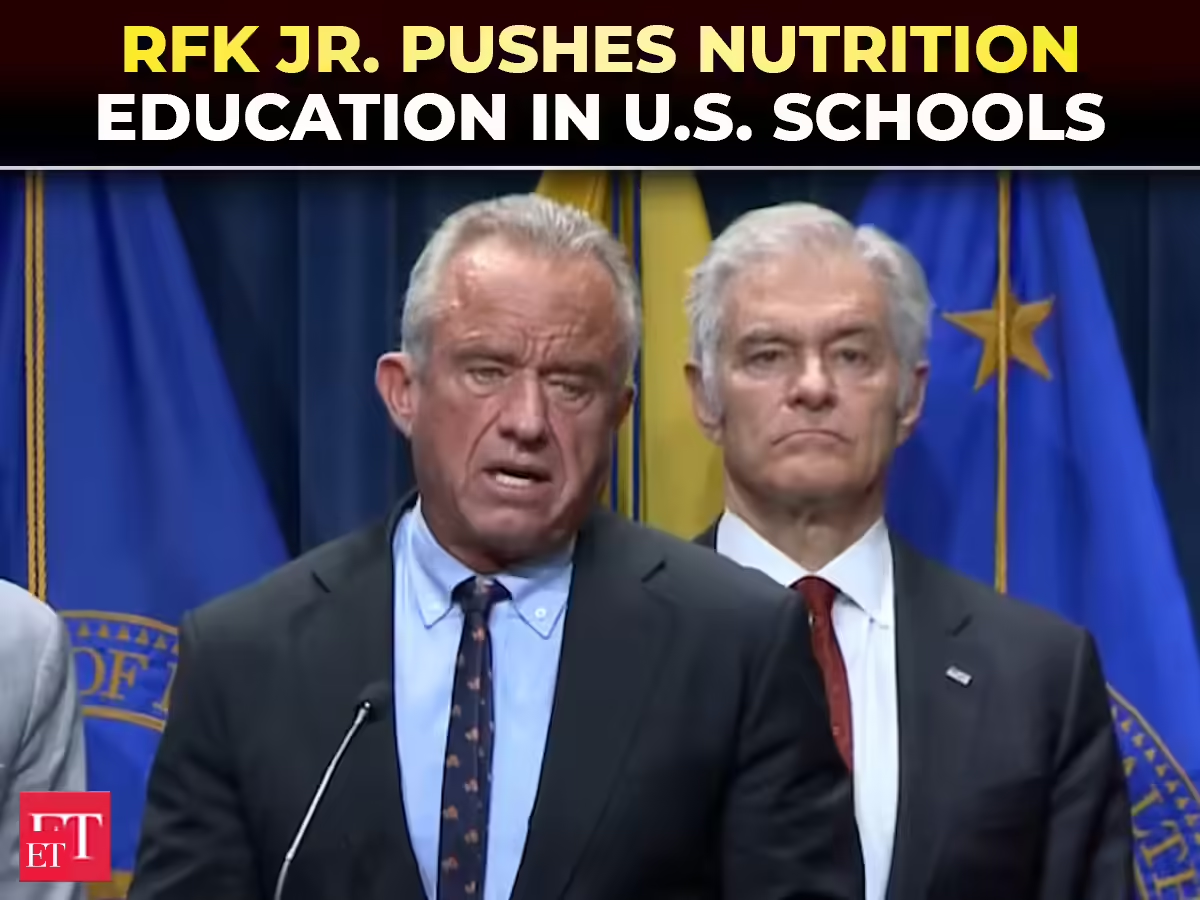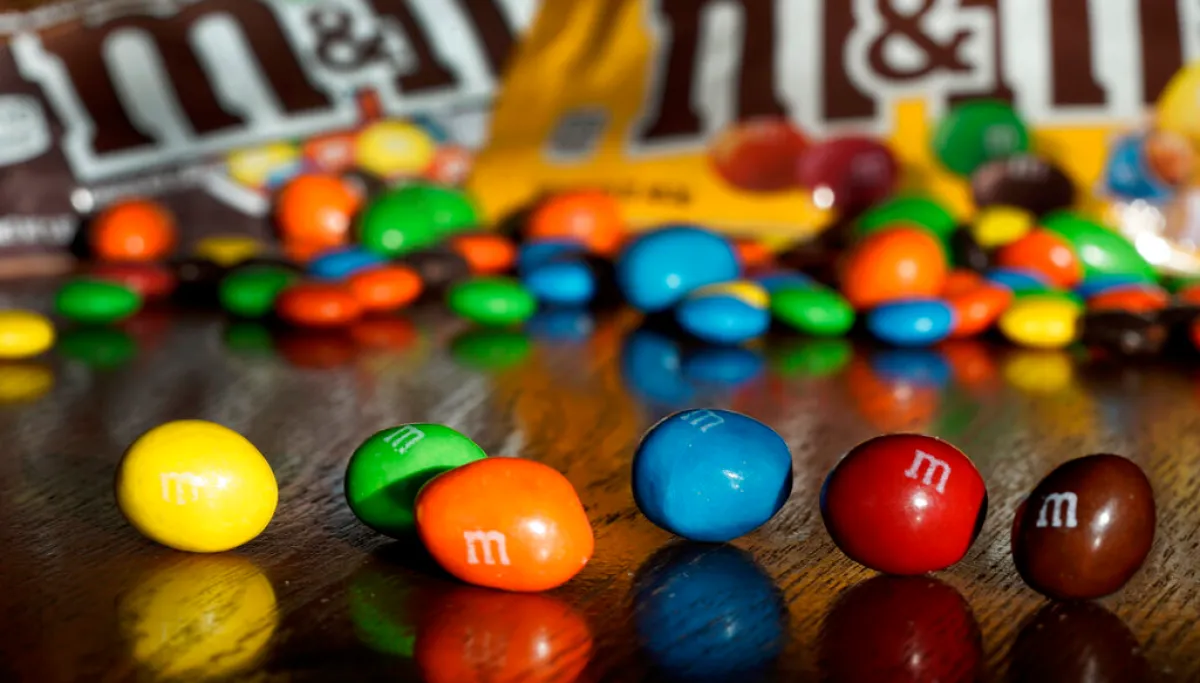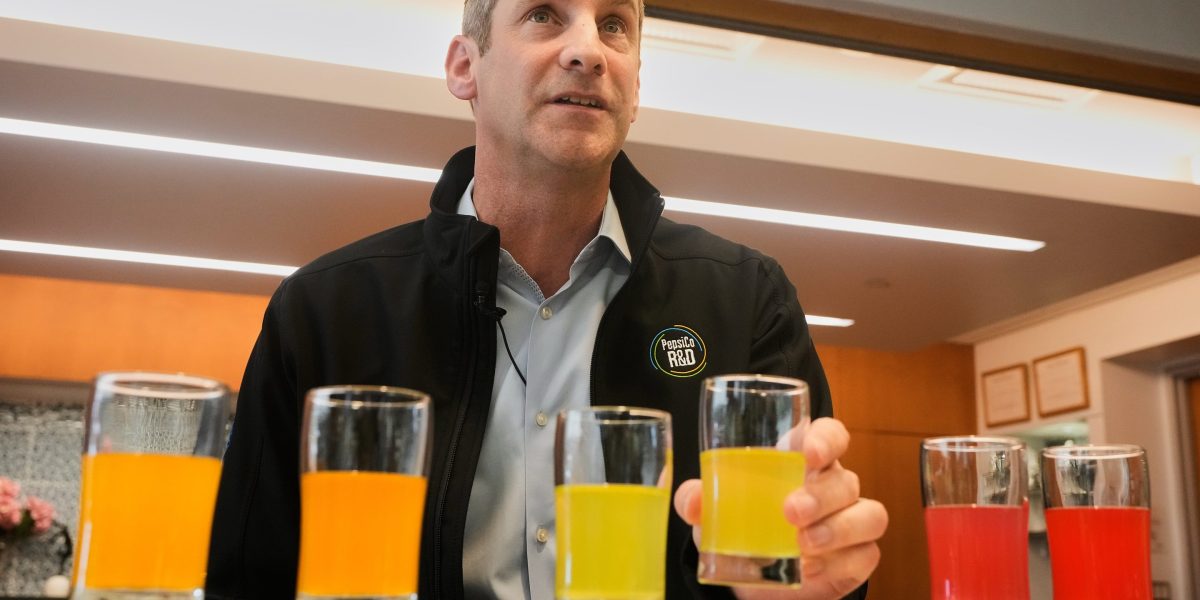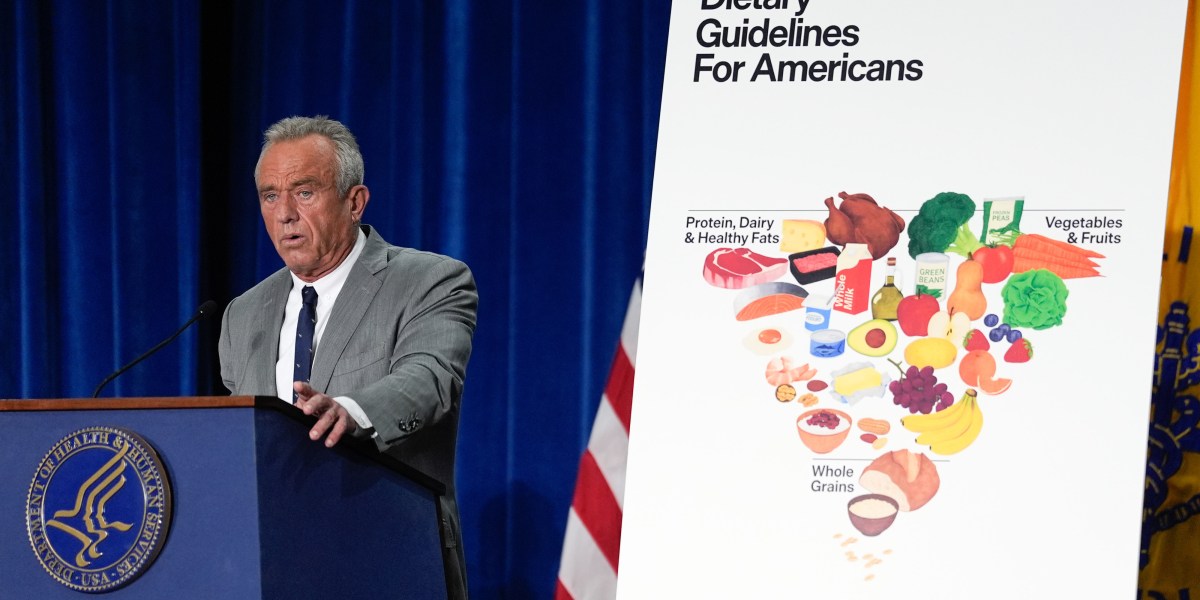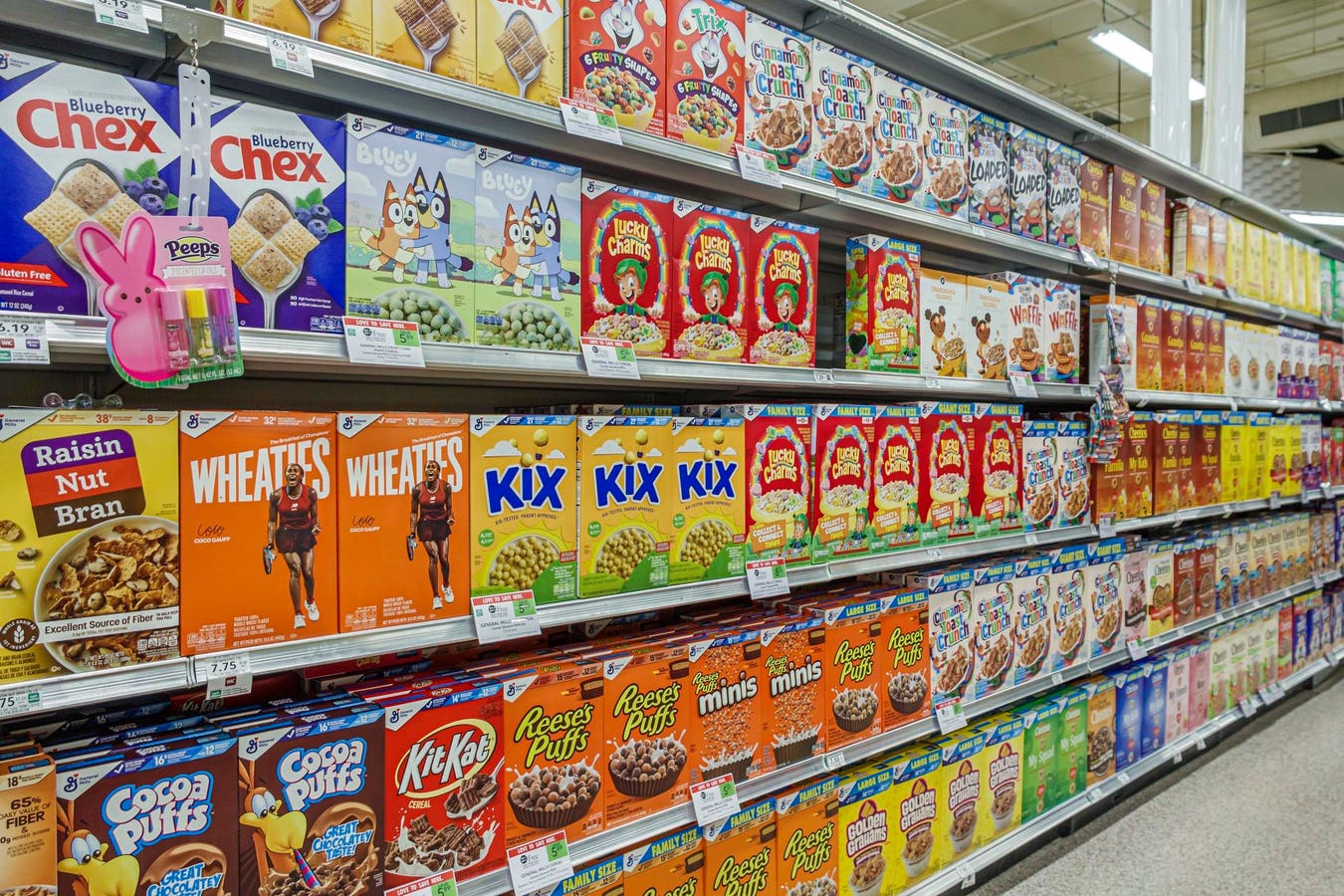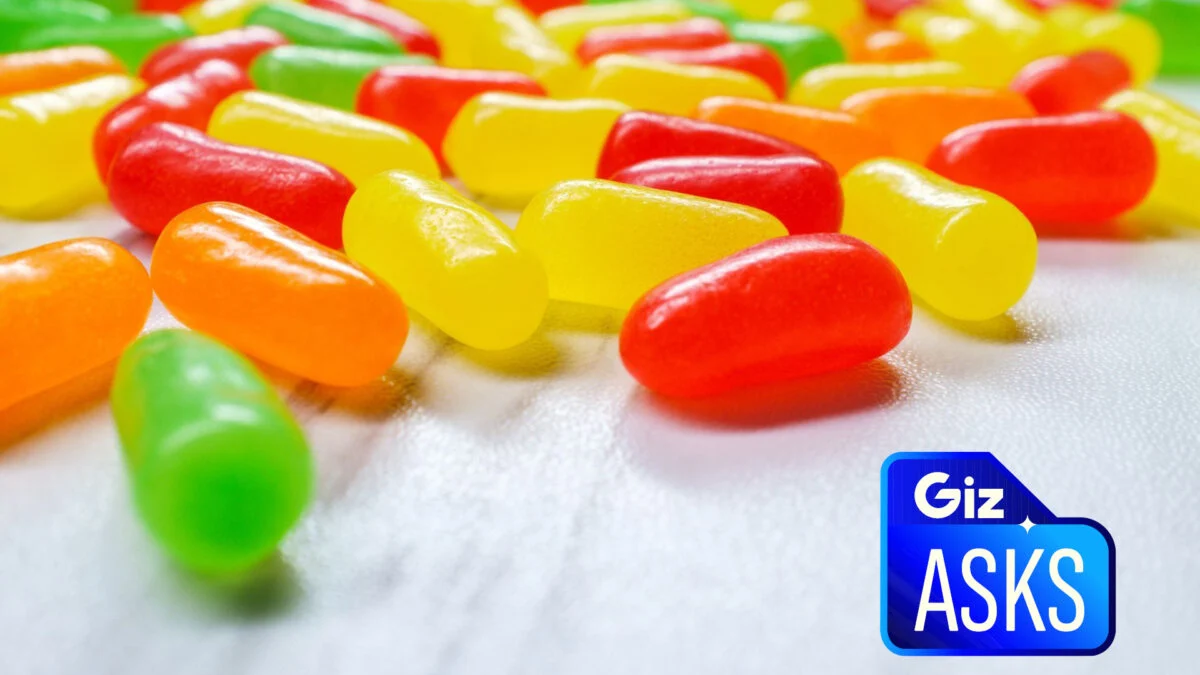
Growing up, few things in the supermarket excited me as much as a colorful bag of candy, a breakfast cereal box, or another sugary snack. And even today, though I try to keep my sweet tooth in check, I still occasionally fall for a brightly advertised treat at the checkout line. These products often get their color via various dyes, many of which originate from synthetic sources. There’s long been a movement to reduce or even ban these artificial dyes from our food supply over potential health risks—one that’s now being championed by the highest levels of the U.S. government. In April 2025, the Department of Health and Human Services and the Food and Drug Administration announced a plan to phase out all petroleum-based synthetic dyes from our food. A year later, progress on that front has been shaky. Though the FDA has moved to formally remove some dyes from the market recently, it’s largely relying on major food companies to willingly stop using the remaining six synthetic dyes on their own. A Reuters review in January 2026 found that only two of the 15 biggest food makers in the U.S. had agreed to phase out these dyes by the end of 2026—the FDA’s intended deadline—while seven have pledged to do so by the end of 2027. Some other makers, like Coca-Cola, have stated they are working on creating dye-free alternatives for their products.
Should We Be Worried About the Artificial Dyes in our Food?
Robert F. Kennedy Jr. has argued that artificial dyes are "poisonous compounds" that are harming America's kids. Does he actually have a point?
2,478 words~11 min read