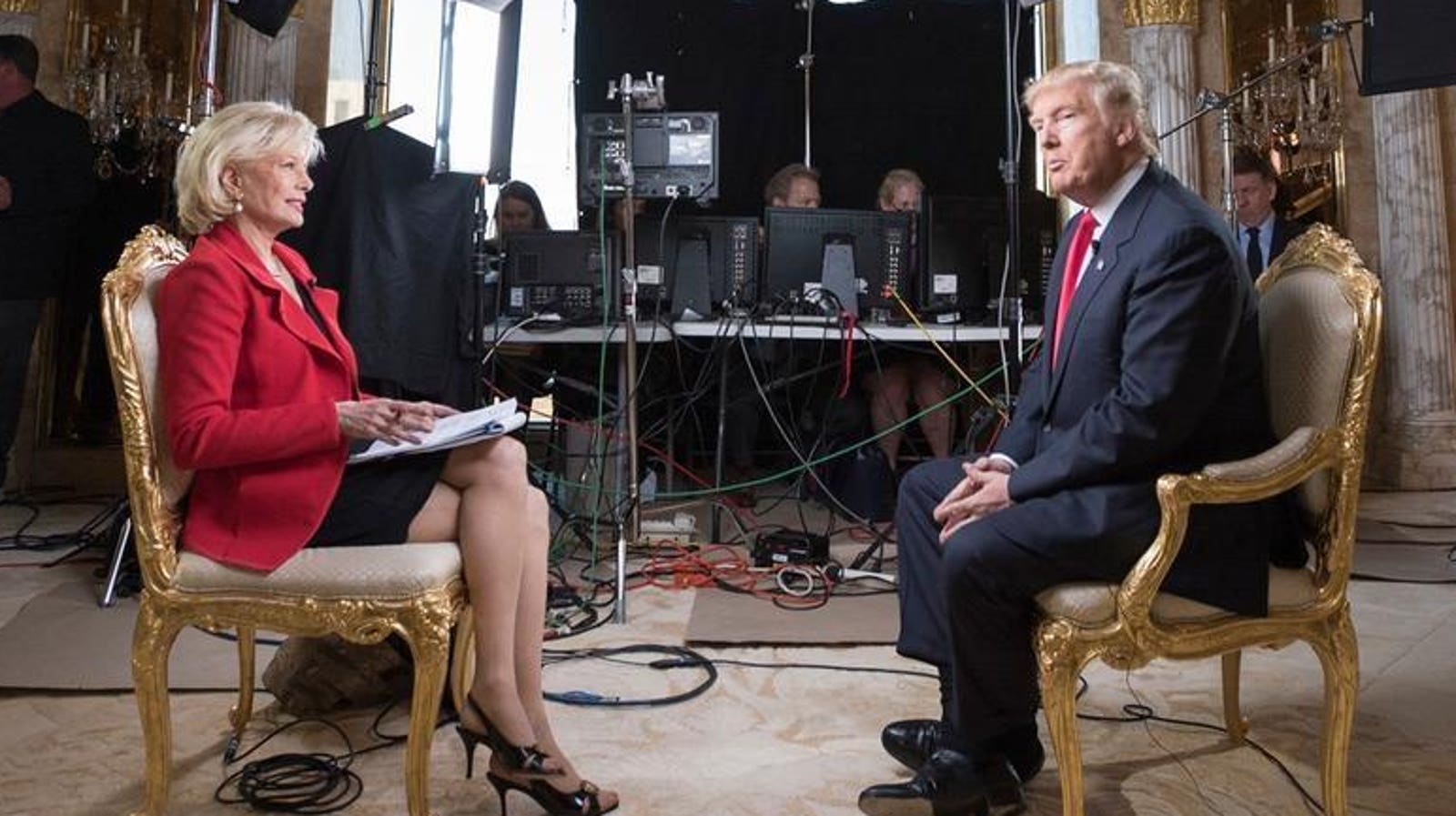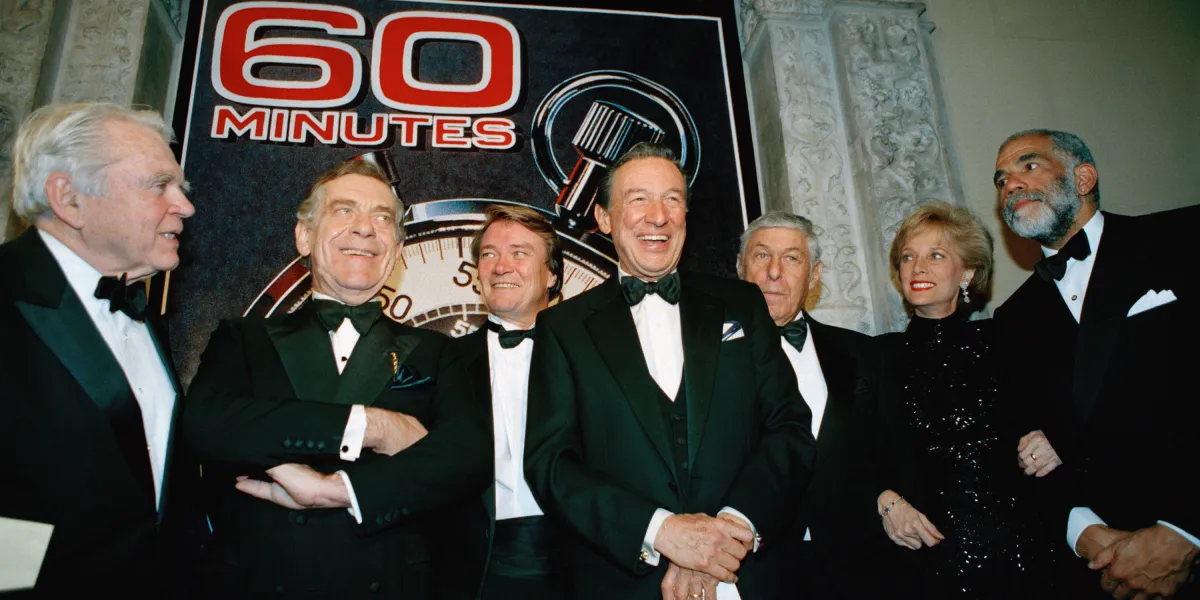
“This is ‘60 Minutes,’” Harry Reasoner announced on Sept. 24, 1968, introducing his new CBS News show alongside fellow correspondent Mike Wallace. “It’s kind of a magazine for television.”
He added: “We do think this is sort of a new approach.”
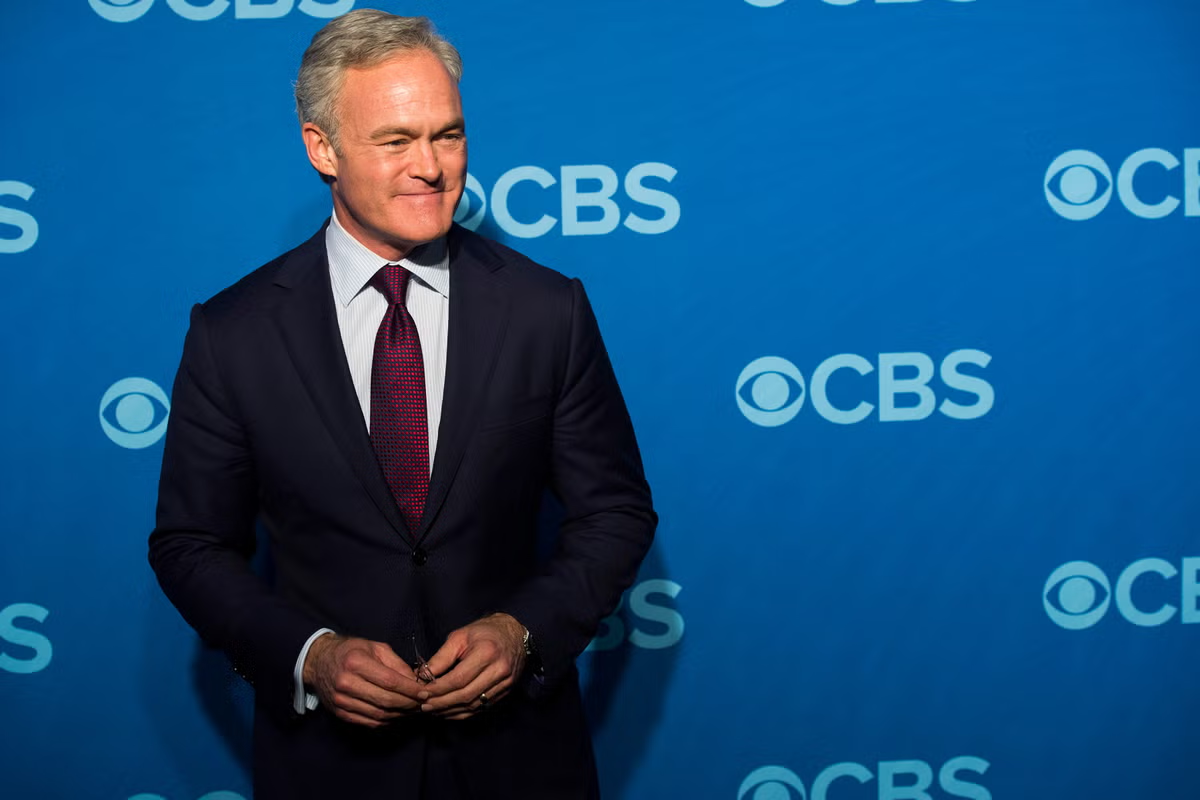
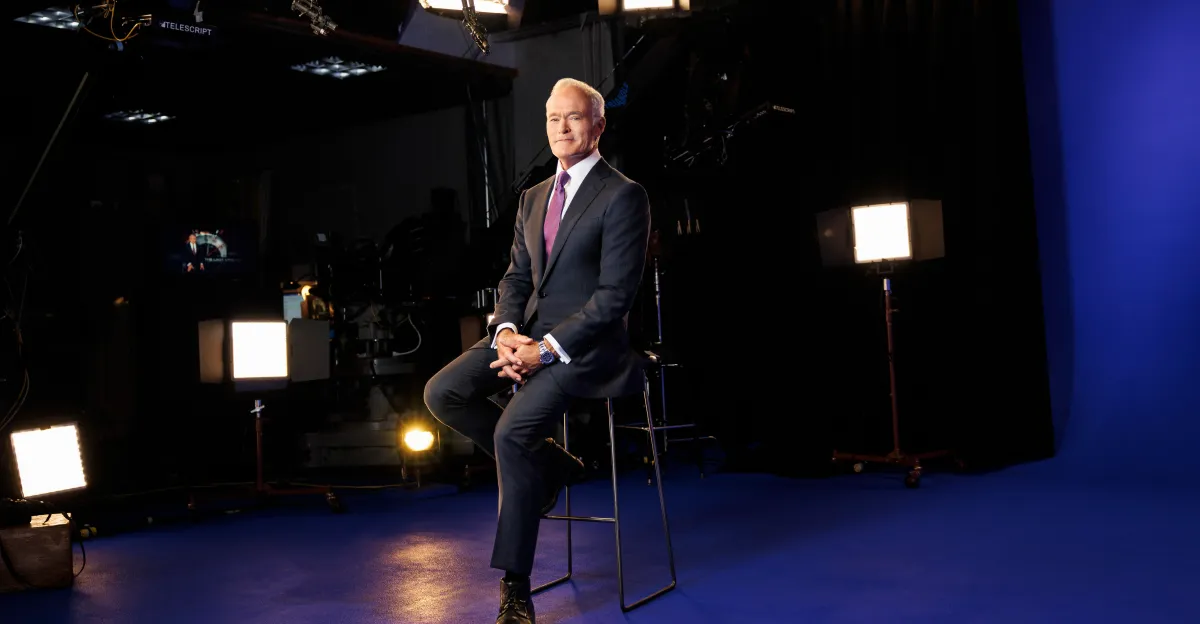
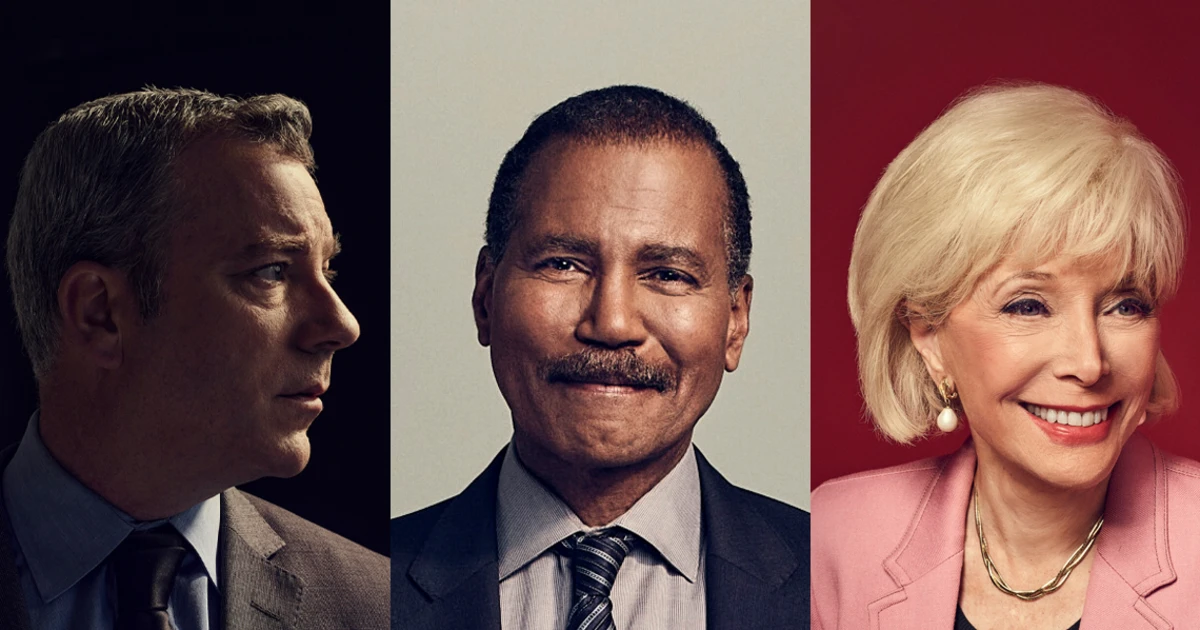
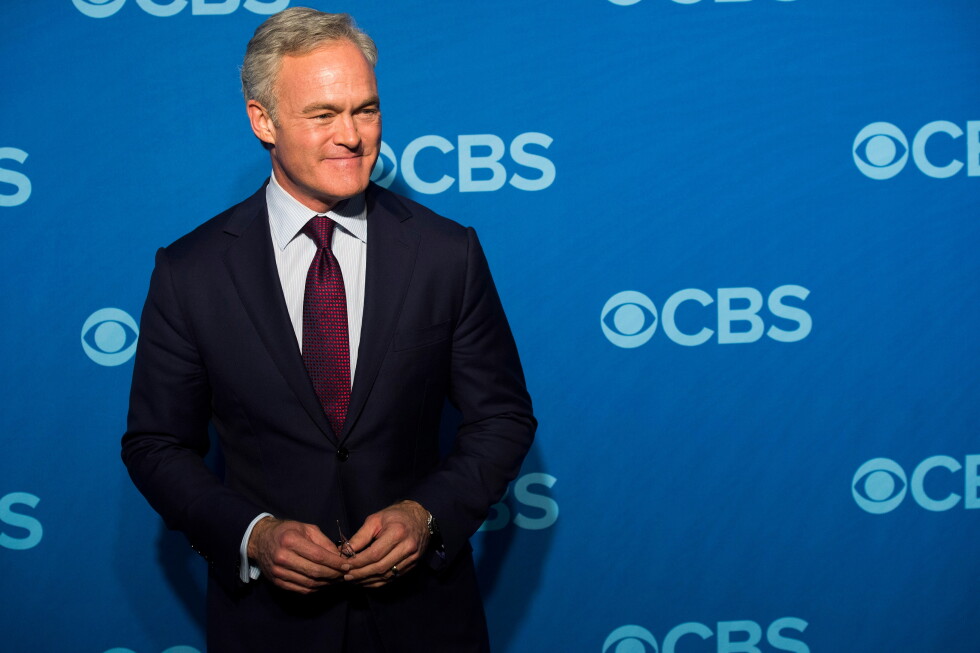
More than a half-century and 58 seasons later, that same term — “new approach” — is being deployed by CBS News leader Bari Weiss to explain her sweeping changes at the most renowned news program in TV history: firing the top producer and two correspondents, among others, and installing a new chief with no TV broadcast experience. Now, one of the show’s most famous faces, Scott Pelley, is gone too — fired after a tense confrontation with bosses.
“We realize, of course, that new approaches are not always instantly accepted,” Reasoner said on that night in 1968. And Weiss’ “new approach” has been greeted with biting criticism from some corners. Moreover, the turmoil has become a top news story in itself, with competing narratives flying — none of them flattering to CBS News.
The essential question percolating on Wednesday: Where does “60 Minutes” go from here? Can it stop being the story, get back to work and retain its reputation for probing journalism and its legendary success atop the news food chain? Or is its famous ticking timer, as some fear, literally running out?