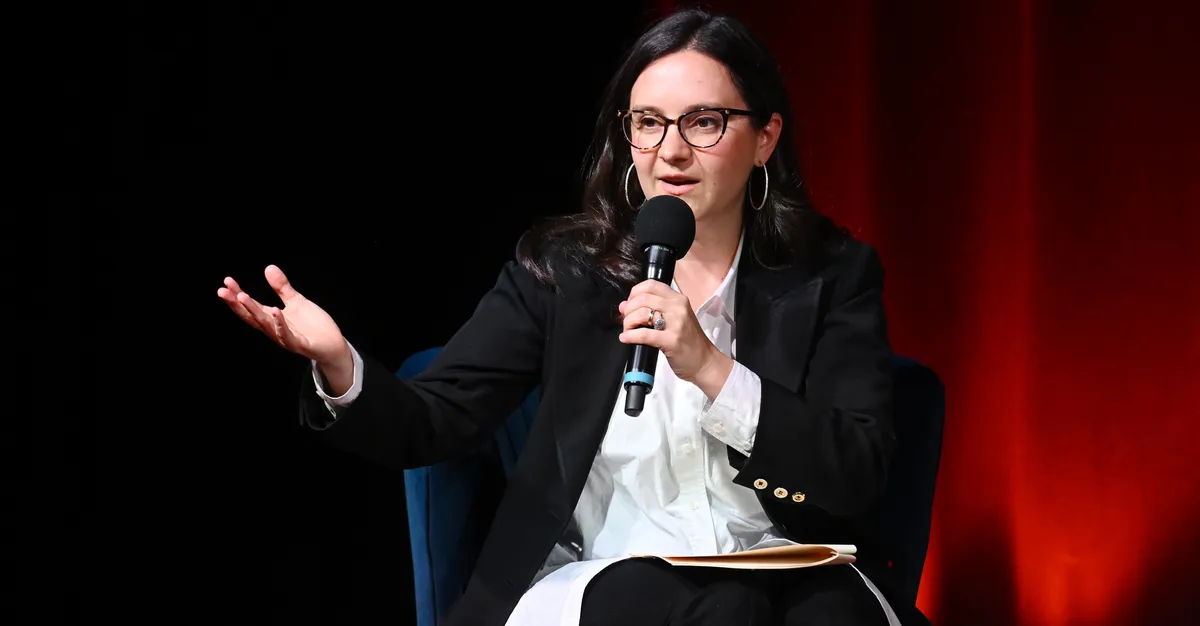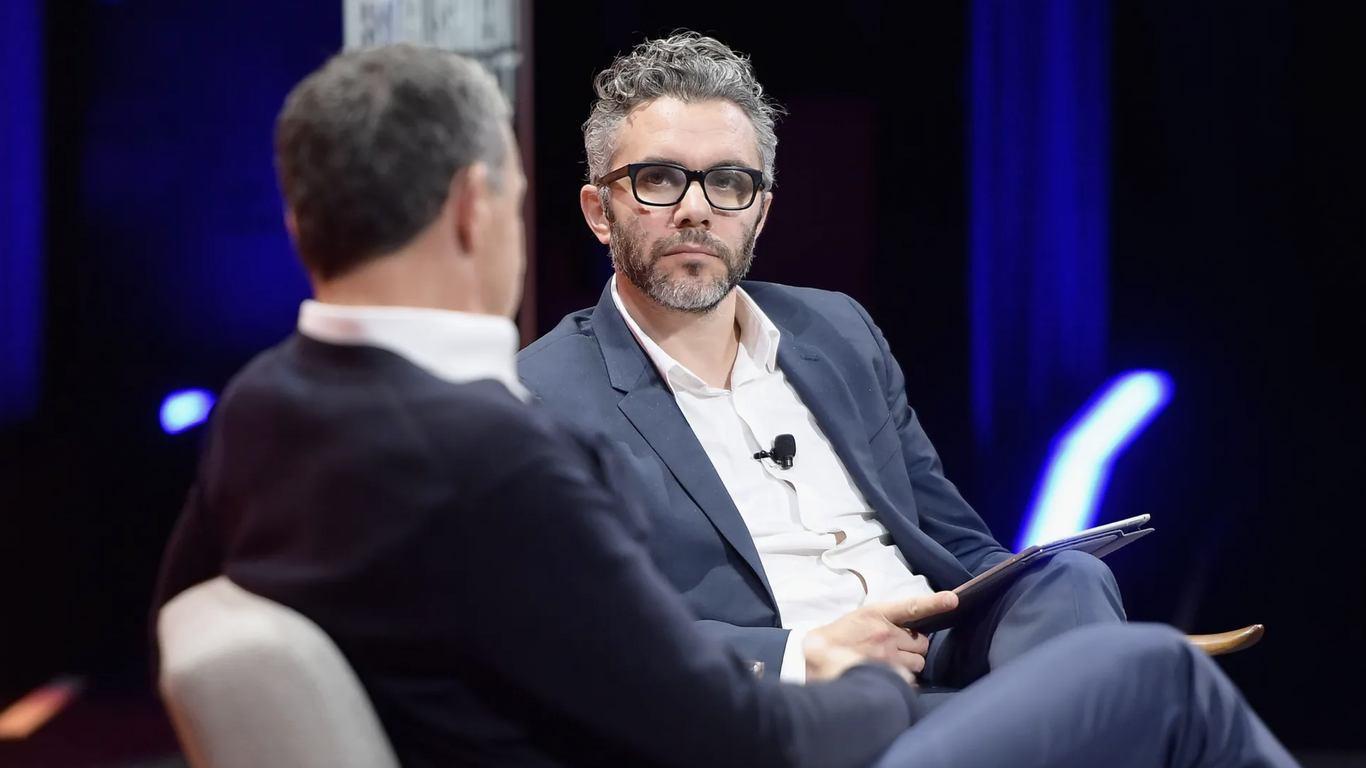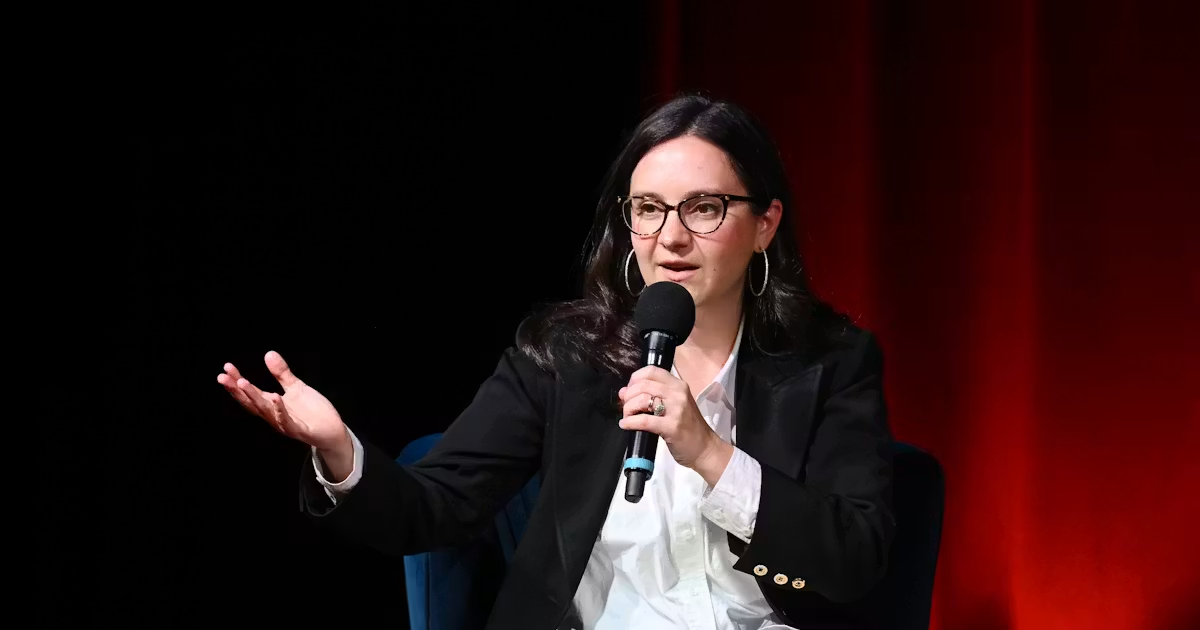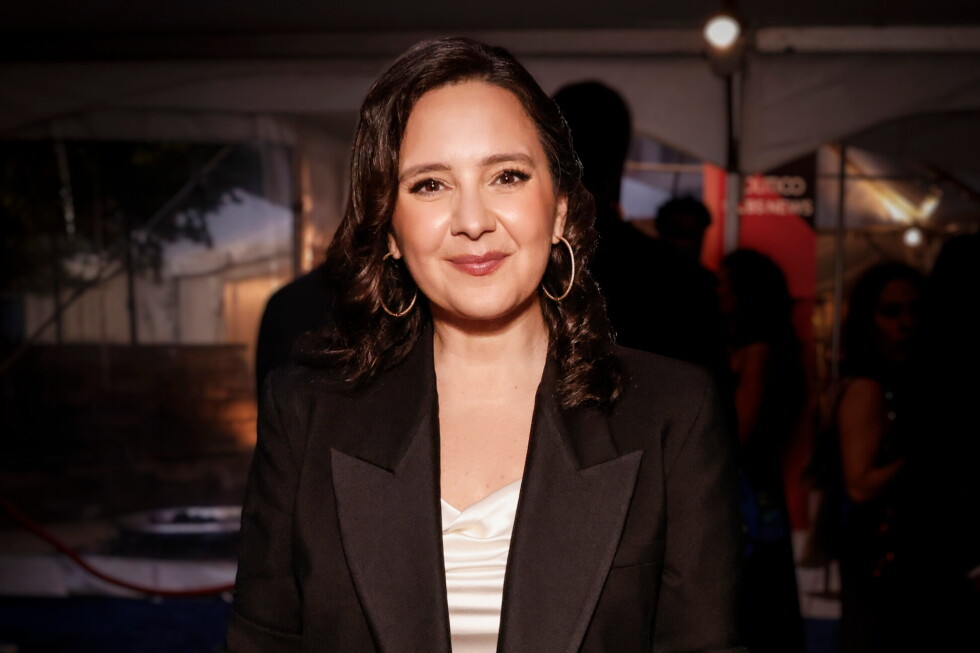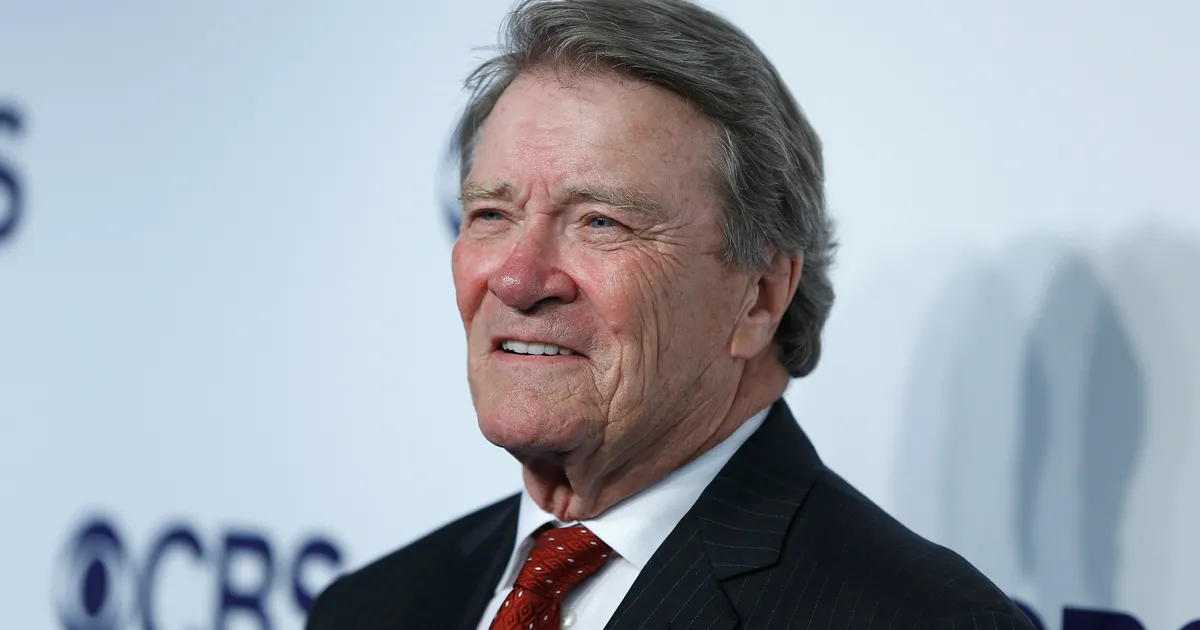
Put this moment in your memory bank. Years from now, we may look back and see what happened Thursday as among the most pivotal days — maybe for the better, although many are predicting for the worse — in the history of the best American TV journalism show that’s ever been. On Thursday, CBS News and controversial editor-in-chief Bari Weiss shook up TV news gold standard, “60 Minutes.” This isn’t a minor tweak or slight change in philosophy. This is a major overhaul. Weiss fired executive producer Tanya Simon, who had been with the program for nearly three decades and is part of CBS News royalty, (Her late father, Bob Simon, was a legendary CBS newsman). While that news alone was a stunner, what came after was even more startling: Weiss chose Nick Bilton, a former New York Times technology columnist and documentary filmmaker who has no real experience in traditional TV news, to replace Simon. In addition, “60 Minutes” correspondent Cecilia Vega was fired, as was correspondent Sharyn Alfonsi, who said earlier this week that she didn’t expect to return to the iconic show after tangling last year with Weiss over a story. That was when Weiss temporarily held a story Alfonsi had done about El Salvador’s notorious CECOT prison, where Venezuelan men deported by the Trump administration faced harsh conditions. Alfonsi said at the time that the decision to hold the story was a “political” one. On Wednesday, Alfonsi blasted the network on her way out, but that was only a warmup to Thursday’s news. Thursday’s upheaval sent shockwaves through the media industry. It’s just the latest quake at CBS News, which has undergone major changes since new ownership, led by Trump-ally David Ellison, hand-picked Weiss to run the news division. Weiss, a former opinion columnist herself, had never worked in TV news before getting this job, and she has been under scrutiny from the start. She also has been unafraid to make changes. While her first major move was to name Tony Dokoupil as anchor of the “CBS Evening News,” many wondered if she would dare mess with “60 Minutes,” which remains an elite news program with more than 9 million viewers each week. In an interview with The New York Times’ Benjamin Mullin and Michael M. Grynbaum, Weiss said Bilton’s experience telling stories across different platforms, as well as his technology expertise, was what made him the right choice to run “60 Minutes.” Weiss said, “He has been consistently prescient about the ways that the technological revolution that we’re living through is upending the way that we consume storytelling and information. He has been the one to see the tsunami before the wave hits the rest of us.” Weiss told staff in a note, “We have huge ambition for ‘60 Minutes’ to reach new heights through deep, revelatory journalism that breaks news, exposes wrongdoing, widens public understanding and forces accountability from every institution and every center of power. Nick shares this mission and will bring his deep investigative experience and understanding of the technological moment we’re in to ‘60 Minutes’ so that its important journalism comes to life for all audiences.” In a lengthy note to staff, Bilton praised the show, calling it, “the most important television journalism brand this country has ever produced. The fact that it has held that position for almost six decades is not an accident.” However, Bilton warned of upcoming changes, writing, “I’m here to lead this show, not preserve it under glass. That means honoring what works and being honest about what doesn’t. I have a notebook full of ideas. Some are about the show itself. Some are about the next generation of correspondents. Some are about the strange fact that we produce one extraordinary hour for one night a week in a world that consumes content around the clock. I’m excited to share them, and I’m confident you’ll be excited by them, too.” The obvious question is: how can Bilton, with no real experience in traditional network news, suddenly be responsible for such an iconic brand as “60 Minutes?” Bilton sees that as a plus, not a negative, telling the Times, “When you take an insider and you put them inside a company, nothing changes. I’m not saying that we’re going to change the show completely and drastically. I’m saying that there are all these approaches and ideas that we can do that I couldn’t be more excited to jump into. And I think you need that outside vision to be able to do that.” The New York Post’s Alexandra Steigrad reported that sources at CBS said the news sent “shockwaves” through the newsroom because no one had any idea who Bilton was. Bilton told Semafor’s Max Tani, “When Don Hewitt started ‘60 Minutes,’ his entire thesis was, ‘I want to make short-form documentaries because I don’t have the patience to watch hour-long, two-hour-long versions of it.’ I’ve honestly spent two-and-a-half decades becoming obsessed with storytelling, in all different formats, whether it’s books or the web or magazines or docs or film or TV.” One could argue that “60 Minutes” doesn’t need to change, that it remains as good as anything on television. The ratings are good. The journalism remains respected. But Bilton suggests that “60 Minutes” needs to stay one step ahead of the rapid changes going on in viewer habits and changes in storytelling. He wrote in his note, “… the world we are reporting on, and the world we are reporting to, where people consume their news, has moved. And if we don’t move with it, in the ways that matter, we won’t be here for the next sixty years.” So what does all this mean? The Times wrote, “He said it was too early to describe his plans for “60 Minutes” in detail, but added that he would place an emphasis on telling stories beyond the weekly show and experimenting with new voices from outside traditional broadcast news.” Clearly, however, the news isn’t going to sit well inside the news division, and especially “60 Minutes.” The Guardian’s Jeremy Barr reports layoffs are expected. As it is, with Alfonsi and Vega fired, as well as Anderson Cooper’s leaving on his own, the show is losing three of seven correspondents. There also have been changes among the producers. Barr correctly called all this a “massive turnover.” Tani wrote, “Weiss and Bilton are right that audiences for legacy television are rapidly shrinking as more and more people turn to digital and streaming services for news and entertainment, and for major linear television franchises to survive, they need to evolve and figure out a way to stand out online. But purposefully or not, CBS News’ changes in broadcast and political ideology have both cost them their remaining audience and alienated some remaining staff. One by one, many of the network’s most prominent on-air personalities have made their displeasure known, sinking morale among the rank-and-file and prompting leaks and internal frustration.” Weiss, however, seems undeterred by whatever internal or external backlash there might be. Variety’s Brian Steinberg wrote, “The question is whether Weiss and Bilton can pull it all off. A radical overhaul of ‘60 Minutes’ could serve to alienate viewers who have come to expect three longform stories and a mix of investigations, profiles and intriguing features. The program in one instance might hold a politician under tight scrutiny in an uncomfortable moment and might take viewers to a remote corner of the world in another.” There seems to be little question that this week will permanently change “60 Minutes.” How so? We won’t know until we actually see what the program looks like in the future. And people will be watching. After all, this isn’t some access-cable show. This is “60 Minutes,” only the greatest journalism show in TV history. Simon’s reaction Tanya Simon took over as executive producer last year, replacing the legendary Bill Owens. He resigned in protest after six years as executive producer, saying at the time, “Over the past months, it has also become clear that I would not be allowed to run the show as I have always run it. To make independent decisions based on what was right for ‘60 Minutes,’ right for the audience.” His resignation came as Ellison’s Skydance was acquiring CBS. In a note acknowledging her ouster at CBS, Simon wrote on Thursday, “While leadership has decided it is time for a new chapter — I want to be unequivocally clear about one thing: it has been an immense privilege to lead this broadcast, and I could not be prouder of what we have built, fought for, and delivered together over the last year. ‘60 Minutes’ has always been more than just a broadcast: it is an institution built on independence, grit, and rigorous search for the truth.” She added, “‘60 Minutes’ is part of my DNA. I have been on staff for over 25 years, but the broadcast has been in my life for much longer, as has CBS News.” Vega’s serious accusations Meanwhile, Cecilia Vega, one of the “60 Minutes” correspondents let go Thursday, blasted the network, accusing leadership at CBS of threatening “60 Minutes” independence. In a statement to The New York Times’ Michael M. Grynbaum, Vega said that she has “the utmost respect and admiration for my colleagues at ‘60 Minutes’ and the stories that air every Sunday. But I very much fear what comes next and for the future of the legendary broadcast.” She then leveled a very serious claim, writing, “In recent months, my producing teams and I have experienced efforts to insert political bias into our stories. Reporting teams have held back on submitting story pitches about important news topics out of fear of the internal repercussions. Let’s call this what it is: censorship, both imposed and self-driven. It is dangerous for the show and dangerous for democracy.” Vega continued by saying she “held the line and refused to incorporate suggestions that offend the conscience, a phrase I borrow from a colleague who has also fought to keep questionable editorial suggestions away from the facts. I know from many conversations with colleagues that many producing teams and correspondents working on the show today have had to fight to maintain editorial independence with regularity. I am far from the only ‘60 Minutes’ correspondent who has asked herself, ‘What is my personal red line? How much can I push back before I pay the price?’” She went to write, “Today I lost an amazing job but I still have my integrity. To my former colleagues, continue to hold the line.” A CBS News spokesperson said, “We respect Ms. Vega and her contributions, but her claims are not based in reality.” Media news, tidbits and interesting links for your weekend review The News Emmys were awarded Wednesday night. ABC’s “World News Tonight” was named winner of Outstanding Live News Program. Here’s the complete list of winners. One of the big moments from the News Emmy ceremonies was a student journalist, Santiago Campos, accepting the Mike Wallace Memorial Scholarship. He thanked CBS News for the scholarship, but then ripped into CBS News, saying, “I want to also acknowledge how the recent direction of the outlet stains the legacy of Mike Wallace, the namesake of this scholarship.” He added, “As corporate elites take hold over the very pipes through which our information flows, journalism that serves people becomes increasingly harder to come by, yet ever more crucial, and what the people want is the truth. So if at any time you hesitate to utter the word ‘genocide’ or remain silent in the face of lies, remember to ask yourself, ‘Who is this for?’ I hope you choose us.” Former “CBS Evening News” anchor Scott Pelley presented the award to Campos, and applauded his speech, saying, “We look forward to seeing your work in the future. God, we need young people like you right behind us. I know that Mike Wallace is looking down at you with pride at this very moment.” CNN’s Brian Stelter with “CNN sues Perplexity over alleged AI copyright theft.” The New York Times’ Katie Robertson with “Washington Now Has Not 1 but 2 ‘Star’ News Outlets.” And here’s another from Katie Robertson: “Trump Refiles $10 Billion Lawsuit Against The Wall Street Journal.” Last week, a bunch of us at Poynter went to see “The Devil Wears Prada 2.” You might not realize it, but this is very much a movie about journalism. After seeing the movie, we all sat down to discuss it. Check out our conversation: “How realistic is ‘The Devil Wears Prada 2’? We sent journalists to find out.” Earlier this week, New York Giants quarterback Jaxson Dart introduced President Donald Trump at a rally. That has become a topic of conversation, particularly in New York sports media circles, and on talk radio. Now podcaster Dan Le Batard is speaking up, saying the so-called tough New York media needs to ask Dart about it. Le Batard said on his show, “The New York media market has always been notoriously tough. The tabloids still somehow matter in that city even though newspapers are dying all over the place. Do you not believe that the New York media has a responsibility to ask difficult questions of Jaxson Dart and let us hear what you believe? If you want to be the quarterback who introduces Trump during this time, please expound on your thoughts. Tell us, I want him put in a position to sound educated or uneducated with the decision that he just made. He deserves to be made uncomfortable if he’s going to support this particular presidency during a deeply uncomfortable time.” He said even more, as covered here by Awful Announcing’s Sean Keeley. More resources for journalists Gain access to top courses and members-only webinars. Become a Poynter Member today. Master trauma-informed reporting to cover mental health with accuracy, empathy and impact. Webinar: June 9 – Enroll now. Join a prestigious, fully funded Poynter fellowship that gives journalists rare access to leading experts, personalized coaching and advanced training in brain health and brain science reporting. Apply today. Have feedback or a tip? Email Poynter senior media writer Tom Jones at tjones@poynter.org. The Poynter Report is your daily dive into the world of media, packed with the latest news and insights. Get it delivered to your inbox Monday through Friday by signing up here. And don’t forget to tune into our biweekly podcast for even more.
Major shakeup at “60 Minutes” raises questions about its future - Poynter
On Thursday, CBS News and controversial editor-in-chief Bari Weiss shook up TV news gold standard, “60 Minutes," with major overhaul.
2,414 words~11 min read