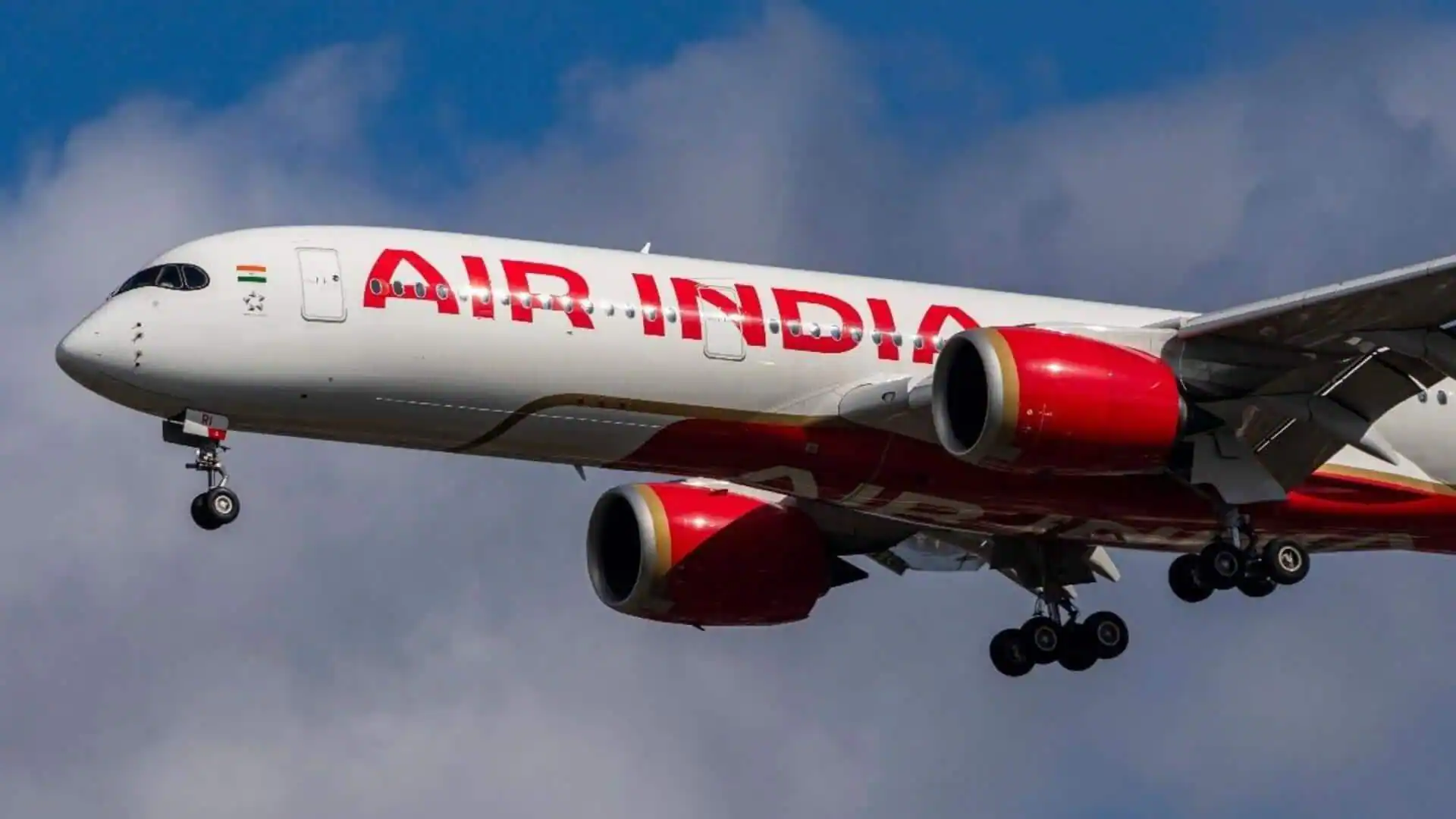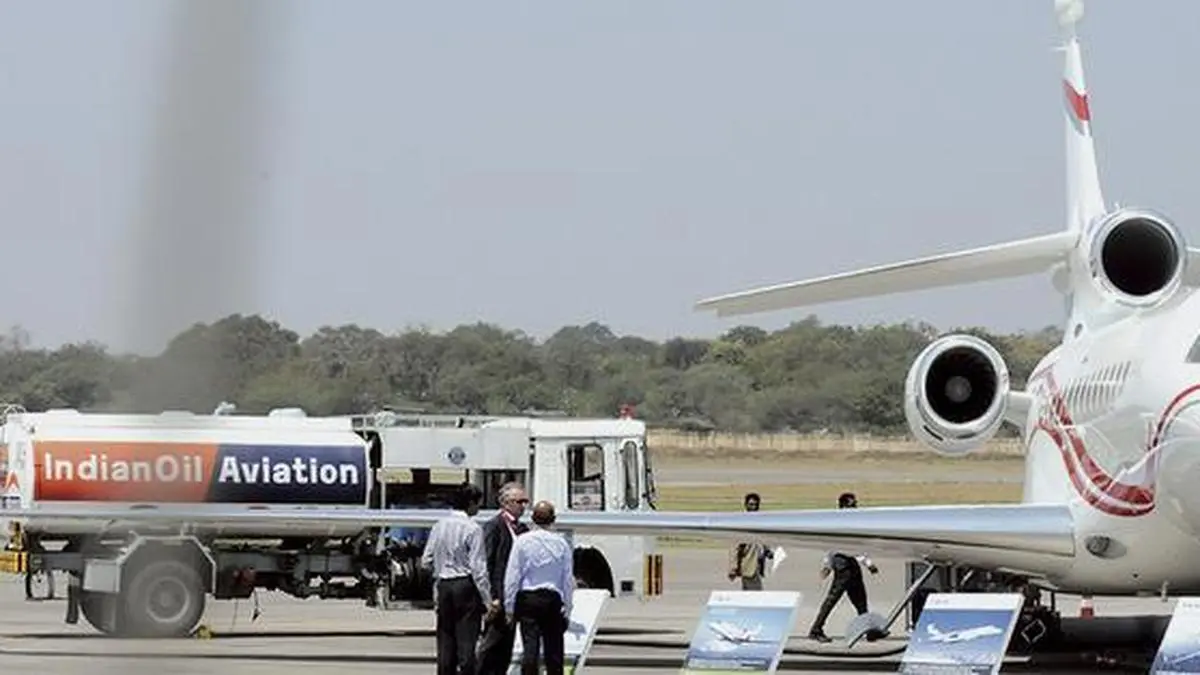
The benchmark price has been fixed at ₹86.32 per litre for domestic operations and ₹104.49 per litre for international operations
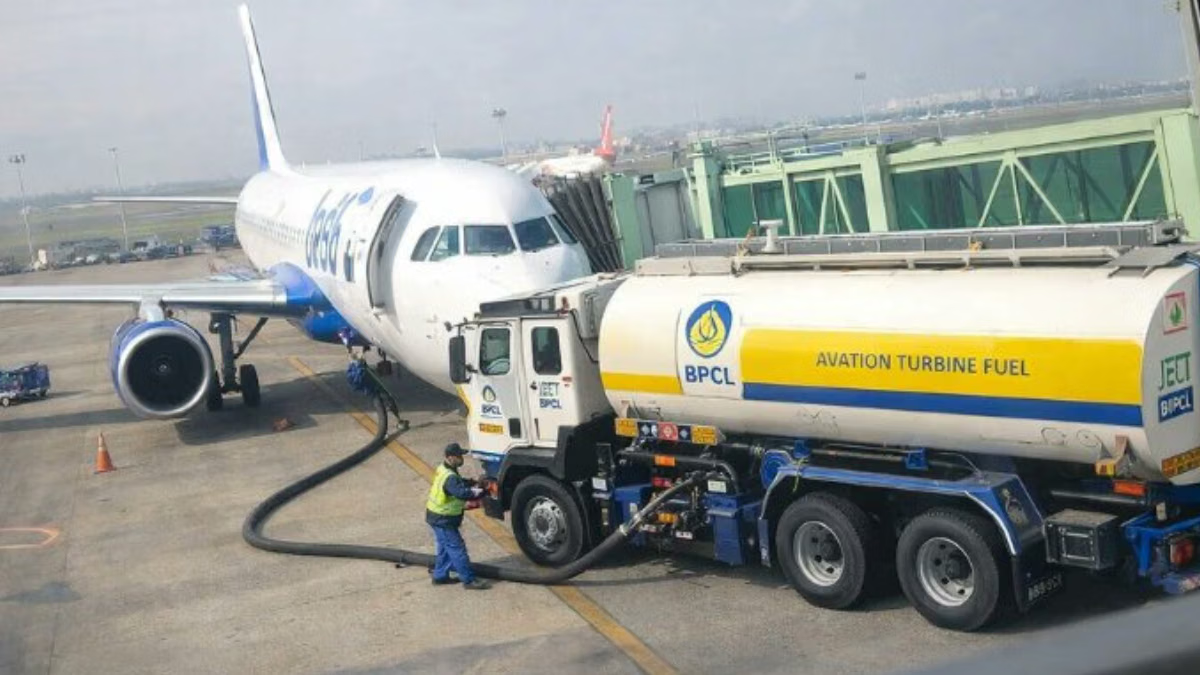
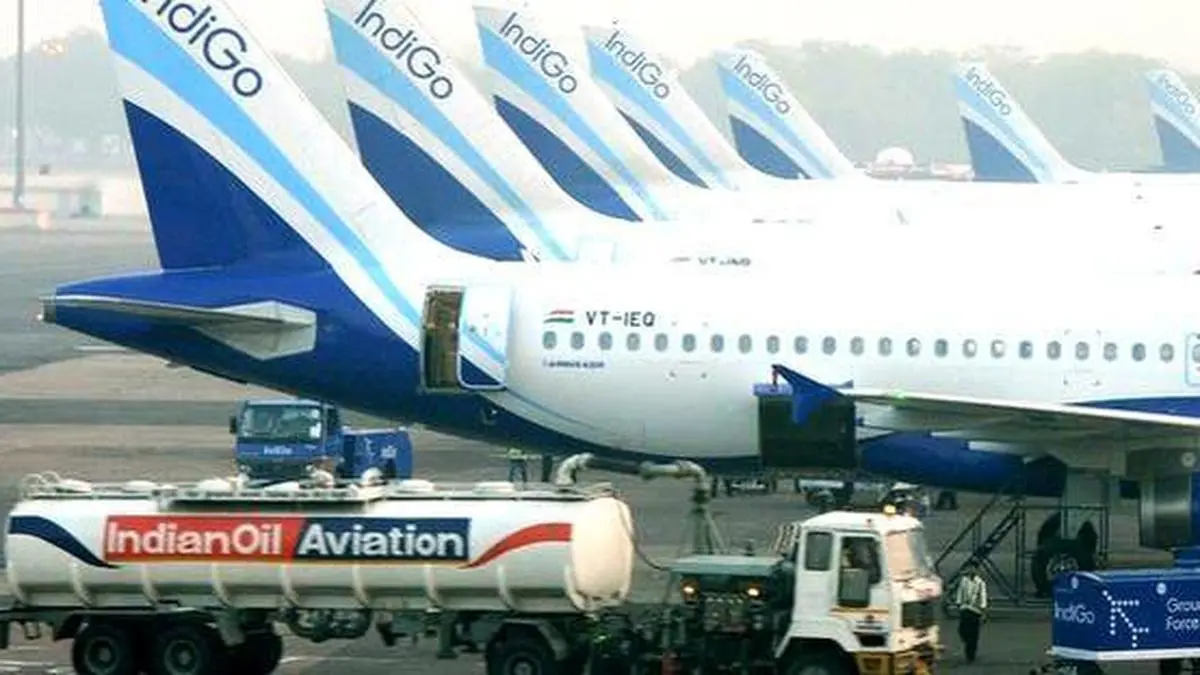
The Centre will replace the temporary cap on aviation turbine fuel (ATF) prices with a fixed-price mechanism under the newly approved price stabilisation fund (PSF) scheme. Explaining the operational contours of the scheme, Rohit Raj, Director, Ministry of Civil Aviation, said benchmark ATF prices have been fixed at the free-on-board (FoB) level for both domestic and international airline operations, and will remain unchanged for the duration of the programme.Addressing reporters during a press conference in New Delhi, Raj said the benchmark price has been fixed at ₹86.32 per litre for domestic operations and ₹104.49 per litre for international operations. Notably, under the new framework, the benchmark price was determined after excluding VAT, central excise duty, airport charges and certain fixed differentials such as freight, insurance and oil marketing companies’ margins.Besides, Raj said the revised framework would result in an effective ATF selling price of around ₹115 per litre in Delhi for both domestic and international operations after applicable charges are incorporated.“For domestic operations, after adding airport charges and other fixed differentials, and thereafter applying VAT and central excise, the selling price in Delhi works out to around ₹115 per litre,” he said. For international operations, where VAT and excise are not applicable, the fixed FoB benchmark and associated charges similarly translate into a selling price of around ₹115 per litre in Delhi.He said that ATF prices would continue to vary across cities depending on local tax structures. “Every State has a different VAT regime. We are fixing the benchmark at the FoB level. State taxes will continue to apply separately,” said Raj.The clarification follows the Union Cabinet’s approval of a ₹10,000 crore price stabilisation fund aimed at compensating state-owned OMCs for losses arising from elevated international ATF prices while providing airlines greater predictability in fuel costs.“This is a temporary, one-time arrangement. There is no provision in the scheme to revise the benchmark prices in future. As soon as the fund is operationalised and the true-up of the corpus happens, the scheme will come to an end,” he said.global pricesAccording to Raj, the government had introduced a cap on domestic ATF price increases after international fuel prices surged sharply following the escalation of the West Asia crisis. He said international ATF prices had risen from ₹60.50 per litre in March 2026 to around ₹142 per litre by May 2026.To shield airlines from the full impact of the increase, the government limited domestic ATF price hikes to 25 per cent above March levels. “If you apply a 25 per cent increase to the March base price of ₹60.50 per litre, the price comes to around ₹75.62 per litre. After adding taxes and levies, the selling price in Delhi worked out to around ₹104 per litre,” said Raj.However, he noted that the capped pricing arrangement was not sustainable over the long term. “The capped price was introduced to facilitate air services and support the aviation sector during a period of extreme volatility. But it was not a sustainable arrangement,” he said.The Ministry of Civil Aviation also clarified that participation in the scheme would remain optional for airlines. “Only willing airlines are allowed under this scheme. If an airline does not wish to join, that option remains available,” said Raj. Additionally, he said airlines would have the flexibility to enter into separate or joint agreements with OMCs depending on their commercial arrangements.The Ministry is currently working on implementation modalities and has informed airlines about the scheme. “It will be operationalised very soon. The timeline will depend on the willingness of airlines and OMCs to participate,” added Raj.Published on June 4, 2026